Guangxi
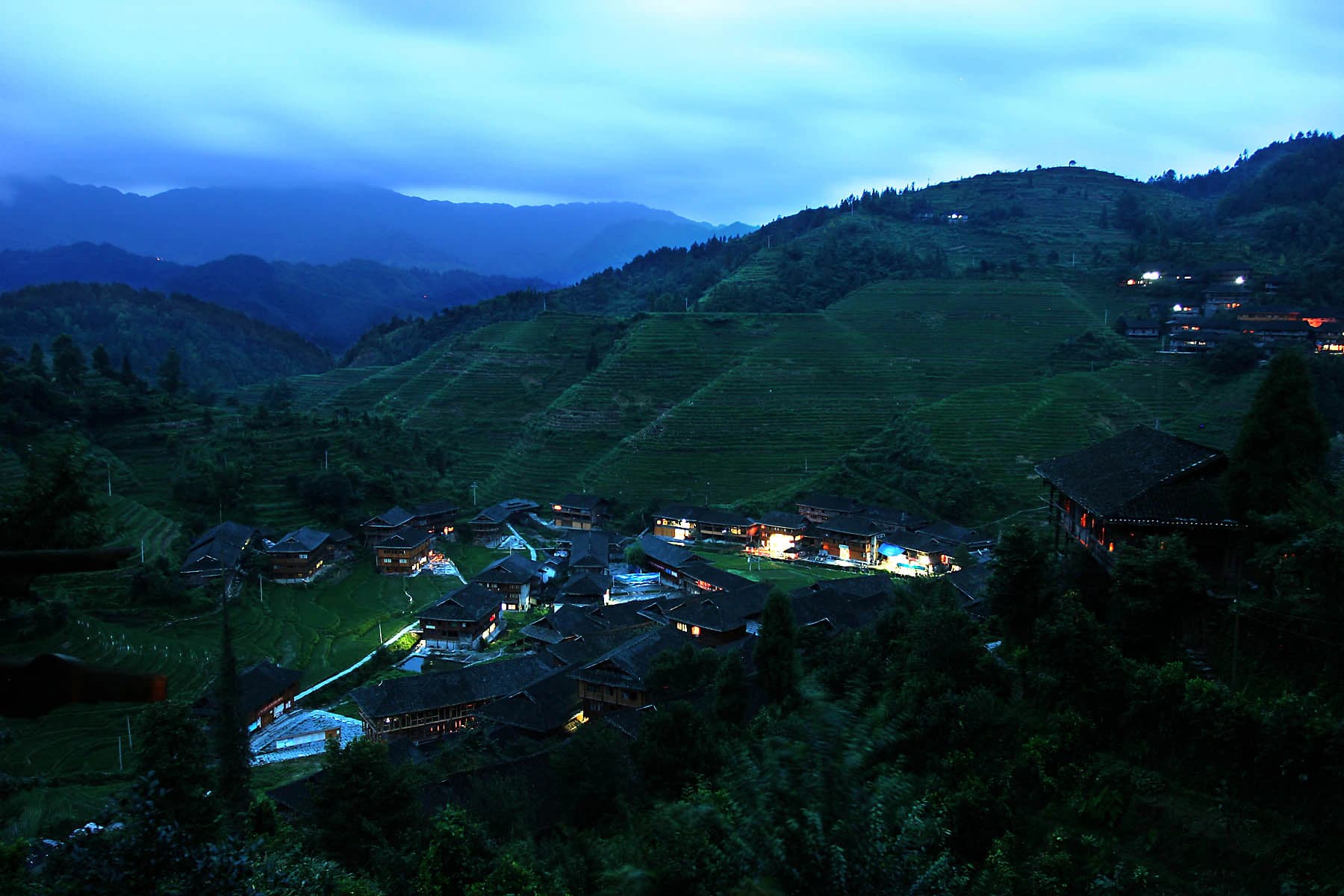
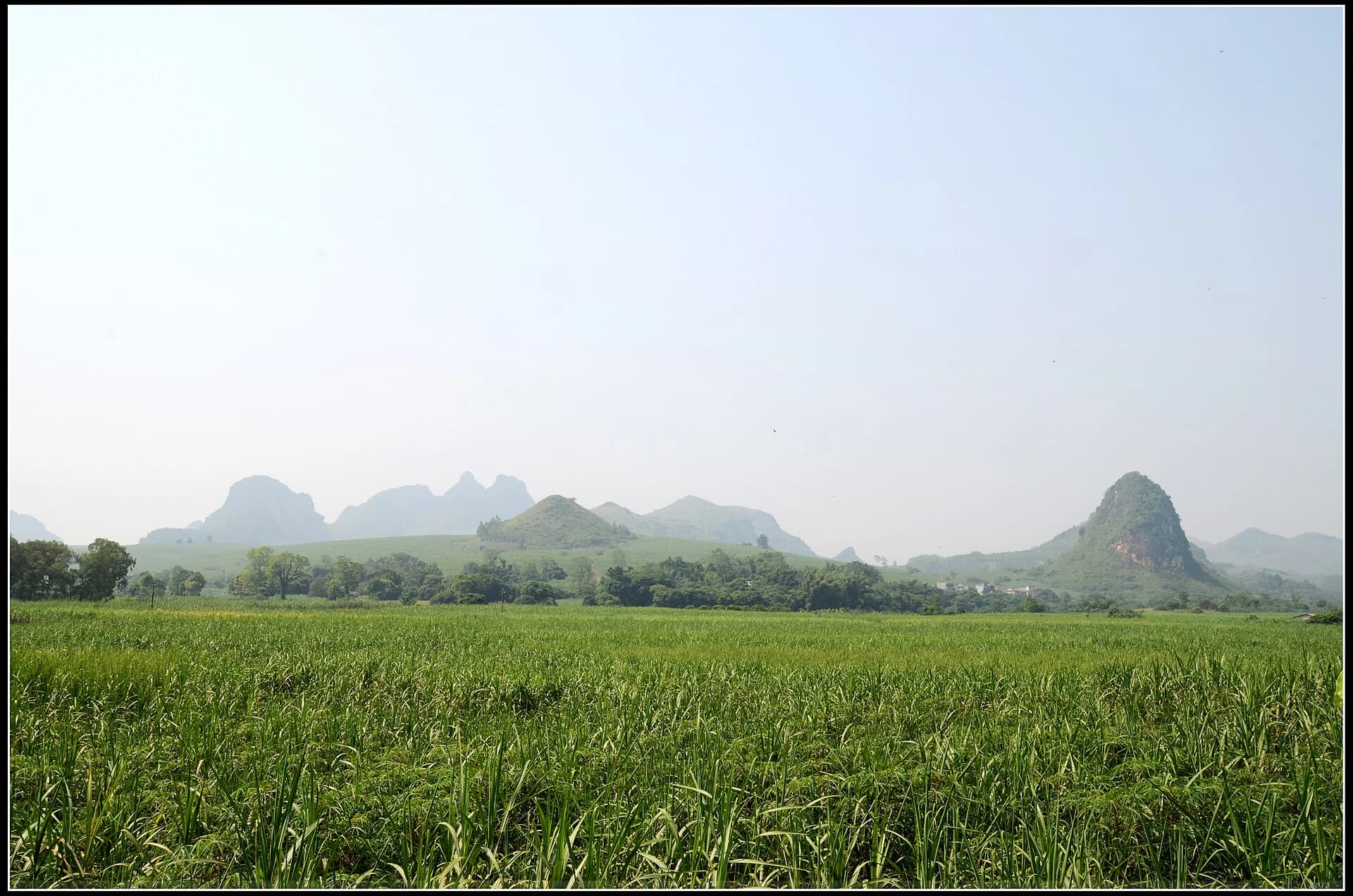
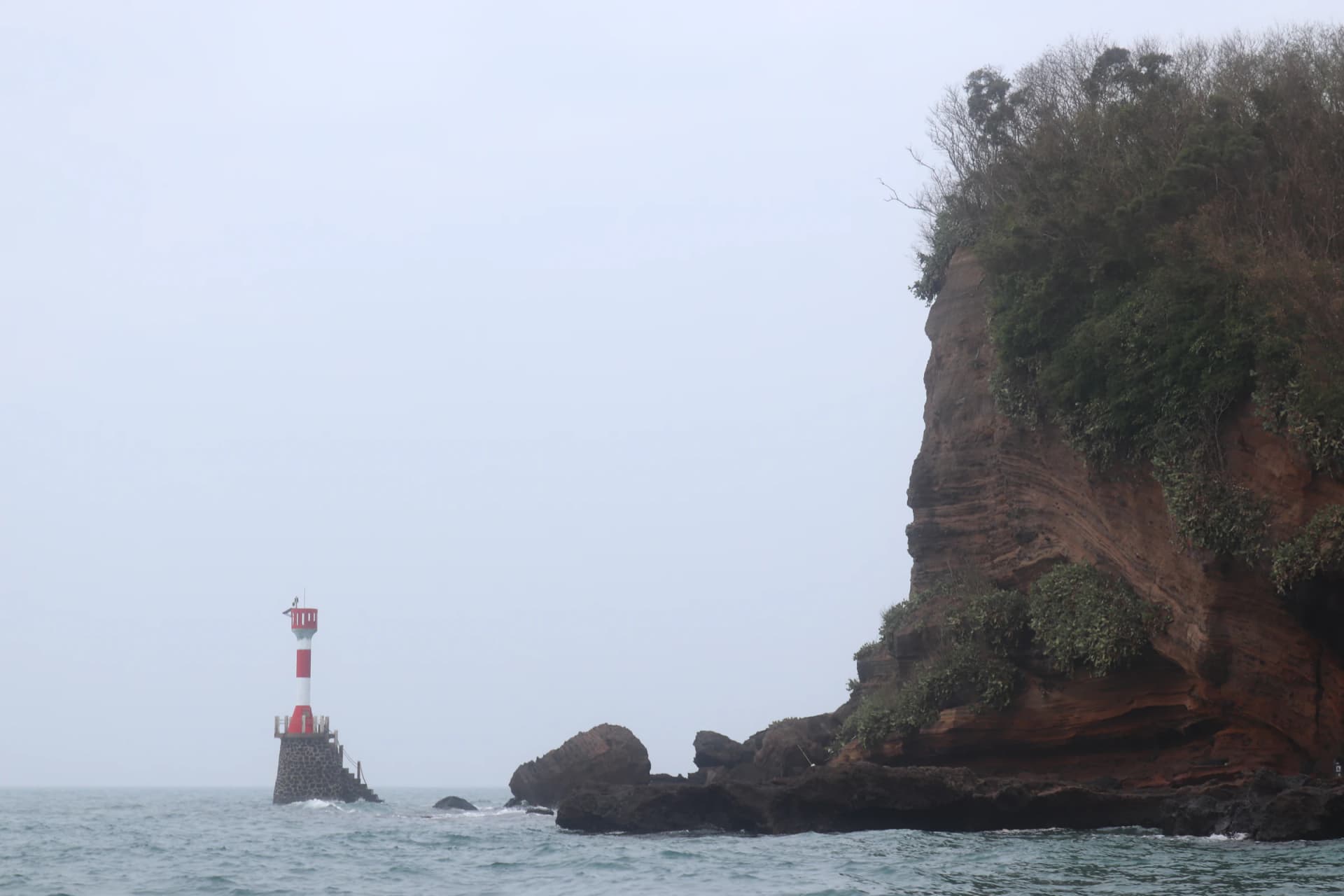
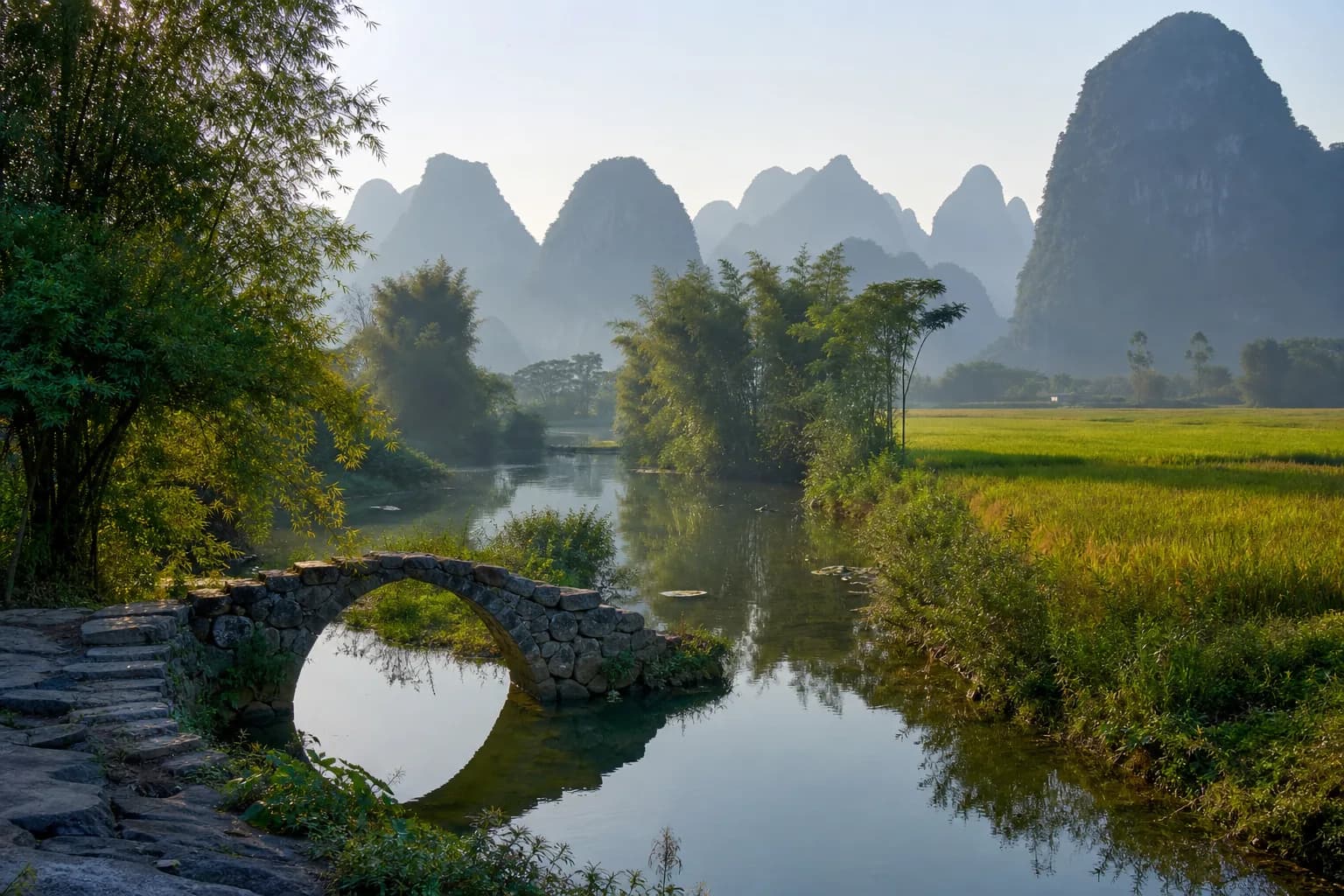
Guangxi has three distinct journeys. The classic route joins Guilin, Yangshuo and the terraces of Longsheng. A southern route uses Nanning to reach Chongzuo and its border karst. The coast centers on Beihai and, when sea conditions allow, Weizhou Island.
Choose your region
- Guilin–Yangshuo–Longsheng: the best first trip for river and mountain scenery; allow 5–7 days.
- Nanning–Chongzuo: for Detian Waterfall, Mingshi countryside and a slower border landscape; allow 4–6 days.
- Beihai and Weizhou: a coastal break of 3–5 days with ferry and weather risk.
- Longer crossing: connect one northern and one southern route only with 9–12 days.
How many days
Three days are enough for Guilin and Yangshuo only if you skip the terraces. Five days allow one night in Guilin, two or three in Yangshuo and one in Longsheng. For Chongzuo, avoid a rushed return from Nanning: two nights near the landscapes make sunrise, weather and road timing easier.
Cities and bases
Guilin is the rail and airport gateway, while Yangshuo is the countryside base. Longsheng requires an overnight when you want more than a quick viewpoint. Nanning is the transport and food base for southern Guangxi, but Chongzuo's main landscapes lie beyond the city center. In Beihai, distinguish the mainland beaches from Weizhou Island before choosing the hotel.
Routes through the region
Six-day classic karst route
- Arrive in Guilin and walk the central lakes and river edge.
- Travel the Li River corridor to Yangshuo using the river product that fits your season and luggage.
- Explore one Yulong River section and nearby villages.
- Choose a hill viewpoint, cave or cycling route; keep a rain fallback.
- Transfer to Longsheng and stay near the chosen terrace village.
- Walk a signed terrace route, then return to Guilin.
Southern alternative
Use one night in Nanning, then spend two or three nights around Chongzuo, Detian and Mingshi. These are road days; a driver or carefully verified transfer is more useful than repeated returns to Nanning.
When to visit
Spring brings mist and higher river levels; summer is lush, hot and rainy. Autumn often gives clearer walking weather and changing rice terraces. Winter is quieter but water levels, vegetation and temperature change the experience. The coast is vulnerable to tropical storms and ferry disruption.
Getting there and around
Guilin and Nanning are the main rail and air gateways. Trains connect major cities, but rural karst, terrace and border landscapes need buses, drivers or organized transfers. Confirm the exact village, scenic entrance and return point. Border viewpoints may have document checks, and crossing into another country is a separate immigration journey.
Where to stay
In Yangshuo, choose town convenience or countryside quiet; the two are not interchangeable at night. At Longsheng, pack light for stairs and paths. Around Chongzuo, stay near the landscape you will visit next morning. On Weizhou, use refundable accommodation in case ferries change.
What to book first
Reserve long-distance transport, Li River products, terrace stays and Weizhou ferries first. Recheck rainfall, river operation and coastal weather close to departure.
Compare Guangxi hotels on Trip.com and check China train tickets.