China in January
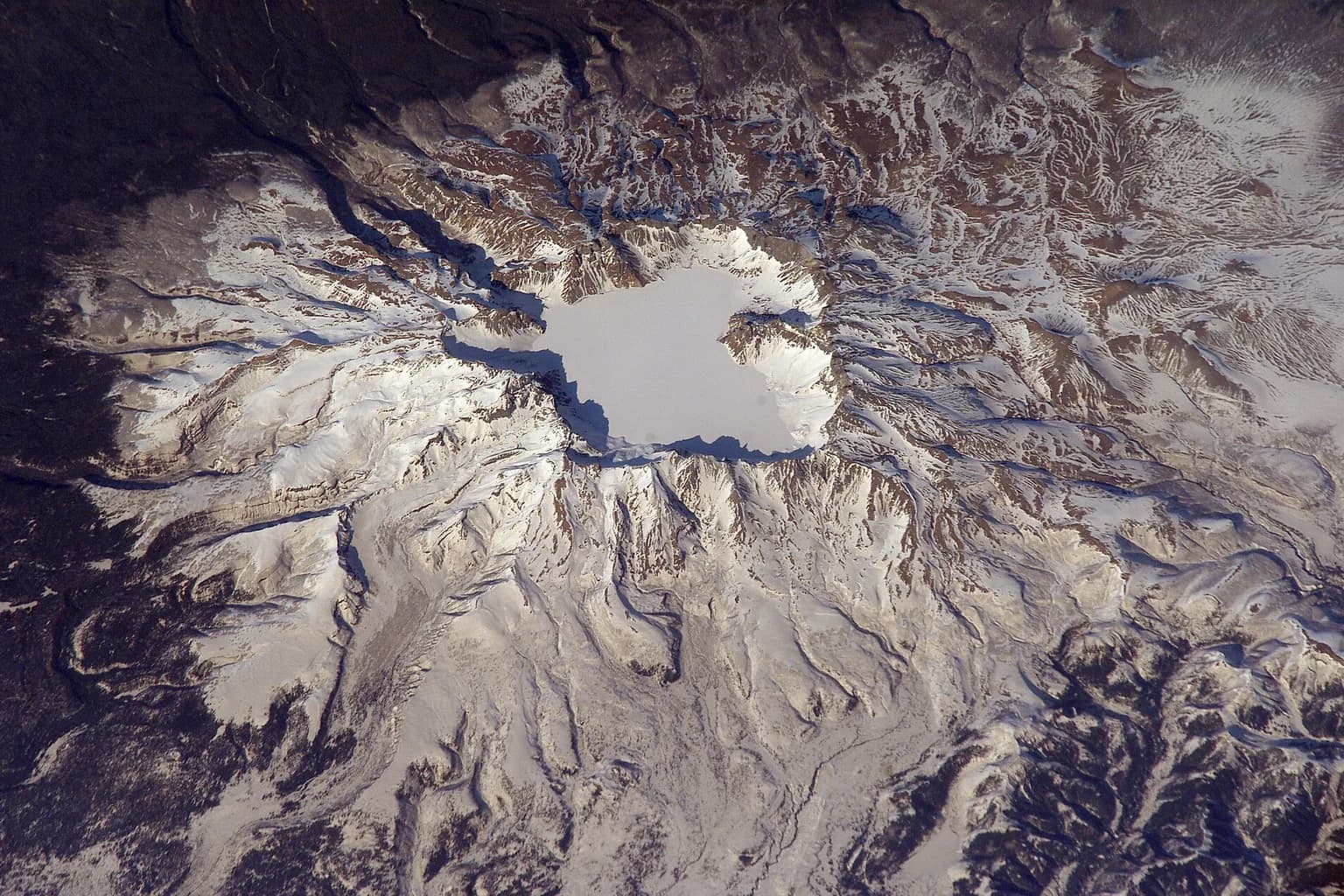
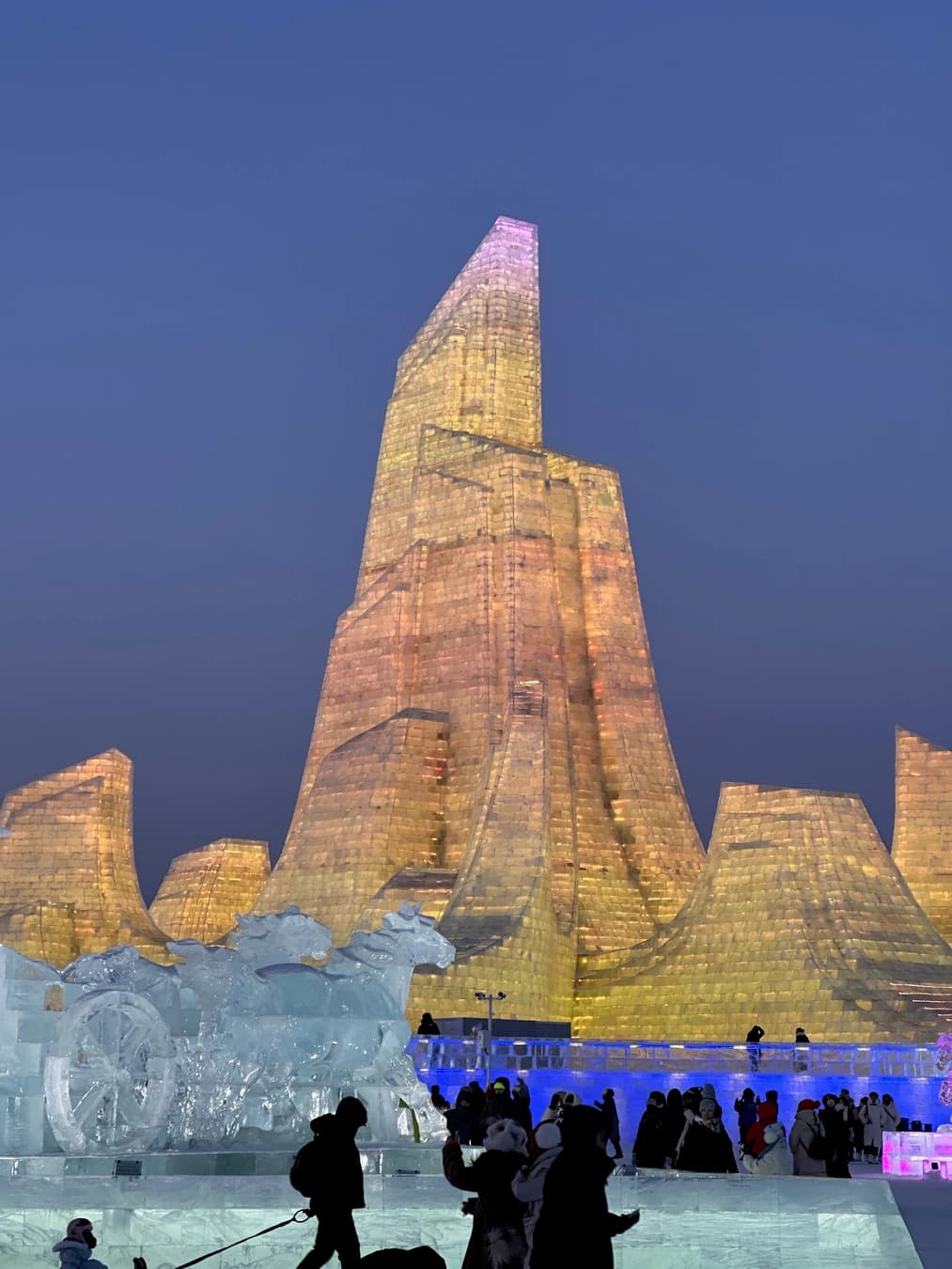
January is the coldest month across China, and for the northeast that is the point. Harbin's ice palaces are complete, rime forms most often on the Songhua River, and Changbai Mountain's volcanic rim is buried in snow. Far to the south, Hainan and Xishuangbanna are dry and warm, and Kunming has blue skies almost every day. In the middle of the country, Beijing and Xi'an are cold, clear and uncrowded.
In 2027 one date shapes everything: Lunar New Year falls on 6 February. The Spring Festival travel rush normally begins about two weeks earlier, so the last ten days of January will see heavy rail and air demand. That leaves early and mid-January as the easy part of the month.
January weather by city
| City | Avg high | Avg low | Rain | Wet days |
|---|---|---|---|---|
| Beijing | 3 °C (37 °F) | -7 °C (19 °F) | 2 mm | 1 |
| Xi'an | 5 °C (41 °F) | -4 °C (24 °F) | 9 mm | 4 |
| Shanghai | 9 °C (48 °F) | 3 °C (37 °F) | 72 mm | 11 |
| Chengdu | 10 °C (50 °F) | 3 °C (38 °F) | 9 mm | 8 |
| Guangzhou | 19 °C (66 °F) | 11 °C (51 °F) | 51 mm | 7 |
| Kunming | 16 °C (61 °F) | 4 °C (39 °F) | 24 mm | 4 |
| Harbin | -12 °C (11 °F) | -22 °C (-8 °F) | 4 mm | 5 |
| Lhasa | 8 °C (47 °F) | -7 °C (19 °F) | 1 mm | 1 |
What that means for planning:
- Harbin: −12 °C by day and −22 °C at night. With proper layers this is manageable for a few hours outdoors. Without them it is dangerous, especially at the evening ice park.
- Beijing: Fewer than two wet days on average and very dry air, with cold wind as the main discomfort. Indoor heating is strong.
- Shanghai and Chengdu: Damp days of around 9–10 °C, with grey skies in Chengdu. Most older buildings south of the Huai River have no central heating, so expect to keep your coat on in many restaurants and temples.
- Guangzhou: About 19 °C, comfortable but occasionally chilly.
- Kunming: 16 °C and sunny. This is Yunnan's dry season, with intense UV at altitude.
- Lhasa: The driest, emptiest month of the year. Middays are surprisingly warm in the sun, nights fall to −7 °C, and rural pilgrims fill the temple circuits after the harvest.
Where to go in January
Harbin: the ice festival at full scale
The Harbin International Ice and Snow Festival officially opens on 5 January each year. By then the ice park, the Sun Island snow sculptures and the frozen Songhua River activities are all running. Visit Ice and Snow World from late afternoon into the evening, when the lights come on. Most visitors manage two to three hours outside before warming up indoors. Weekends in early January are the busiest, so a Monday–Thursday visit saves money and queueing. Use the Harbin 4-day winter culture itinerary.
Jilin City: the best odds for rime
January is the peak month for rime on the Songhua River in Jilin City. Strong rime becomes common from early January, and the very best five-star mornings cluster in late January and early February. Check the city's dawn rime forecast at about 05:30, then decide between the closer Ashi riverbank and the more rural Rime Island. Plan two or three mornings.
Changbai Mountain: snow, hot springs and a frozen crater lake
In winter, the north slope of Changbai Mountain, reached from Erdaobaihe, combines a snow-covered volcanic rim, waterfall and forest stops, and a hot-spring river. Wind, cloud and road conditions decide whether the summit vehicle runs, so build in a spare day and check whether the lower areas still make the ticket worthwhile. The Northeast winter 10-day route links Harbin, Jilin and Changbaishan by rail.
Sanya: dry-season sun, before Spring Festival prices
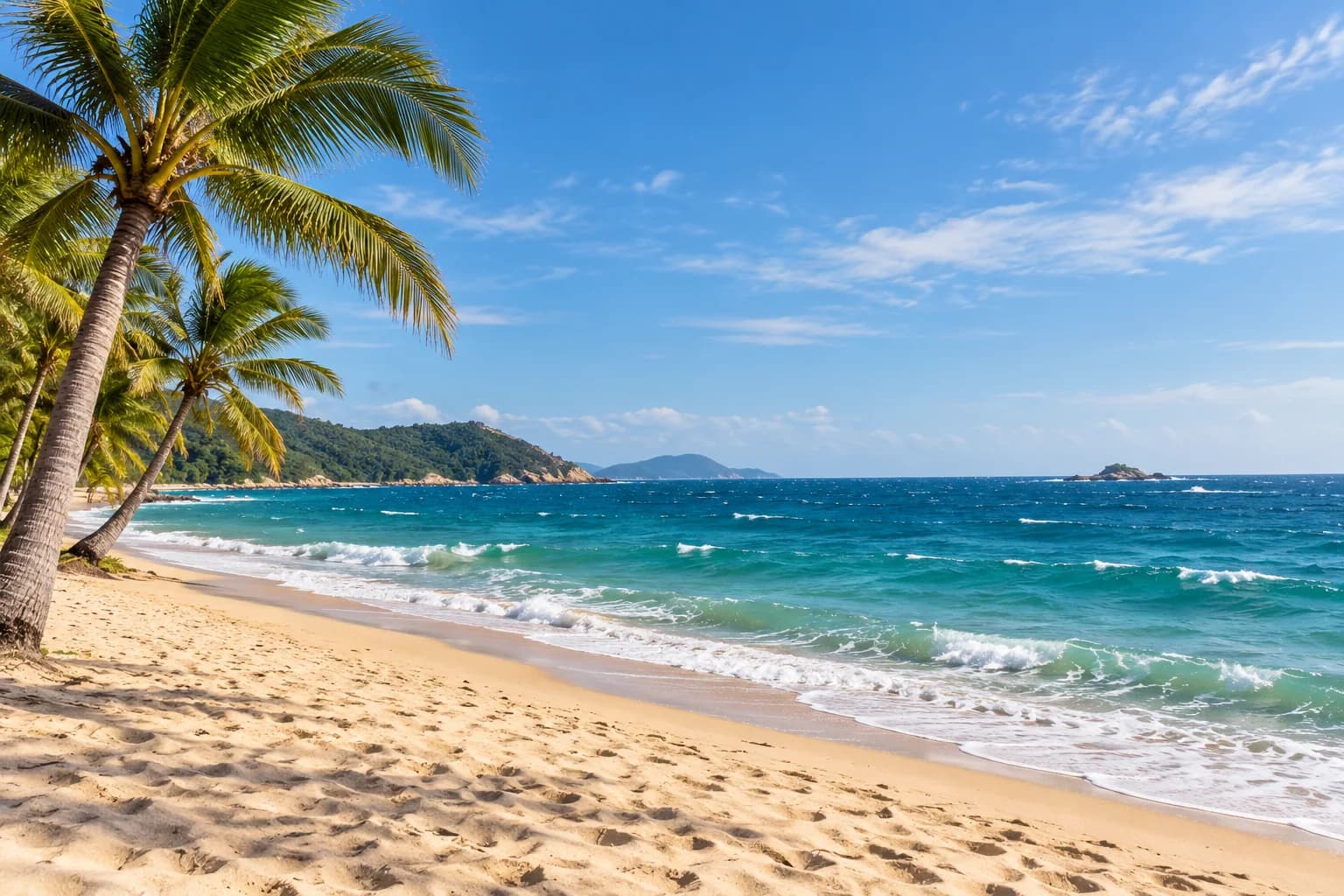
Sanya has warm, dry beach weather in January. Prices are moderate in the first half of the month. In 2027 they will climb steeply from late January as families arrive for Spring Festival. Book refundable rooms and compare the east-facing and west-facing bays on windy days. See the Sanya winter sun guide.
Kunming and Xishuangbanna: spring in winter
Kunming's dry season brings sunny days and the wintering black-headed gulls along Dianchi Lake. Xishuangbanna has 25 °C days and cool nights, a comfortable time for the botanical garden and Dai villages. The two connect by high-speed train in about three hours.
Beijing: crisp, clear and quiet
Beijing in January means short lines at the Forbidden City, frozen lakes at Shichahai and the Summer Palace (skating areas depend on ice-safety checks) and a Great Wall dusted with snow. Choose a section with a cable car or a gentler gradient, because steps can be icy. The Beijing 4-day itinerary works unchanged; add a hot-pot evening.
In season in January
| What | Where | When | How to do it |
|---|---|---|---|
| Winter fishing on the ice (冬捕) | Chagan Lake, Songyuan, Jilin | The 2025–26 festival opened on 8 January 2026; the one before opened on 28 December 2024 | Fishermen haul a single net, about 2 km long, out through holes in the ice, and the first fish is auctioned for charity. Go with a day tour from Changchun or Songyuan, and dress for −25 °C on open ice |
| Rime on the riverbank | Jilin City | Early January to mid-February | Check the dawn rime forecast and be at the Ashi riverbank by 07:30; the crystals start falling once the sun warms the branches |
| Black-headed gulls | Haigeng Dam on Dianchi Lake and Cuihu Park, Kunming | November to March | Mornings are best. Feed them only the gull food sold on site |
| Copper-pot mutton hot pot (涮羊肉) | Beijing | The coldest weeks | Paper-thin mutton swished in a charcoal-heated copper pot, with sesame dip. Old-established names such as Donglaishun serve it all winter |
| Laba congee (腊八粥) | Large temples, including Lingyin in Hangzhou | Laba day, mid-January 2027 | Temples hand out free congee of grains, beans and dried fruit on Laba morning. Queues start before dawn |
The classic route in January
Most first trips run Beijing → Xi'an → Shanghai, often with pandas in Chengdu and karst scenery in Guilin or Zhangjiajie. Here is how January changes each stop.
| Stop | January conditions | What to change |
|---|---|---|
| Beijing and the Great Wall | Dry and usually sunny, with days around 4 °C and nights near −5 °C; the shortest Forbidden City queues of the year | Choose Mutianyu, where the cable car saves the icy climb. The toboggan pauses after snow until staff clear the track. In January 2026, a cable car up and the toboggan down cost ¥200 together, plus ¥40 admission. Wear gloves, because the wind on the wall is the real cold |
| Xi'an | Cold, dry and quiet at the Terracotta Army | A strong month for museums and the warriors. Save the city-wall bike ride for a clear, low-haze day |
| Shanghai, Suzhou and Hangzhou | 3–9 °C and damp, with unheated temples, gardens and old houses | Sightsee outdoors at midday, then warm up in museums, malls or teahouses. Gardens are calm enough to see properly |
| Chengdu pandas | Winter hours: entry from 08:00 until the end of February | Cold mornings keep the pandas outside and active for longer, so a 09:00–11:00 visit works well |
| Guilin and Yangshuo | Dry season: low water, highs near 12 °C and a raw wind on the river | Li River cruises run, but expect exposed gravel banks and thin mist rather than green reflections. Yulong River rafts can ground in shallow water or stop in strong wind |
| Zhangjiajie | Near freezing on the peaks, frequent fog, occasional snow | Snow and ice close glass walkways and the bus road up Tianmen Mountain. Keep a spare day for a clear one |
January dates to plan around
| Date | Event | What it means |
|---|---|---|
| 1 Jan 2027 (Friday) | New Year's Day public holiday | Short, local holiday traffic; resort prices high over the weekend |
| 5 Jan | Harbin International Ice and Snow Festival official opening | City events and fireworks; Ice and Snow World is usually already open from late December |
| Mid-January 2027 | Laba Festival (8th day of the 12th lunar month) | Temples serve Laba congee; a cultural detail, not a travel peak |
| From about late January 2027 | Spring Festival travel rush (春运) | Trains out of big cities sell out; the official 2027 dates had not been announced in October 2026 |
The 2027 mainland holiday schedule, including the Spring Festival break, is normally announced in November. Check the public holidays page and the Chinese New Year 2027 guide.
Seasonal hours, closures and prices
- Chengdu panda base: Winter timetable from 1 November to the end of February. Morning entry is 08:00–12:00, afternoon entry 12:00–16:30, and the park clears at 17:30.
- Jiuzhaigou: Low season runs from 16 November to 31 March, with admission at ¥80 against ¥190 in peak season. Most reports put the compulsory bus at ¥80 (¥90 in peak). Entry in February 2026 was 08:30–14:00, and some lakes and falls freeze.
- Huangshan: Winter admission is ¥150 from December to February, against ¥190 the rest of the year. Steps can ice over, and summit hotels are heated.
- Mount Emei: Its cheapest window, from 15 December to 15 January, charges ¥110 against ¥160 otherwise.
- Changbai Mountain: The north and west slopes run winter hours of 08:30–15:00. The south slope closes for the winter (from 16 October in 2026).
- Tibet: Permits around Tibetan New Year and in March have changed every year. Tibet reopened to foreign visitors on 15 February in 2025, and Lhasa agencies reported no March pause in 2026. Confirm with your agency before buying flights for February or March.
Booking and practical advice
- Lock in late-January travel early. Rail tickets open 15 days ahead. For a journey in the last week of January 2027, set a reminder for the release day, or choose routes with frequent departures. Book trains on Trip.com.
- Book the northeast for mid-January. Avoiding New Year weekend and the pre-holiday rush gives the best mix of full winter operations and normal prices.
- Expect early darkness. Harbin's sunset is around 16:00 in early January, so schedule museums and meals in the late afternoon.
- Dress for −20 °C. Wear thermal base layers, an insulated long coat, a hat that covers your ears, insulated waterproof boots and two layers of gloves. Hand and foot warmers are sold everywhere in Harbin and are worth buying.
- Warm up indoors in the south. In unheated southern cities, malls, museums, bathhouses and hot-pot restaurants are the natural places to warm up.
Two January routes
Ten days, ice and rime: Harbin 3 nights → Jilin City 2 → Changbai Mountain 3 → Shenyang or Changchun 2 for flights out. Do it between 3 and 22 January 2027, before the holiday rush.
Eight days, winter sun: Kunming 3 nights → Xishuangbanna 3 → fly to Sanya for 2, or stay longer in Xishuangbanna. Add Dali for clear views of the Cangshan range.
Compare snow, sun and city winters in the China winter destination chooser.