Han Huanhou Shrine
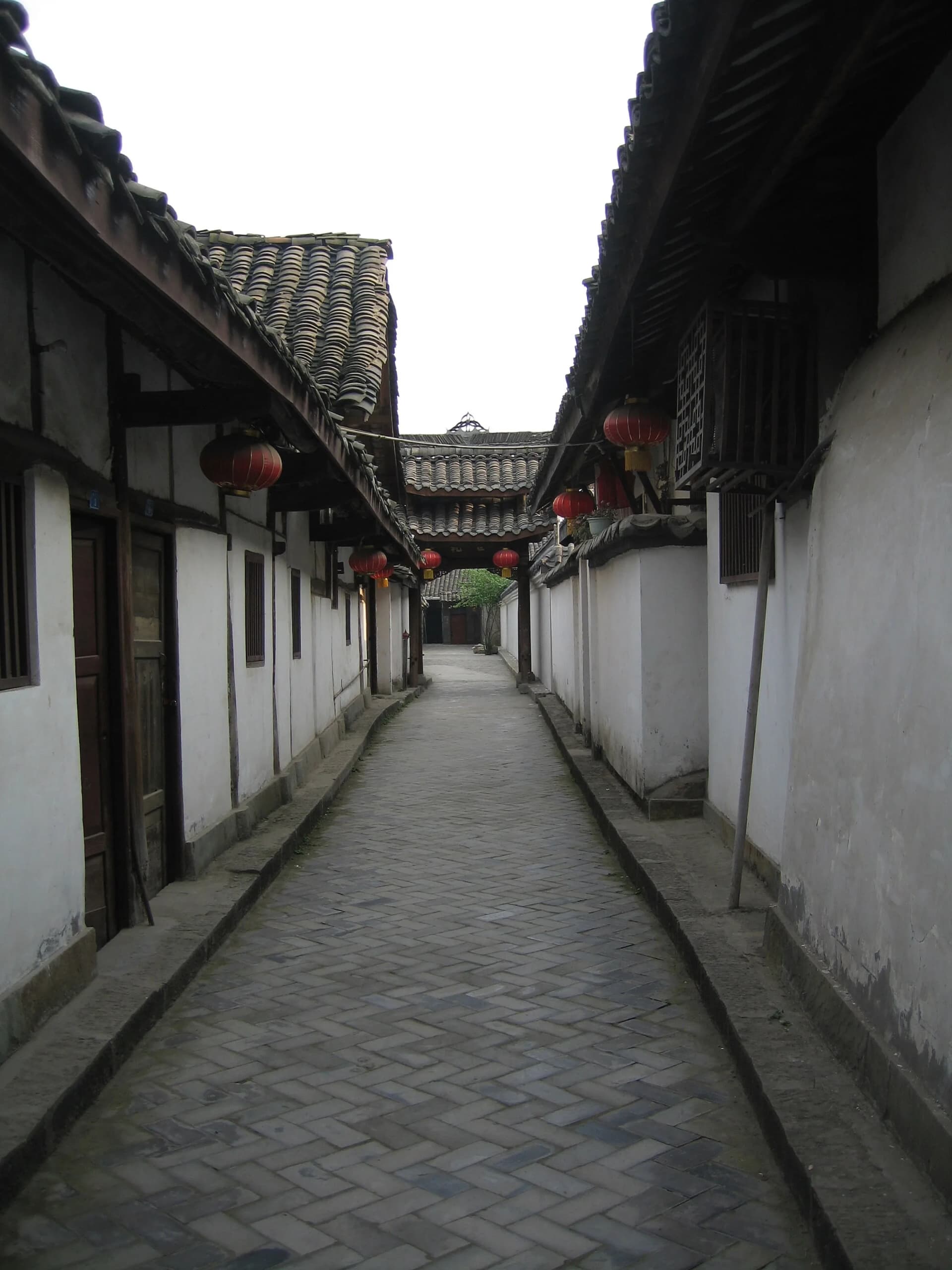
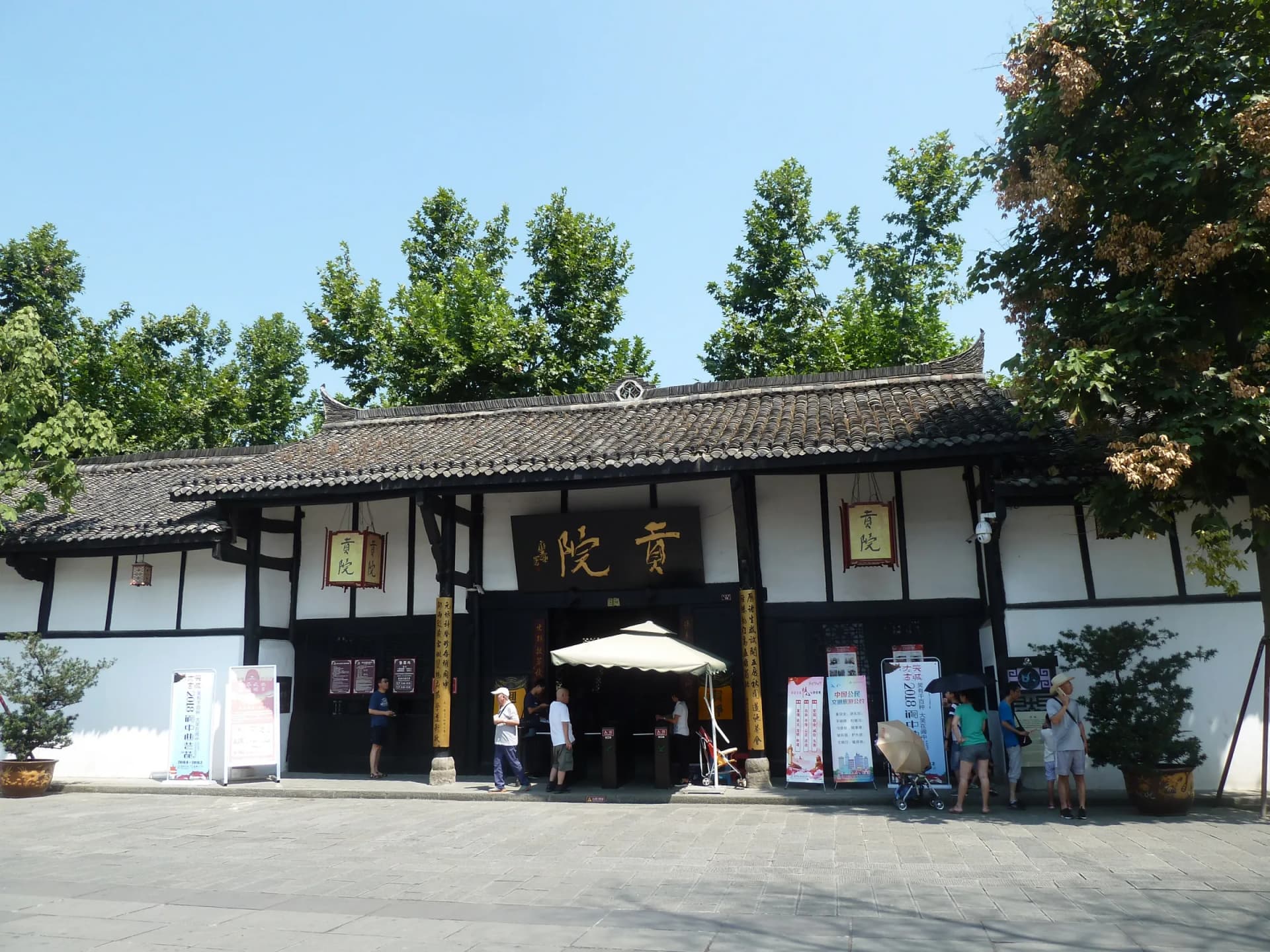
Han Huanhou Shrine (汉桓侯祠), commonly called Zhang Fei Temple, is the most rewarding paid interior in Langzhong Ancient City for visitors interested in the Three Kingdoms. Zhang Fei served as administrator of Baxi and was based in Langzhong before his death in 221. The surviving compound is not an untouched third-century building: its Ming- and Qing-period halls, ritual images, inscriptions and tomb tradition show how later generations turned a historical general into a local protector and object of worship.
Allow 60–90 minutes. The shrine is compact, but it rewards reading. A visitor who wants only street atmosphere can admire the entrance and continue through the free old-city lanes; a history-minded visitor should make this one of the day's two or three paid interiors.
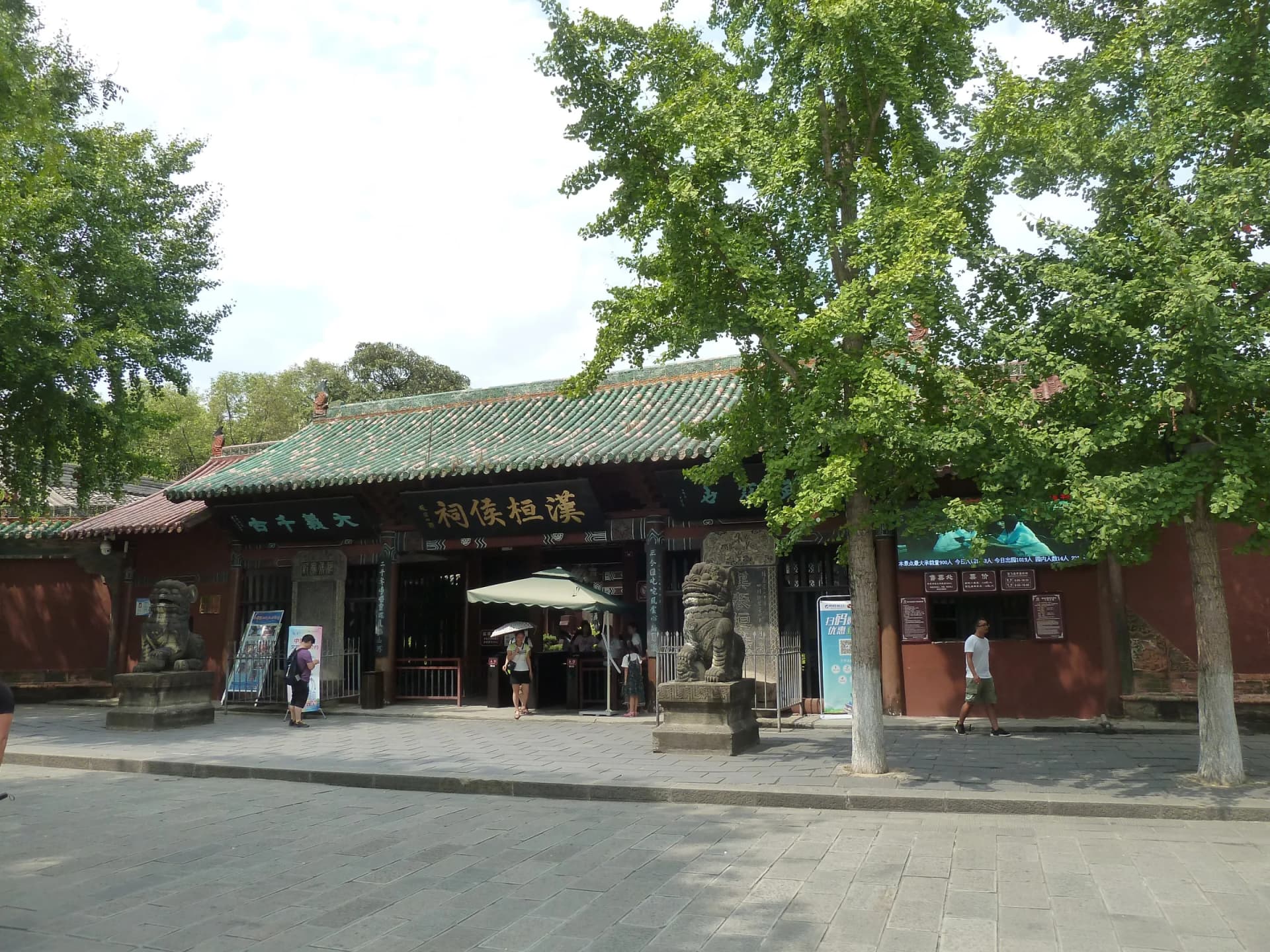
Photo: STW932 · Source · CC BY-SA 4.0
Follow the central axis in four readings
Do not treat every statue or inscription as contemporary evidence about Zhang Fei. Use this sequence instead:
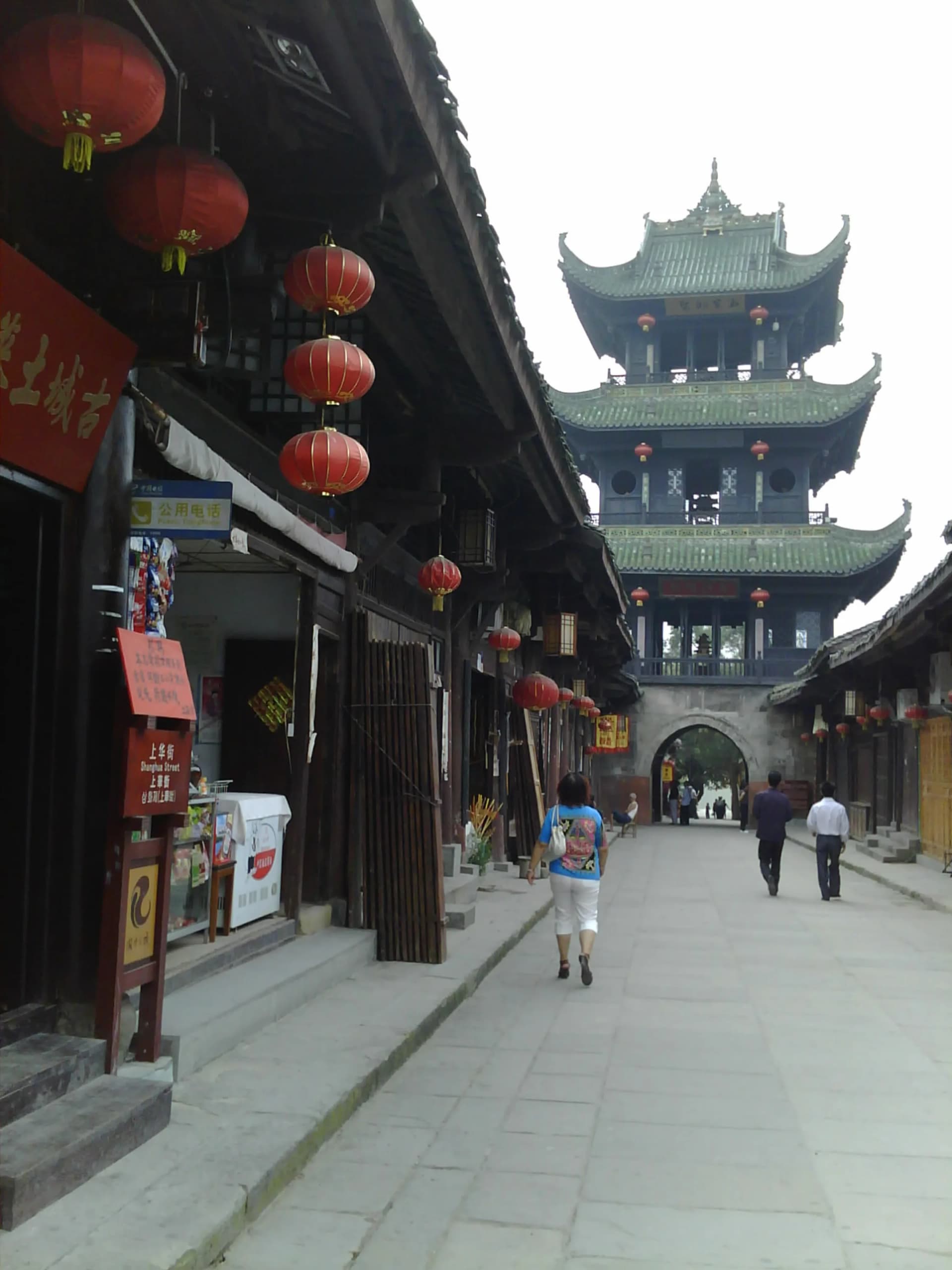
- Gate and Diwan Tower (敌万楼): establish the formal approach and later commemorative setting. The title evokes Zhang Fei's martial reputation; it does not make the present tower a Three Kingdoms survival.
- Main hall: compare the official, crowned image with the rough warrior familiar from opera, television and the Romance of the Three Kingdoms. Court dress and ritual posture reveal deification and later civic memory rather than a documentary portrait.
- Side rooms, plaques and steles: look for dates and explanations of rebuilding, patronage and worship. Ask which objects are original, restored or modern interpretation. Do not repeat a famous calligraphy attribution unless the label provides a source.
- Rear hall, tomb pavilion and mound: treat the site as a long-standing funerary tradition. The popular saying that Zhang Fei's body lies in Langzhong while his head lies at Yunyang is folklore, not archaeological certainty. It is useful evidence of regional memory, not proof of what happened to his remains.
This method separates three layers: the historical Zhang Fei, the later temple and tomb cult, and the literary or performance hero. The differences are the point of the visit.
Buy the ticket that matches your actual day
The streets of Langzhong Ancient City are free; Han Huanhou Shrine is ticketed. Open the exact Han Huanhou Shrine listing on Trip.com when this is your only paid priority. Before payment, confirm the selected-date admission, accepted passport or QR procedure, ticket collection, last admission and cancellation.
A combined Ancient City pass can make sense only if you will enter several named venues. Compare the live pass if you also want Gongyuan, Confucian Temple, Chuanbei Daoshu and a tower. Check the precise venue list, whether Zhongtian and Huaguang towers are both included or a choice, pass validity, re-entry and any activity supplements. Recent visitor posts circulate conflicting prices and validity periods, so an old screenshot is not a booking rule.
Costumed “Zhang Fei patrol” appearances sometimes take place in the streets, not as a guaranteed part of shrine admission. Treat any performance as optional. Confirm the date, route and weather cancellation locally rather than shaping the visit around a social-media timetable.
Place it in a low-backtracking walk
Save Han Huanhou Shrine in AMap, not a similarly named Zhang Fei temple in another province. The verified point is on the northwest side of the old city, near West Street.
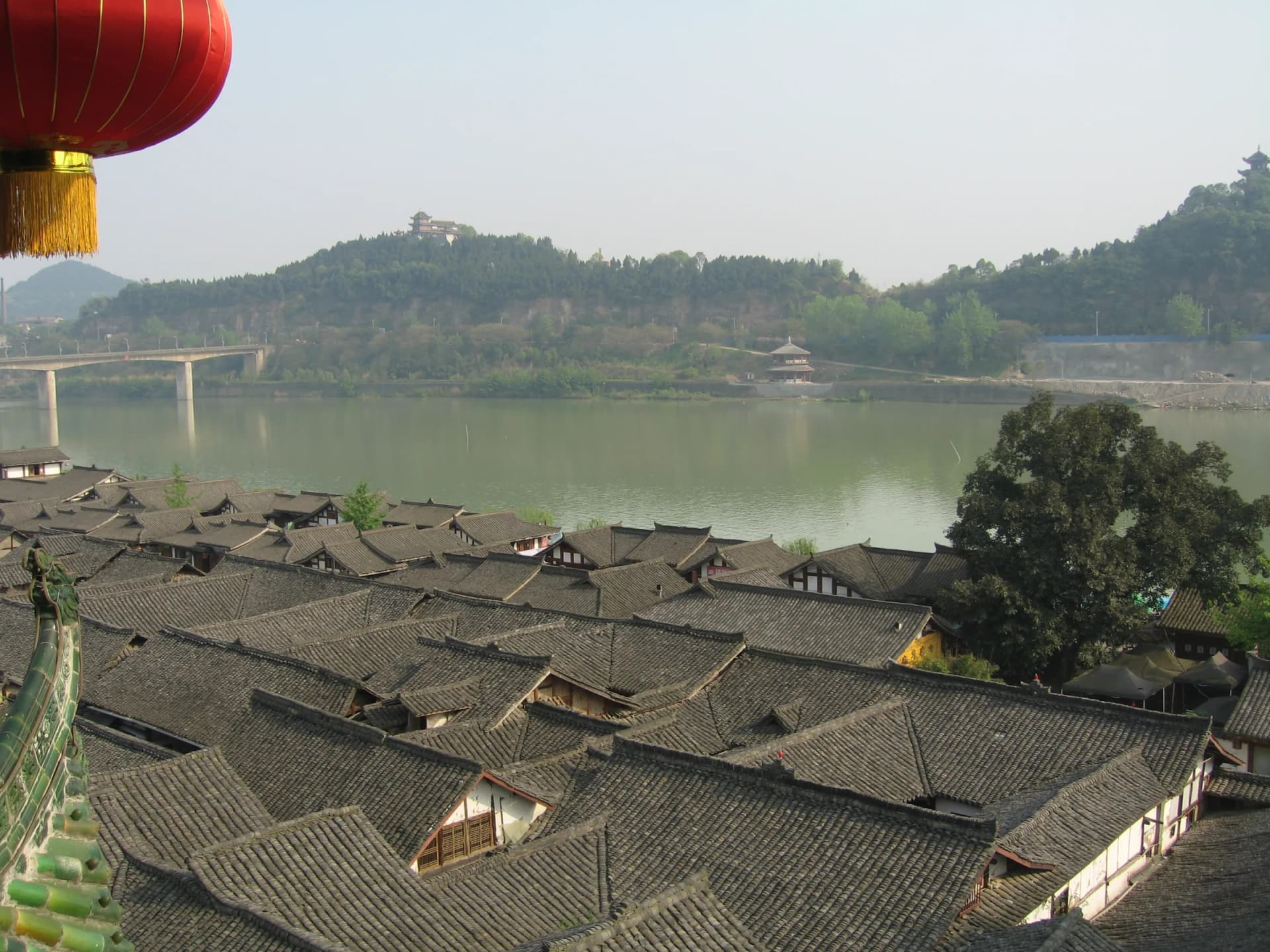
The easiest continuation is Gongyuan. AMap calculates about 0.4 km / 6 minutes on foot between the two verified entrances. Visit the shrine first if Three Kingdoms history is your priority, then use Gongyuan to shift from heroic memory to the examination and administrative system. Add one tower for urban form or river views; entering every museum and climbing both towers turns a thoughtful half day into a closing-time race.
Use the broader Ancient City route if you have a full day. Jinpingshan and Baita are separate outward viewpoints, not a quick extension of the shrine.
Timing, comfort and respectful access
Arrive in the first session or around lunch to reduce tour-group congestion. Group explanations can fill the narrow axis; when that happens, read a side room and return to the main hall. Keep enough margin before the posted closing time because ticket sales and last admission may end earlier.
Expect stone paving, raised thresholds and short changes of level. Flat shoes help in rain. Ask staff for the current step-free route and whether the tomb area is accessible before buying if stairs or narrow passages are limiting; courtyard access and full interior access are different questions.
Follow room-specific photography signs, avoid flash around sensitive objects, never rub steles and keep food outside the halls. An audio guide or informed human guide is valuable only when it explains evidence, rebuilding and ritual memory. A recitation of novel episodes adds colour, but should not replace the site's documented history.