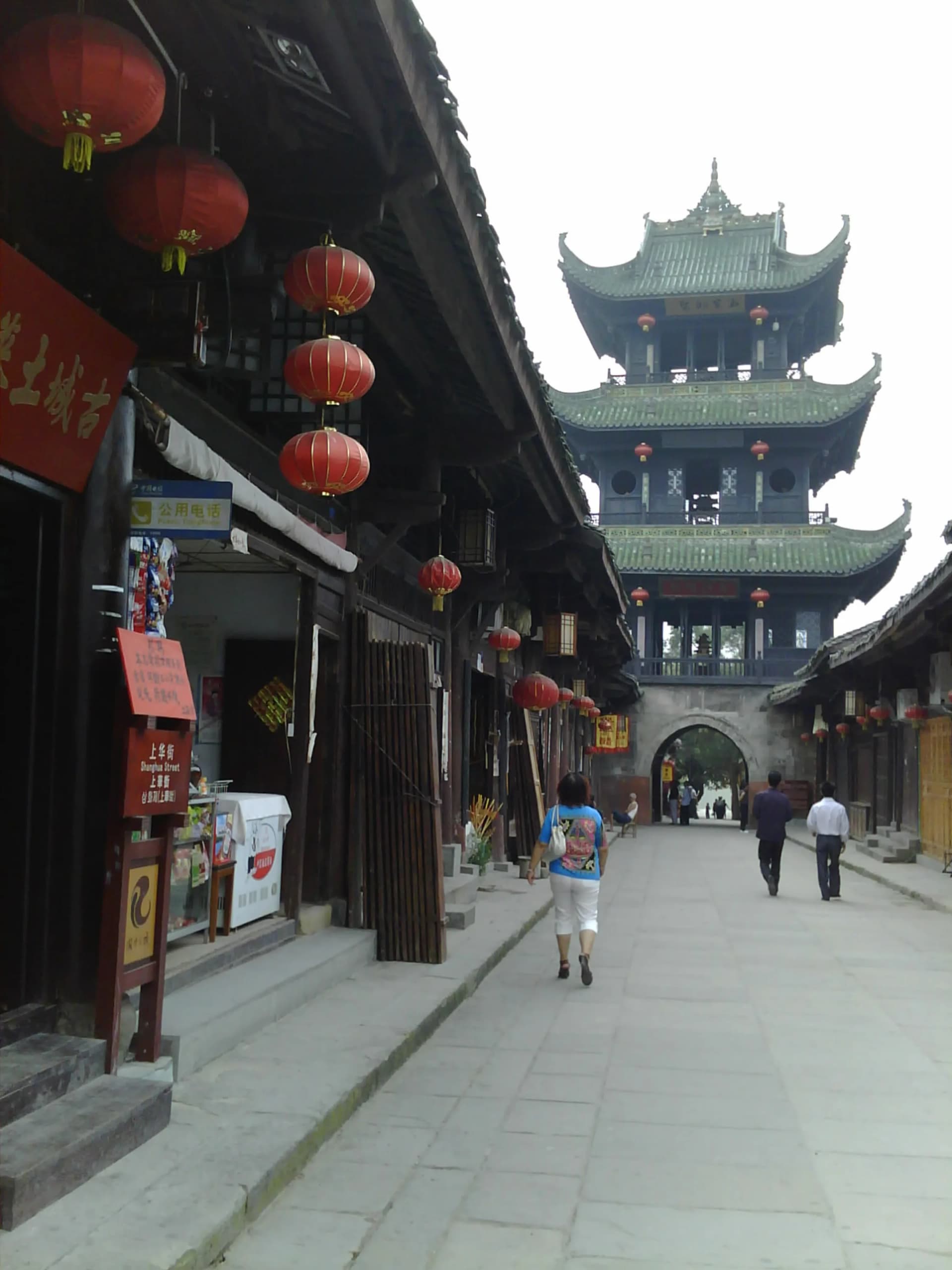
Zhongtian and Huaguang Towers
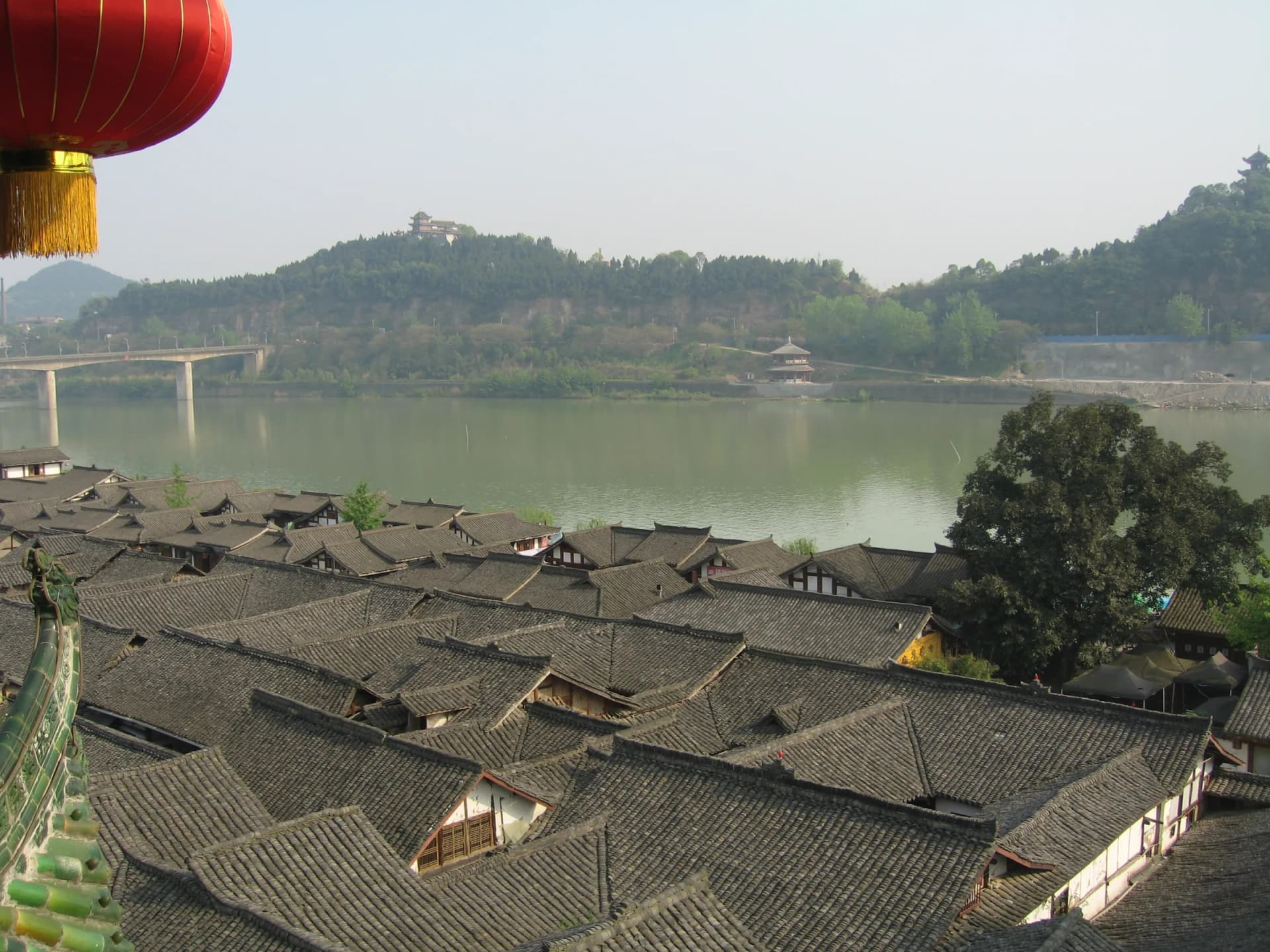
Zhongtian Tower sits near the old-city grid's symbolic center; Huaguang Tower stands closer to the river edge. Both provide elevated roof views, so travelers with limited knees or time can choose one.
Choose by geography
Use Zhongtian during the central lanes and Gongyuan route. Choose Huaguang when your walk finishes at the river. Current access, stair rules and last ascent can differ, so check each tower on arrival.
Zhongtian explains the cross-shaped street grid and makes the most sense after you have walked one central axis. Huaguang gives the river edge a stronger role and fits a route that ends on the eastern side. Neither is automatically “the best” view; the right tower is the one that avoids backtracking.
Turn one tower into part of the walk
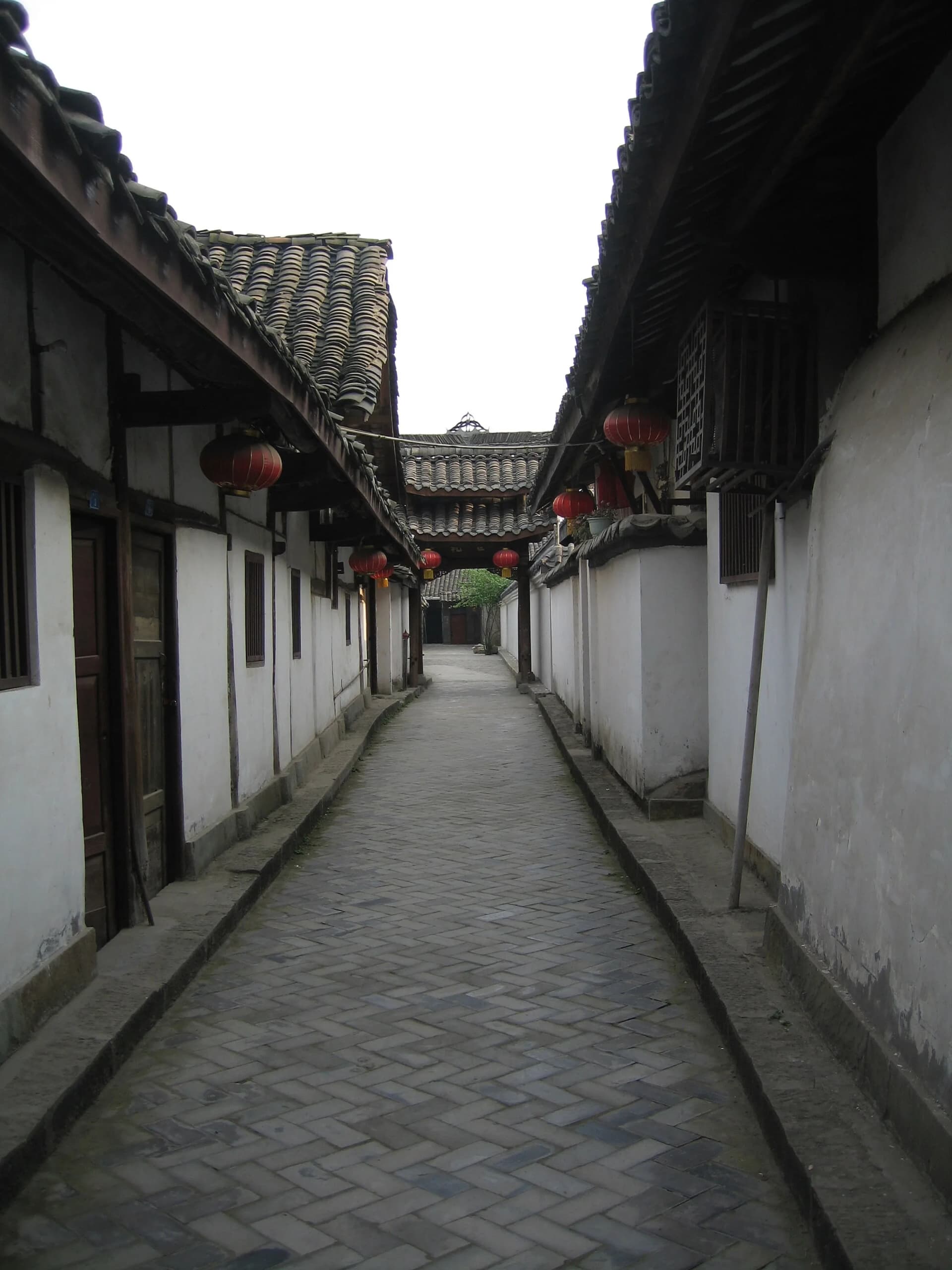
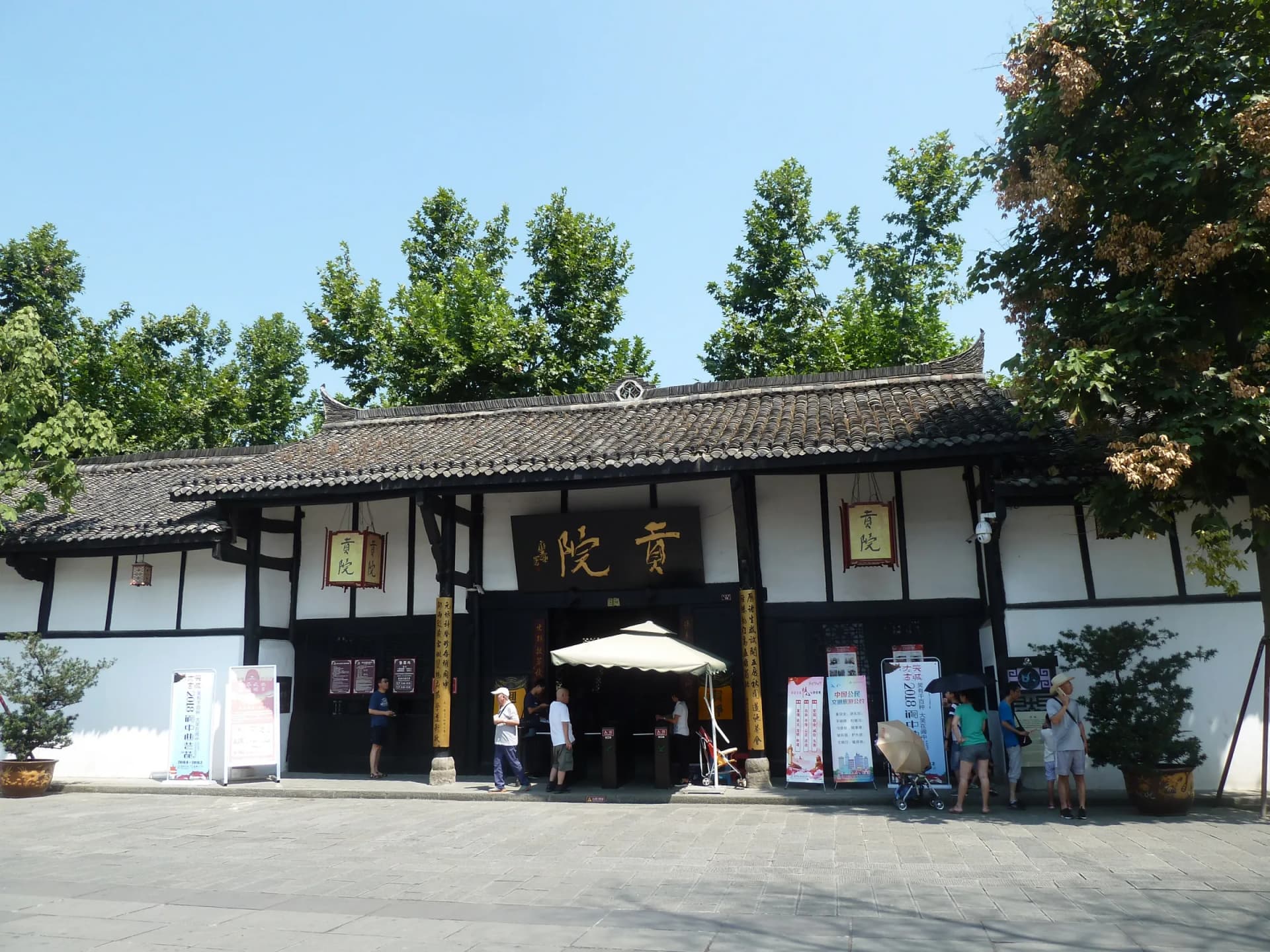
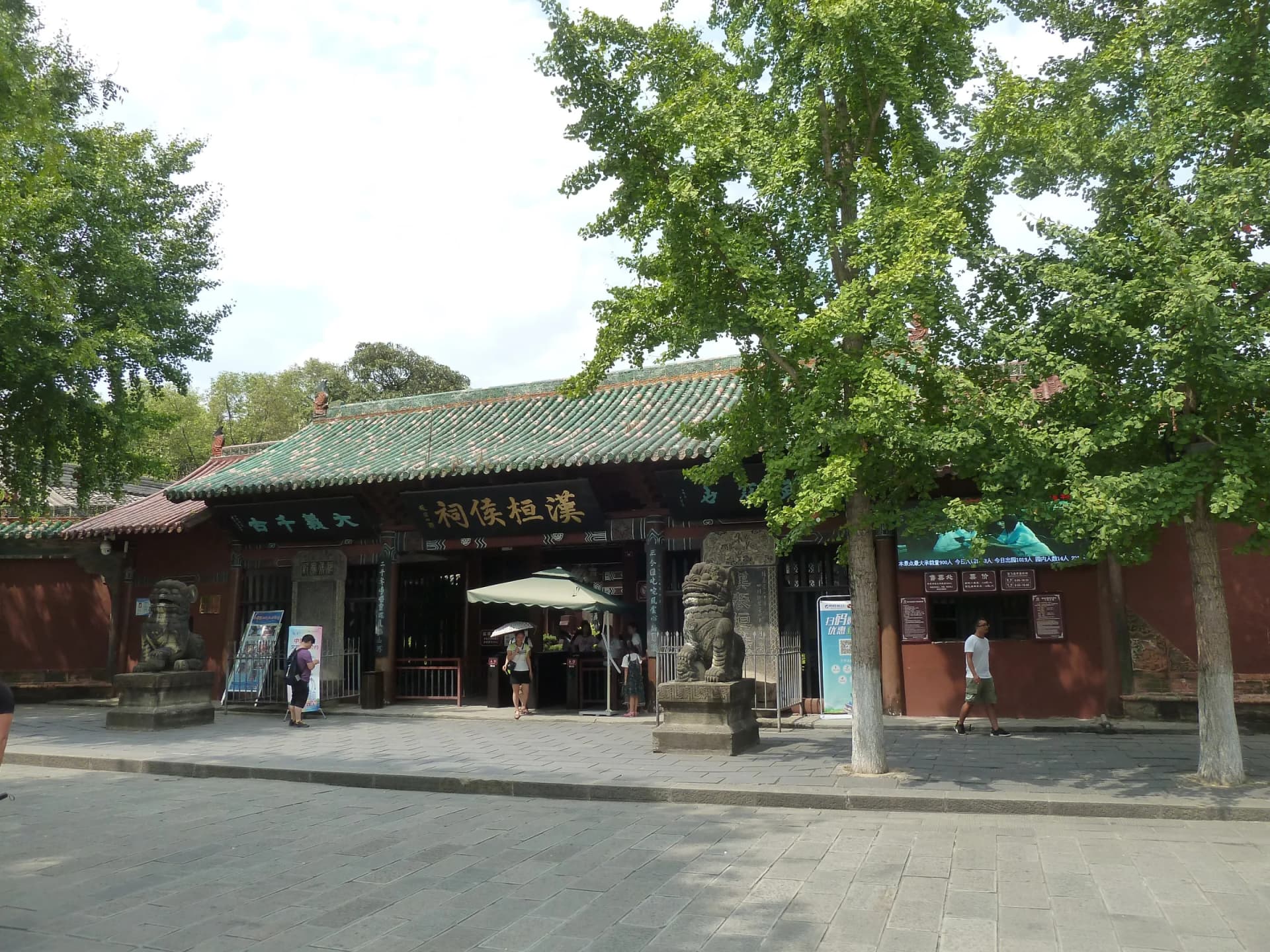
For a central old-city morning, combine 中天楼 (Zhōngtiān Lóu) with one interior such as the Gongyuan or Zhang Fei shrine. Look along the streets from ground level before climbing, then use the elevated view to recognize their alignment and the roofs between them. Returning to the same lanes makes the tower more useful than an isolated photograph.
If your walk naturally ends at the Jialing River, choose 华光楼 (Huáguāng Lóu) instead. View the tower from the street, climb only if access and your energy allow, and finish with a riverside stroll. This gives you a tower and waterfront sequence without crossing the old city again for another climb.
For a short stay, choose one tower plus an interior or a meal. If you already plan a cross-river panorama later that day, the second tower is optional: the hills show the setting, while a tower lets you look into the street grid. Check the individual ascent terms before buying a combined pass; passing beneath or beside a tower does not establish access to its upper levels.
A practical old-city sequence
History-first route: visit the Gongyuan or Zhang Fei Temple near opening, walk the connecting lanes, then climb Zhongtian while the street plan is fresh. Finish with lunch and a quieter residential-edge lane.
River-first route: explore one interior, work toward Huaguang and climb only if the platform is open and not overcrowded. Descend to the river for a level walk and return before the interior attractions close.
Do not schedule both climbs back-to-back. The stairways and small platforms deliver similar rooftop evidence; one measured ascent plus time in the lanes gives a better account of the city.
Expect stairs and small platforms
Historic towers were not designed for modern crowd circulation. Carry little, yield on narrow steps and do not plan the climb if rain makes surfaces unsafe. Late afternoon light is attractive, but exposed platforms can be hot and busy.
At entry, ask whether the route is one-way, where bags or umbrellas must be left, how long the queue is and when the last ascent begins. Keep hands free on the staircase. Children need close supervision, and anyone with knee, balance or height concerns can still understand the tower from street level.
Wait for a clear space before taking a photograph and move away once finished. A narrow historic stair or balcony is not the place for a tripod, long portrait session or drone launch. Follow every limit on numbers and platform time.
Better panorama alternative
For the full river bend and old-city massing, use the Baita/Jinpingshan overlook. Towers show roofs from within; the hills show the whole setting.
Ticket and timing checks
The towers may appear inside a combined ancient-city product, yet actual ascent can still depend on weather, maintenance and capacity. Verify the named tower, passport process, number of permitted entries and last ascent on the current product. A nighttime light-up does not prove the interior or platform remains open.
Choose a tower near the start of a day if access is essential. Choose late afternoon only when the climb is confirmed and you can accept a weather or crowd cancellation. The best visit leaves enough daylight to descend and find the next stop without rushing.