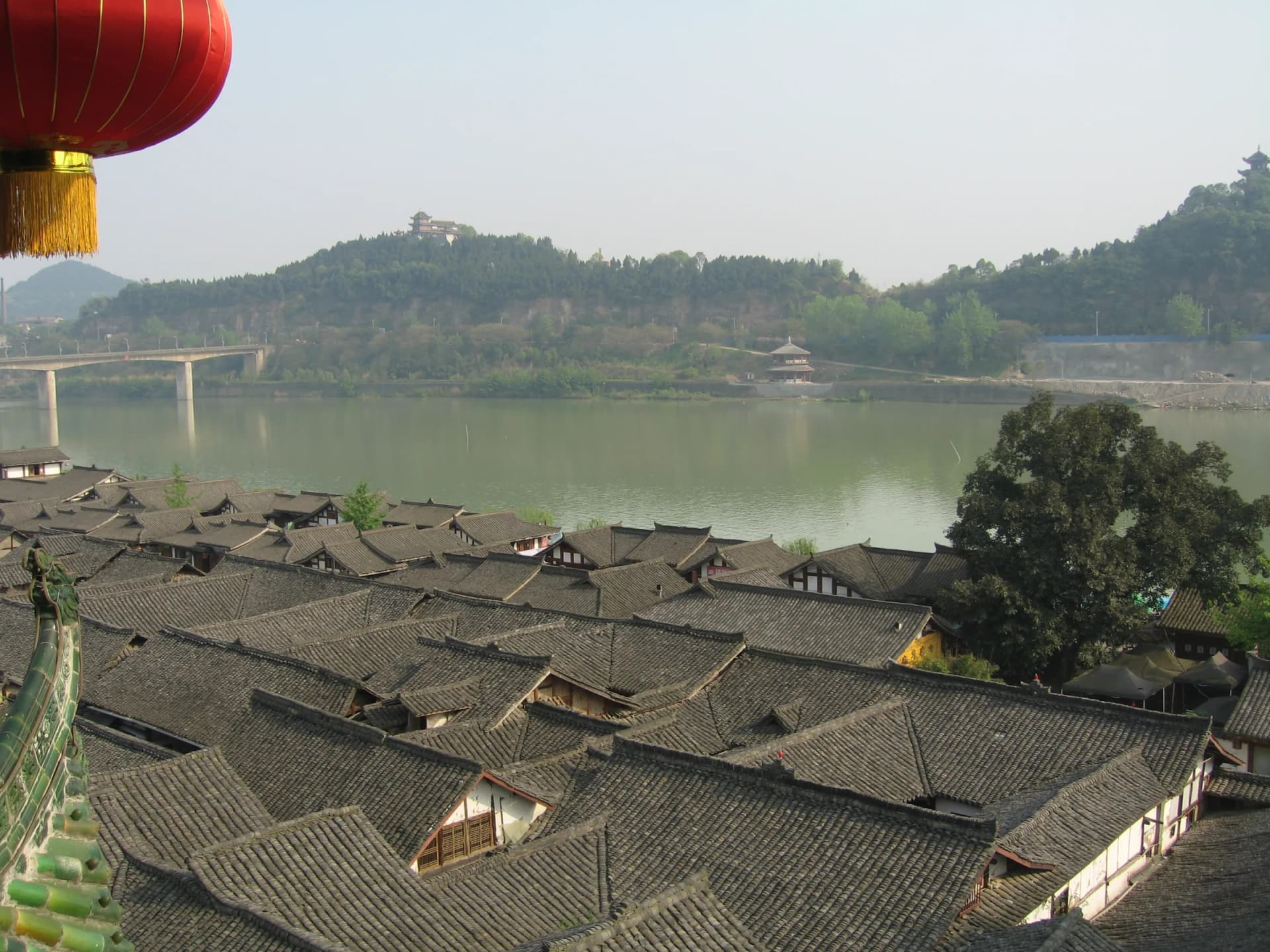
Jinpingshan and Baita Overlook
The old city's relationship with the Jialing River is clearest from the hills across the river. Baita and Jinpingshan provide different viewpoints and should be treated as a half-day landscape block rather than quick extensions to every old-city ticket.
Go late, return before transport thins
Afternoon heat can be intense on exposed platforms. Recent visitors favor a later start for softer light, but you still need daylight for paths and a confirmed ride back. Pin the exact viewpoint and vehicle drop-off; similarly named hill entrances can waste time.
Choose one main viewpoint
Baita is efficient for a broad old-city panorama. Jinpingshan adds a longer park or cultural layer. Travelers with limited mobility should use the viewpoint with the clearest vehicle access and avoid assuming every path is step-free.
Choose Baita when the old-city mass and river bend are the entire purpose. Choose Jinpingshan when you also want a park walk, garden or cultural stop and can give the hill more time. Doing both often repeats the broad panorama while adding another transfer and ascent.
The pagoda, hill park and individual platforms can have separate gates or access rules. A car reaching an upper road does not guarantee that the final viewpoint, tower or path is open. Ask which public platform has the clearest current access before leaving the drop-off.
A city morning and one hill afternoon
Visit one old-city interior and walk its neighboring lanes first, then pause for lunch or a rest before crossing the river. Choose 白塔山 (Báitǎ Shān, White Pagoda Hill) or 锦屏山 (Jǐnpíng Shān) before ordering the car; they are different destinations, not two names for one entrance.
For the Baita option, ask whether the current vehicle route reaches the upper viewing area and where you can be collected afterward. Decide separately whether you want a hill walk. A visitor’s taxi-to-viewpoint outing does not mean the tower itself is step-free, nor that every driver can use the same road today.
At the view, take time to identify the old-city roof mass, the river’s curve and the relationship between town and hills. That is the reason to cross the river. If the light and visibility are good, stay with this view instead of using the best part of the afternoon transferring to the other hill.
Use a map or morning tower view to orient yourself: locate the old-city core, bridges and the river wrapping around the settlement. A telephoto detail can show roofs and towers, while a wider view explains the full terrain. Drones require explicit current permission and should never be launched from a crowded or restricted platform.
Confirm the return before setting out on a downhill path. A walk finishing lower on the hill needs a different pickup from an out-and-back at the viewpoint. If the return route is unclear, keep the simpler same-point pickup. For a day with limited time, choose either this panorama or a second tower climb inside the old city.
Carry water and keep a light layer for wind after sunset. Platforms and stone paths can become slippery after rain; unlit shortcuts are a poor way to descend. Travellers using a wheelchair or needing minimal steps should ask a local operator for the exact vehicle-to-viewpoint distance and surface on the day.
Weather decides visibility
Haze, rain and high river humidity can flatten the view. Check conditions before crossing the river, and keep the old-city interiors as the weather backup.
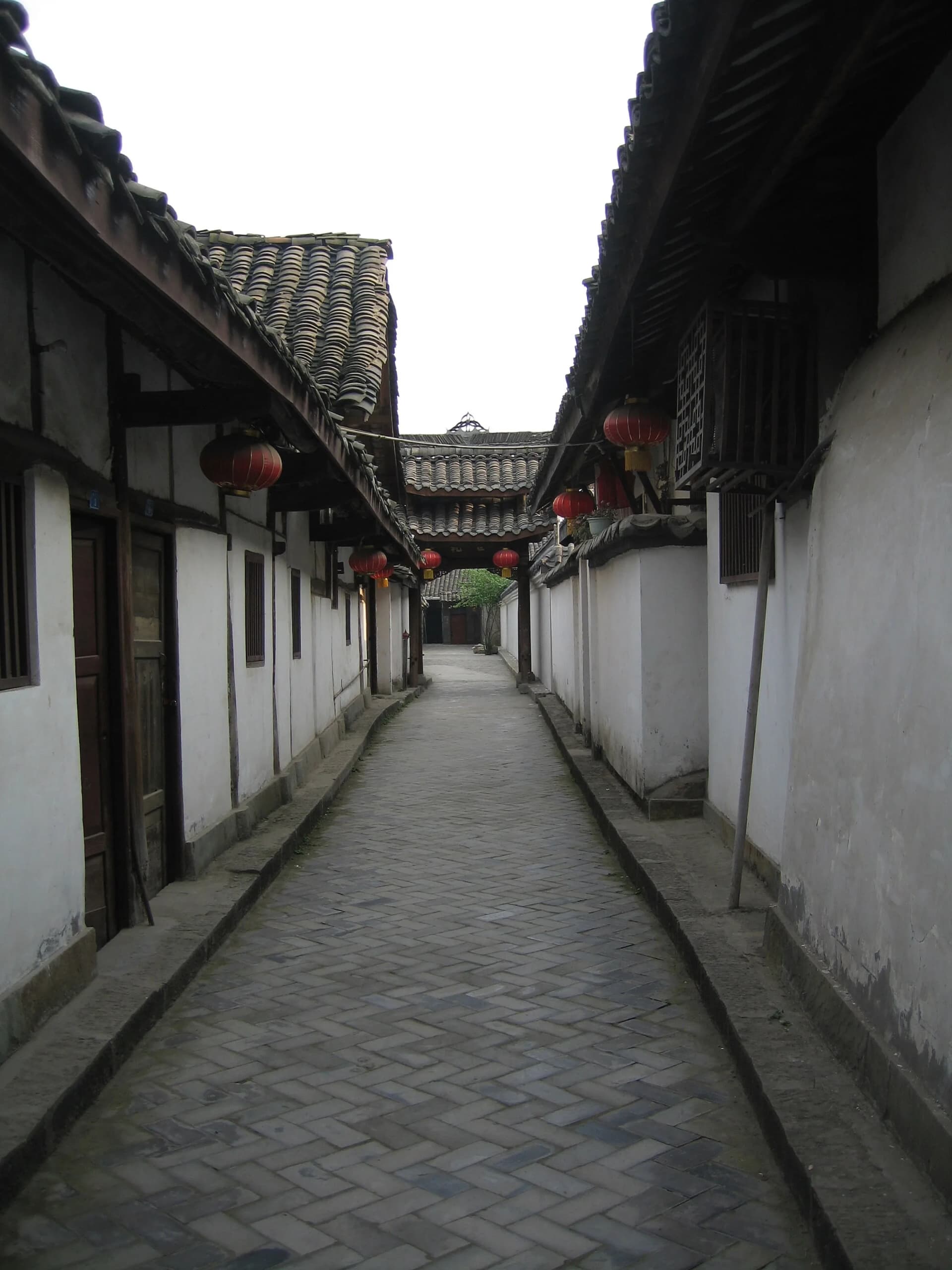
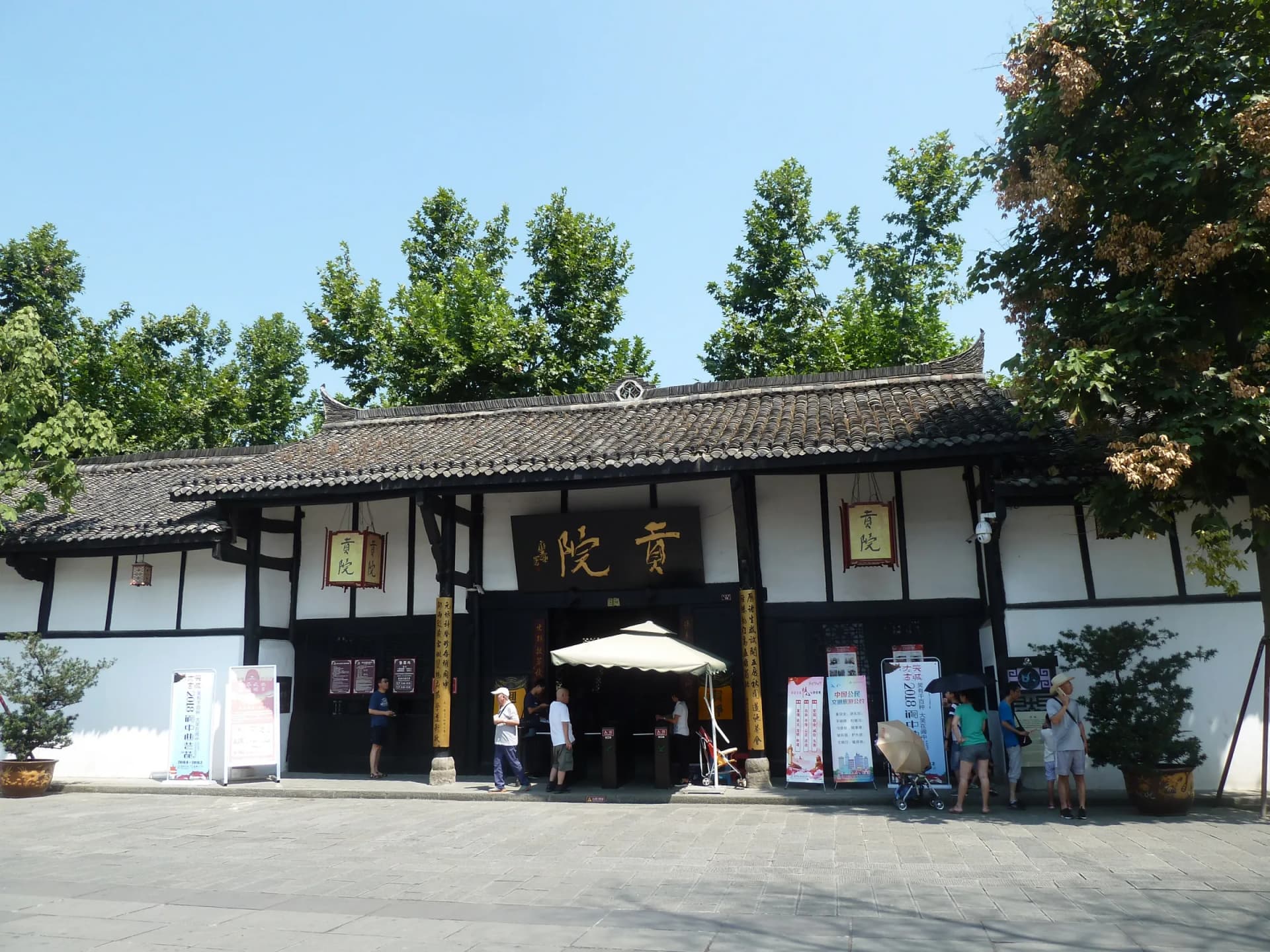
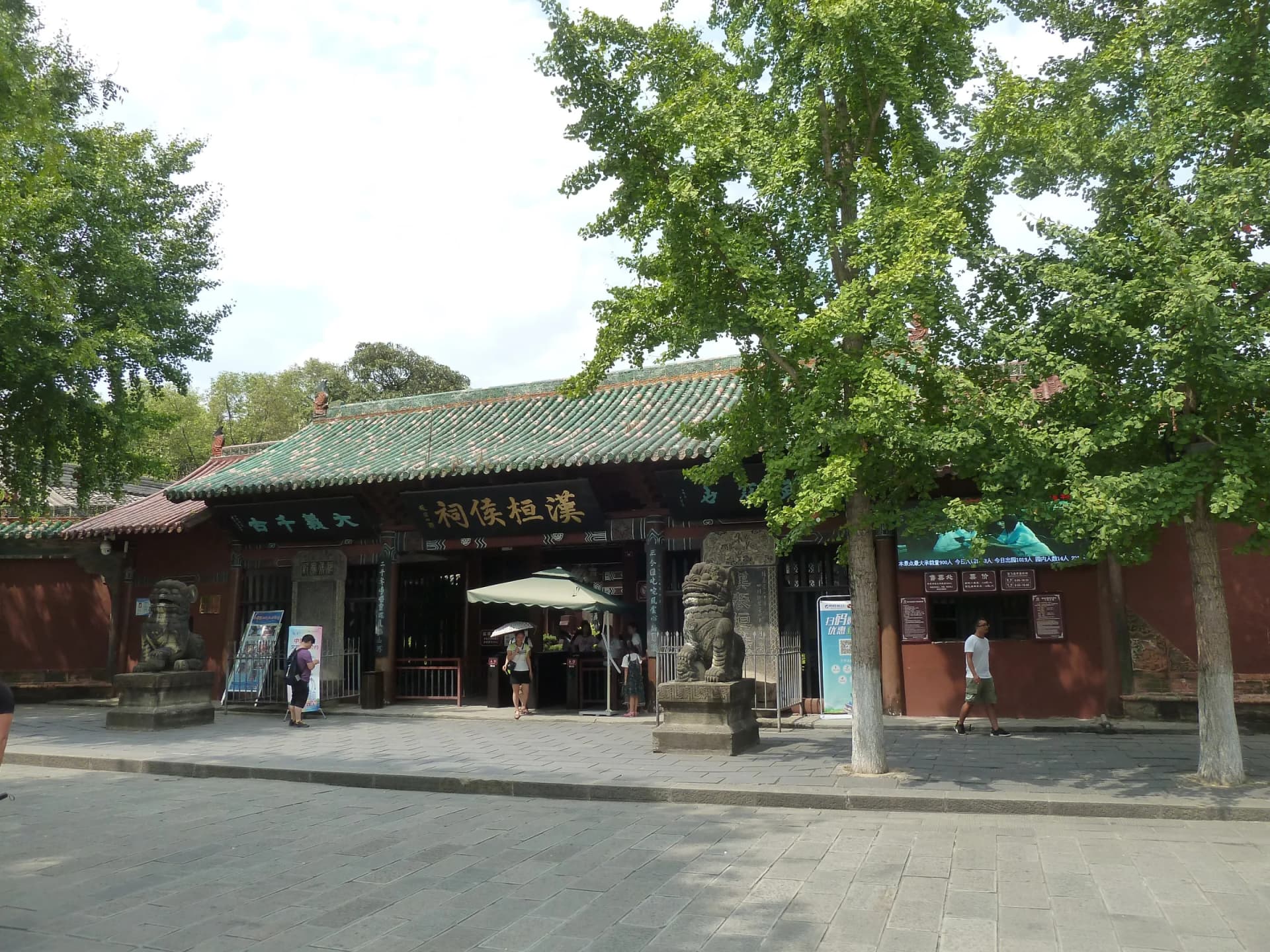
Cloudy weather can still give a readable river shape, but heavy haze removes the main value of the trip. If visibility is poor, stay in the old city for the Gongyuan, Zhang Fei Temple or a lane walk, then reassess the overlook on another morning.
Fit it into a two-day stay
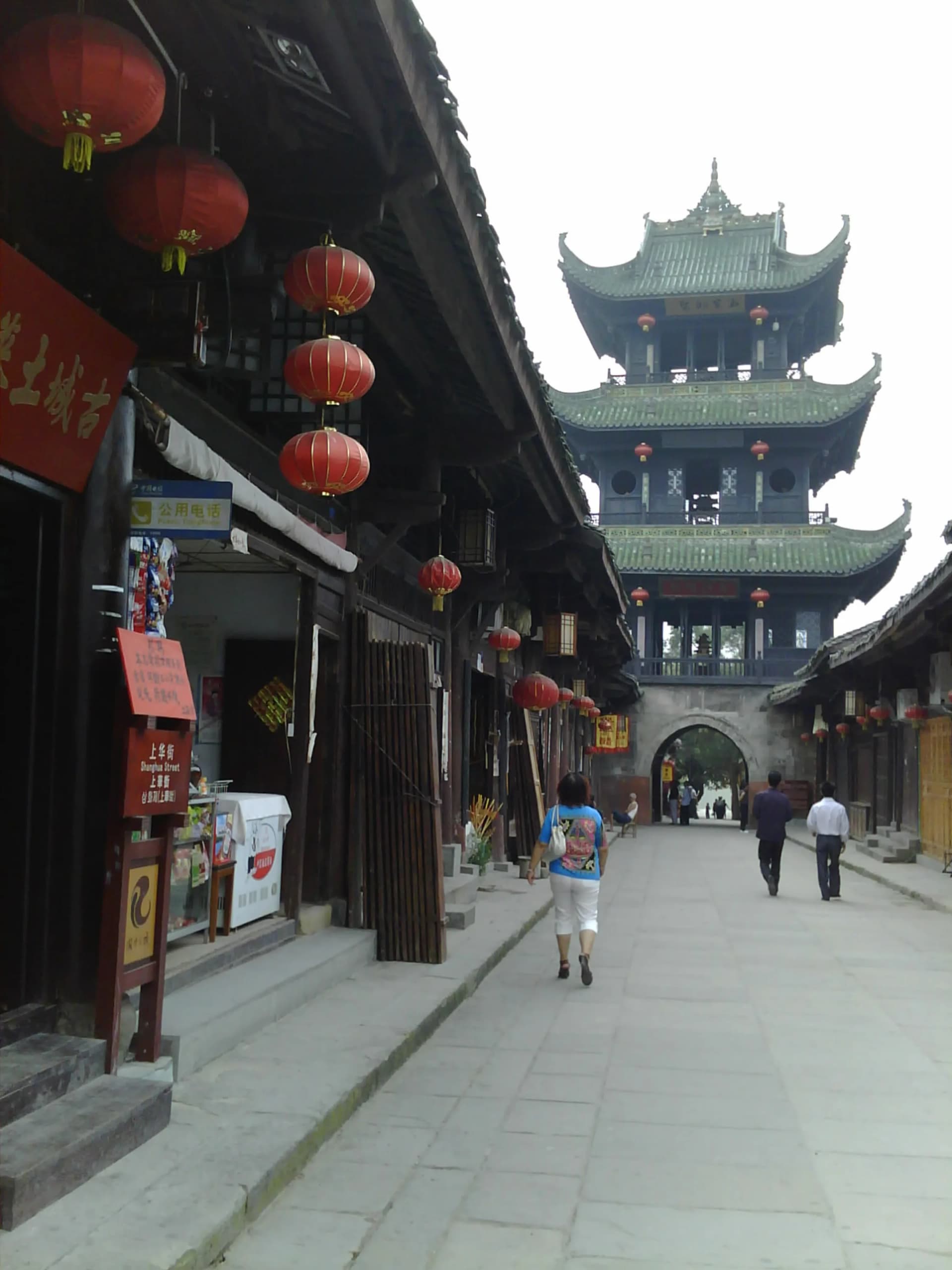
On day one, learn the street grid from one tower or central route. Use day two for a slow morning, lunch and a single cross-river overlook in the best available light. This sequence makes the hill view an explanation of places you already recognise, not just a distant panorama.
If you have only one day, choose the overlook only when visibility and transport are already confirmed. The old-city interiors close earlier and are harder to recover than a flexible public view.