Langzhong Gongyuan
The Sichuan Qing Dynasty Imperial Examination Hall (清代四川贡院), often called Chuanbei Dao Gongyuan, is one of Langzhong Ancient City's most instructive interiors. Its value comes from architecture: controlled gates, narrow examination cells, examiner spaces and courtyards turn an abstract civil-service system into a physical experience.
Allow 60–90 minutes for the compound. One hour is enough for the route below; add time only for a guided explanation or a current demonstration. It suits visitors interested in education, bureaucracy and social history. If those subjects leave you cold, the free old-city lanes and one tower may be a better use of a short visit.
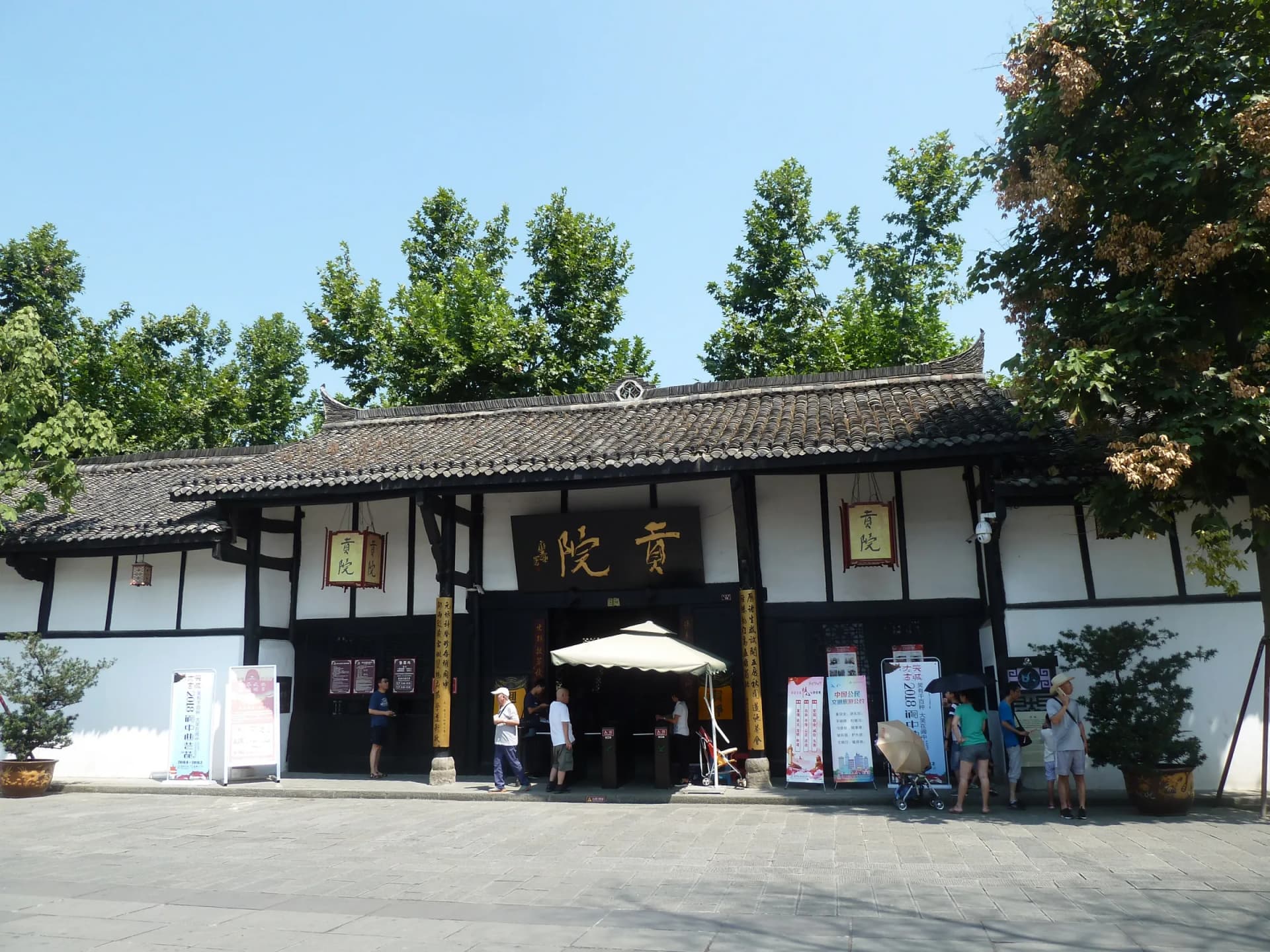
Photo: STW932 · Source · CC BY-SA 4.0
Walk the examination process in order
Do not begin with a costume prop. First establish what happened to a candidate:
- Entrance and Dragon Gate: imagine document checking, controlled entry and separation from the city. Read the current introductory plan before walking farther.
- Numbered examination cells: compare the tiny working space with the length and pressure of an examination session. Look at ventilation, light, surveillance and how candidates were separated.
- Roll-call and examiner halls: follow how papers, identities and discipline moved through the compound. Ask which structures or fittings are original, restored or interpretive reconstruction.
- Result and ranking displays: connect success to appointment, family status and the long years of education that preceded the exam.
- Social limits: finish by asking who could realistically prepare and participate. Interactive exhibits can celebrate achievement, but the historical system was not equally accessible by gender, wealth or social position.
The cells are often labelled with characters from the Thousand Character Classic, a practical numbering system rather than a set of personal room names. If a demonstration or school group fills the central court, start with the perimeter exhibits and return later.
Single ticket or Ancient City pass?
Walking the streets of Langzhong Ancient City is free; Gongyuan and several major interiors are ticketed. Recent visitor reports disagree on both pass price and exact membership, which is a warning not to copy an old “one-ticket pass” graphic.
Open the exact Sichuan Qing Imperial Examination Hall listing on Trip.com if Gongyuan is your only paid priority. Confirm the selected-date admission, passport or QR entry, last admission and cancellation. If you also want Han Huanhou Shrine, Confucian Temple, Chuanbei Daoshu and a tower, compare the official combined pass at checkout. Ask:
- which named attractions are included today;
- whether Zhongtian Tower and Huaguang Tower are both included or a choice;
- pass validity and whether each venue permits re-entry;
- whether performances or “mock examination” activities cost extra;
- whether a foreign passport can activate the QR or needs staffed entry.
Do not buy a pass simply because it is described as a discount. Count the interiors you genuinely have time to enter. For Gongyuan plus one tower only, individual admission may be cheaper and gives more freedom.
What to do with the mock examination
Costumed “candidate” activities can make the process memorable for families, but they are interpretation, not preserved Qing ritual. Ask for the duration, language, age suitability, fee and included photograph or certificate before joining. Never let a scheduled show replace the cells and examiner route.
A guide is worthwhile if they explain paper anonymity, invigilation, ranking and the compound's use within Sichuan. Avoid claims that Langzhong was the only surviving examination site; descriptions vary by category and preservation definition. It is enough to say that this is an unusually substantial preserved Qing examination compound.
Fit Gongyuan into a low-backtracking loop
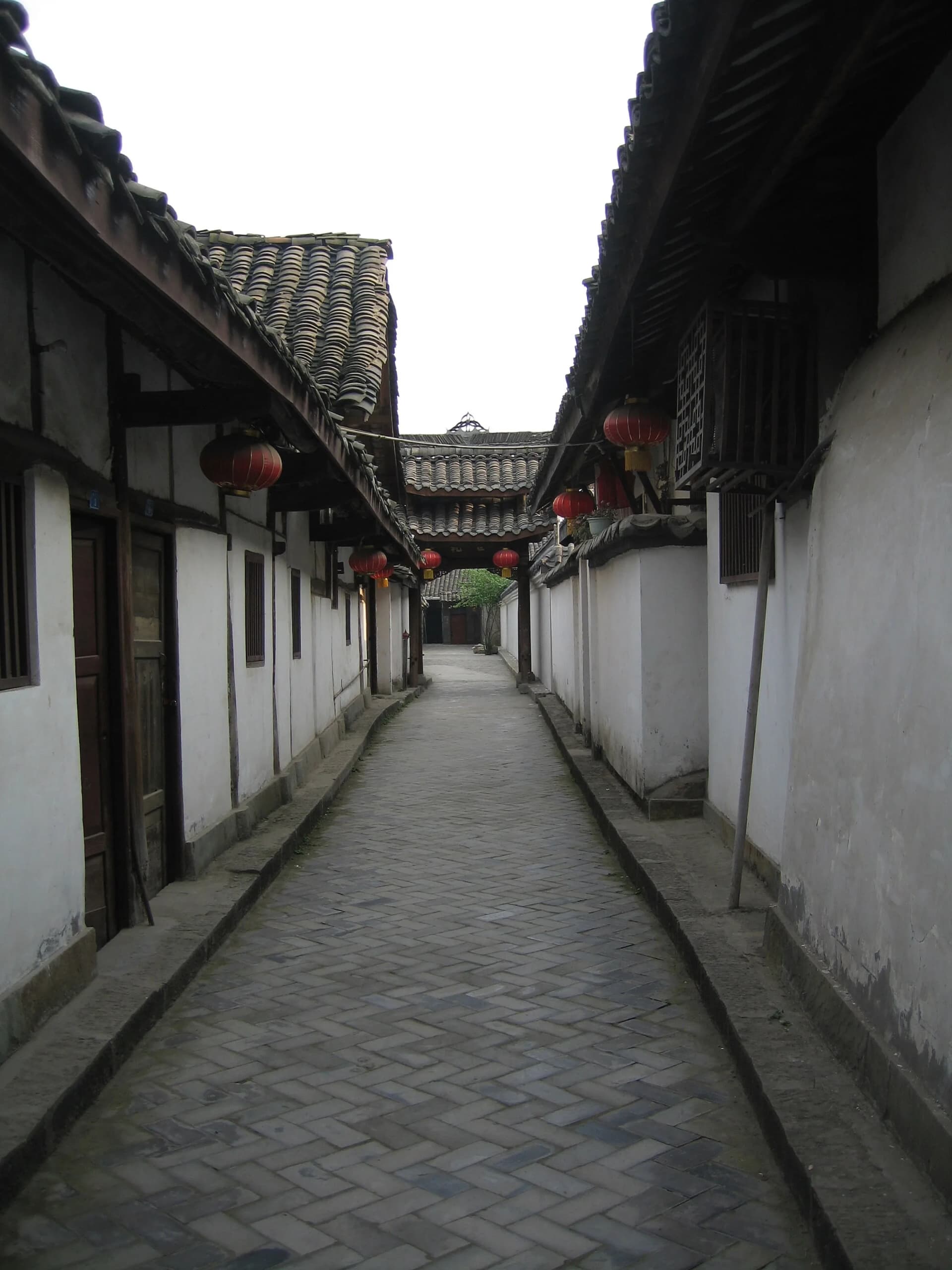
Gongyuan sits on Xuedao Street inside the old city. A practical walking sequence is Zhuangyuan Arch → Confucian Temple → Gongyuan → Chuanbei Daoshu → Han Huanhou Shrine → Zhongtian Tower → Huaguang Tower. The entire old-city circuit can reach 6–7 kilometres once lanes, interiors and the river edge are included, so do not mistake close map pins for a two-hour visit.
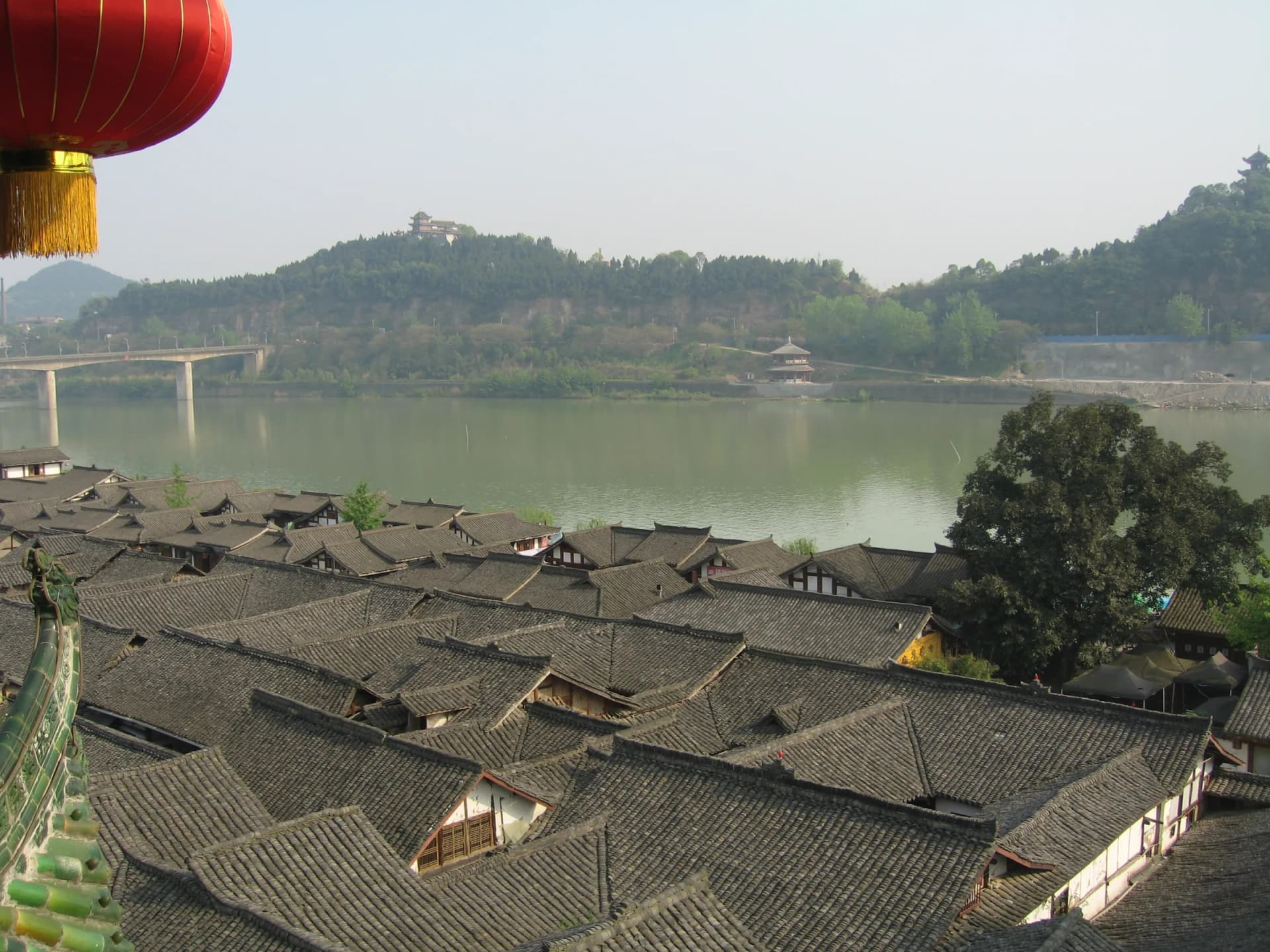
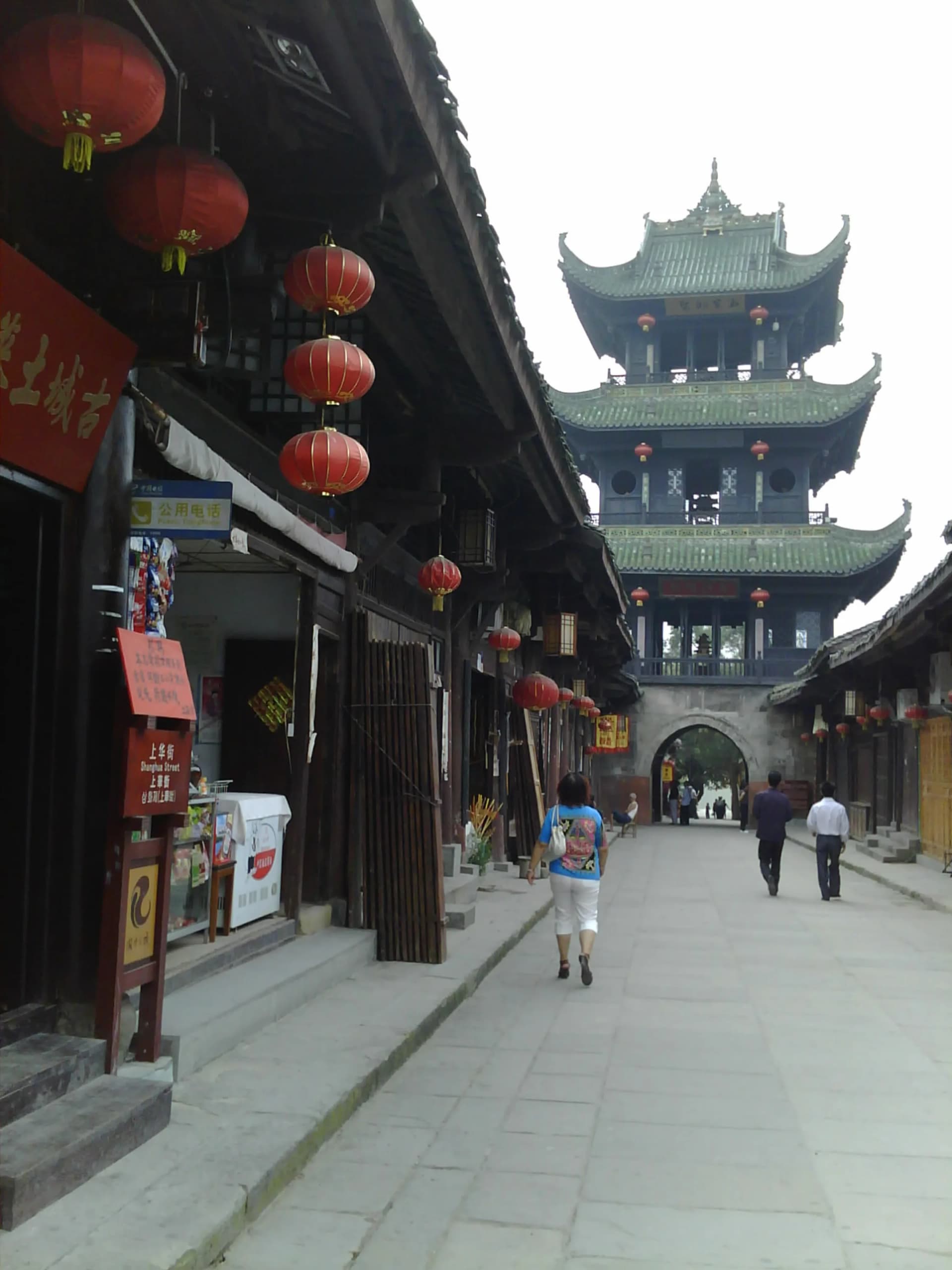
For a focused half day, choose Gongyuan, one adjacent administrative or ritual site, and one tower. Zhongtian explains the street grid; Huaguang gives the stronger river relationship. You do not need both viewpoints unless towers are a priority.
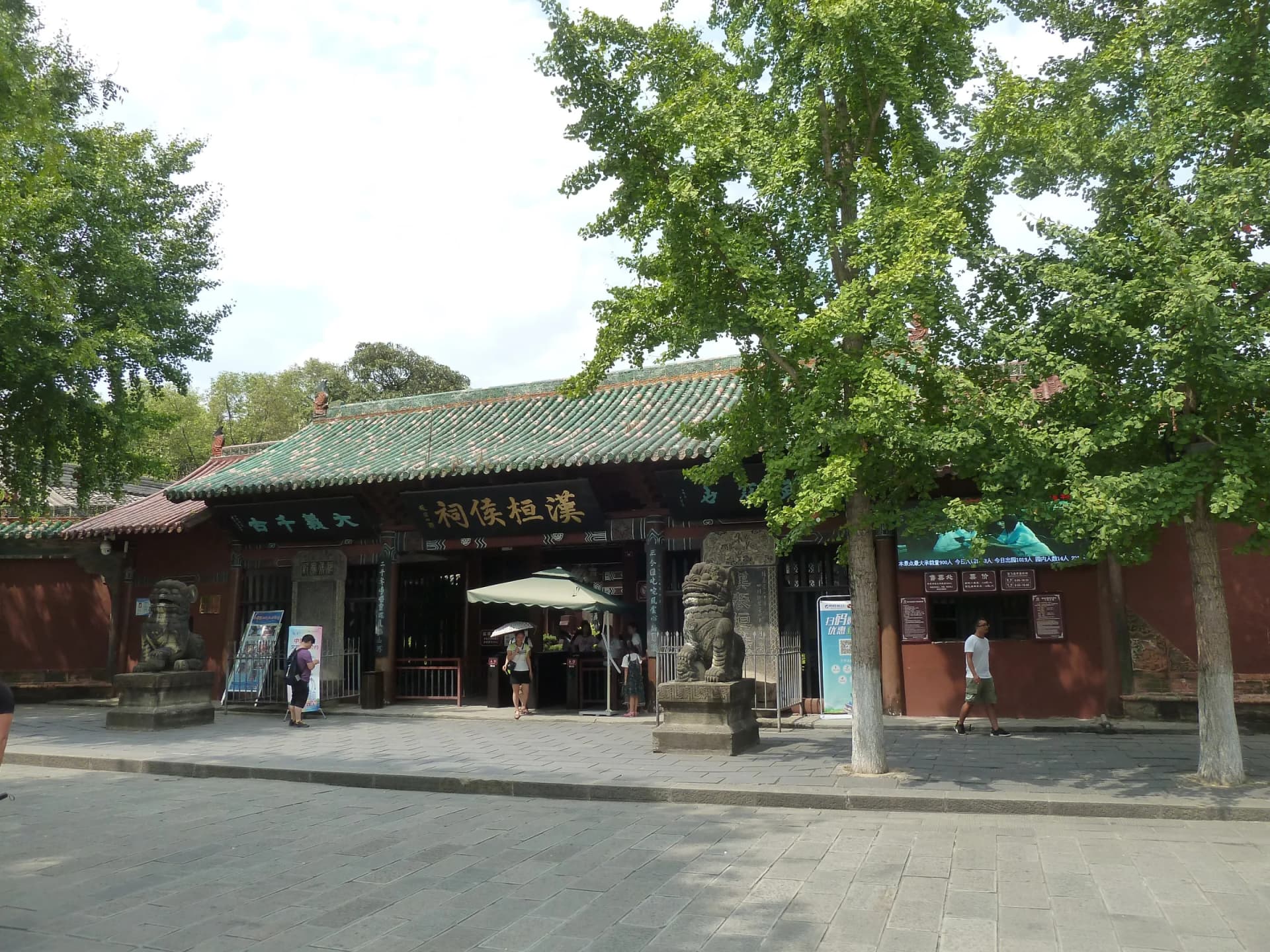
Continue to Han Huanhou Shrine if you want to contrast examination bureaucracy with Three Kingdoms memory. Use the broader Ancient City route for a full day. Cross-river overlooks need their own transport and daylight block.
Crowds, comfort and access
Stone lanes and thresholds reward flat shoes. The compound is smaller than it looks online, and tour groups quickly fill the cells, so arrive in the first session or use lunchtime for quieter reading. Summer heat builds in courtyards; carry water but keep food and drink outside exhibition rooms. Wet stone can be slick.
Ask staff for the current step-free route if needed. Historic thresholds and narrow cells limit full access, but the central courtyards may still provide a useful visit. Photography and costume rules vary by room; follow signs, never use flash on sensitive material and do not block a cell entrance for a portrait.
Schedules, demonstrations and pass composition change on holidays. Check the venue or Ancient City operator on the day rather than planning around an influencer's exact timetable.