Jingdezhen ceramics workshop route
The best Jingdezhen craft trip begins with one decision: do you want to shape clay, decorate a prepared piece, or understand how the city makes porcelain? Those are different experiences. A 90-minute wheel session can be satisfying, but it does not compress drying, trimming, glazing and kiln firing into the same afternoon. Painting a prepared porcelain blank gives a beginner more control over the visible design, but it is not the same as making the vessel. A studio visit can teach more than either if your priority is process rather than a souvenir.
This guide builds a workshop around the city rather than trying to turn every ceramics district into one long market crawl. Two days are enough for one serious making session, one buying comparison and the imperial-production context. A third day is useful only when it has a single purpose: a confirmed Sanbao studio or a dated Lotte Ceramic Society market. The broader Jingdezhen city guide covers museums, historic kilns and rural heritage in more depth.
If pottery is only one of several possible craft experiences, use the national hands-on heritage chooser to compare it with tie-dye, textiles, kite making, demonstrations and museum interpretation before adding another city.
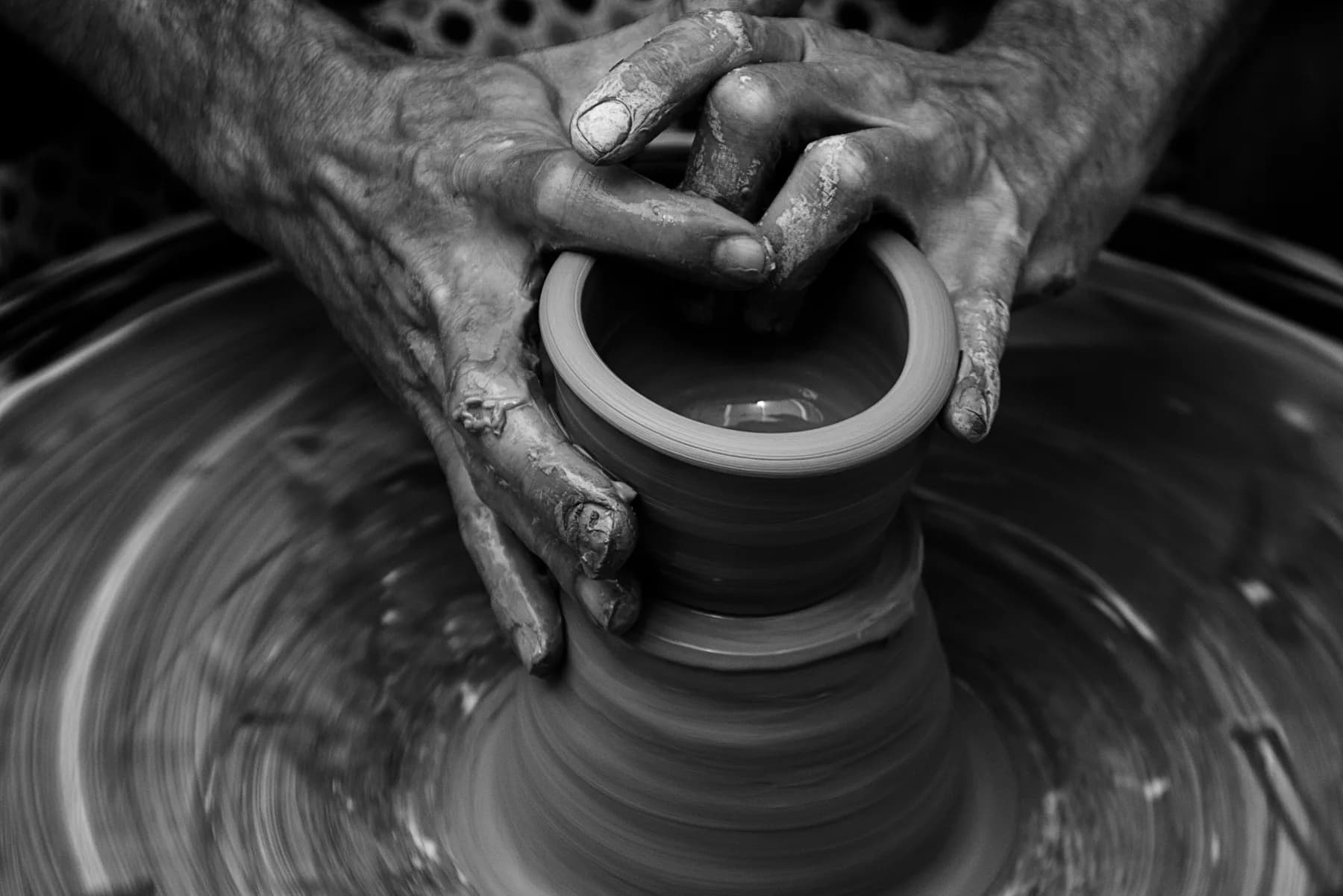
Wheel throwing is one forming stage; the piece still needs controlled drying and later workshop work before it can be fired and shipped. Photograph by Quino Al, CC0 1.0.
Choose the process before choosing the studio
| Experience | What you actually do | Best for | Hidden dependency | Typical route role |
|---|---|---|---|---|
| Wheel throwing / 拉坯 | Center wet clay and pull a rotational form | Travelers who want physical technique and can accept imperfect symmetry | Drying, trimming, glazing and firing happen later unless the class explicitly includes them | One protected half-day with a checkout buffer |
| Handbuilding / 手捏、泥条、泥板 | Pinch, coil or join slabs without relying on a spinning wheel | Children, mixed-skill groups and people who prefer sculptural forms | Thick joins and complex forms need careful drying; size can turn a short class into a long one | Half-day for a modest piece; longer for a complex project |
| Underglaze painting / 釉下彩、画坯 | Paint a prepared unfired or bisque blank, depending on the studio process | First-timers who care most about the final image | The studio still controls glaze application and firing; colors can change after firing | The easiest workshop to combine with same-day browsing |
| Studio observation or demonstration | Watch forming, trimming, decorating or kiln work and ask process questions | Travelers who want knowledge more than a personal object | Public access and photography require permission | A confirmed appointment, never a walk-in assumption |
The label “DIY pottery” is too vague to book from. Ask for the Chinese process name and the condition of the object at the start. 拉坯 means wheel forming. 修坯 is trimming or refining the formed body after it has stiffened. 施釉 is applying glaze. 烧成 is firing. 釉下彩 places the decoration below the glaze layer; it is not interchangeable with painting an already glazed, finished cup.
Jingdezhen Ceramic University's research institute describes forming, slip casting, glaze preparation, painting and glazing as distinct training stages. Peking University's ceramic-process exhibition similarly separates forming, decoration, glazing, drying and firing. That is why a visitor session can honestly include “making” while the studio completes most of the technical sequence after the visitor leaves.
If taking home your exact object matters more than technique, decorating a standard blank is the most predictable choice. If the feel of clay matters more than the finished result, choose wheel throwing or handbuilding and accept that cracking, warping, glaze variation and kiln loss are material risks rather than evidence that the experience failed.
The ten questions to settle in writing
Do not begin when the only agreed term is a doorway price. Send these questions in the booking chat and keep the reply:
- What is the exact process? Ask whether you form raw clay, paint a prepared blank, or work on a piece that staff have already thrown and trimmed.
- How much instruction is included? Request the teacher-to-student ratio and whether the instructor demonstrates centering, wall thickness and safe tool use or merely rescues the piece.
- What is the usable session time? Separate changing, explanation, selecting a blank, cleanup and photographs from hands-on time. Protect at least 30 minutes after the advertised finish before a train, museum booking or dinner reservation.
- How many pieces and how much material are included? Ask what happens if the first wheel attempt collapses, and whether the studio fires every attempt or only one selected piece.
- What happens after the session? Write down who trims, dries, decorates, glazes and fires the work. Ask whether a glaze color choice is included and whether the studio may alter a structurally unsafe piece.
- How is firing charged? It may be per piece, size, weight, kiln space or a package allowance. Ask for the measurement rule before making an oversized form.
- When does the studio expect kiln completion? Get a date range and the event that starts the shipping clock. A busy kiln schedule, slow drying or a failed first firing can move it. Treat the answer as an estimate, not a fixed delivery date.
- What delivery is included? Confirm domestic or international destination, carrier, packing material, insurance, tracking trigger, customs form and whether shipping is billed now or later.
- What is the remedy? Ask what happens if the object cracks in firing, is lost before dispatch, arrives broken or misses the promised contact window. A remake is not equivalent to the object you made, so decide whether you would accept a remake, refund, studio credit or no remedy.
- How will your object be identified? Photograph it from several angles beside the order code. Keep the studio name, address, phone number, payment record and a second contact channel.
A receipt should separate tuition, blank or clay, glaze, firing, packing, insurance and shipping. Visitor reports repeatedly describe confusion when firing or postage was measured only after the piece existed. That is a useful contract warning, not a basis for publishing a “normal” price. Get a current all-in quote for your chosen size and destination.
A workshop-first two-day route
This version is for a first visit where making one object matters more than completing the city's museum circuit.
Day 1: Sculpture Factory session, then Taoxichuan
09:30–12:30 — booked workshop in or near Sculpture Porcelain Factory. Use the exact studio address, not only the campus pin. Open Sculpture Porcelain Factory in AMap. A three-hour block fits explanation, a modest wheel or handbuilding exercise, cleanup and written handoff. If the studio quotes less time, keep the block anyway; beginners lose time to centering clay, selecting a design and making shipping decisions.
12:30–14:00 — lunch and reset. Clay sessions are messy and surprisingly tiring. Wash properly before eating, change a wet or clay-marked layer, and avoid carrying purchases while your hands and attention are still occupied.
14:00–16:30 — browse Sculpture Factory deliberately. The Sculpture Factory guide explains its mix of workshops, shops, production stock and temporary events. Compare maker identity, material, firing, intended use, defects and shipping rather than treating every shelf as equivalent handmade work. Lotte, Letaohui and ordinary factory shops are separate market layers, not interchangeable names.
17:00 onward — Taoxichuan for contemporary design and industrial reuse. A fresh AMap plan puts the two pins about 2.0 km apart, roughly 27 minutes on foot or 12 minutes by car before live traffic. Walk only with light hands and suitable weather. If you bought fragile pieces, take a car and leave them at the hotel first.
Use the Taoxichuan AMap pin and the separate Taoxichuan guide. Choose one live exhibition or event and compare contemporary work with what you saw earlier. Taoxichuan is a creative district, not a promise that the same market operates every evening.
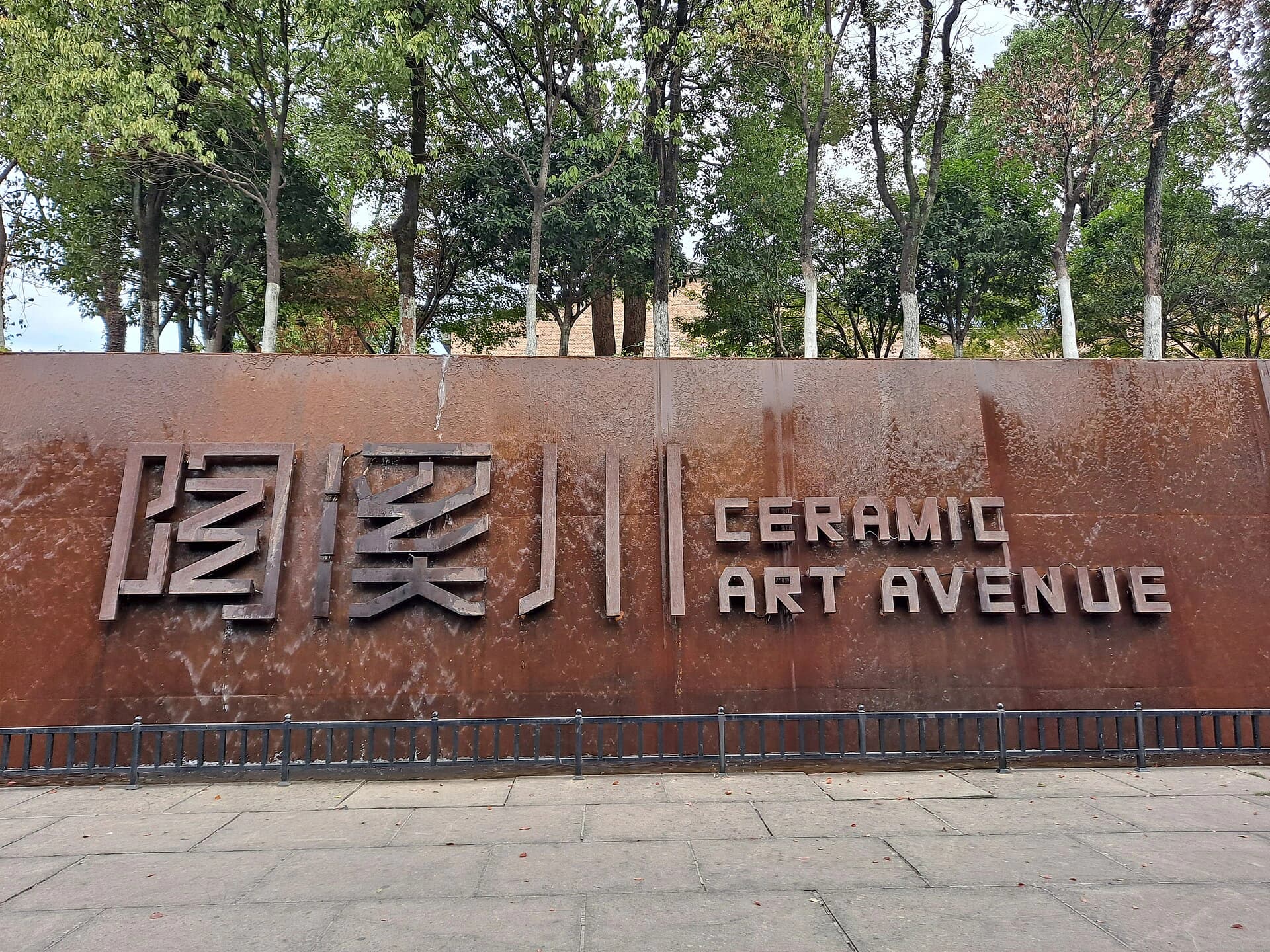
Photo: EditQ · Source · CC BY-SA 4.0
Taoxichuan is the contemporary comparison after a workshop day; check its live exhibition and event programme rather than assuming a standing market. Photograph by EditQ, CC BY-SA 4.0.
Day 2: imperial production context, then a delivery audit
09:30–13:00 — Taoyangli and Imperial Kiln Museum. Use the entrance named on the live booking: Taoyangli Historic District in AMap or Imperial Kiln Museum in AMap. This is where workshop vocabulary becomes a production story: kiln remains, porcelain waste, lanes, museum architecture and the organization of imperial making.
Read the dedicated Taoyangli and Imperial Kiln Museum guide before fixing the time. Museum access, scenic-area access and night products can use different gates or ticket logic. Check the exact Taoyangli listing on Trip.com only as a booking comparison; the official live rules control the ticket, included sites and accepted document.
14:30–16:00 — review, pack and resolve open workshop terms. Do not fill the final afternoon with another remote district. Use it to collect any take-home purchase, confirm your fired-work order, photograph the receipt, and ask the studio to restate the expected kiln-completion and tracking steps. If you depart today, move your luggage before returning to a workshop lane.
16:00 onward — optional old-city walk or a second Taoxichuan programme. Keep this flexible. AMap's current plan between Taoxichuan and Taoyangli is about 2.8 km / 38 minutes on foot, 4.1 km / 26 minutes by car, or 32 minutes by mapped transit with about 1 km of walking. These are planning snapshots, so rain, traffic and purchases should decide.
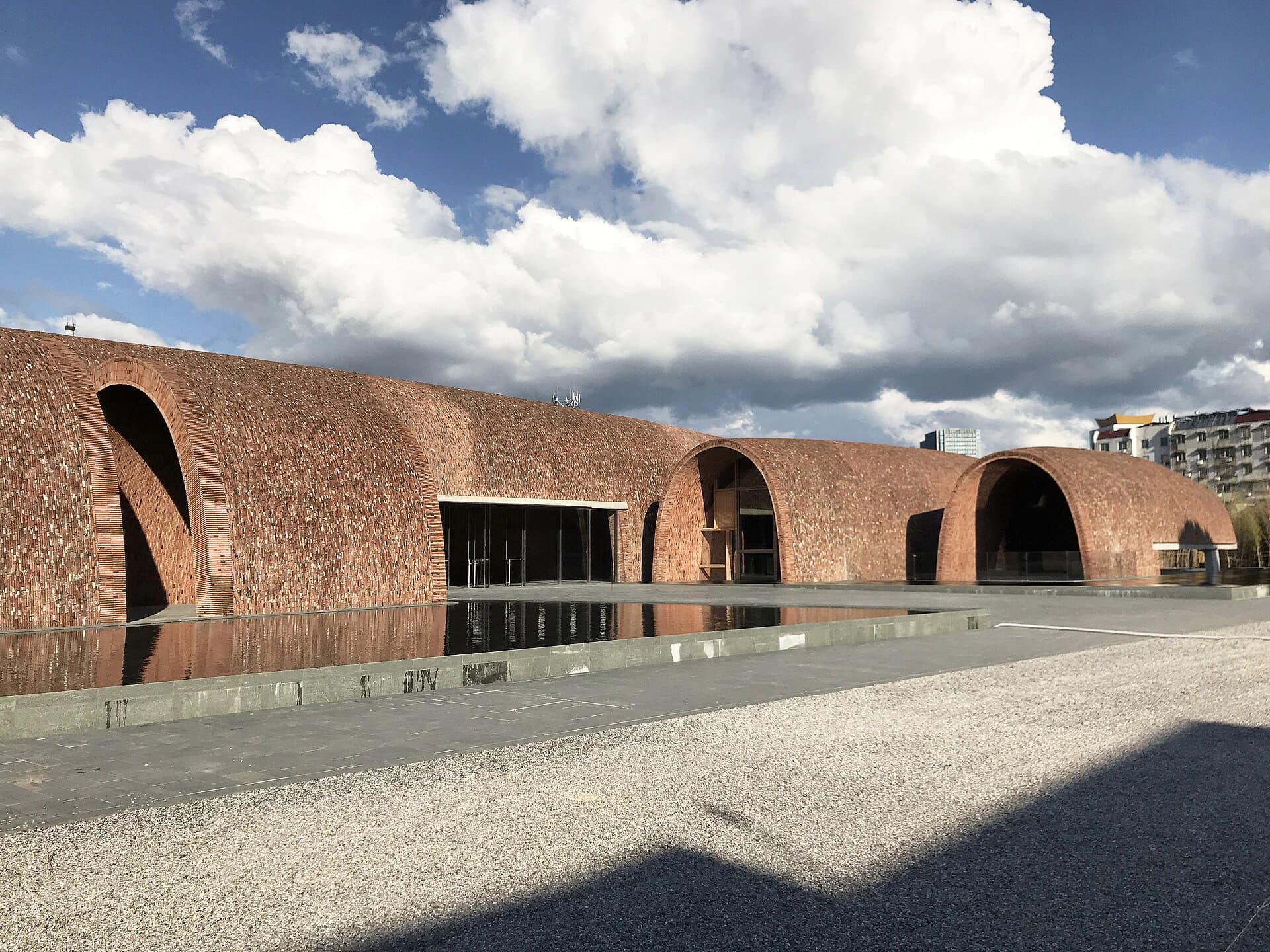
Photo: Zhu Pei · Source · CC BY-SA 4.0
The Imperial Kiln Museum makes more sense after you have learned the stages that a visitor workshop condenses. Photograph by Zhu Pei, CC BY-SA 4.0.
The three-day version: add one specialist branch
The third day is not permission to add every ceramics district. Choose Sanbao for a studio appointment or Lotte for a confirmed market session.
Branch A: one confirmed Sanbao workshop
Sanbao Valley is a long, lived-in creative district with private studios, homes, public art venues and working kilns along a constrained road. It is not one compact pedestrian attraction. Book one exact studio or public venue, save its Chinese name and pin, and agree on return transport before leaving the urban core.
The broad Sanbao International Pottery Village pin in AMap is only one possible anchor. A current route from Taoxichuan to that pin is about 8.1 km / 32 minutes by car; the mapped transit option is about 1 hour 5 minutes and still includes roughly 1.9 km of walking. Weekend or holiday traffic controls can change the correct drop-off and last kilometre.
Sanbao is strongest when the confirmed studio offers something the urban session does not: more sustained instruction, a particular material process, or a conversation with a maker whose work you already understand. It is weak as a random café-and-photo loop. Keep the afternoon light so a late class or difficult ride out does not threaten your train.
Branch B: a dated Lotte Ceramic Society market
Lotte Ceramic Society Creative Market (乐天陶社创意市集) is useful for comparing independent makers, but only when the organizer confirms a session on your date. A 2026 municipal event notice placed named Lotte dates at Shuangfeng Bridge in Xianghu. Some older profiles still associate Lotte with Sculpture Factory. Do not let that legacy wording choose your taxi destination.
Use the verified current Lotte venue pin in AMap and follow the full Lotte market planning guide. Confirm the dated ticket, gate, opening window and weather status the day before. A fresh AMap plan from Taoxichuan is about 13.0 km / 40 minutes by car. The mapped public-transport option takes around 1 hour 27 minutes and includes about 3.4 km of walking, which is poor geometry for a short market session.
Leave with a return plan. Save a public pickup point, start requesting the ride before the closing rush, and do not combine this outward morning with Sanbao. If no verified Lotte event exists on your date, stay in the urban route; do not travel to the venue hoping a market appears.
Market days and museum closures require separate checks
Jingdezhen has many markets, but a viral weekend schedule is not a city calendar. Taoxichuan designer events, Sculpture Factory's Letaohui and other markets, student fairs, Taoyang New Village activity and Lotte sessions have different organizers. Check the current organizer post or municipal event notice for the exact date and address.
The China Ceramics Museum can replace the Day 2 heritage block if you want a broad chronology and have confirmed the booking document flow. Its official notice published on 31 March 2026 lists Tuesday–Sunday opening from 09:00 to 17:00, last entry at 16:30, and Monday closure except statutory holidays. It names the Changyou Jingdezhen mini-program as the sole individual reservation channel, allows booking up to five days ahead and describes a physical mainland identity card as the entry credential. The notice does not publish a dependable foreign-passport route. Confirm acceptance before designing the day around it; otherwise keep Taoyangli as the core context stop.
Individual studios, galleries and museum rooms can close independently even when a district remains open. A public holiday can also replace a normal weekly pattern with special programming. Screenshot the live notice after rechecking it, but keep the source link so you can see a later update.
Firing and shipping: the object is still unfinished
Once you leave the workbench, the studio may need to dry, trim, bisque-fire, decorate or glaze, fire again, cool, inspect, pack and dispatch the piece. Not every object follows the same sequence, and kiln loads are scheduled in batches. The honest question is not “How many days does pottery take in Jingdezhen?” It is “What sequence will this studio use for this object, and on what estimated schedule?”
Before departure, create a small evidence pack:
- photographs of the work from front, side and top, with its written order code;
- a screenshot of the chosen glaze or decoration and any approved staff changes;
- a receipt showing every paid component and any later balance;
- estimated kiln-completion window and the date when you should follow up;
- domestic or international shipping address in the format the carrier will use;
- carrier, packing, insurance and declared-value terms;
- tracking deadline plus a backup contact if the sales account stops replying;
- firing-loss, breakage, remake and refund terms.
For international shipping, ask whether the studio actually handles your country rather than assuming “邮寄” means worldwide service. Ceramics are heavy, customs descriptions matter, and a carrier may exclude fragile breakage from ordinary compensation. If the studio cannot explain its international process, ship to a trusted domestic address or choose a finished piece that you can pack yourself. Never put a wet, unfired traveler piece in checked luggage.
Food-contact claims need restraint. A decorative glaze, a successful firing and an attractive cup shape do not by themselves prove that the item is suitable for hot drinks or repeated food use. Ask the maker for the intended use and any relevant material or testing basis. When that answer is unclear, treat the object as decorative.
Beginners, children and mixed-skill groups
Wheel throwing looks immediate on video but asks for stable posture, coordinated pressure and repeated cleanup. A beginner can have an excellent session without producing a thin, perfectly centered vessel. Choose an instructor who will let the learner feel the correction rather than silently replacing their hands for the entire process.
Handbuilding is often better for children because they can make a small animal, tile, cup or sculptural form without controlling wheel speed. Underglaze painting is the lowest-friction choice for mixed ages and for anyone who dislikes wet clay. Ask the studio about minimum age, guardian participation, tool and wheel guards, apron, hand-washing facilities and whether the quoted duration suits the youngest participant.
Keep the project modest. Thick walls, large attachments and elaborate handles create more drying and joining problems. Do not ask a child to sit through an adult-length painting session to justify the package price. Plan a snack, toilet and movement break, and bring clothes that can tolerate clay. People with hand injuries, back pain, skin sensitivity or limited sitting balance should describe the constraint before booking; a higher table, handbuilding station or painting session may work better than a low wheel.
The kiln area is a working environment, not an automatic visitor zone. Enter only with staff permission. Keep hair, scarves and loose sleeves controlled around rotating equipment, and do not handle glaze materials or tools that the instructor has not introduced.
Luggage, hotels and departure-day geometry
Stay near Taoxichuan for the easiest Day 1 evening and Sculpture Factory connection, or near Taoyangli / People's Square for old-city meals and the Day 2 heritage block. Compare Jingdezhen hotels on Trip.com, then verify the exact building, lift, vehicle access, luggage storage and whether it can receive a later domestic ceramics parcel.
Jingdezhen North Station is an arrival and departure node, not a useful craft base. A current AMap plan from Jingdezhen North Station to Taoxichuan is about 7.0 km / 17 minutes by car or 46 minutes by mapped transit with roughly 950 m of walking. Build extra time for live traffic, station security and the platform. Do not end a wheel session at the advertised time and expect to board a train 45 minutes later.
Leave rolling luggage at the hotel before entering narrow studio or market lanes. Buy fragile work after the messy workshop when possible. For pieces traveling with you, request separated wrapping, a rigid inner box and an outer box; inspect them before leaving the seller. Keep small high-value pieces in hand luggage within your airline or railway allowance, but remember that security and carrier rules still apply.
Respect the craft, the makers and the city
Jingdezhen's 2026 World Heritage inscription covers the mapped Jingdezhen Handicraft Porcelain Industry Sites as a serial property. It does not make every contemporary shop, commercial class or market stall a heritage workshop. Ask what is historical, reconstructed, contemporary or purely commercial rather than borrowing the UNESCO label for everything you buy.
Do not photograph a maker's sketchbook, mold, pattern library, price ledger or private workspace without permission. Ask before filming instruction or another customer's work. If you reproduce a sample, choose a basic teaching form rather than copying an independent artist's distinctive character, surface or composition. When buying, record the maker's name and process; “made in Jingdezhen” is geography, not proof that a named stallholder designed every piece.
In Taoyangli, Sanbao and working factory areas, remain on public routes and respect signed private doors, kiln barriers and residential space. A cracked shard, kiln tool or discarded mold is not a free souvenir. Leave archaeological material and workshop property where it is.
The route that works
For most first-time visitors, the strongest plan is simple:
- Book one clearly defined workshop at or near Sculpture Factory.
- Use Taoxichuan to compare contemporary design, not to repeat the same shopping.
- Add Taoyangli and the Imperial Kiln Museum for production context.
- Use the final afternoon to secure firing and delivery terms.
- Add Sanbao or Lotte only as a third-day branch with a confirmed appointment or event.
That sequence leaves room for the part visitors underestimate: turning a fun session into a finished object with a traceable handoff. The piece may still vary in fire, color or shape, but the route, booking and delivery should not be mysteries.