Kaifeng
Kaifeng was the Northern Song capital of Dongjing, one of medieval China's largest cities. Floods, war and rebuilding mean that very little of that metropolis still stands above ground. What visitors see today is a layered city: archaeological traces below modern streets, a small number of surviving monuments, later temples and guild halls, reconstructed historic attractions, and enormous parks that turn Song imagery into live entertainment.
That mixture is Kaifeng's strength, but it is also the source of most disappointing trips. Come for only “ancient architecture” and a performance park may feel artificial; book every popular show and the real monuments disappear between queues. A good first visit chooses one of three priorities—history, spectacle or craft—and knows which layer each stop represents.
Is Kaifeng right for you?
Choose Kaifeng if you like urban history, archaeology, architectural details, Chinese popular culture or large-scale historical shows. It also works well as a slower two- or three-night stop between Zhengzhou and eastern Henan.
Keep the visit short if you need extensive English interpretation, dislike reconstructed environments or do not want to plan around performance schedules. The city is compact on a map, but its museum, northern parks and outward craft route do not form one easy walking circuit.
Understand the five layers before booking
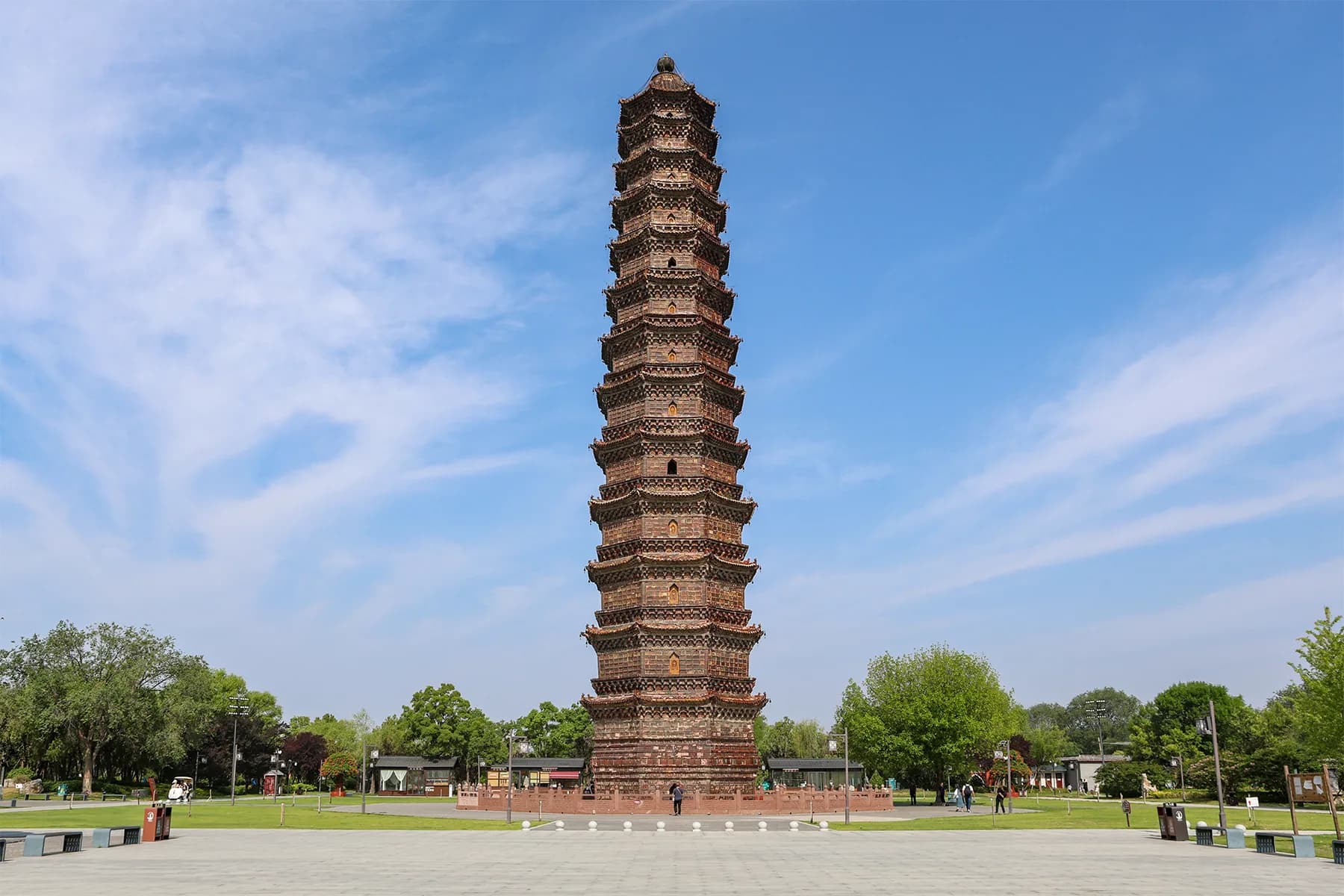
- Surviving Northern Song fabric: the Iron Pagoda is the clearest above-ground example.
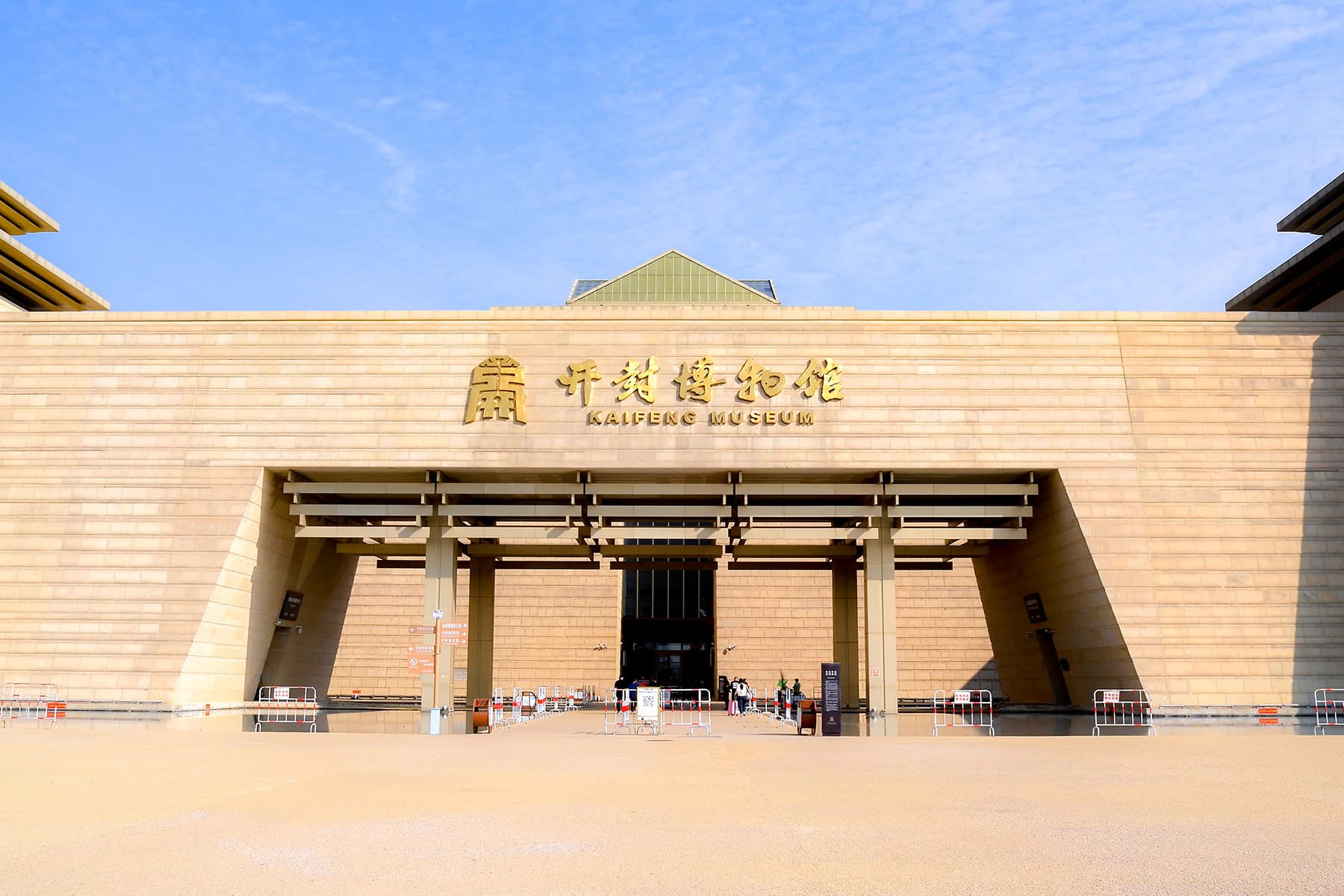
- Archaeology: buried roads, gates, walls and waterways explain why “old Kaifeng” is often invisible. Kaifeng Museum is the best first-stop explanation.
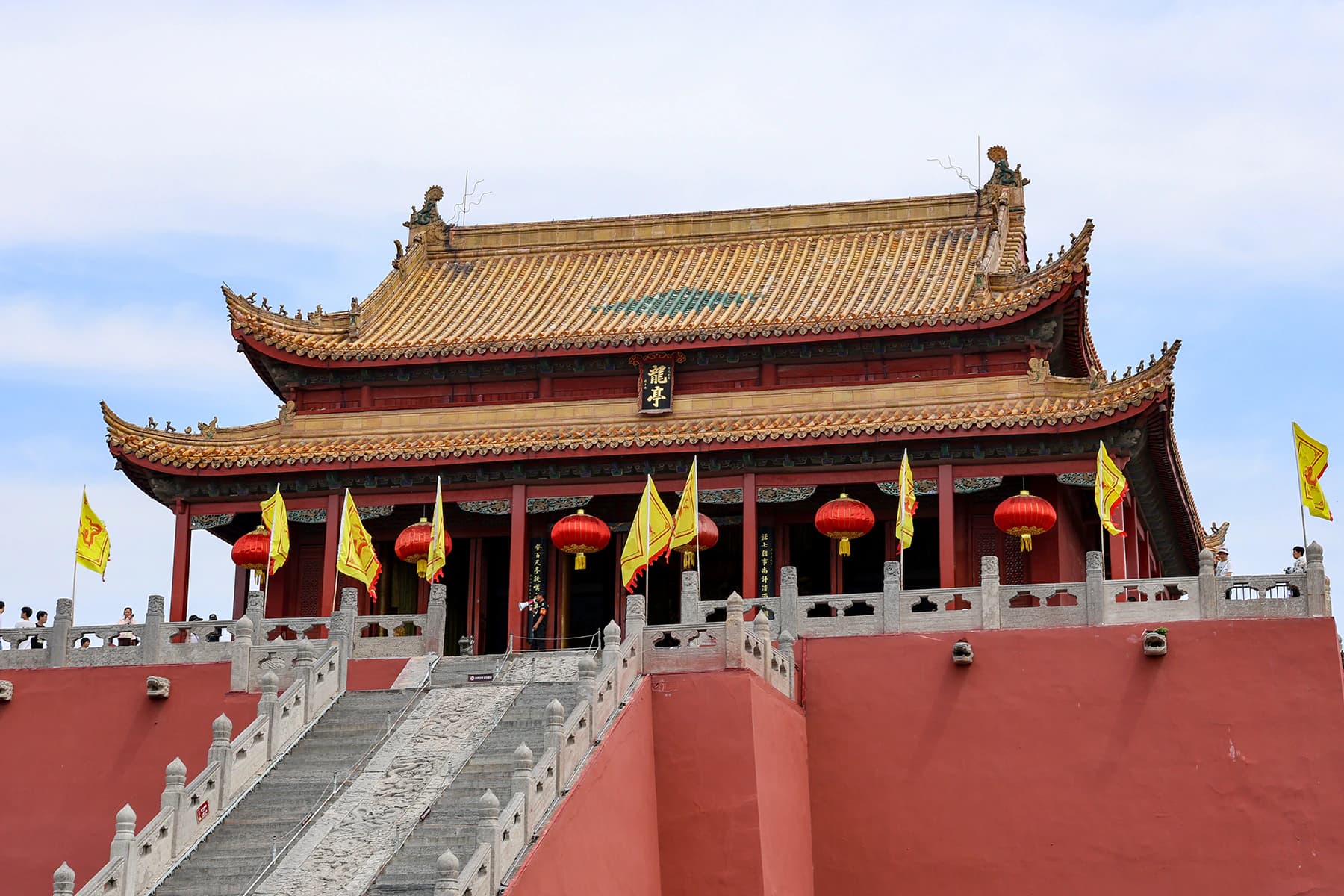
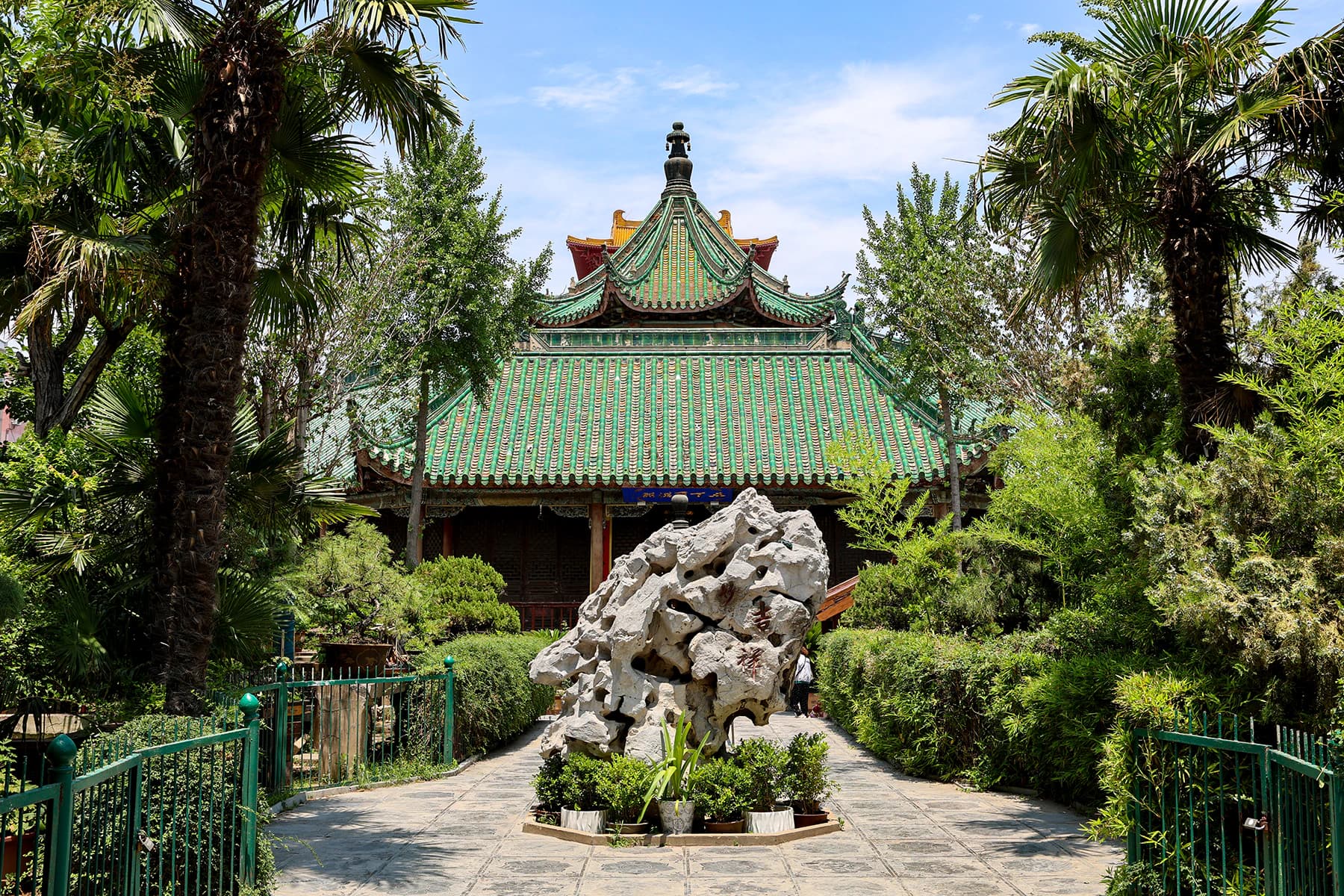
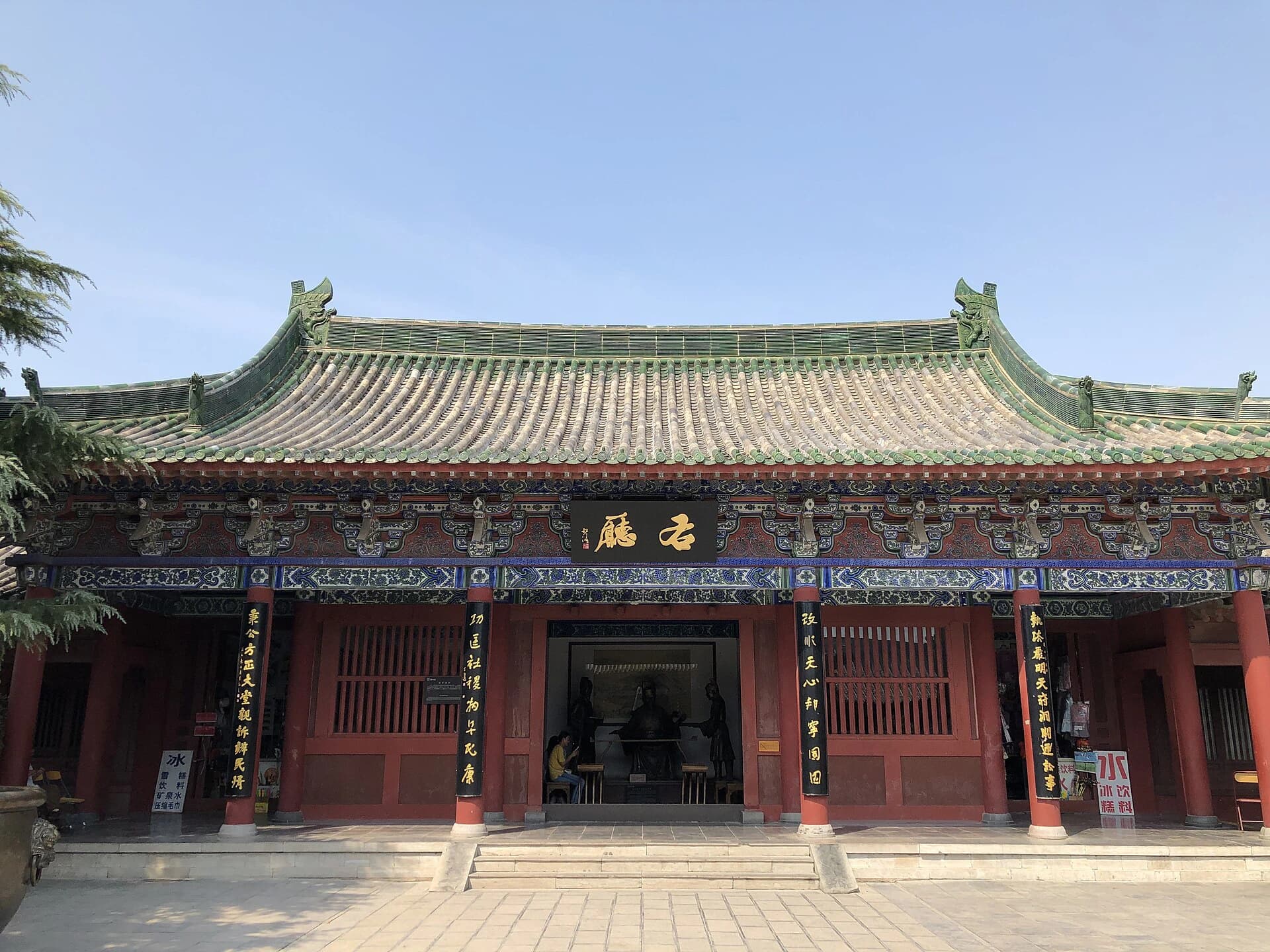
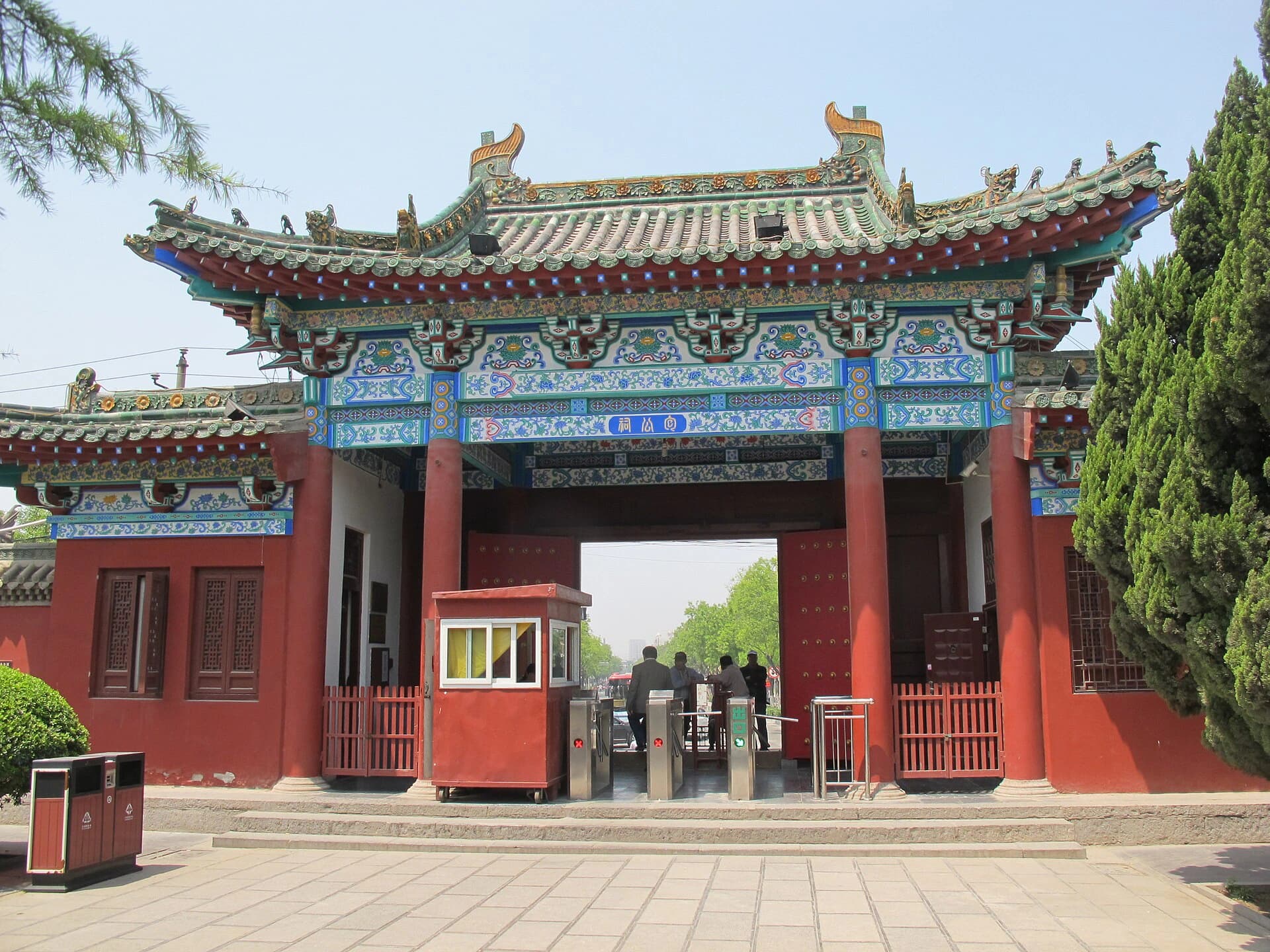
- Later historic buildings: Daxiangguo Temple, Dragon Pavilion and the Shanxi–Shaanxi–Gansu Guild Hall carry real history, but their visible fabric is not an intact Song city.
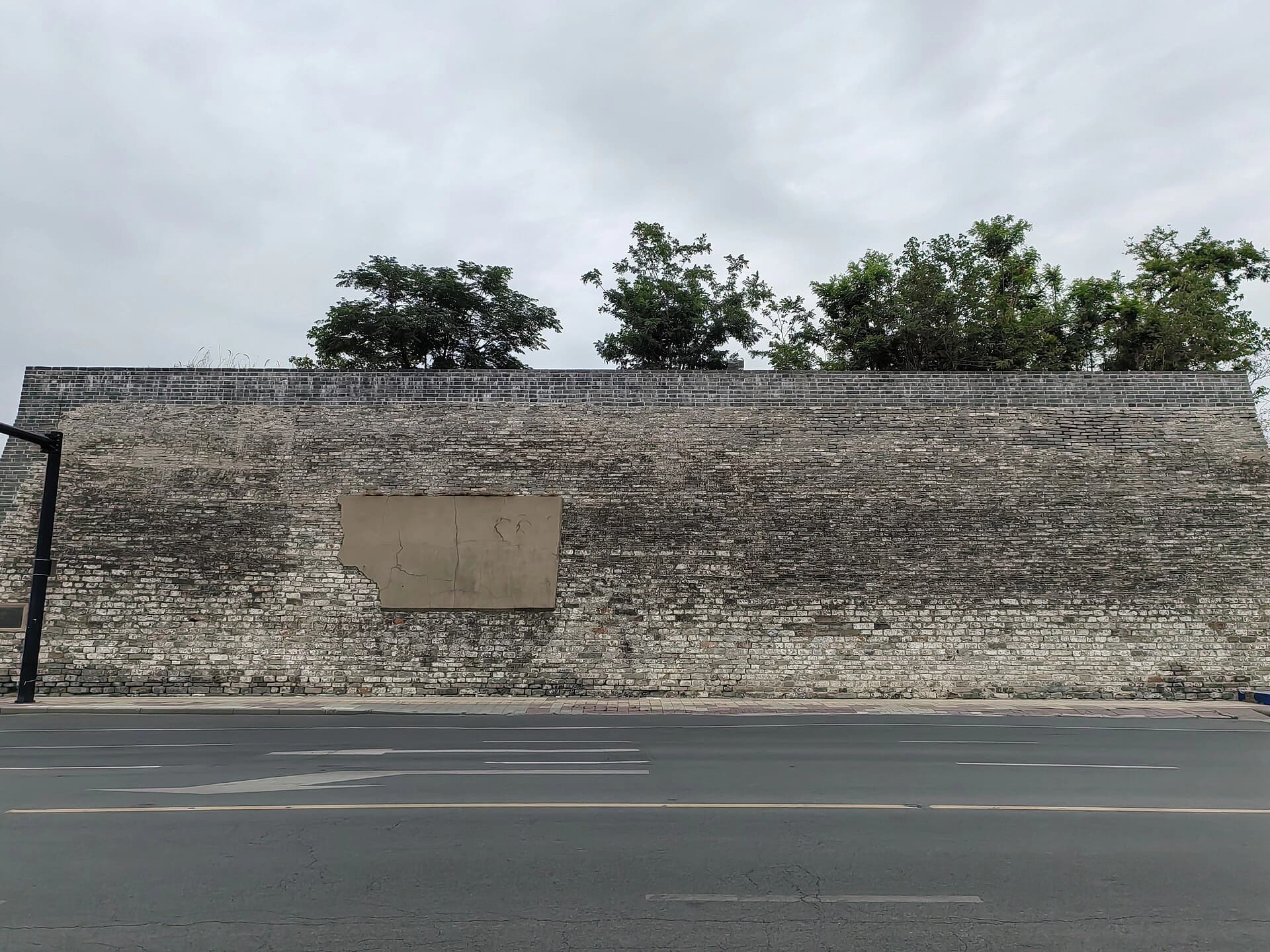
- Modern interpretation: Kaifeng Prefecture and much of the wall visitor experience reconstruct or stage earlier institutions.
- Immersive entertainment: Qingming Riverside Landscape Garden and Wansui Mountain are modern, performance-led parks. Their value is the show experience, not architectural authenticity.
The best plan by trip length
The three-day flagship preserves all three layers: museum evidence, surviving and later monuments, and one complete modern immersive product. It does not repeat Qingming Riverside across multiple days or count food and transport as places.
One day: choose one Kaifeng, not all of Kaifeng
For monuments, begin at the Iron Pagoda, continue to the Guild Hall for its wood, brick and stone carving, and finish at active Daxiangguo Temple. This gives three genuinely different objects without forcing a theme park into a heritage day.
For spectacle, spend the whole day at Qingming Riverside Landscape Garden. Select one or two priority performances before entering, build in a rest, and stay for the evening only if the live programme justifies it. Check the current Trip.com park product, then compare its inclusions with the operator's official schedule.
Two days: the strongest first visit
Day 1 — one immersive park. Use Qingming Riverside for a daytime route, evening route or headline production. Do not automatically add Wansui Mountain: both are large, crowded and performance-led, and visitor reports repeatedly show that seat positioning, costume changes and cross-park walking consume more time than expected.
Day 2 — monuments and interpretation. Start at the Iron Pagoda. Then choose Dragon Pavilion for lakeside landscape and an elevated old-city perspective, or the Guild Hall for a smaller but more concentrated craft visit. From the Guild Hall, Daxiangguo Temple is about 1.4 km or 19 minutes on foot in the checked AMap baseline.
Finish with either reconstructed Kaifeng Prefecture for institutional storytelling and a staged programme or Bao Gong Temple for a compact memorial. Travellers without a strong interest in Bao Zheng rarely need both.
Photo: Windmemories · Source · CC BY-SA 4.0
Three days: add evidence or living craft
Use Kaifeng Museum as the archaeology and city-history anchor. Focus on the galleries that explain urban layers rather than expecting every famous painting or object to be an excavated original; some displays use reproductions. The museum is in the western sector—roughly 10.4 km from Dragon Pavilion by the checked road baseline—so give it a half day instead of inserting it into the old-city walk.
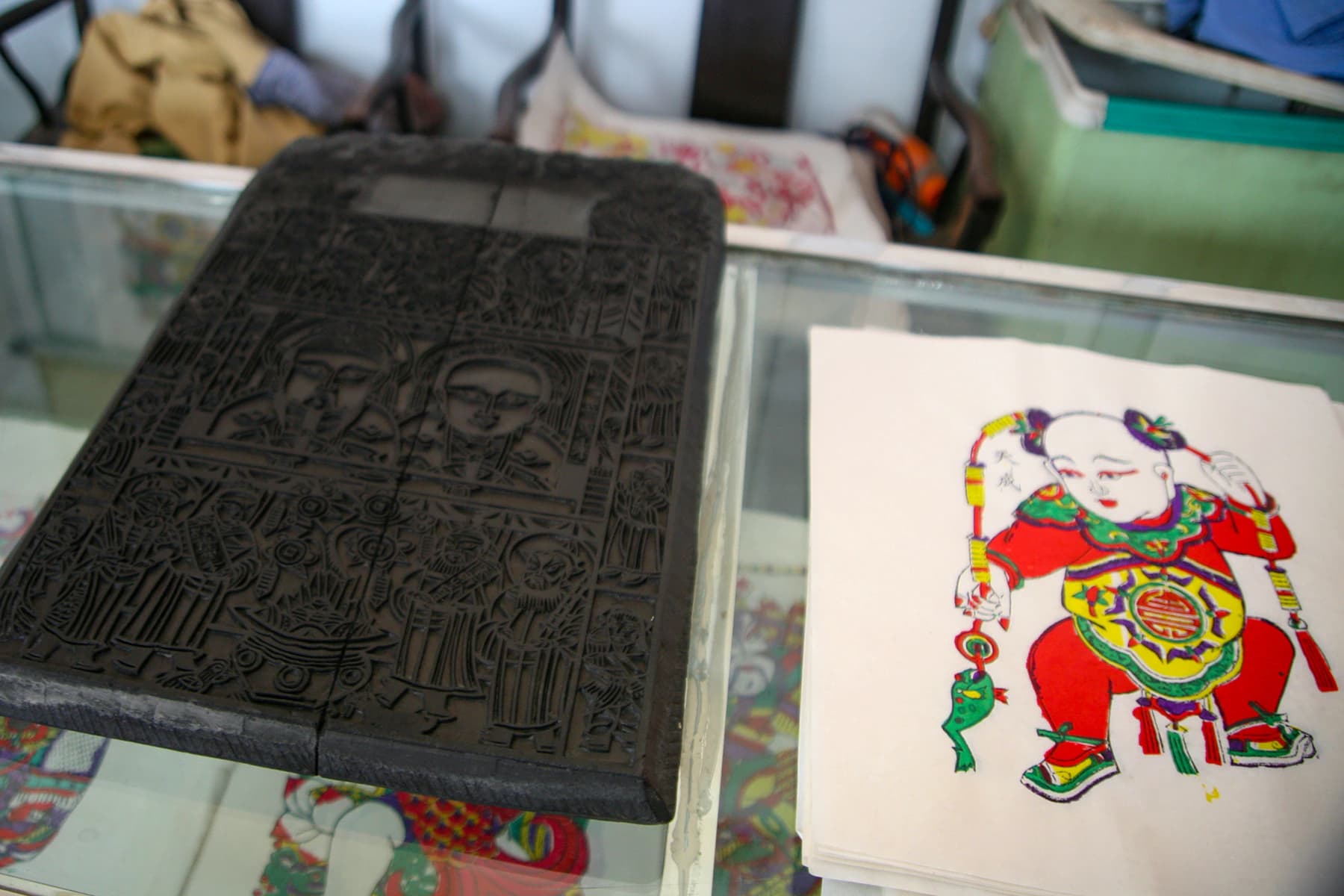
Alternatively, take the Zhuxian woodblock-print route. This is worthwhile only when a specific museum, shop or artisan has confirmed current access. Daxiangguo Temple to the print-museum anchor is about 22 km by road; verify the return before leaving, and treat Qifeng Geyuan as a separate commercial scenic product rather than proof of craft authenticity.
Where the city fits together—and where it does not
The old-city core around the Guild Hall, Daxiangguo Temple, Kaifeng Prefecture and Bao Gong Lake supports short walks or bike hops. Dragon Pavilion and Qingming Riverside sit farther north; the Iron Pagoda is east of them. Kaifeng Museum is west, while Zhuxian Town is a genuine outward excursion.
This geography matters after dark. Large shows release thousands of visitors at once, and repeated visitor reports describe scarce ride-hailing cars and shared bikes. Check a legal pickup point before the final performance, add a generous buffer, and do not plan a last-train connection immediately after park closing. Informal three-wheel vehicles have produced recurring price and safety complaints, so they are not the default.
Where to stay
For a first trip, stay in a well-reviewed hotel between the old-city core and the northern attraction belt. You gain easier access to restaurants and can reach both a monument day and a park day without changing hotels.
A park-gate room makes sense only when an evening show dominates the trip or a child needs a midday rest. Many nearby guesthouses are converted self-built homes, so read the newest reviews for window ventilation, bathroom drainage, street noise, stairs, taxi access and late check-in. Proximity alone is not a quality signal.
Kaifeng North and Kaifeng Railway Station are different arrivals. The North station handles many high-speed services but sits away from the historic core; the checked baseline to Qingming Riverside is about 10.6 km and 39 minutes by car before live congestion. The central Kaifeng station is closer to Daxiangguo Temple. Compare Kaifeng hotels on Trip.com and check China train tickets using the exact station name.
Eat by category, not by viral stall
Kaifeng is best sampled through several small orders: soup-filled buns, lamb or offal soup, hui-style noodles, four-flavour soup, fried snacks and shared Henan dishes. Strong salt, offal, rich broth and oversized portions divide visitors more than the shop name does.
Ask whether the displayed price is per bowl, portion or weight; confirm ingredients if you avoid offal, lamb, nuts or pork; and share one portion before ordering a tableful. Choose a busy, clean stall with a visible menu near your route rather than crossing the city for a queue that sells a common item. Night markets are atmosphere stops, not automatic proof of quality or heritage.
Weather, crowds and accessibility
Kaifeng's exposed parks and courtyards are demanding in summer heat. Put the Iron Pagoda, wall or outdoor temple courtyards early in the day, and save an indoor museum or hotel break for the hottest hours. During holidays, one headline show can require substantial waiting before it starts; cut a minor performance instead of sacrificing food, water or the exit plan.
Historic thresholds, reconstructed stairs and long park distances create different accessibility barriers. Ask each venue about step-free entrance, accessible toilets, wheelchairs, child carts and show seating on the day. “The scenic area is open” does not guarantee every hall, rampart, pagoda interior or performance is accessible.
Illustrated guides
The five decisions that make Kaifeng better
- Name the layer: surviving monument, archaeology, later historic building, reconstruction or performance.
- Limit a normal day to one major immersive park or one headline production.
- Use the museum to understand the buried city, not as an afterthought between central sights.
- Confirm passport fields, admission, worship rules, renovation, show times and re-entry on first-party channels.
- Give every wall segment, night exit and Zhuxian excursion an exact start, finish and return plan.