Daxiangguo Temple
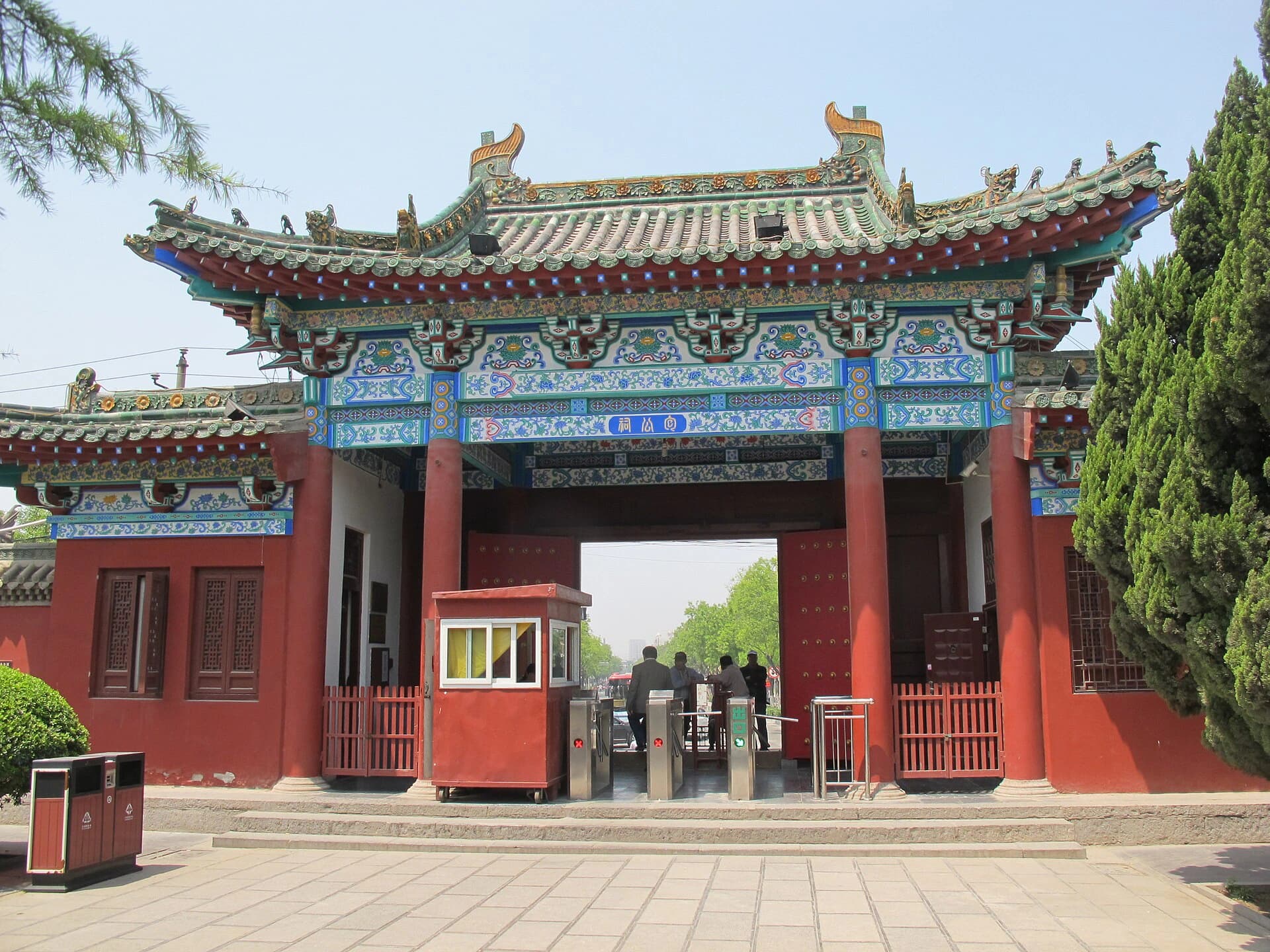
Daxiangguo has deep institutional importance and remains an active Buddhist temple. Repeated destruction and rebuilding mean that a long history does not make every visible hall Northern Song. The honest visit holds both truths together: this is a living religious institution with major historical associations, and most of the fabric a visitor sees belongs to later rebuilding.
The octagonal glazed hall and principal icon are the visual focus, but worship etiquette matters before photography or literary associations.
Use Daxiangguo Temple — open in AMap. The guild hall is 1.4 km / about 19 minutes on foot; Kaifeng Prefecture is another 1.4 km / 19 minutes.
A respectful 60-to-90-minute route
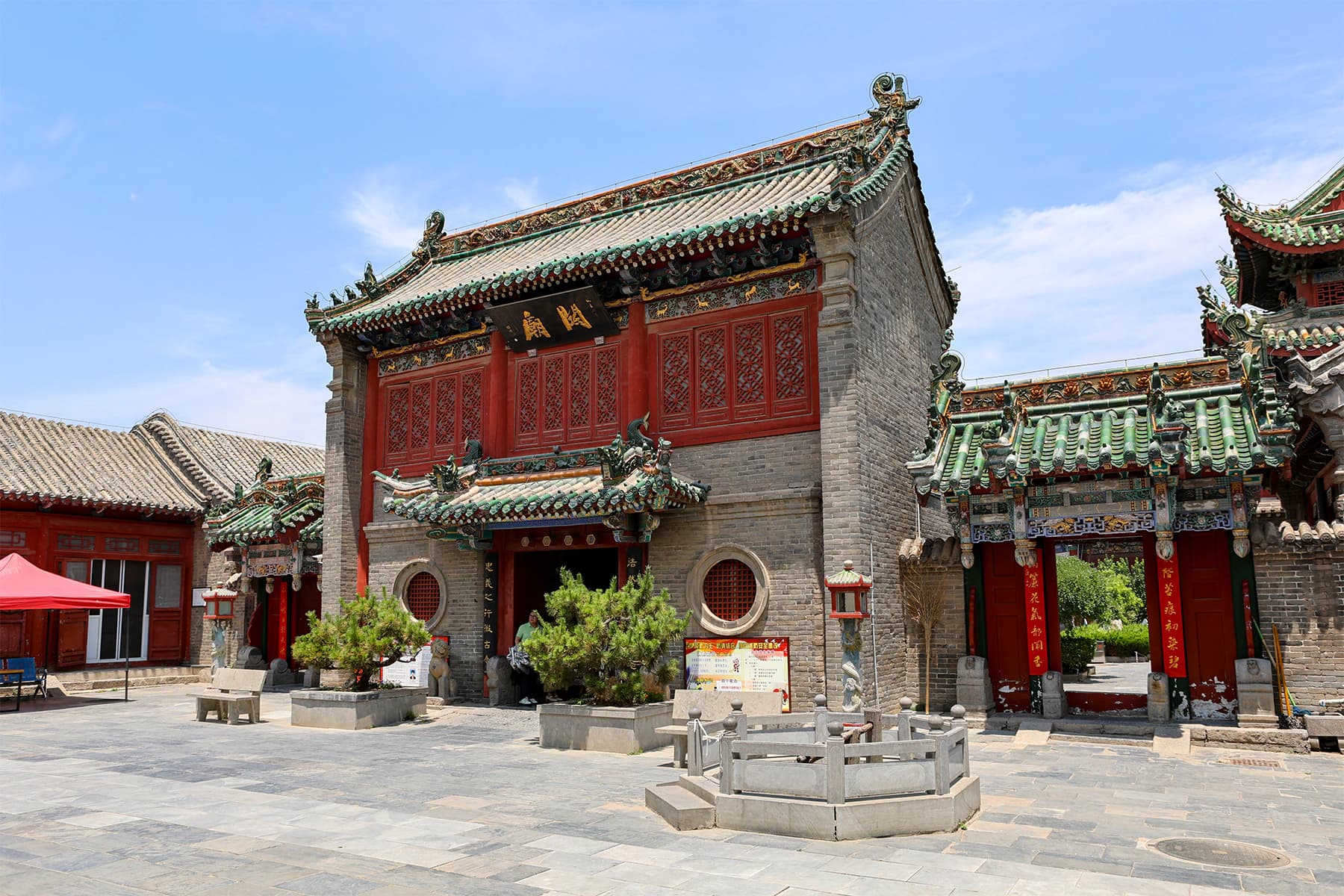
Enter quietly and follow the temple's current hall order rather than walking against a ceremony. At each courtyard, read construction and restoration dates before assigning a dynasty. Give the octagonal hall time: inspect its plan and external form before approaching the principal icon, then continue only through halls that are open to ordinary visitors.
One visitor found 60–90 minutes sufficient. Another stressed that the visible buildings are later rebuilding and that printed interpretation was limited. If interpretation matters, prepare a short institutional timeline or use a qualified guide; do not fill the gap with unverified legends.
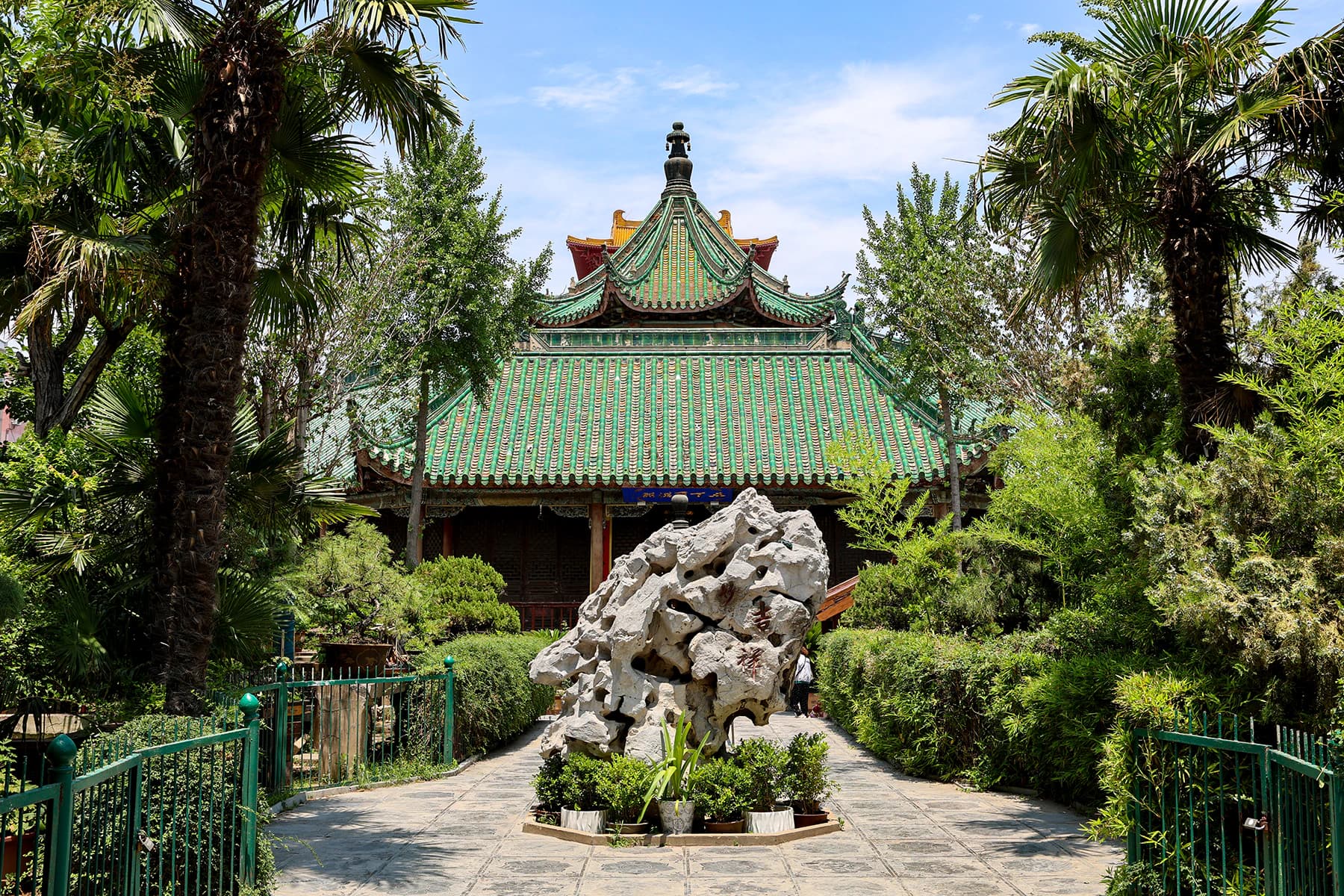
Photo: Windmemories · Source · CC BY-SA 4.0
Worship and photography
Worship takes priority. Dress with shoulders and torso covered, keep voices low and do not stand between a worshipper and an altar. Do not photograph the principal icon, a ceremony or individual worshippers unless the temple explicitly permits it. A recent visitor reported a no-photography rule for the principal icon; treat that as the safe default until staff say otherwise.
Incense is optional. Never assume an incense bundle, donation or blessing service is included simply because another visitor received it. Check open halls, ceremony controls, photography, passport entry and accessible surfaces on arrival.
History, literature and what survives
Separate three layers while walking:
- the temple's long institutional history and its role in Kaifeng;
- the later halls, images and restoration visible today;
- literary reception, including associations popularised through Water Margin.
The literary layer can enrich a visit, but it is not evidence that a story episode occurred in a surviving Song building. Similarly, an old name does not turn every commercial lane outside the gate into historic temple fabric.
Pairing and food
The guild hall is a practical architectural pairing, and the walk to Kaifeng Prefecture is manageable in suitable weather. Choose only one additional interpretive product if the day already includes a major performance park.
Nearby food streets require current business, ingredient and price-unit checks. Ask whether a price is per bowl, plate, skewer or weight and whether a dish contains meat, offal, alcohol or allergens.
Verdict
Strong for living religious culture, institutional history and later temple architecture. Allow 60–90 minutes, prioritise the octagonal hall and worship rules, and do not market the visible compound as untouched Song fabric.