Kaifeng Museum
Kaifeng is unusually easy to misunderstand because modern shows make the Northern Song capital feel visible while much of the archaeological city lies buried below later layers. The museum's best job is to separate excavated evidence, documented history and modern interpretation. It is not primarily a treasure-house of famous originals, and several recent visitors were disappointed by reproduction-heavy displays because they arrived expecting masterpieces.
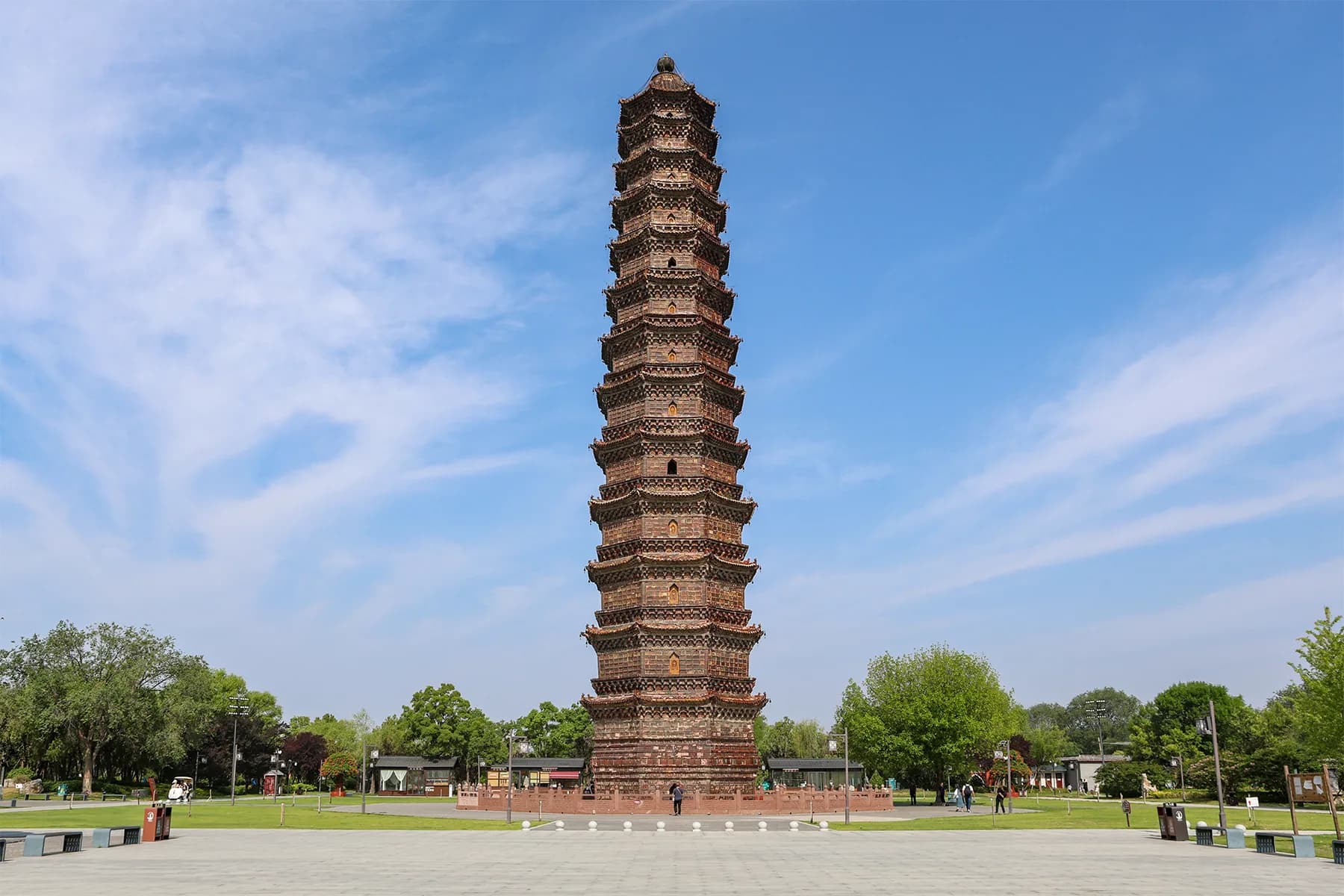
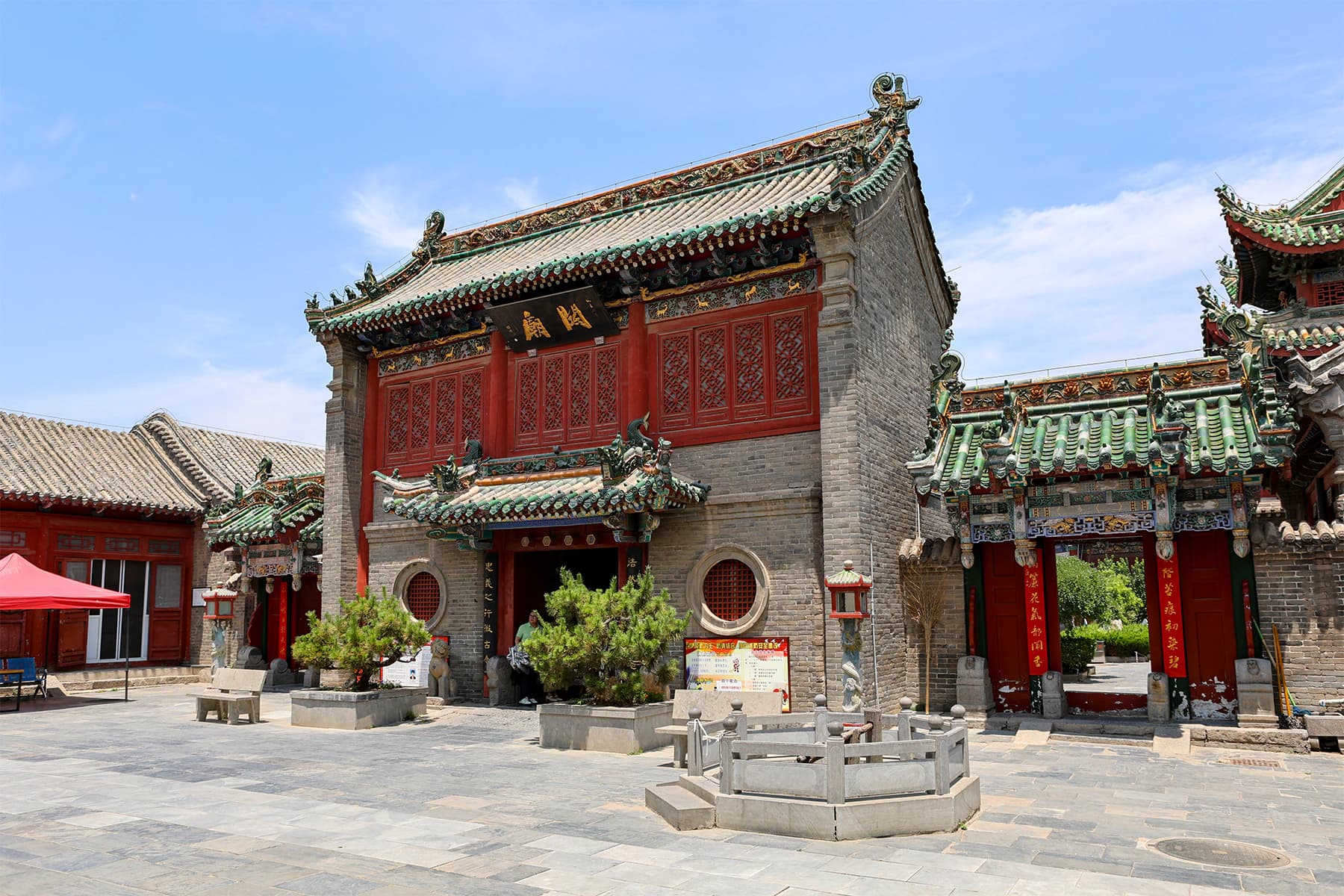
Choose the museum when you want to understand why the city has shifted vertically, how dynastic and Yellow River layers overlap, and what evidence survives beyond reconstructed scenic areas. Travellers interested only in architecture that can still be seen in place may prefer the Iron Pagoda or guild hall.
Use the current museum Kaifeng Museum — open in AMap. Reject search results for the old museum explicitly marked closed to the public.
Current reservation change
Kaifeng Museum introduced a new official reservation mini-program on April 28, 2026 for visits from May 1 onward. Enter through the verified museum WeChat account or search for the official appointment mini-program rather than following an older QR screenshot. The change itself is evidence that pre-2026 booking instructions are stale.
The online flow may still be designed around mainland identity documents. Foreign visitors should try the passport field, keep the confirmation and carry the original passport. If the form does not accept it, contact the museum or visitor centre before travelling to the western district; do not enter a false identity number or buy an unofficial reservation.
A focused two-to-three-hour route
Start with the city-development and Northern Song galleries. Build the geographical and chronological framework first: capital, river, destruction, rebuilding and buried layers. Then choose the painting interpretation or ceramics section according to interest. This order makes later scenic parks easier to evaluate.
Read every object label. An original artefact, excavated fragment, later copy, facsimile, scale model and digital reconstruction carry different evidential weight. A reproduction can explain composition or urban life very well; the problem arises only when it is mistaken for an excavated original.
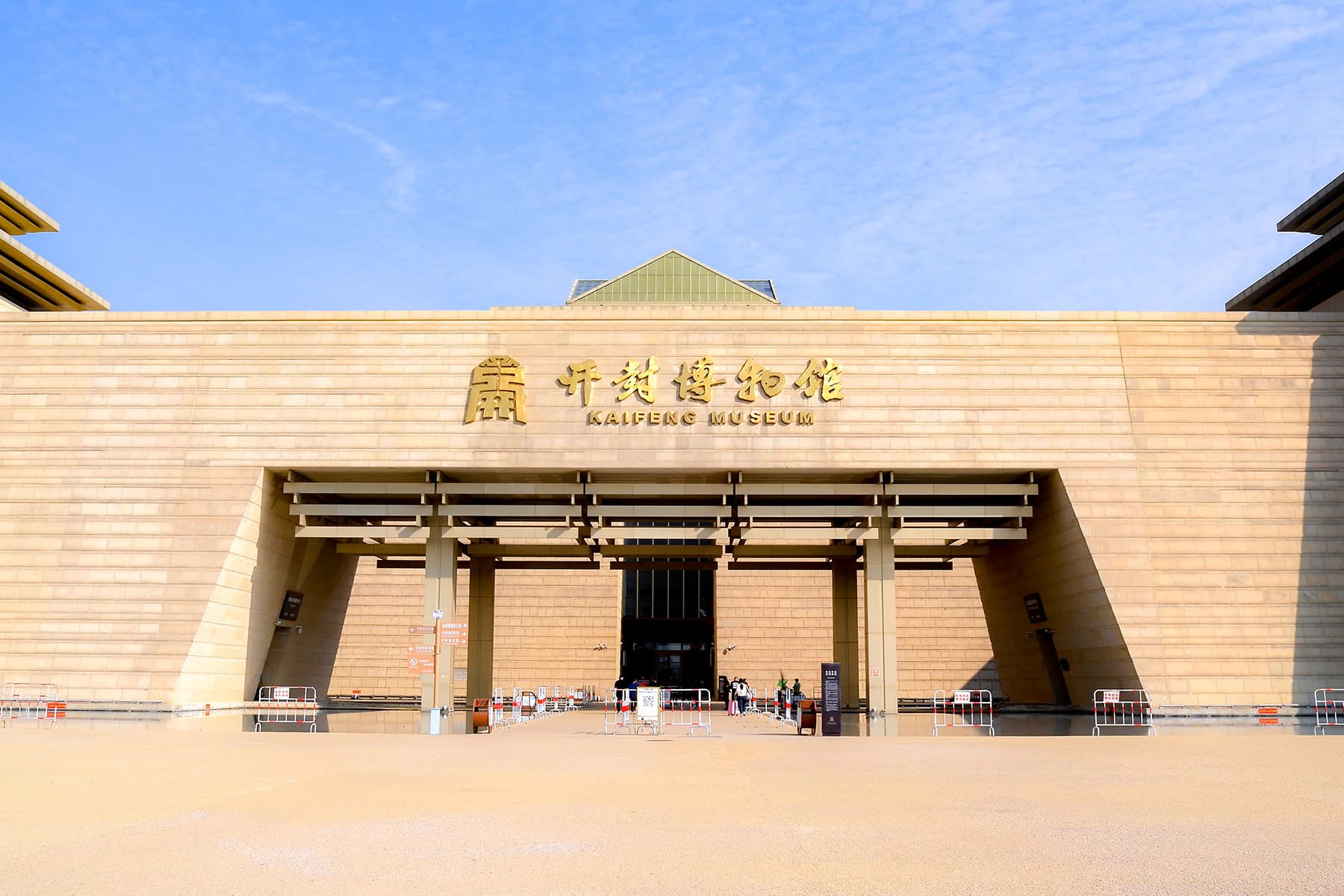
Photo: Windmemories · Source · CC BY-SA 4.0
Two independent summer reports describe weak cooling, group noise and dirty display glass on very hot days; another visitor found the principal galleries worthwhile. These are date-specific conditions, not a permanent verdict. Arrive early in summer, carry water as permitted and start with the galleries that matter most. If the building is uncomfortable, cut secondary digital displays rather than rushing the archaeology section.
Three ways to use the museum
- 90 minutes: buried-city and Northern Song sequence only.
- Two to three hours: the best first visit, adding ceramics or painting interpretation.
- Half day: only for museum-focused travellers or a specific temporary exhibition.
The live official channel must control the closed day, gallery access, bag storage, photography, language support and accessibility. Do not rely on a report that staff allowed late entry during one storm; an exception is not an admission rule.
Location decision
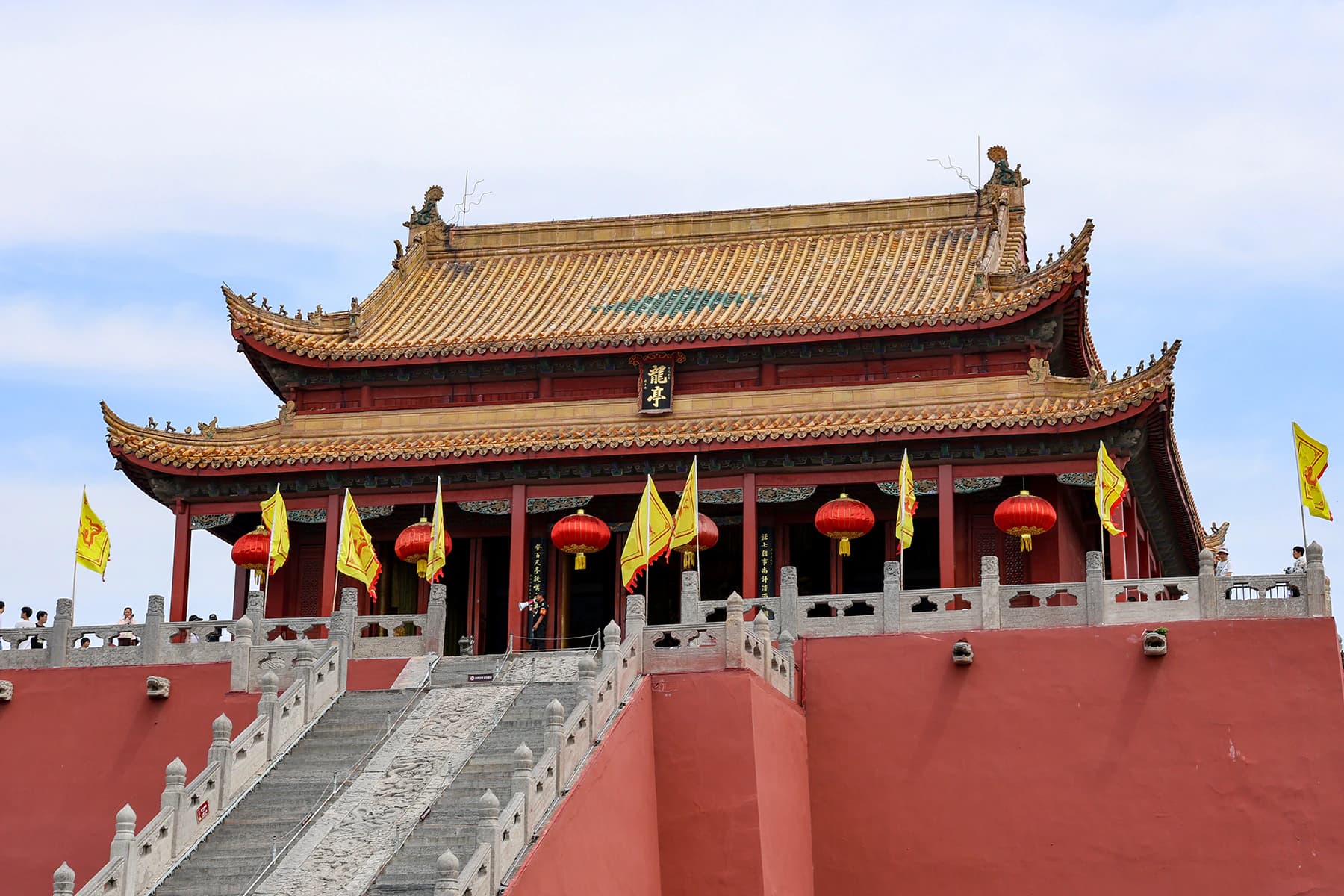
This is a western-sector stop, close to neither the old-city monument walk nor Qingming Riverside. AMap estimates 10.4 km / about 38 minutes by car to Dragon Pavilion; the bus baseline takes roughly 1 hour 13 minutes with substantial walking. Pair it with arrival, departure or another western appointment. Do not sacrifice the museum's main galleries merely to force it into a compact old-city walk.
Verdict
Essential for archaeology and urban history. Use it to test what the parks and reconstructions claim, and judge reproductions by whether they are honestly labelled and useful—not by assuming every display must be an original masterpiece.