Kaifeng Iron Pagoda
Kaifeng's Iron Pagoda is not iron. Its dark brown glazed bricks create the metallic appearance that gave the tower its popular name. More importantly, it is one of the rare major Northern Song structures still visible above ground in a city whose earlier streets, walls and palaces largely survive as archaeology below later layers.
The monument is compact, so visitors who arrive without context sometimes photograph it and leave in minutes. Slow down. The value is in seeing how a nearly thousand-year-old masonry tower uses colour, relief and repeated structural rhythm—not in collecting another park activity around it.
Why it belongs near the top of a Kaifeng itinerary
The pagoda gives you an authentic architectural reference before you enter the city's reconstructed Song-themed attractions. After seeing its brickwork and weathering, it becomes easier to distinguish surviving fabric from a modern scenic set.
It is especially worthwhile for architecture, Buddhist art, photography and urban-history travellers. Visitors interested only in large shows may prefer to keep it as a quiet 60-minute counterpoint to Qingming Riverside rather than expecting another immersive attraction.
A 60–90 minute route
- Go to the pagoda first. Do not let role-play tasks, shops or later park additions consume your attention before the monument.
- Take one full circuit. Compare the tower's silhouette from a distance, then move closer to study the glazed brick colour, repeated niches and decorative figures from permitted paths.
- Use interpretation. A guide or venue explanation makes the iconography, construction and Buddhist setting far clearer. Visitor reports consistently describe interpretation as the difference between a quick photo and a meaningful visit.
- Add open halls selectively. The surrounding religious and park spaces have their own dates and functions; enter only those currently open and relevant to you.
- Return for one final long view. Changing distance reveals the taper and tier rhythm better than standing directly below the tower.
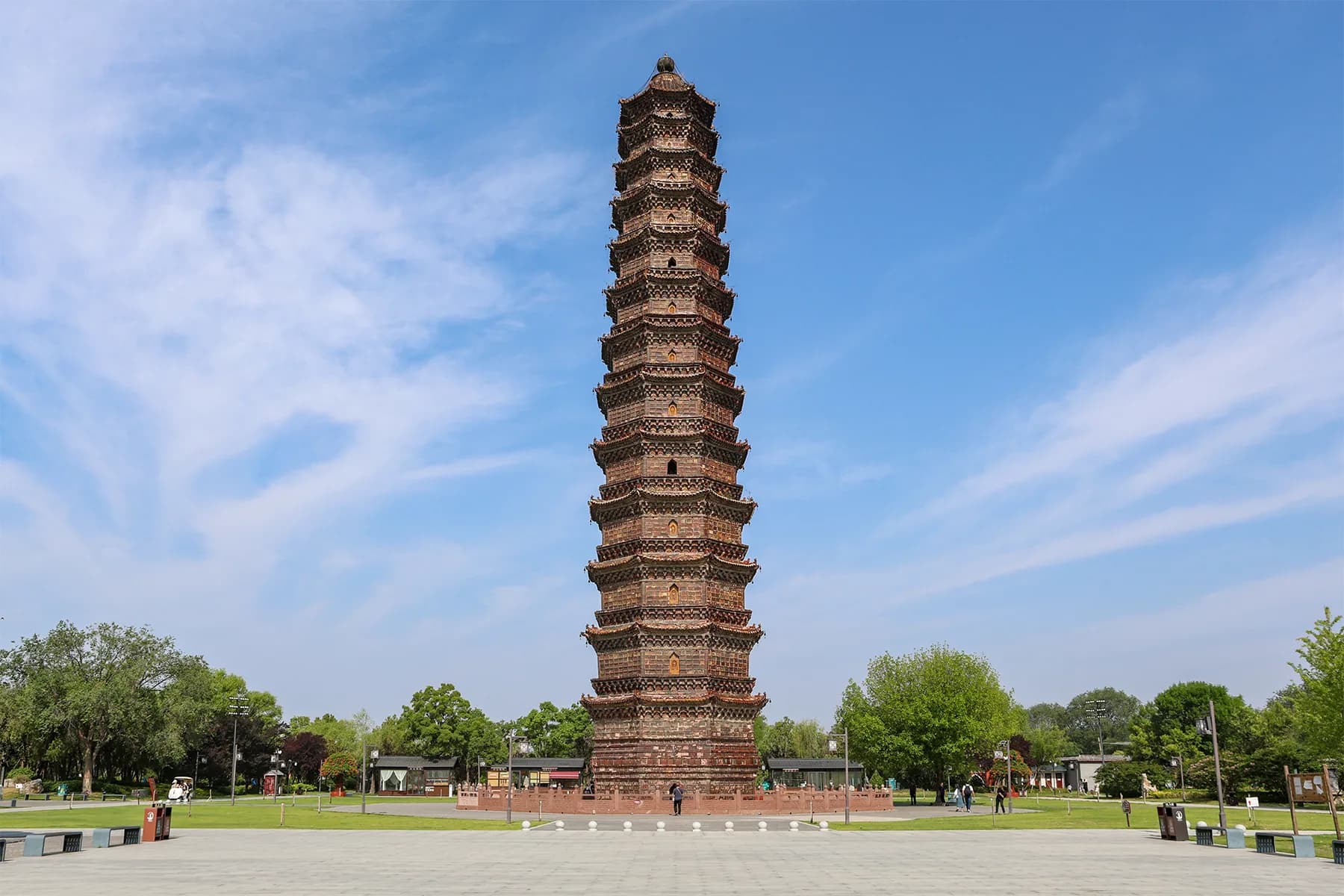
Photo: Windmemories · Source · CC BY-SA 4.0
What to look for
The surface is not a plain brown skin. Look for how glazed units combine structure and ornament, how relief figures repeat across the elevations, and how the colour changes with sun, cloud and distance. Weathering is part of the monument's history; do not touch the brick or treat conservation barriers as photography obstacles.
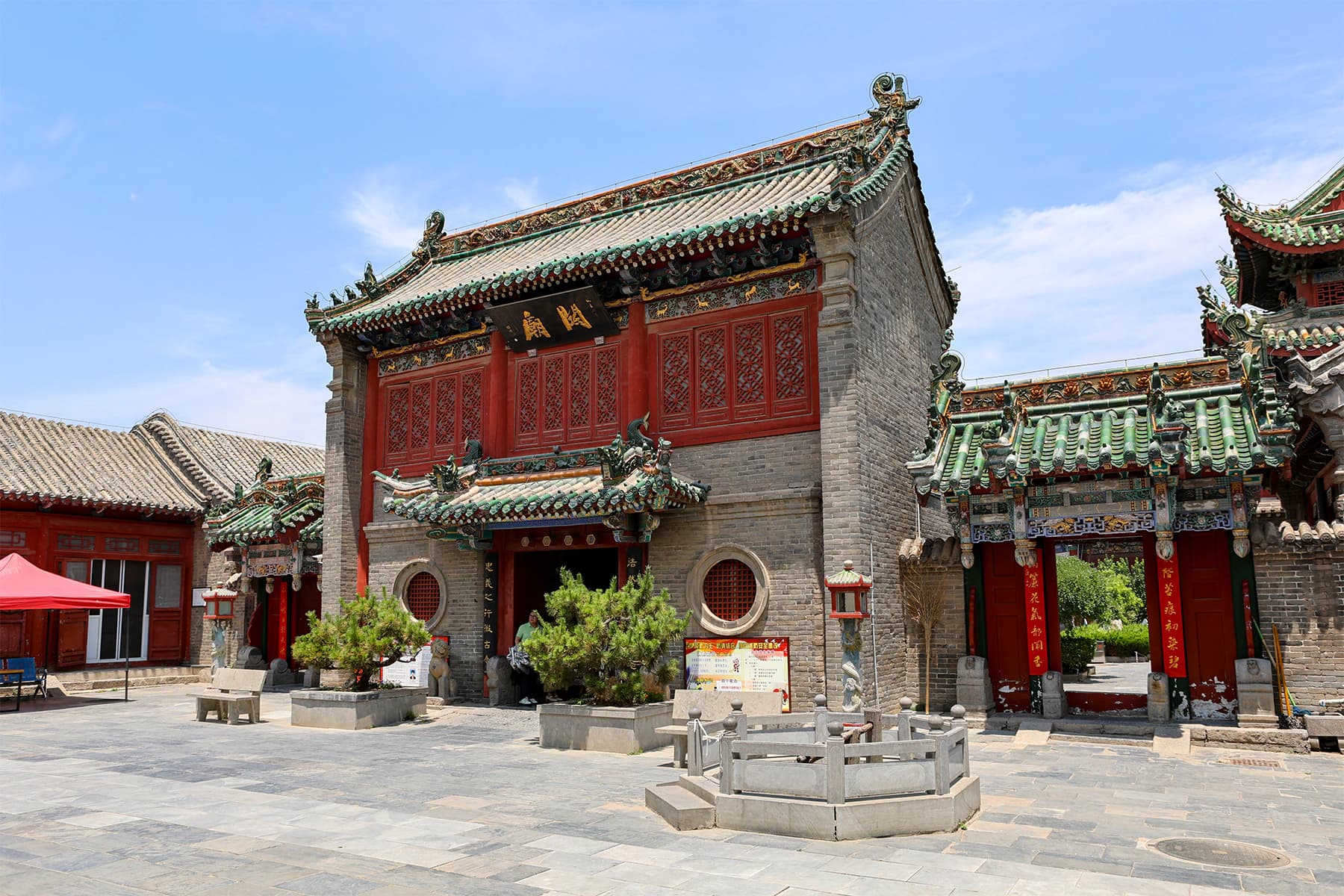
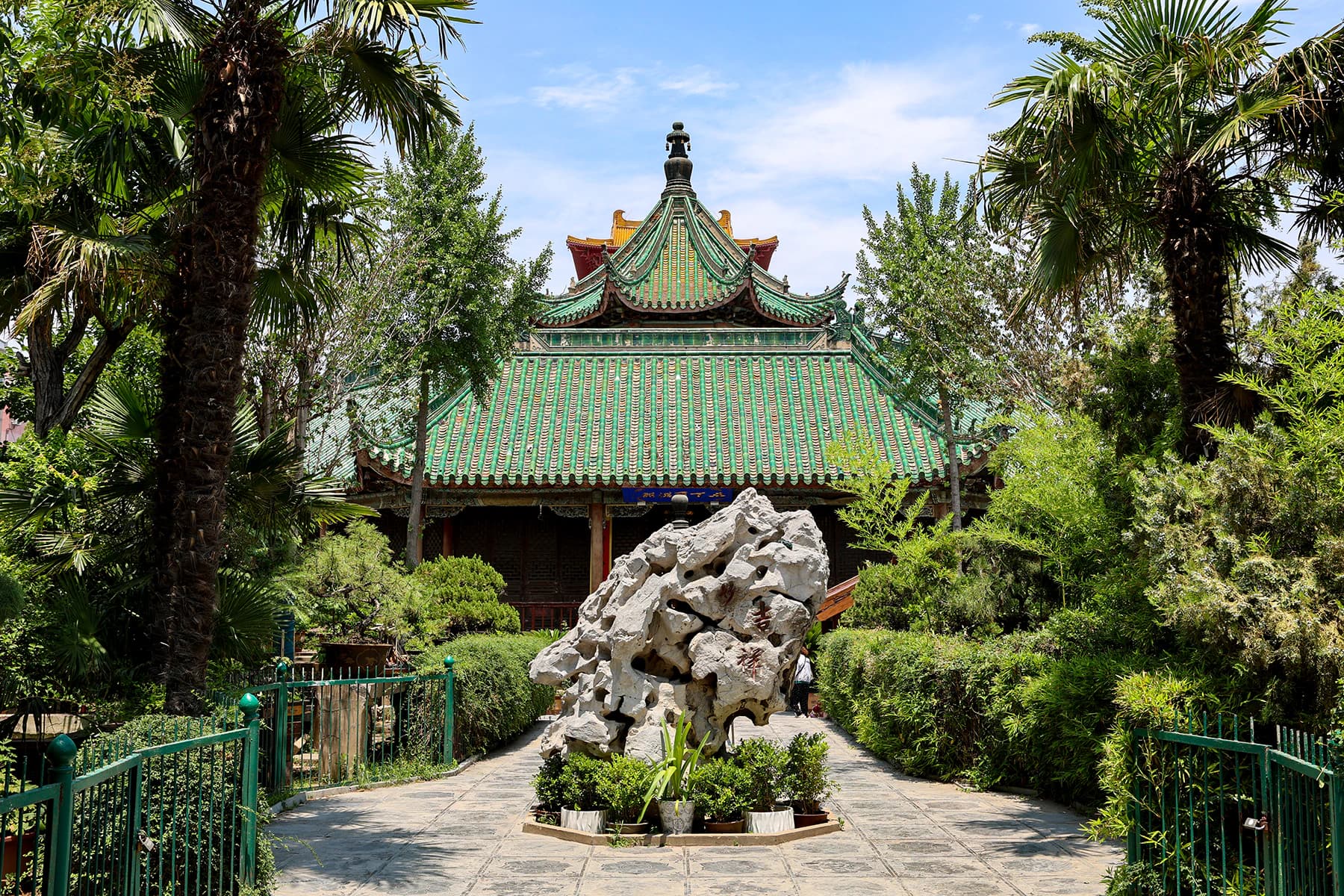
Also notice the contrast between the pagoda and its setting. The tower is the historic anchor, while gardens, halls, interpretation, interactive products and night lighting belong to later visitor layers. Enjoying those additions is optional; they do not make the monument more or less authentic.
Can you climb the pagoda?
Do not plan on it. Current visitor evidence reports no climbing, and interior access can be limited for conservation, safety, capacity or repair. Only the venue's live notice controls. Check whether the pagoda interior, nearby halls, night lighting or any special programme is open on your date; never buy a ticket or arrange a sunset around an assumed viewing platform.
The same caution applies to admission. Entry to the surrounding scenic area, individual halls, guided interpretation and temporary activities may not be one identical product. Confirm current opening day, last entry, passport or ID field and ticket inclusions before making a dedicated journey.
Conduct in the religious setting
Some surrounding spaces have an active Buddhist function. Keep voices low, yield to worshippers, and follow on-site rules for incense, hats and photography. Do not photograph an icon, ritual or person simply because the outer park allows cameras. A closed hall may reflect worship or conservation rather than a visitor-service failure.
Best light, heat and accessibility
Morning and later-afternoon side light usually reveal the brick relief better than flat midday sun. Overcast weather can strengthen the deep glazed colour, while rain makes paths slippery. In hot months, arrive early and use the garden shade after the exterior circuit.
The tower is best understood from outside, which makes a meaningful visit possible even when the interior is closed. However, thresholds, uneven paving and crowd barriers can affect wheelchair users. Ask for the current step-free approach, accessible toilet and closest vehicle drop-off rather than assuming every park path reaches the same viewpoints.
Getting there and what to pair with it
Use Iron Pagoda Scenic Area in AMap. From Qingming Riverside, the checked baseline is about 4 km on foot, 3.5 km by bike or 4.9 km by road. A car may still take around 30 minutes in congested attraction traffic, so this is not a casual add-on after a full park day.
For a heritage day, pair the pagoda with the Shanxi–Shaanxi–Gansu Guild Hall and Daxiangguo Temple. The three stops reveal different materials and functions: glazed masonry, merchant craft and active temple life. If you are visiting Qingming Riverside, place the pagoda on the following morning when your attention and legs are fresh.
Final verdict
High priority for anyone who wants to understand Kaifeng rather than simply perform “Song-style” tourism. Allow 60–90 minutes, seek interpretation, and treat climbing or night products as live possibilities—not promises.