Chikan Old Street
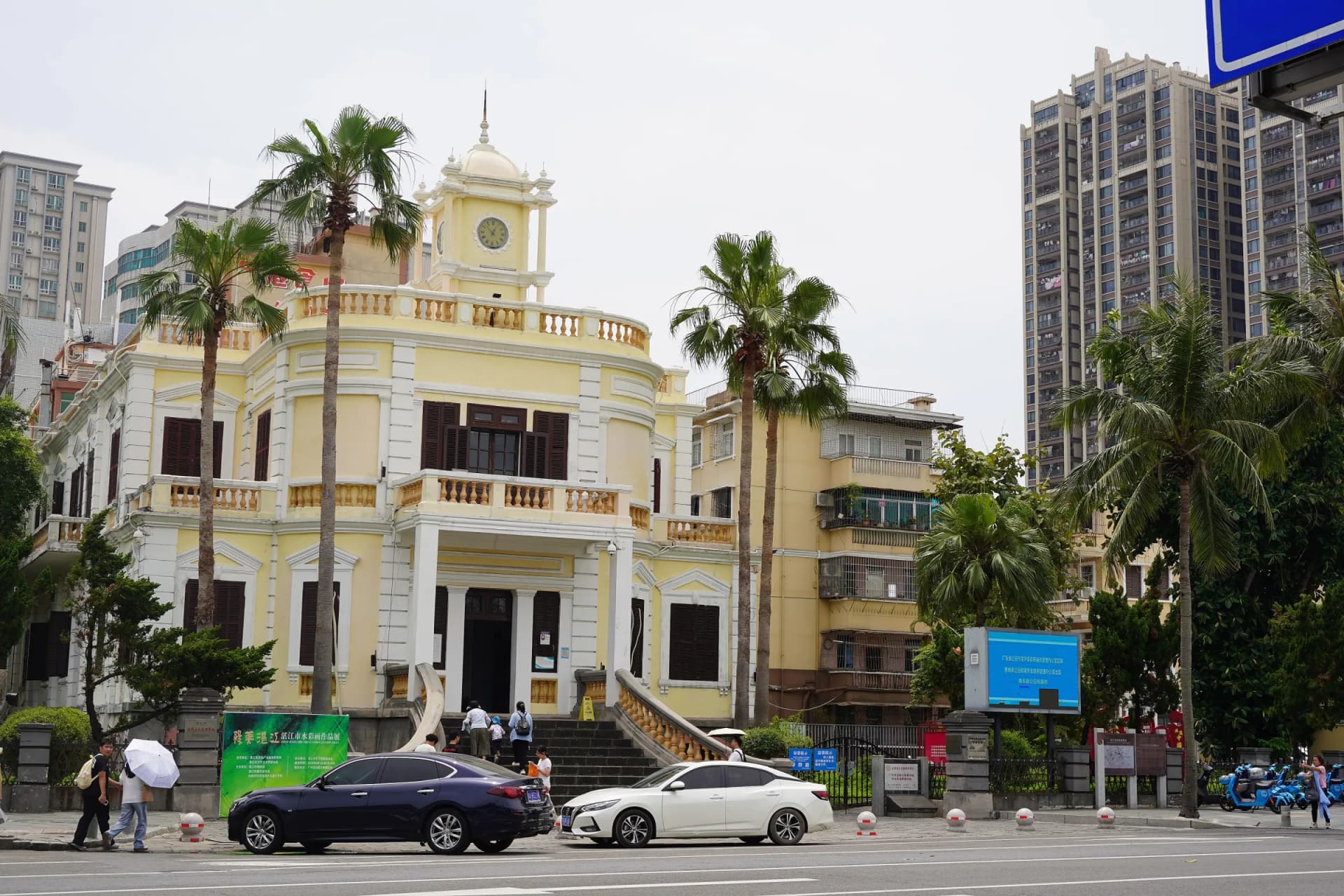
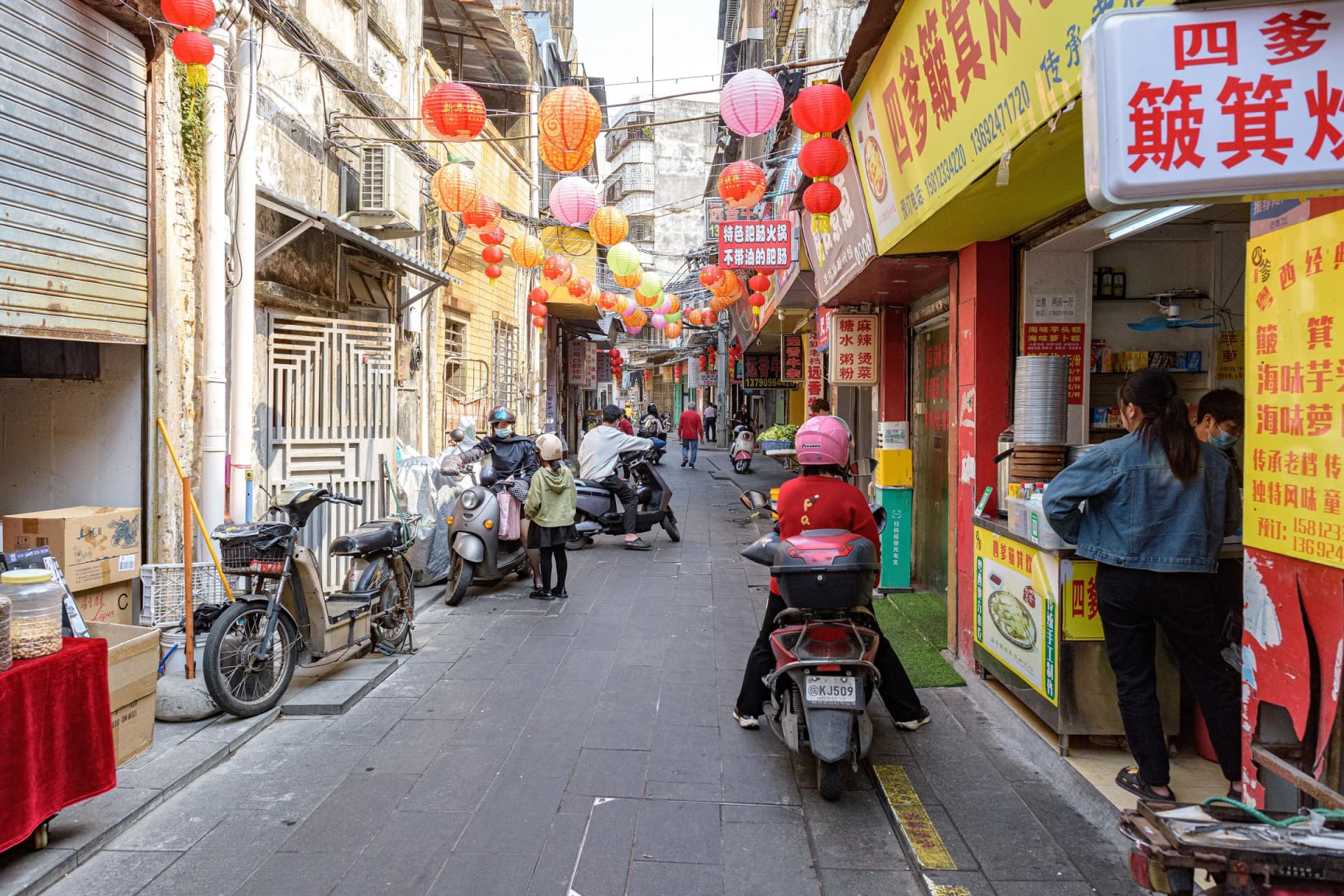
Chikan is Zhanjiang's most useful historic urban walk. The old commercial-port area combines arcaded shopfronts, narrow lanes, market life and surviving wharf traces. Begin in daylight, when building details are visible, and continue toward the waterfront as the heat eases.
This is a living district under active conservation, not a sealed “ancient town.” Restored façades, ordinary homes, operating shops and fragile older buildings sit side by side. A 2026 district safety campaign also identifies the old street as a high-fire-risk historic area, so closed doors, barriers and clear escape lanes must be respected.
A practical walking order
Start around the old port and historic pier zone, then weave through Zhongxing Street and adjacent lanes. Continue toward the restored commercial blocks only after seeing the ordinary streets. This order keeps the visit grounded in the district's trading history instead of treating one renovated façade as the whole neighborhood.
A simple half-day shape is:
- Historic wharf edge: orient yourself where goods once moved between water and streets.
- Datong Street: follow the arcade and lane scale rather than one television location.
- Zhongxing Street and side lanes: compare original upper façades, later alterations and current businesses.
- Restored ancient-port blocks: finish with any open interpretation or commercial spaces, then choose one meal.
The order can reverse in heat or rain. Save the entrance where your return car can collect you; a lane walk should not end with an unnecessary search through traffic.
Three things to notice as you walk
Look for 赤坎古商埠 (Chìkǎn Gǔ Shāngbù, Chikan Ancient Commercial Port) when choosing the district on a map. The old wharf remains make more sense when read as the edge of an earlier trading town: they are historic traces within today’s streets, not a working passenger-ferry terminal.
Around the pier area, look at how stone steps, narrow lanes and shopfronts connect. Continue through 大通街 (Dàtōng Jiē) and 中兴街 (Zhōngxīng Jiē), noticing the upper façades as well as the modern shops beneath them. The city’s heritage account links these streets with the historic wharf district. Treat individual restored interiors as optional additions to the walk, rather than relying on every doorway being open.
Finish with one food stop before moving on. Seafood noodles, shrimp fritters and sweet soups appear in visitor accounts, but reactions to individual shops vary. Choose a freshly prepared item, confirm the portion and price, and order a small amount first if you plan to try several things. A queue at a filming-location shop need not decide your entire lunch.
Allow half a day
Two to four hours is enough for a slow walk, food stops and interiors that are open. The lanes become busy on weekends and around popular filming locations. Early morning is calmer; late afternoon gives softer light but more people.
There is no general admission ticket for the public streets. Exhibitions, performances and private interiors can have separate prices and hours. Do not pay someone who presents an ordinary public lane as a ticketed shortcut.
What to watch for
Traffic, delivery scooters and active businesses share the old streets with visitors. Keep doorways clear and ask before photographing inside shops. Opening hours vary by individual building, so make the streets and public architecture the core plan.
Arcades provide shade but can have broken paving, thresholds and narrow passages. Wheelchair users and families with strollers should choose a shorter main-street segment and verify accessible toilets rather than assuming every historic lane forms a continuous step-free loop. In heavy rain, avoid low wharf steps and slippery stone.
Pair it efficiently
Continue to Jinshawan for the evening. Do not place Huguangyan or an island ferry after Chikan on the same tight schedule.