Beishan Rock Carvings
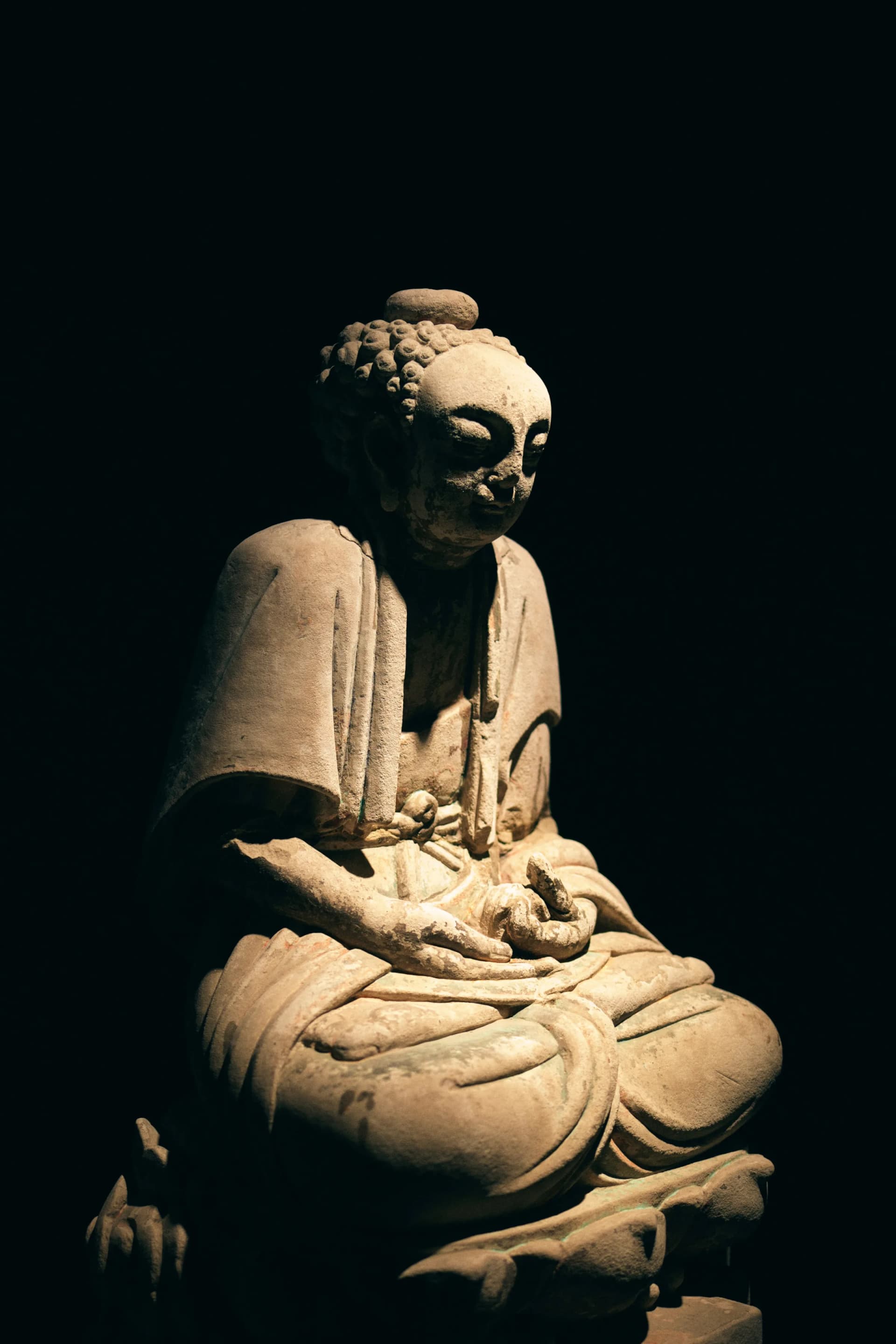
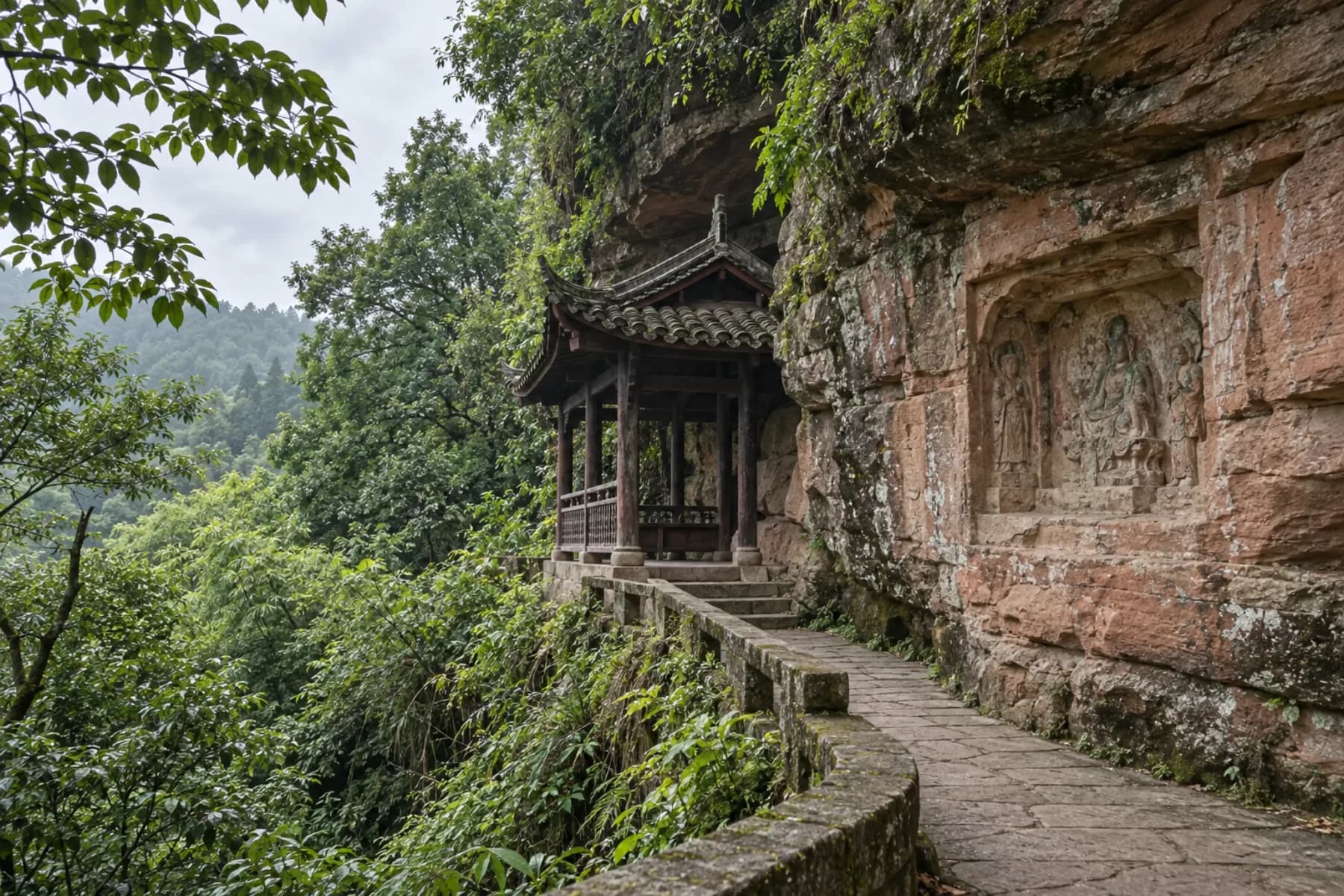
Beishan Rock Carvings (北山石刻, Běishān Shíkè) are the most rewarding second stop in Dazu if you care about sculpture rather than simply collecting another World Heritage location. The long Fowan cliff is less theatrical than Baodingshan, but its dense late-Tang-to-Song niches let you see changes in style at close range. Most first-time visitors should still put Baodingshan first; choose Beishan when you have another 1.5–2.5 hours, want fewer tour groups, or are staying in Dazu overnight.
Quick verdict: pair it with Baodingshan, not as a rushed substitute
Beishan works best for travelers who enjoy Buddhist art, inscriptions and small differences in carving technique. UNESCO records a roughly 300-metre cliff with more than 10,000 figures, so interpretation matters more than distance. Without a guide or audio explanation, many niches can blur together. Families with young children and visitors who only want one dramatic Dazu experience will usually get more from Baodingshan.
The two sites are not adjacent. Arrange the transfer before leaving Baodingshan, especially late in the day; a car journey is more realistic than treating Beishan as a walkable continuation.
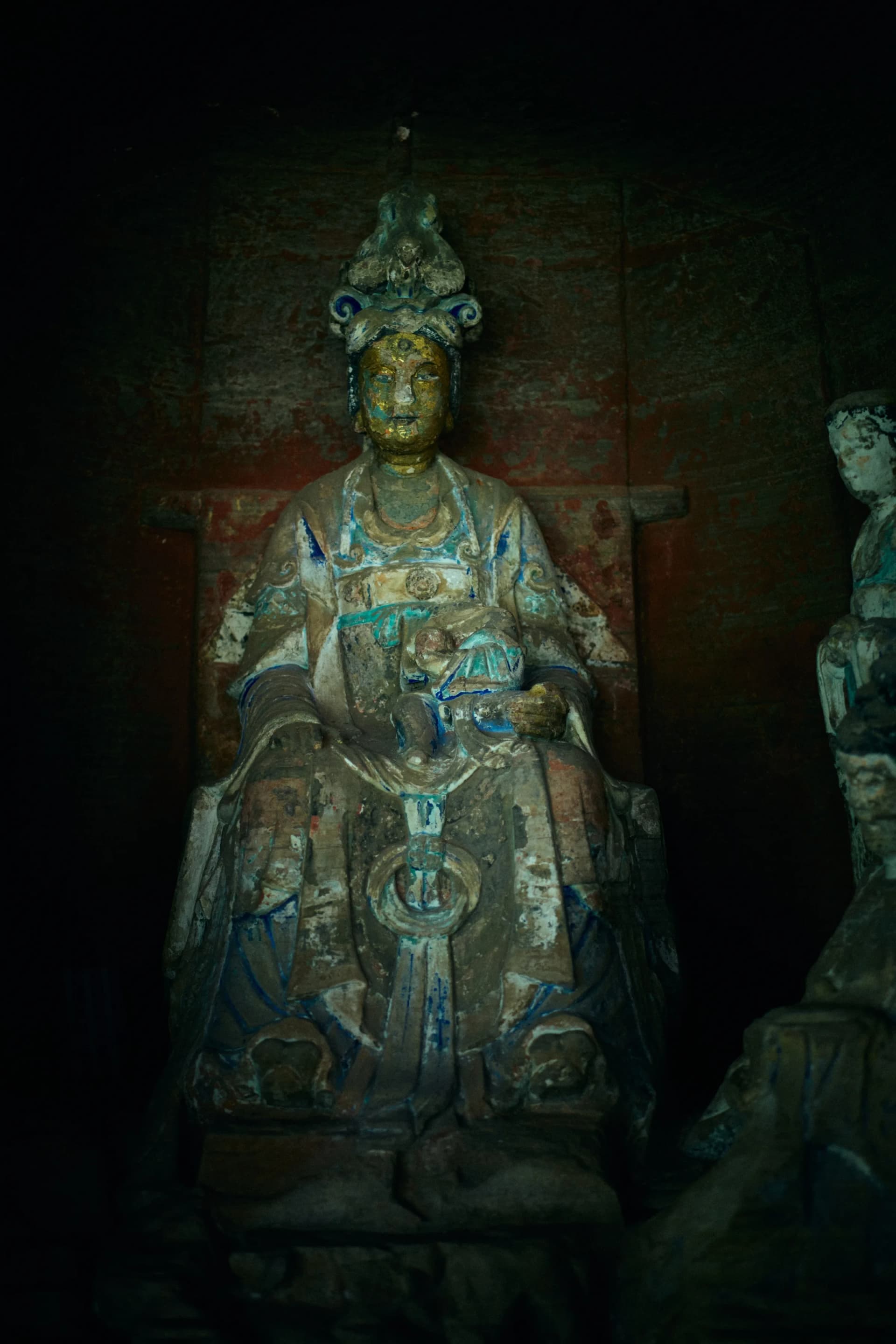
Photo: JL Cogburn · Source · CC BY-SA 2.0
A useful way to read the cliff
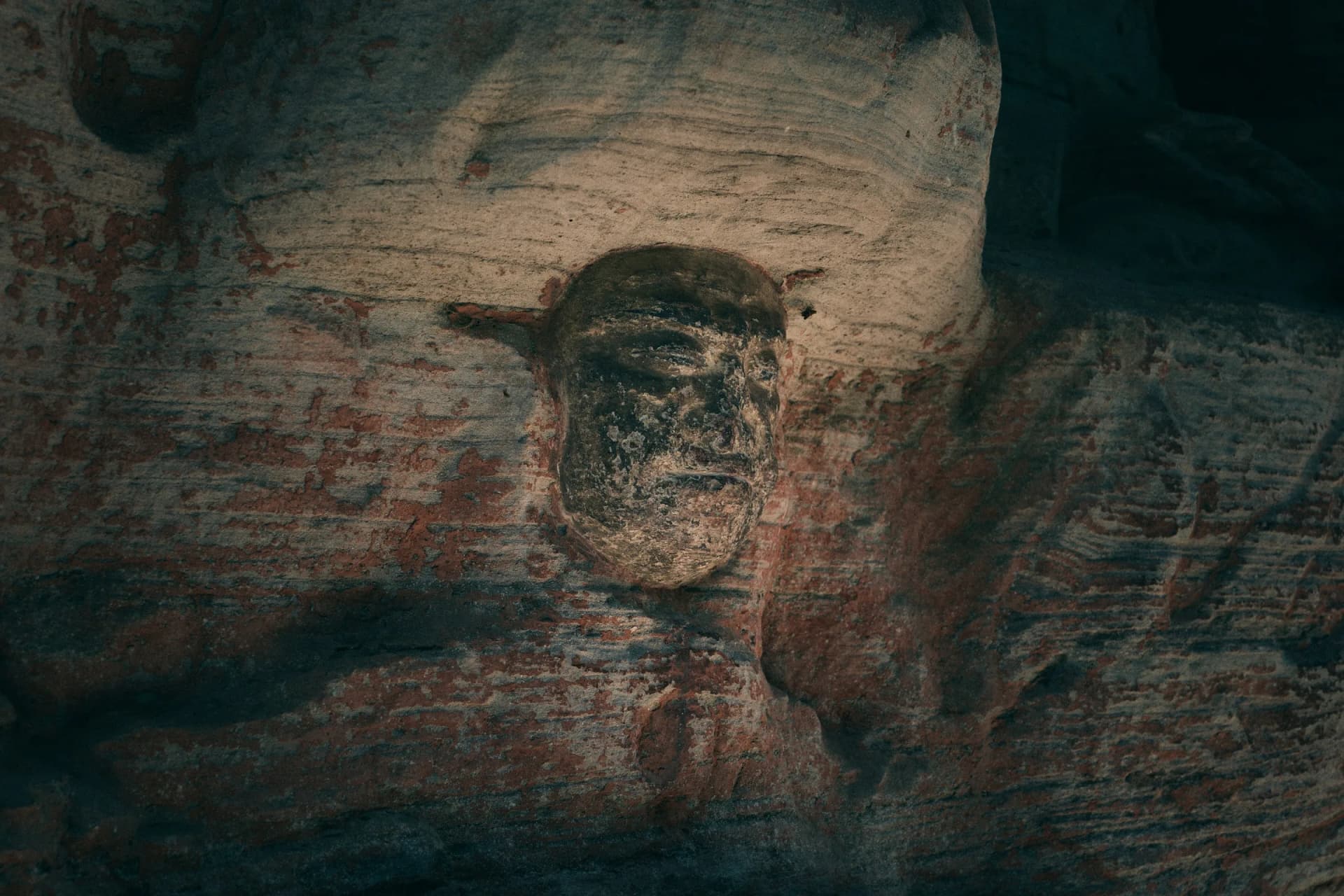
Start at the signed Fowan route and move in the numbered direction rather than jumping between whichever niches are empty. Use the first section to notice the stronger, fuller late-Tang figures; later Song work becomes more delicate and intimate. Look for differences in faces, hands, jewellery and the depth of the surrounding relief rather than trying to memorize every deity.
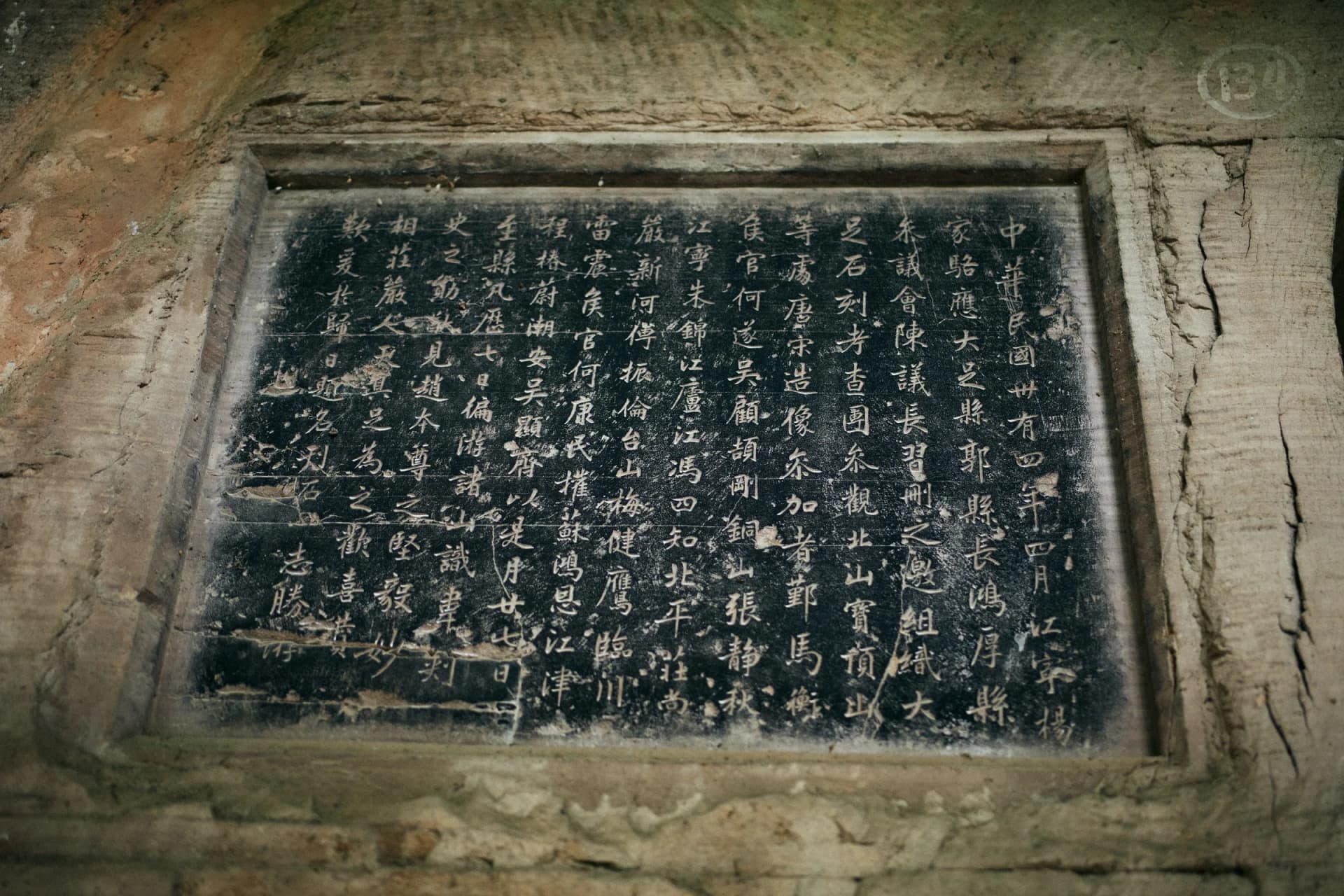
Give priority to the niches that the official guide or on-site labels identify as signature works. Pause long enough to compare one large group with a smaller devotional niche, then read an inscription where translation is available. This produces a much clearer visit than photographing every bay. Barriers protect fragile surfaces: do not touch the stone, use flash only where current signs permit it, and keep voices low around other visitors.
Daylight or night session?
Daylight is the reliable choice for colour, surface detail and inscription reading. The operator listed the daylight session as 09:00–18:00, with last ticket check at 17:00, when checked on 10 September 2026. Arrive at least 90 minutes before the last check rather than using it as an entry target.
The illuminated night route is a separate operational decision. The Dazu Rock Carvings Research Institute announced that night visits are closed for equipment maintenance from 20 July through 20 September 2026, with reopening planned for 21 September. Treat that as a plan, not a guarantee: check the current notice and weather on the day. If night access is unavailable, the daylight visit is not a lesser version—it is better for studying the carving.
Tickets, transport and the return
Check the exact date, session and whether a Baodingshan–Beishan combination is included before paying. Trip.com currently has a dedicated international-facing Beishan listing; compare the live Beishan ticket options on Trip.com, then let the Dazu operator's current notice control admission and session times.
From Dazu urban area, use a ride-hailing car or a pre-arranged driver and show 北山石刻 as the destination. From Baodingshan, confirm the pickup point and price before beginning the first visit. Do not assume cars will be waiting after the night session. If you must return to Chongqing the same evening, build the final bus or rail connection around a conservative Beishan finish rather than the advertised closing time.
Steps, damp shaded paving and short inclines make stable shoes useful. Mosquitoes can be noticeable in warm months. Toilets and simple rest points are available around the managed visitor route, but carry water; the cliff itself is not a food stop.
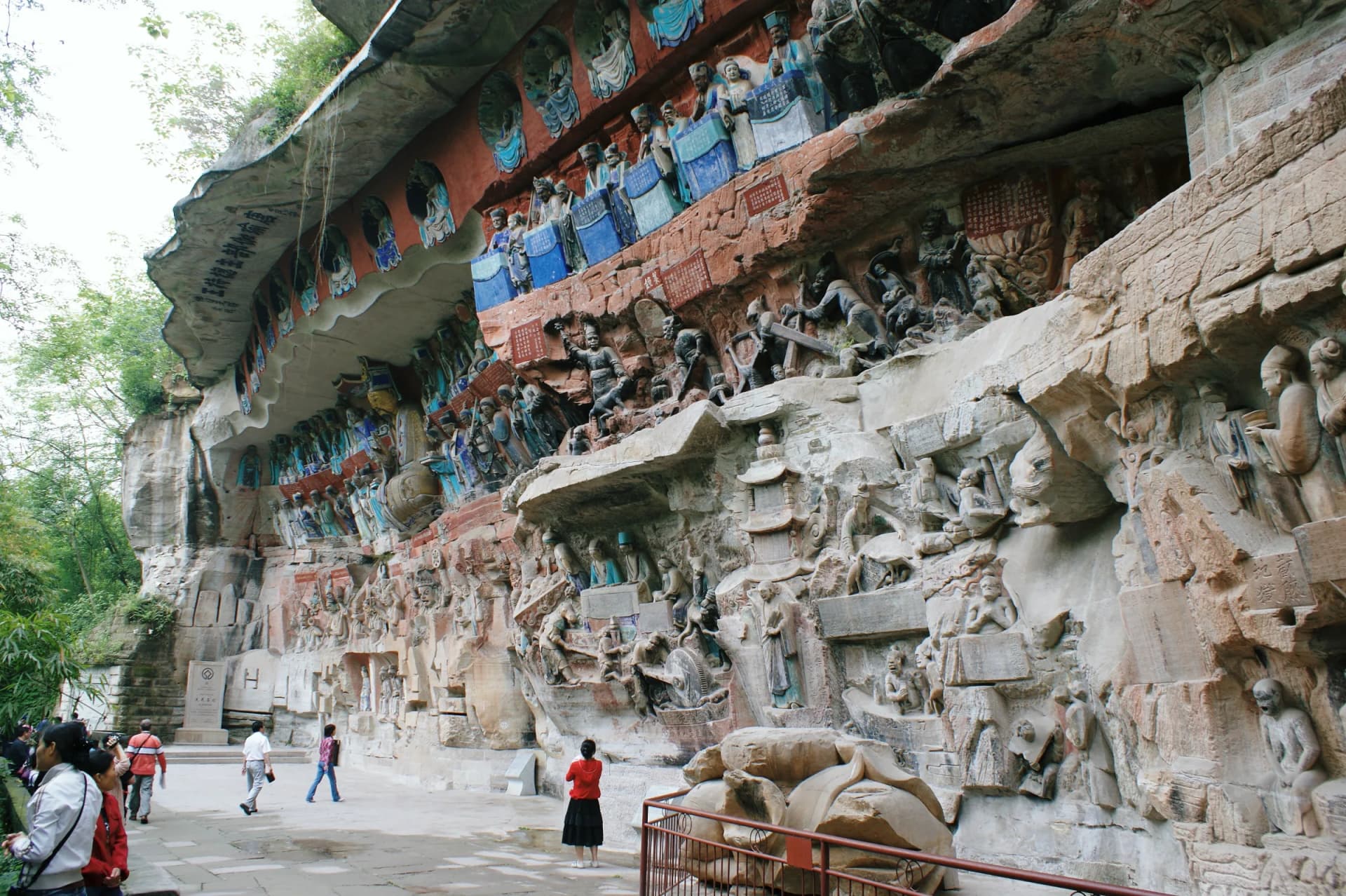
Photo: Hugh Llewelyn from Keynsham, UK · Source · CC BY-SA 2.0
Fit it into a Dazu trip
The strongest one-day order is the Dazu visitor centre and museum, Baodingshan's narrative cliff, a meal or rest in town, then Beishan only if the transfer and daylight still work. An overnight lets you give Beishan a fresh morning or use the night session without gambling on a late intercity return. Do not add the three smaller outlying carving groups to the same day unless you have a private driver and a specialist reason—the transport time quickly overwhelms the viewing time.