Dazu's three lesser carving sites
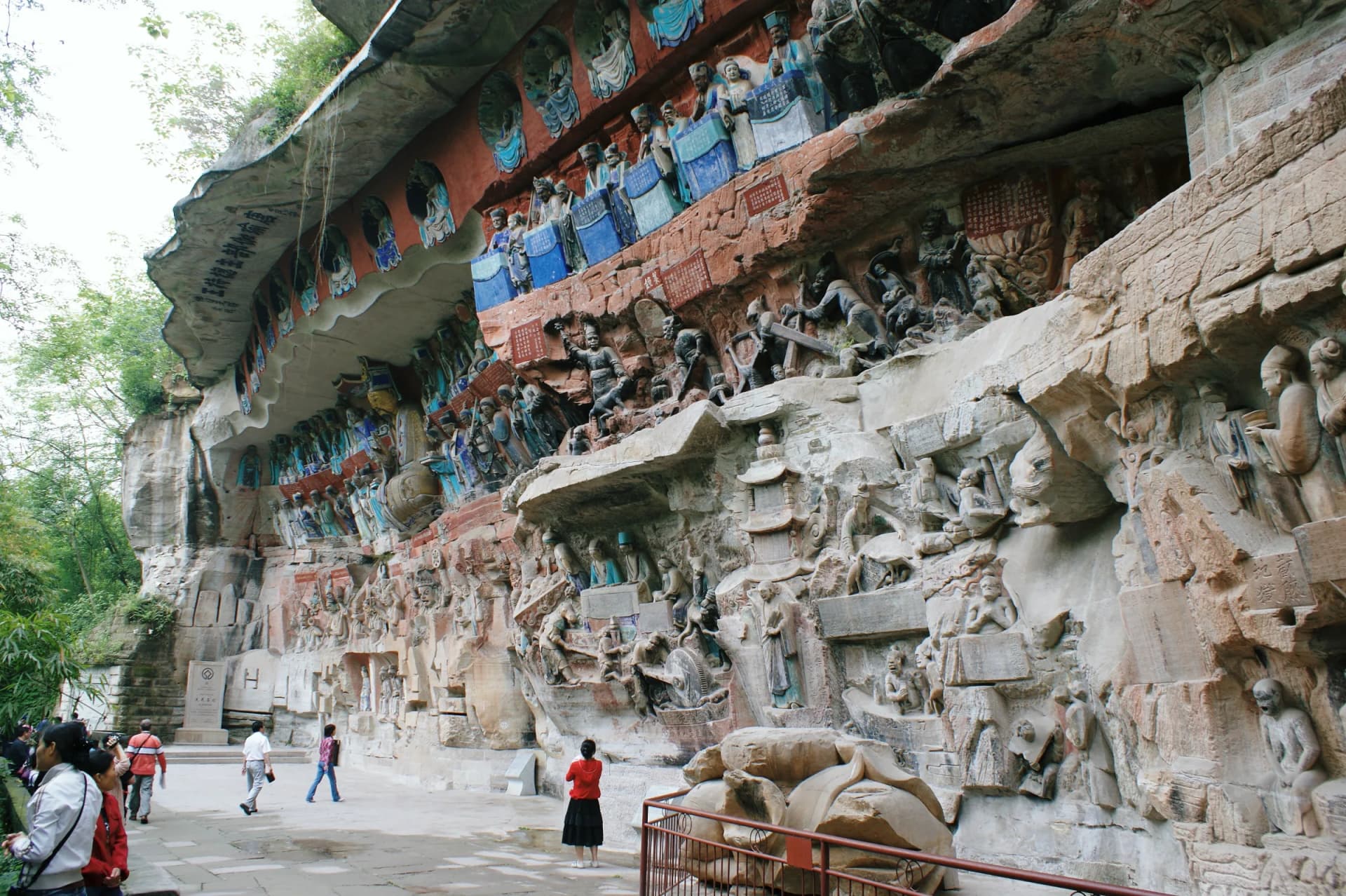
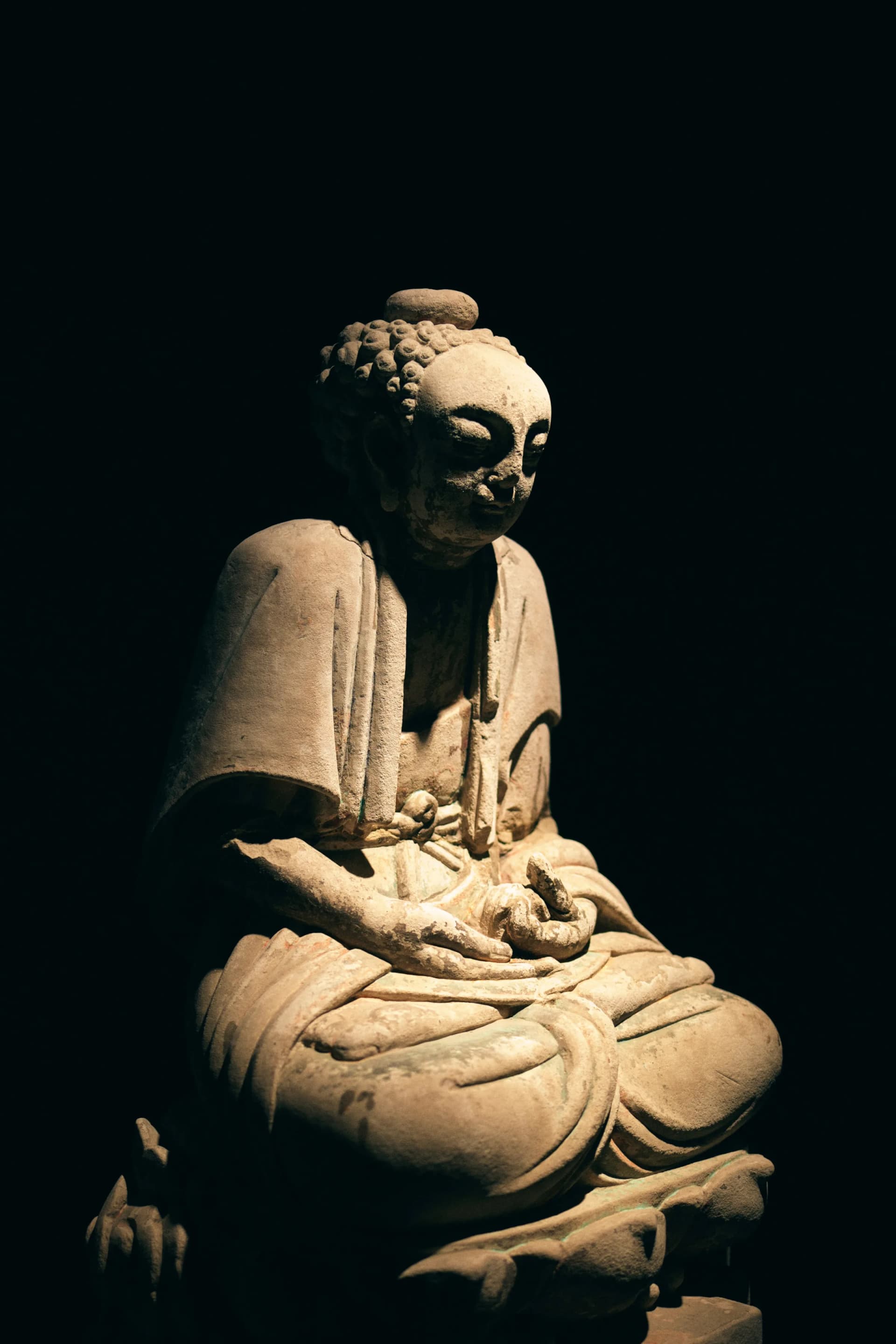
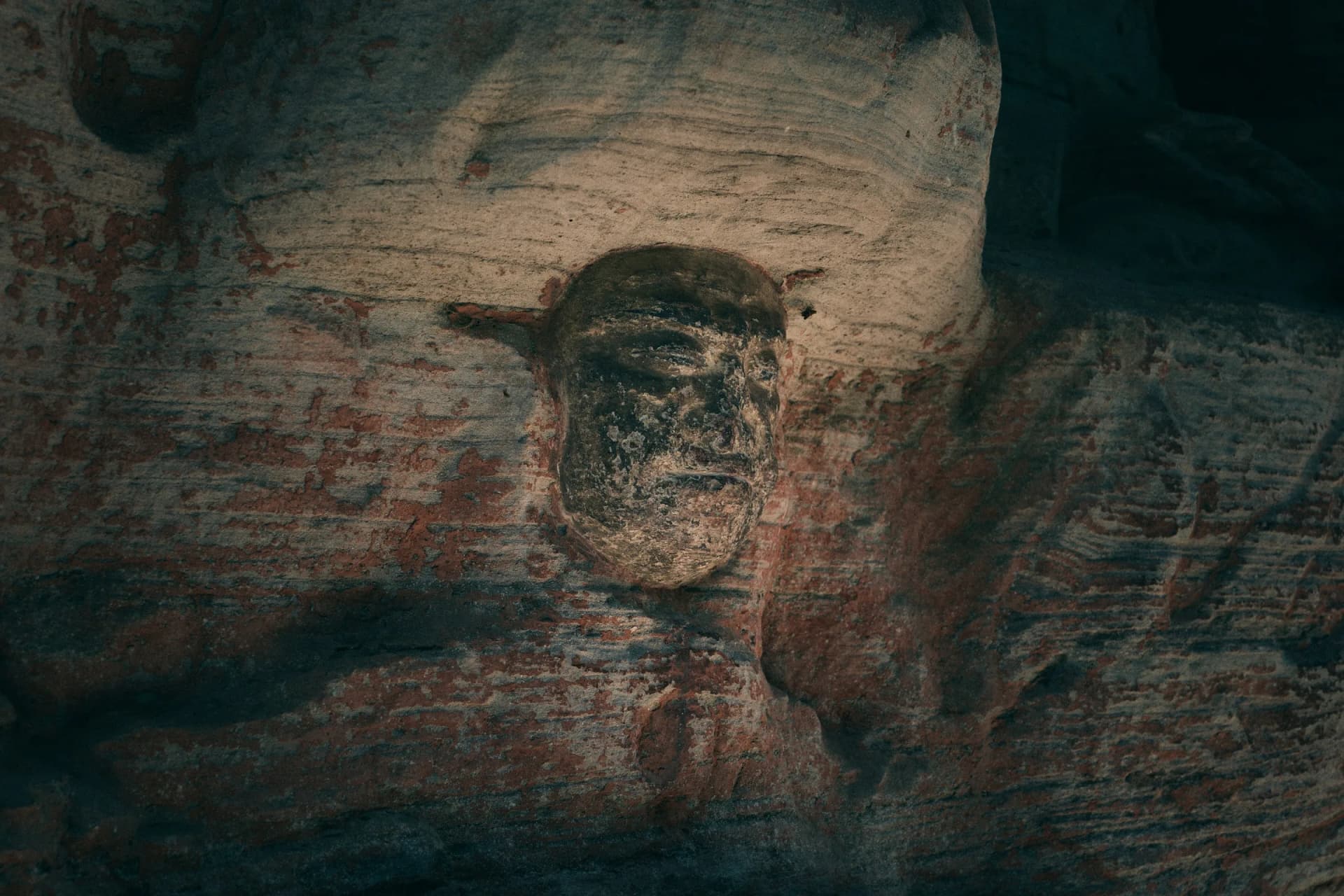
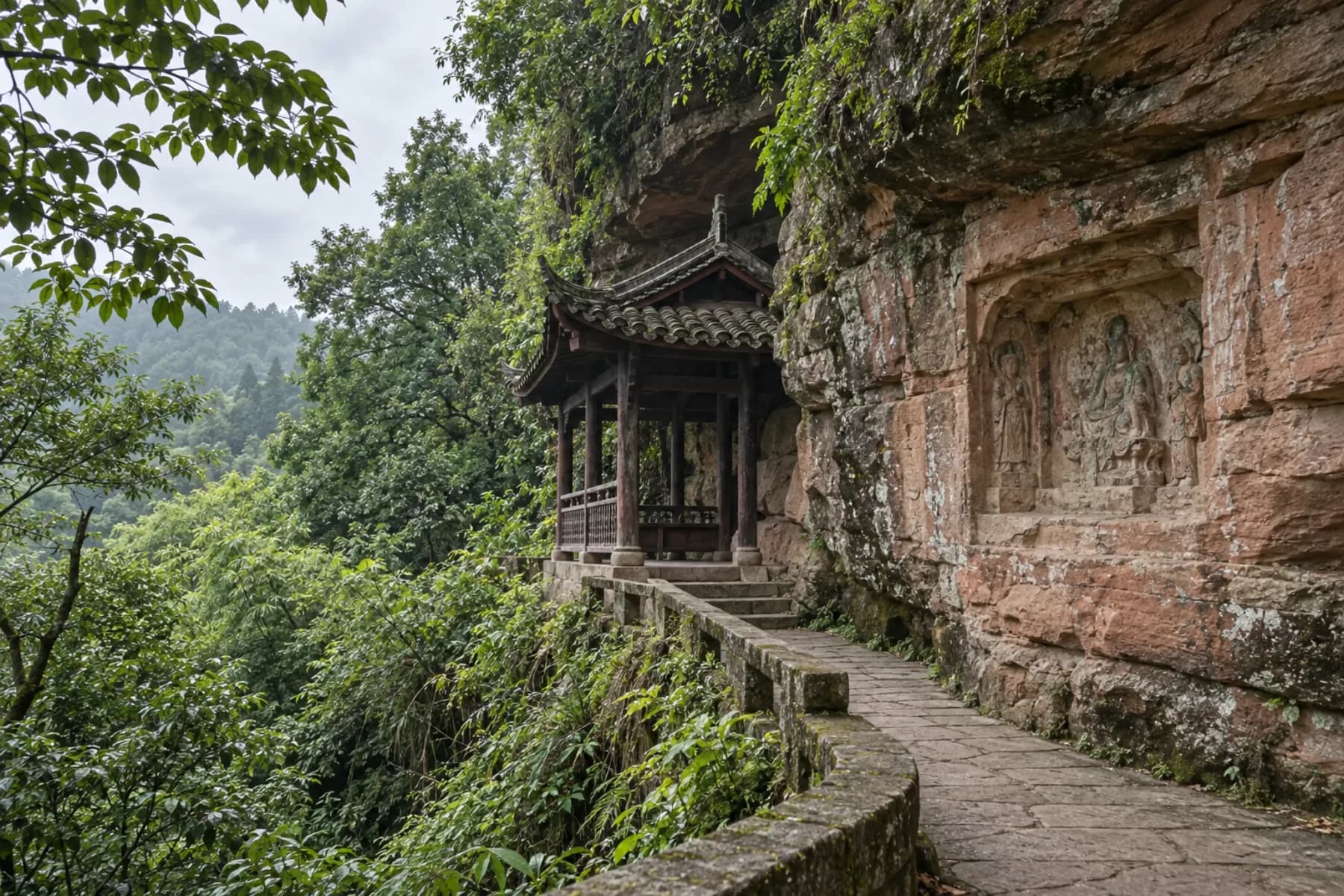
“The five mountains” does not mean one park with five adjacent stops. Dazu's World Heritage property comprises Baodingshan, Beishan, Nanshan, Shimenshan and Shizhuanshan, but the last three are scattered around rural Dazu. Together they show something the famous sites cannot: Daoist imagery at Nanshan, Buddhist and Daoist subjects side by side at Shimenshan, and an unusually explicit Confucian–Buddhist–Daoist grouping at Shizhuanshan.
The honest decision: first-time visitors with one day should still choose Baodingshan and, if time permits, Beishan. Use this page for a second day, a single specialist detour, or a repeat visit—not to turn three subtle sites into rushed trophies.
Which lesser site should you choose?
Shimenshan: the strongest single detour
Choose Shimenshan Stone Carvings (石门山石刻) when you want the richest standalone visit. Its cliffs place Buddhist and Daoist subjects in close succession; recent art-focused visitors particularly valued the Peacock King and Guanyin groups and spent up to about 2.5 hours looking carefully. Budget 1.5–2.5 hours, including the rural approach and interpretation pauses.
It is also the easiest of the remote pair to reach by scheduled transport: the official guide lists buses 210 and 211 from Dazu Bus Station. However, Amap's checked transit route involved roughly 2.7 km of walking and about 1 hour 34 minutes from Beishan, so a car is still the practical choice for a multi-site day.
Shizhuanshan: rare ideas in a compact cliff
Choose Shizhuanshan Stone Carvings (石篆山石刻) when the meeting of traditions matters more than scale. The key sequence places Confucius with his disciples, Laozi and Buddhist figures within one small World Heritage component. UNESCO identifies this tripartite arrangement as a rare feature of the site. A focused visit usually needs 45–75 minutes; the reward is comparison, not monumentality.
This is the weakest fit for a casual visitor. It lies far southwest of town, captions may require translation, and recent visitors openly disagree on whether its small scale justifies the journey. Go because you want to read the iconography, not because a five-site list feels unfinished.
Nanshan: the close-to-town Daoist choice
Choose Nanshan Stone Carvings (南山石刻) for a shorter Daoist-focused extension from Dazu town. Its central Three Pure Ones cave, other Daoist niches and inscriptions distinguish it from the predominantly Buddhist first-day route. Allow 45–75 minutes plus the long stair approach.
Nanshan's main hall and Three Pure Ones cave were closed for conservation, which explains warnings in early-2026 trip reports. The Dazu Academy of Rock Carvings announced that both reopened on August 1, 2026. That dated official notice supersedes the older advice, but conservation access can change again—check the latest notice before traveling.
A realistic three-site driver circuit
Start from central Dazu or Beishan and book one driver for the entire day. Confirm all three Chinese names, waiting at each gate, tolls, parking, lunch and the final drop-off in writing. The most useful sequence prioritizes the strongest site first:
- Beishan or Dazu town → Shimenshan: about 22.3 km / 34 min by car in the checked Amap route. Visit while your attention is fresh.
- Shimenshan → Shizhuanshan: about 39 km / 40 min. This is the long cross-district transfer and the reason ride-hailing between gates is a poor plan.
- Shizhuanshan → Nanshan: about 22.4 km / 37 min. Use Nanshan as the final flexible stop near town.
- Nanshan → Beishan: about 4 km / 11 min by car.
The loop is roughly 88 km with almost two hours of driving before stops, parking or delays. Begin at opening, carry a simple lunch and water, and drop Nanshan if the first two visits run long. Do not add Baodingshan to this circuit; it deserves its own substantial block.
Save the exact Amap pins for Shimenshan, Shizhuanshan and Nanshan. Ask the driver to wait where mobile coverage and legal parking are reliable, not beside a vague mountain pin.
Tickets, opening and interpretation
At the time of this review, the official visitor guide lists all three sites as separately ticketed, open 09:00–17:30, with ticket sales ending at 16:00 and last checks at 16:30. Treat those as a September 2026 snapshot, not a permanent promise. Recheck the guide or call the listed site numbers on the morning of travel, especially after heavy rain or conservation work.
Carry your original passport and ask the ticket office how the current purchase or package handles foreign documents. Do not assume a Baodingshan–Beishan combination automatically includes the other sites merely because an older post received promotional access. There is no dependable Trip.com affiliate product that correctly covers this three-site circuit, so this guide does not attach an unrelated Baodingshan ticket.
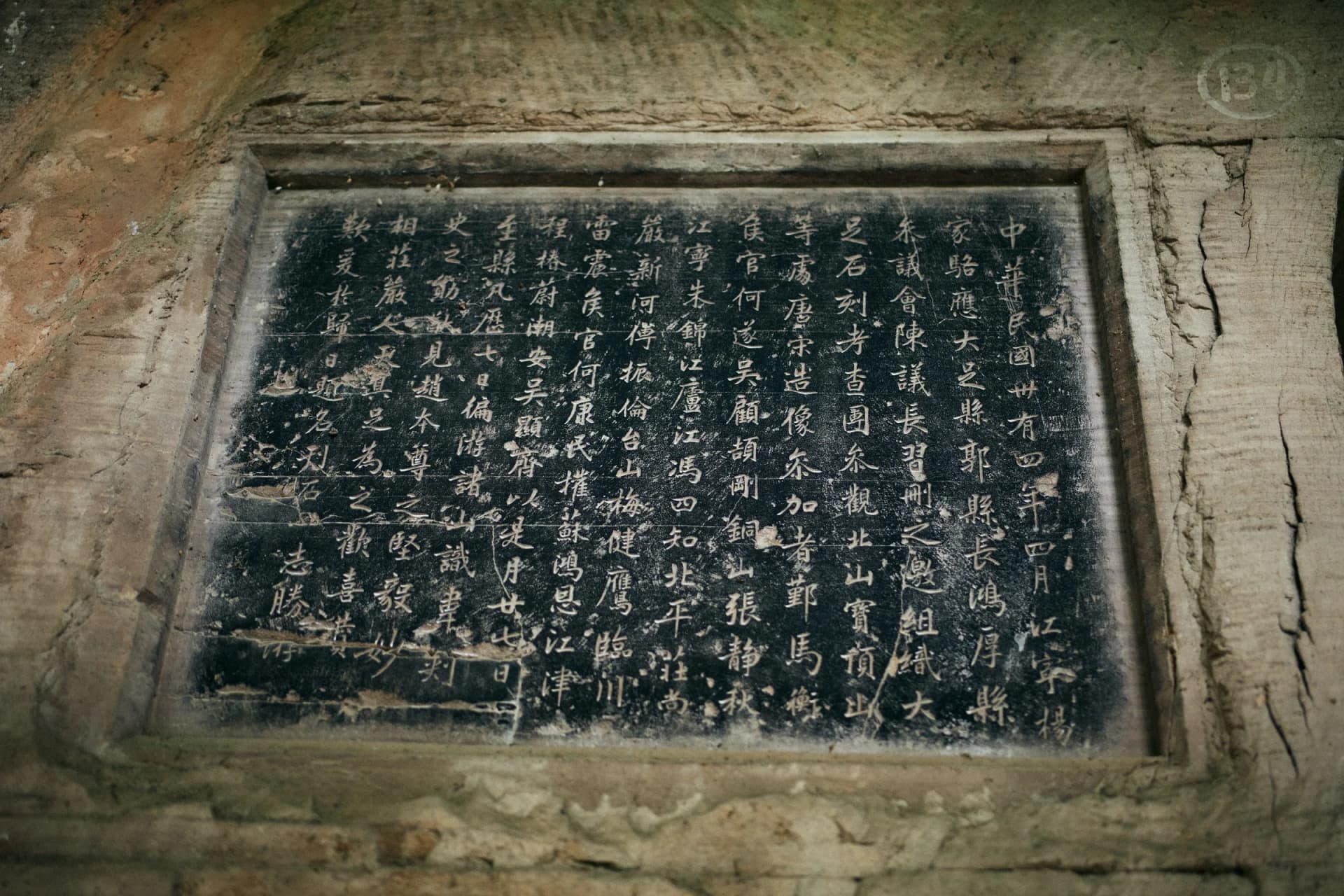
Download the official digital guide or save Chinese labels before leaving town. At the cliff, compare subject, dress and placement rather than trying to identify every figure from a translation app. Never touch carvings, use flash against local instructions, cross barriers or follow comments toward unstaffed “wild” niches.
When to stop or change the plan
Rain can make rural roads, steps and mossy stone awkward; summer heat makes Nanshan's stairs disproportionately tiring. Small gates may have limited food, toilets and sheltered seating. Carry what you need, leave no litter and keep the driver reachable.
If one site reports a closure, do not substitute an unverified nearby cliff. Return to the Dazu city guide, spend longer at Beishan, or use the Baodingshan–Beishan day route. The point of the second day is deeper reading, not completing a number.