Dai Temple
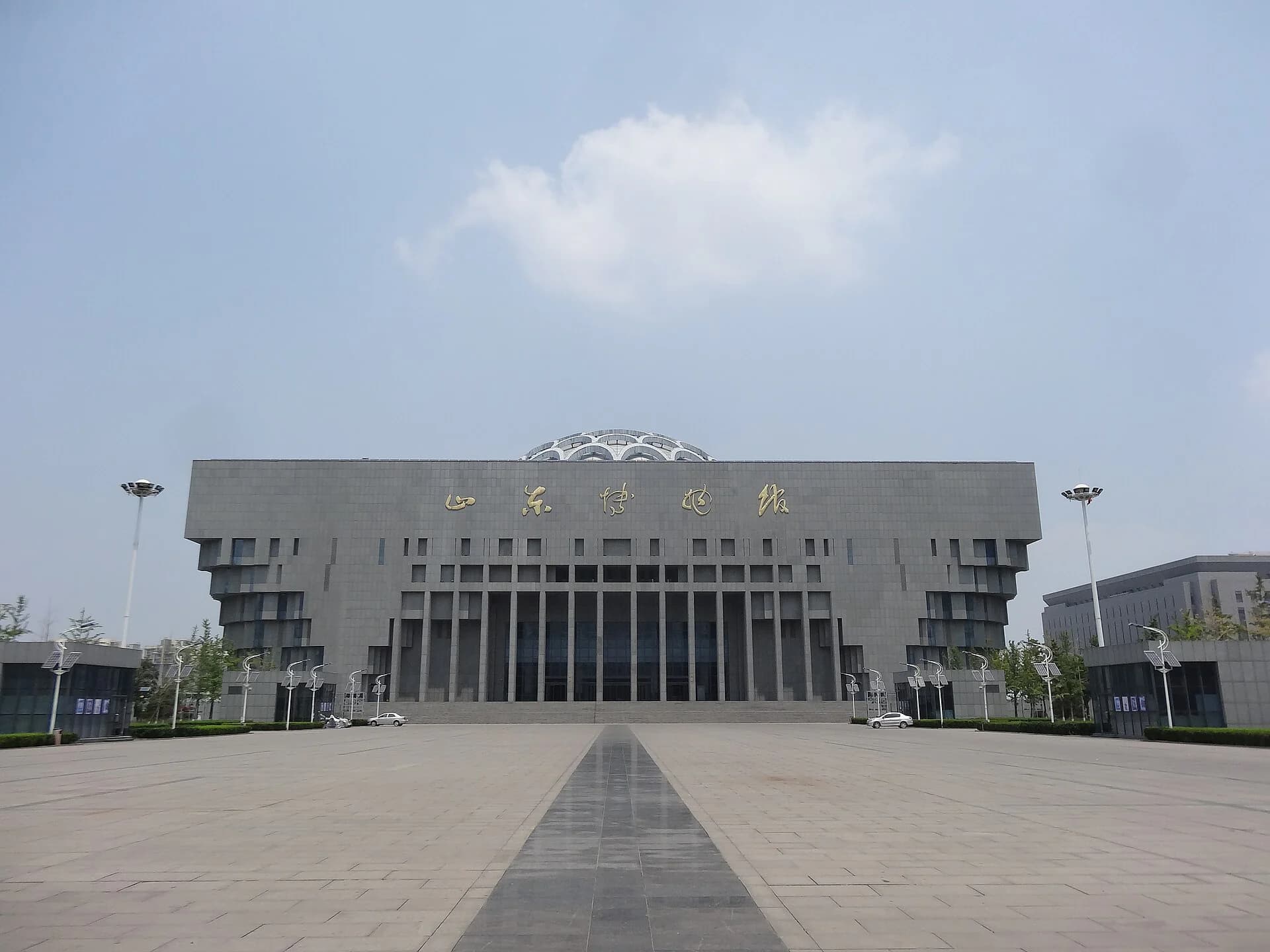
Dai Temple (岱庙, Dài Miào) is Tai'an's most valuable urban cultural visit: a walled ritual complex where imperial ceremony, sacred-mountain worship, ancient trees, stelae and Tai'an Museum interpretation meet. Give it about two hours on arrival day or after the mountain rather than reducing it to a gate on the way uphill.
Why it stands on its own
The temple gives Mount Tai's landscape a human scale. Its axial gates and courtyards frame a tradition of imperial sacrifice and living sacred-mountain practice; Tian Kuang Hall is associated with a major 1009 Taoist mural; the stele and museum layers make the site more than a photogenic forecourt. This is the best place in Tai'an to understand why the mountain mattered before choosing how to climb it.
The value does not depend on a festival or evening performance. The Dongyue Temple Fair, markets and extended-night programs are dated events, not everyday features. Check the current calendar if one of those layers matters to your trip.
A focused two-hour sequence
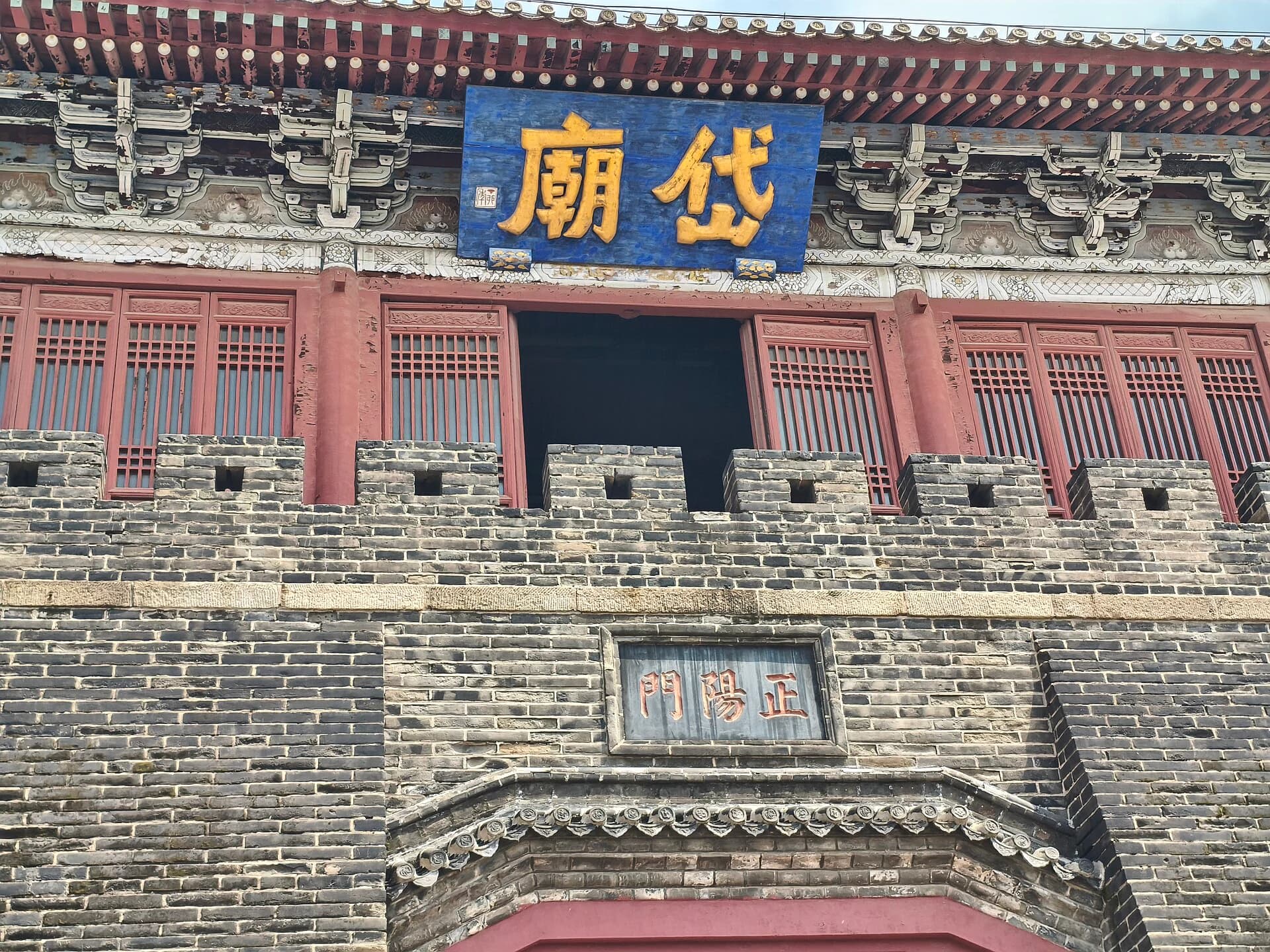
- Enter through the current public gate and establish the main axis. Zhengyang Gate and the successive courtyards make the north–south ritual order legible.
- Continue toward the principal hall layer. Read the architecture and mural tradition, but let current signs determine which halls and interiors are open.
- Slow down for the stele and ancient-tree courts. These quieter details reveal the temple's accumulated history better than racing from gate to gate.
- Choose one material-culture branch. The Bronze Pavilion, stone carving or a current Tai'an Museum display gives the visit a distinct final focus.
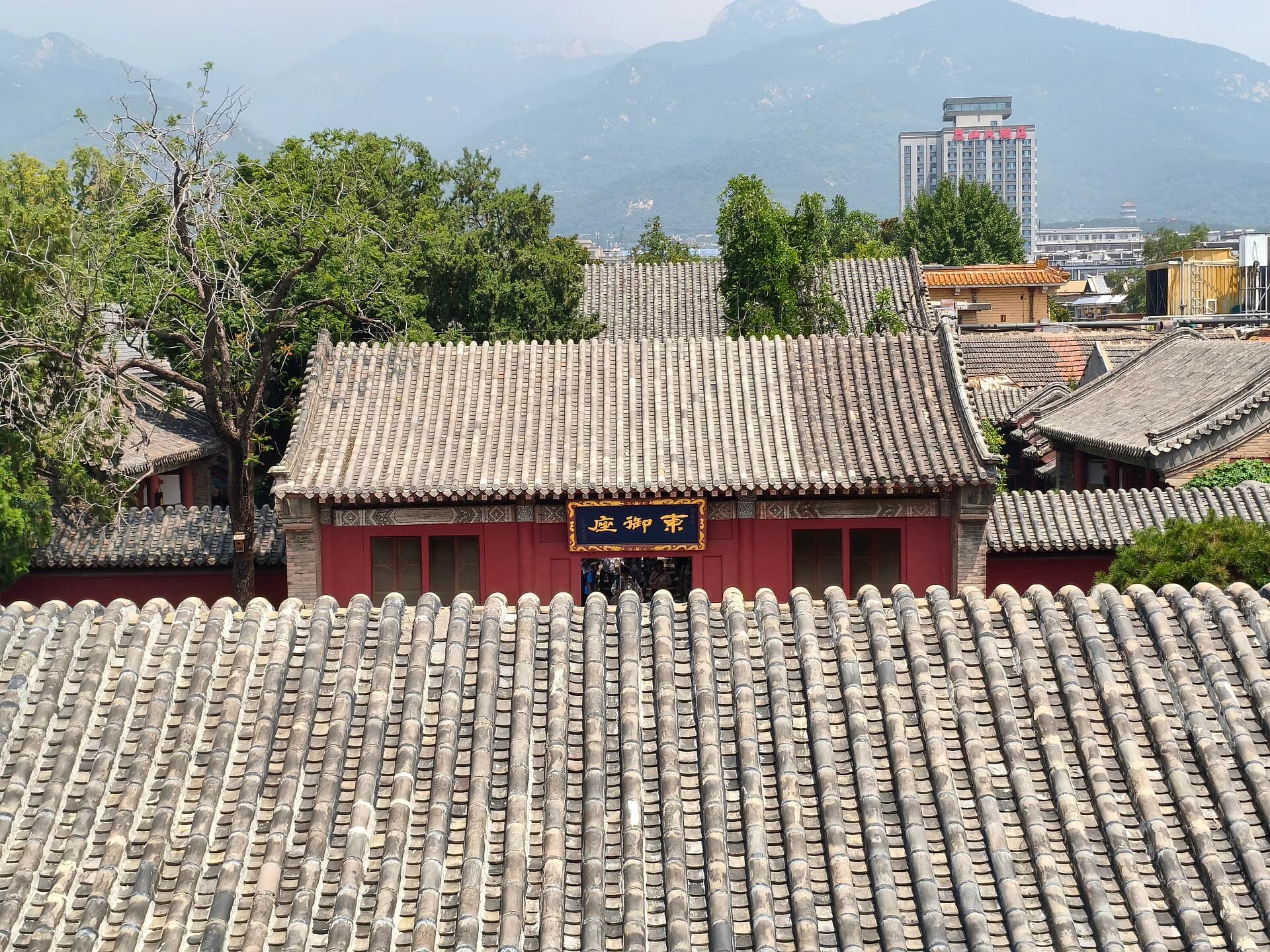
Photo: 祝鱼贵 · Source · CC BY-SA 4.0
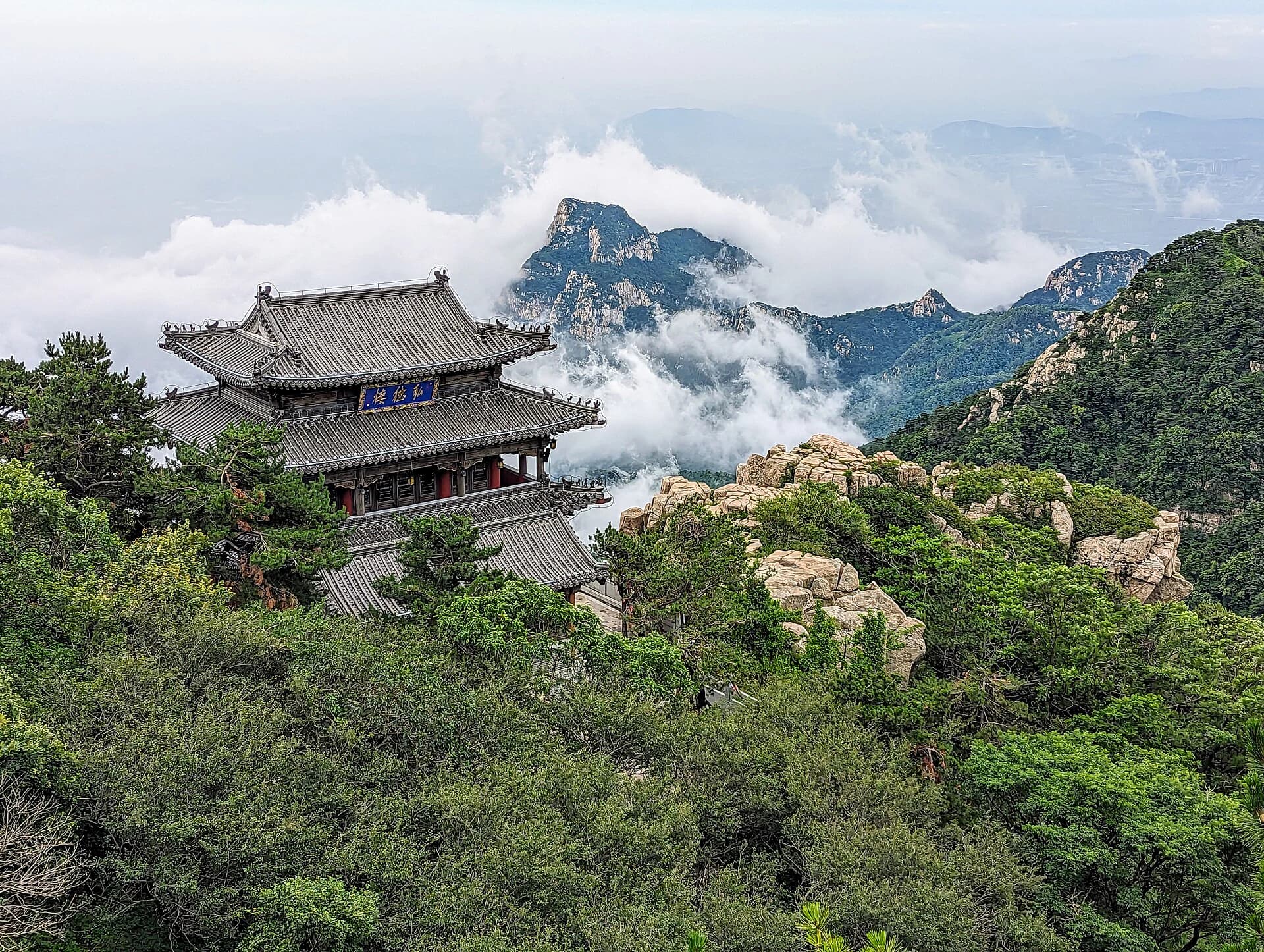
The mountain view above explains the temple's geographic relationship with Mount Tai; it does not make Dai Temple an included entrance or prove a continuous walking route to the summit.
What to notice
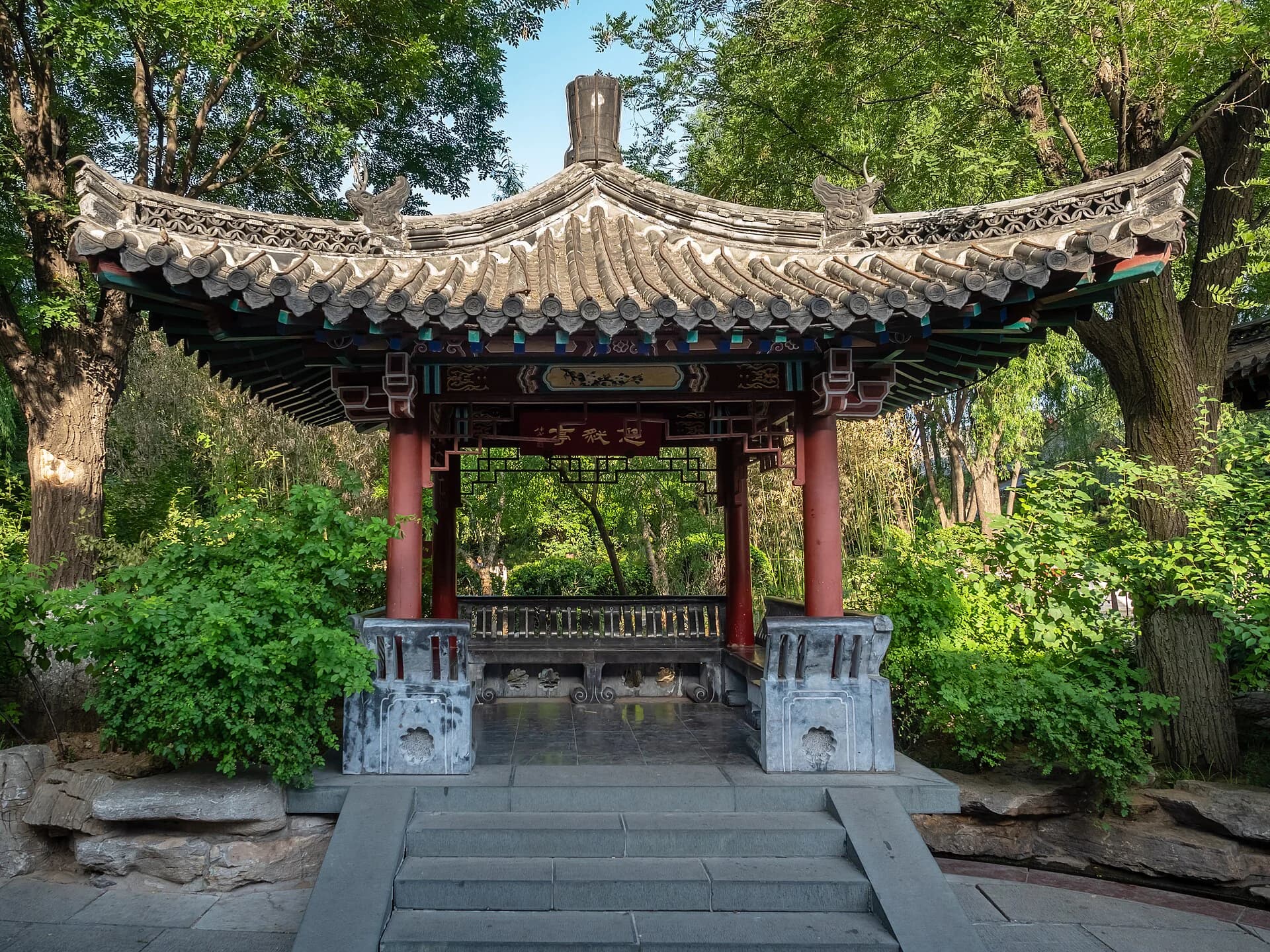
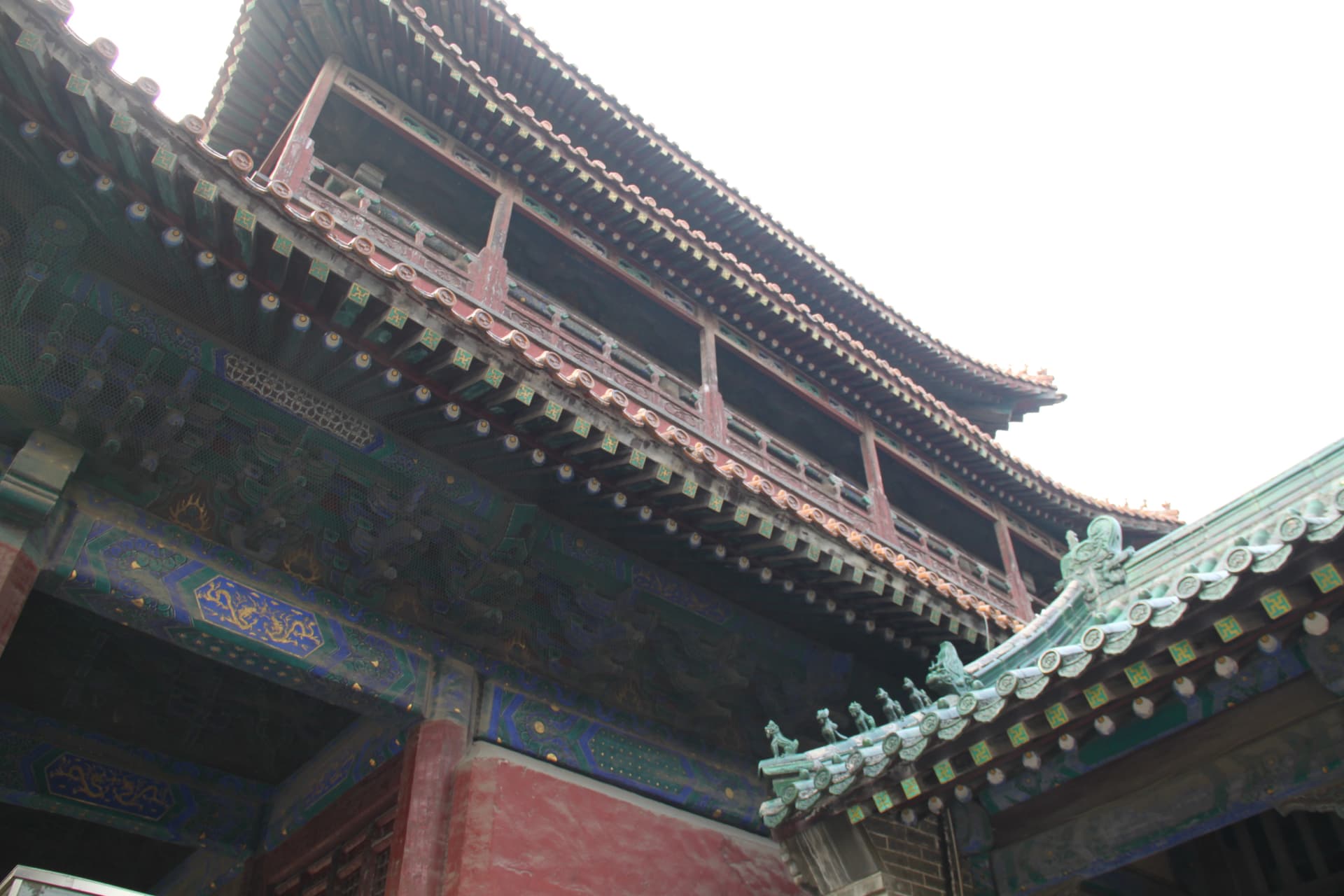
The complex rewards attention to materials and age: gate proportions, roof details, stone inscriptions and old cypresses show how successive periods accumulated around the same sacred axis. The trees are part of the visitor experience, but captions and signs—not appearance alone—should control any age or historical attribution.
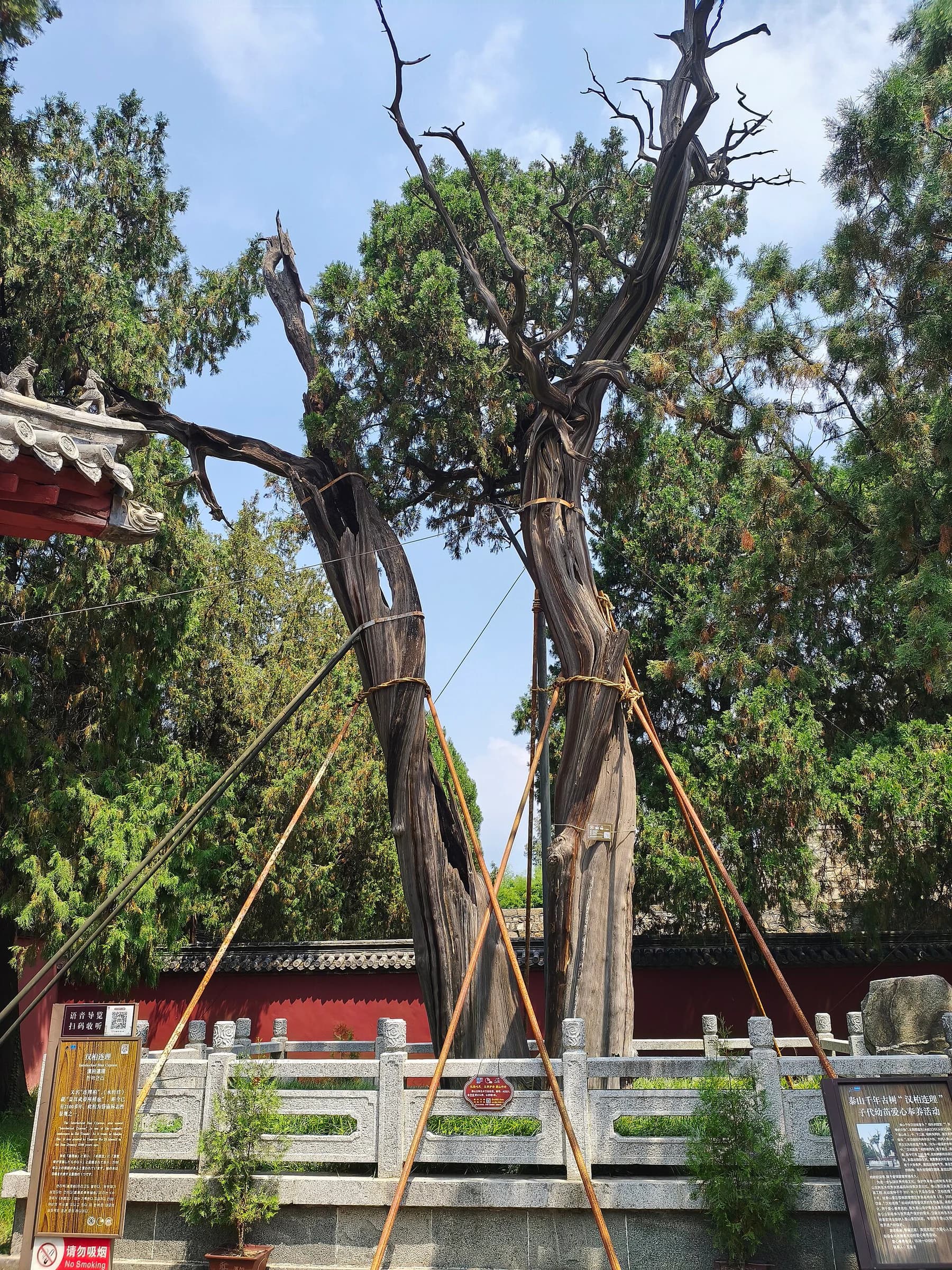
Photo: 祝鱼贵 · Source · CC BY-SA 4.0
This remains a place of religious and commemorative meaning. Keep voices low near worship, avoid blocking ritual space, and ask before photographing people. Current photography limits for individual halls and displays should be followed on site.
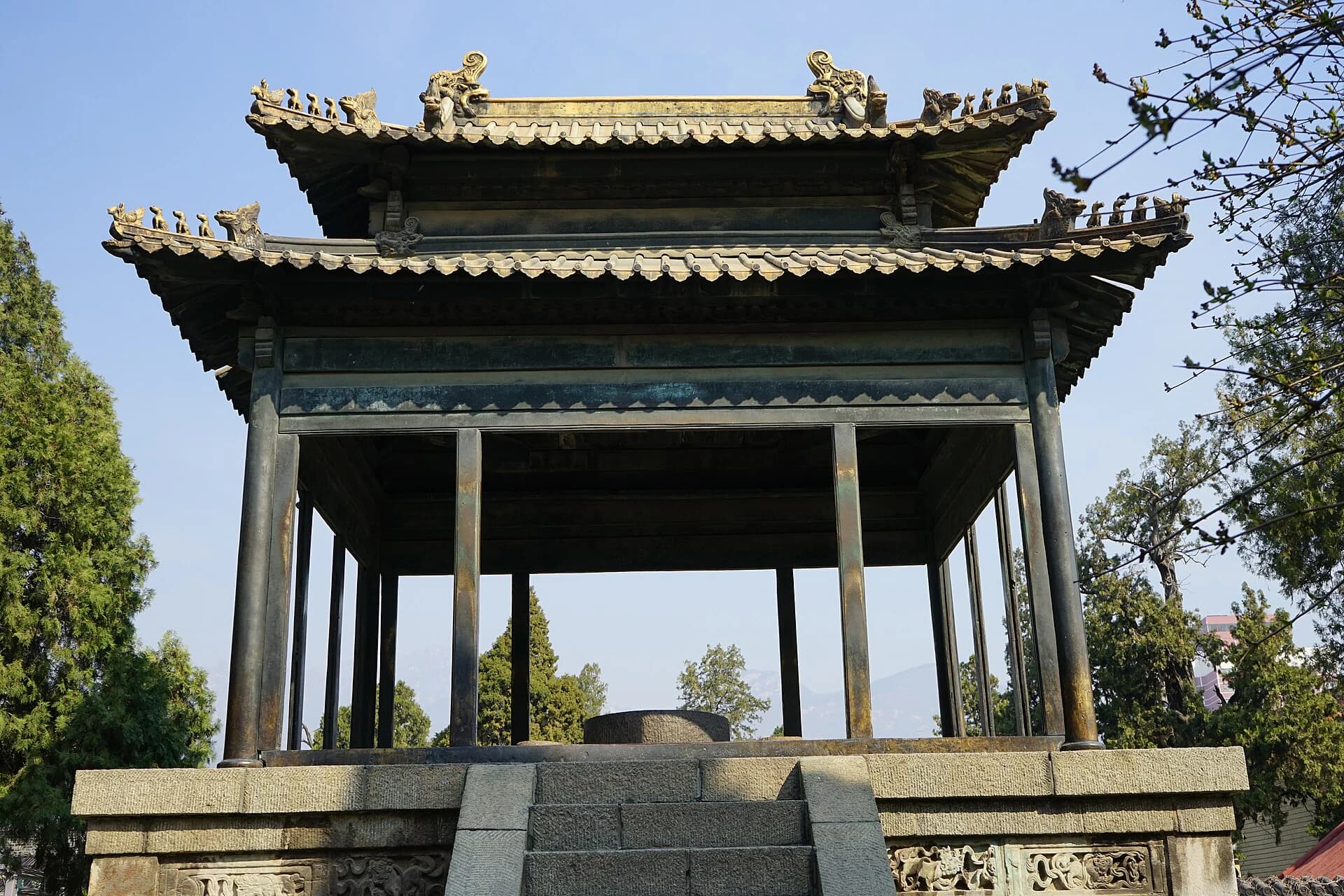
Photo: Huanokinhejo · Source · CC BY-SA 4.0
Admission and visitor information
The current official price baseline is CNY 20 for ordinary admission. A dated municipal guide listed 08:00–17:30, with the last ticket at 17:00; verify the ordinary 2026 schedule, current entrance and open halls before visiting. Holiday extensions and festival nights do not establish regular hours.
No third-party ticket is linked because the current booking platforms do not expose a reliable exact ordinary-admission product for international visitors. Carry the original passport and confirm the staffed ticket or manual-verification process. Dai Temple admission is separate from Mount Tai's CNY 115 ticket unless a selected live checkout explicitly states otherwise.
Getting there and pairing it well
Open Dai Temple on AMap. The road model checked on 21 August 2026 placed it about 2.8 km / 8 minutes by car from central Taishan Station and 10.8 km / 22 minutes from high-speed Tai'an Station. From the temple to the Red Gate visitor centre, the same model gave a useful 1.4 km / 20-minute walk for fit daytime visitors.
That short city-to-foothill link does not make a full mountain ascent a casual extension. The strongest plan is Dai Temple on arrival day, then a separate Mount Tai route. Return to the Tai'an guide to choose the right rail arrival and sleeping base.