Tai'an
Itineraries including Tai'an
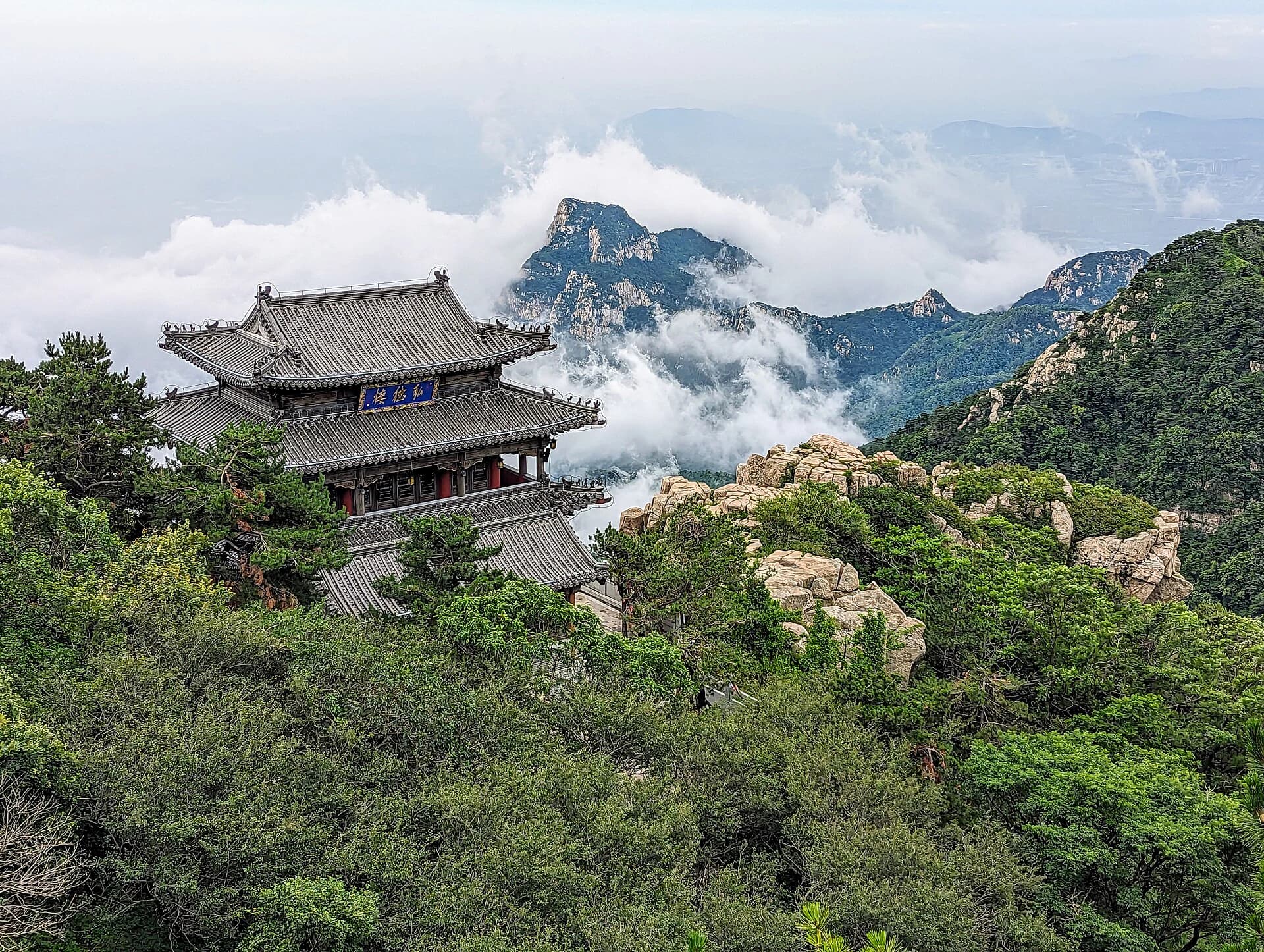
Tai'an is the practical base for one of China's great cultural landscapes. Mount Tai combines a monumental stair ascent, inscriptions, temples and high ridges; Dai Temple gives that mountain tradition an urban ritual and museum setting. The strongest first visit treats them as two experiences and gives the mountain enough weather and recovery margin.
Choose the trip shape
| Trip shape | Best for | Strongest plan |
|---|---|---|
| One full day | Travelers prioritizing the mountain | Choose Red Gate, Tianwai Village or a mixed ascent; keep the evening light |
| Two days / one night | Best first visit | Arrival-day Dai Temple → separate Mount Tai day |
| Three days / two nights | Sunrise attempt, weather flexibility or slower recovery | Keep the mountain day movable → Dai Temple and city layer → onward Shandong travel |
Stay near the Red Gate–Dai Temple side when the historic ascent is the priority; choose the Tianwai Village side when the assisted route matters more. A western high-speed-station base shortens arrival logistics but not the mountain morning. Compare Tai'an hotels on Trip.com, then check the exact property pin, international-guest policy, luggage storage and route to your reserved entrance.
Mount Tai: full hike, assisted summit or mixed day
The Mount Tai guide starts with the decision that changes the whole day:
- Red Gate full ascent is the culturally complete stair journey—about 9.5 km, 7,863 steps and roughly five hours for a fit visitor in the official route baseline.
- Tianwai Village assisted ascent uses the managed bus to Mid-Heaven Gate, then a separately purchased cableway when operating.
- Mixed ascent takes the Tianwai bus to Mid-Heaven Gate and walks the upper historic stairs, keeping the mountain character while reducing the total climb.
Admission, scenic bus and cableway are separate products. Choose the entrance and time slot before leaving the city, and keep the descent flexible around live weather and transport operation.

Photo: WFan · Source · CC BY-SA 4.0
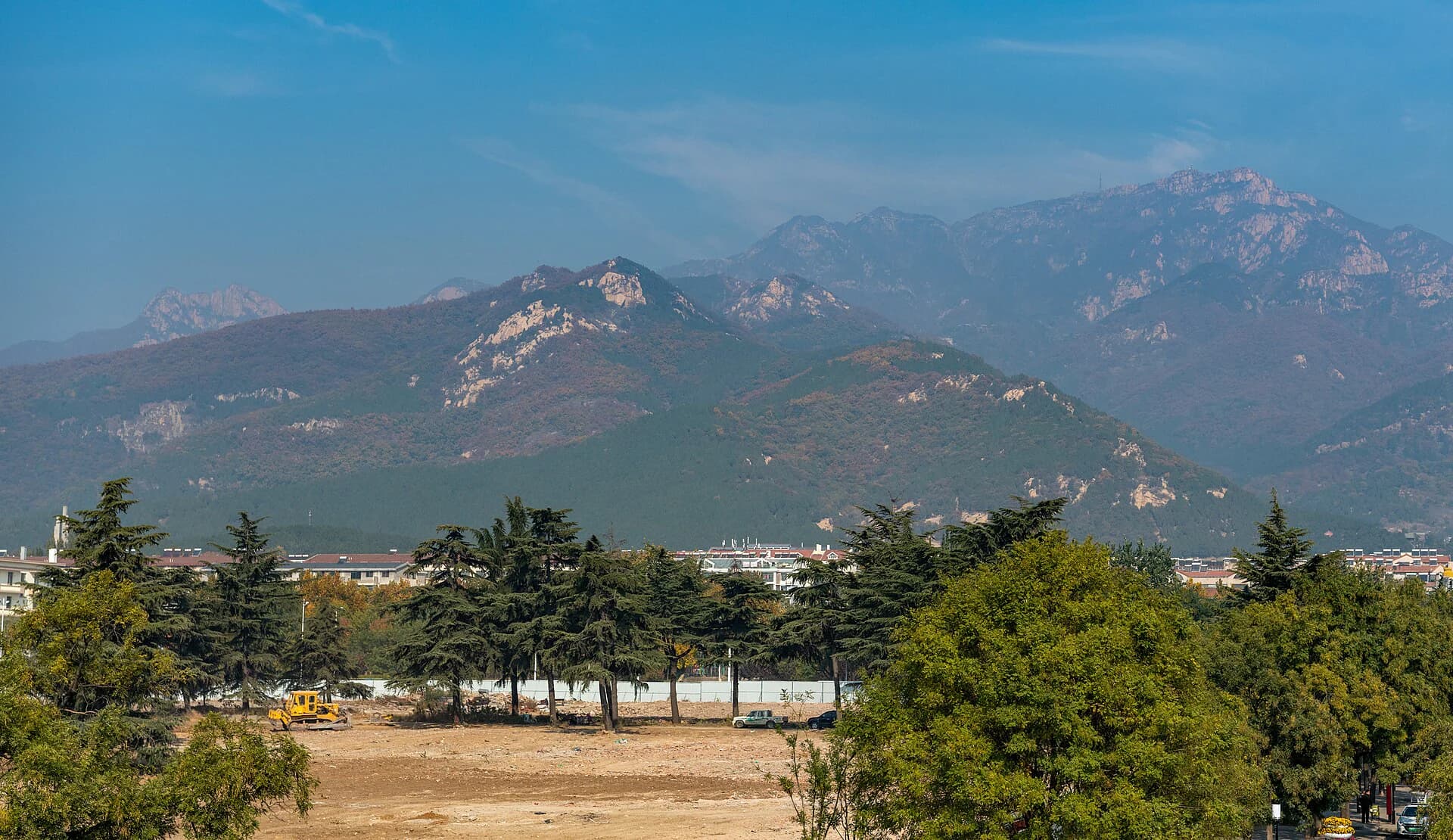
The lake image is useful for the western city-and-mountain relationship; it does not show the central streets, a mountain entrance or a current lake activity.
Dai Temple deserves its own visit
Dai Temple is not merely a decorative preface to the climb. Its gates, courtyards, ancient trees, stelae, ritual architecture and Tai'an Museum layer make a rewarding visit of about two hours. The temple explains how imperial ceremony and living sacred-mountain traditions shaped the way Mount Tai was understood.
Put it on arrival day when possible. Dai Temple to the Red Gate visitor centre modelled as a 1.4 km / 20-minute walk on 21 August 2026, but continuing immediately into the full ascent is still an ambitious physical day. The temple has its own admission and hours; it is not automatically included with Mount Tai.
Arrival, luggage and onward Shandong travel
Tai'an Station (泰安站) is the western high-speed rail arrival. In dated AMap road models it was about 22–27 minutes from Dai Temple, Red Gate visitor centre and Tianwai Village visitor centre. Taishan Station (泰山站) is the more central conventional rail arrival, about 8–13 minutes by road from those three visitor layers in the same model. Live traffic controls the actual transfer.
Arrive the previous evening for an early mountain reservation, leave large luggage at your accommodation, and avoid tying a summit return to a tight onward train. For a wider Shandong route, continue to Jinan for the spring city or to Qufu for Confucian heritage; use separate bases rather than compressing all three into one day.
Illustrated guides
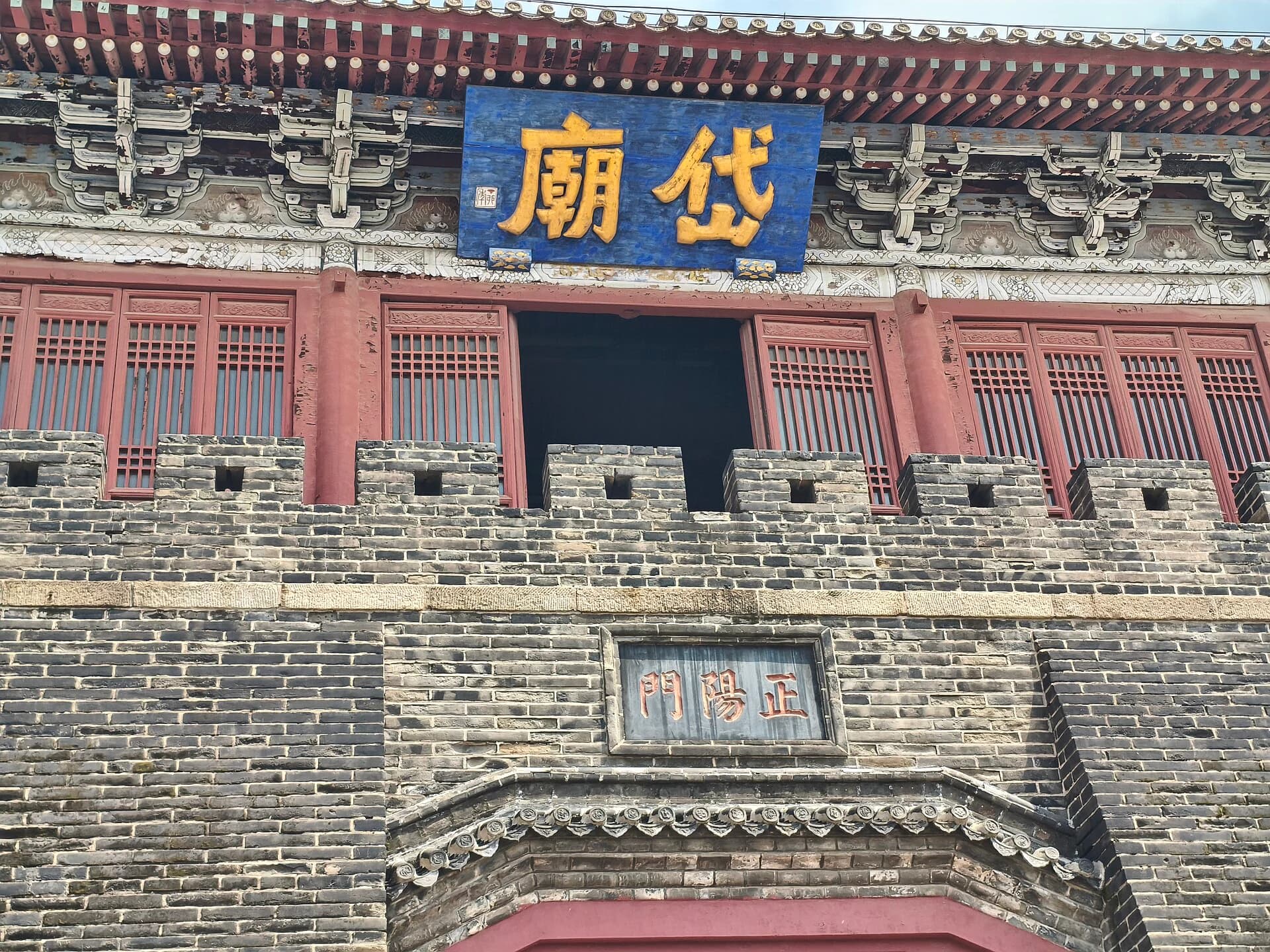
Tai'an works best when the plan remains selective: one mountain product you can complete, one independent temple visit, and enough flexibility for weather and recovery.