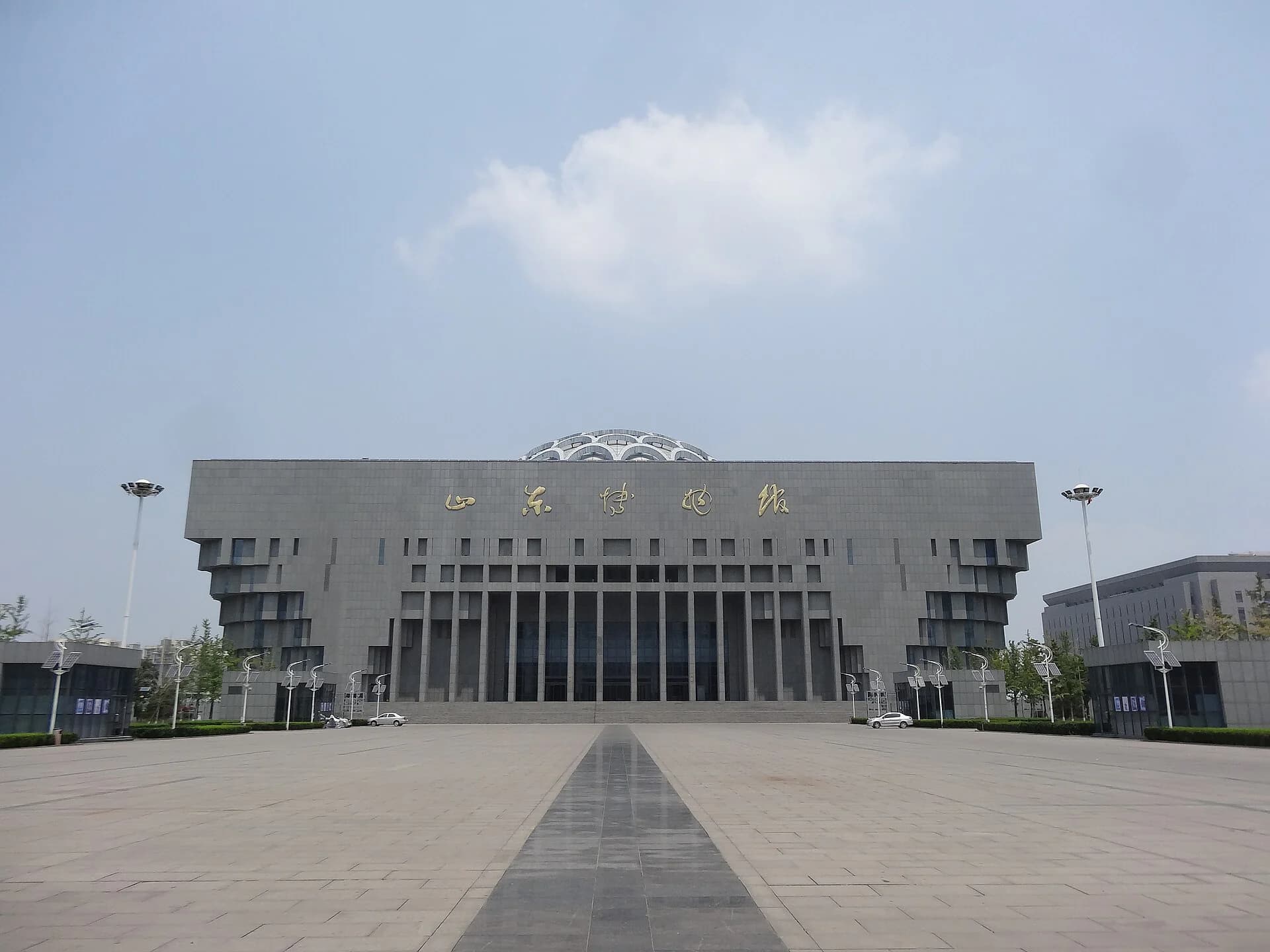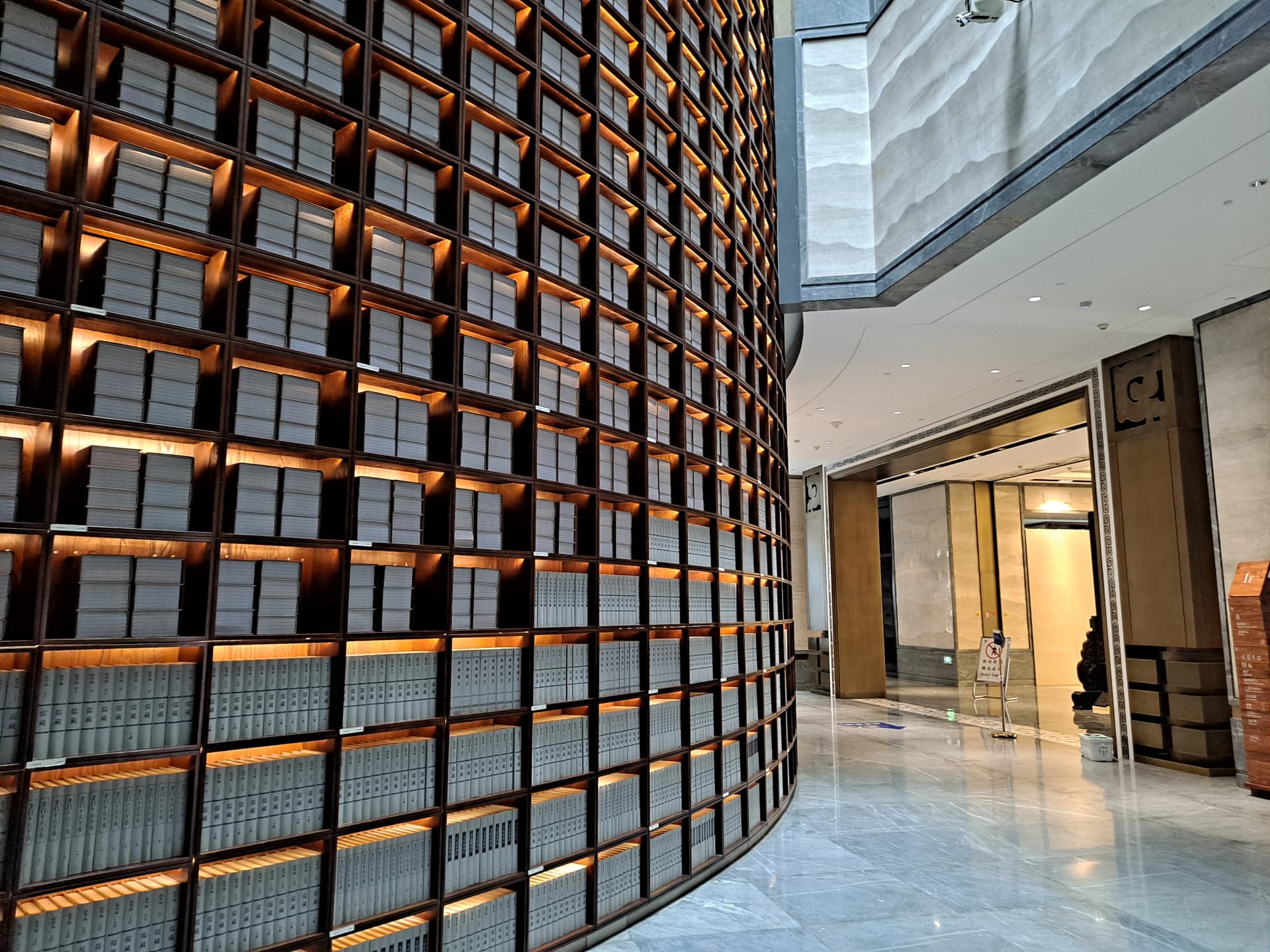
Confucius Museum
Confucius Museum is where Qufu's architecture gains context. Books, ceremonial material, historical dress, Kong Family collections and changing exhibitions help visitors see how Confucius was remembered and interpreted long after his lifetime. It is the strongest indoor complement to the Three Confucian Sites—and deserves more than a rushed hour after the old city.
Choose a focused museum product
| Product | Shape | Best for |
|---|---|---|
| Core half day | Main historical sequence → family collection highlights → one changing exhibition | Most first visits |
| Interpretation-first visit | Confucius' life and later reception → books and ceremonial objects | Visitors who found the Temple labels too compressed |
| Reduced-energy visit | One chronological layer → selected collection gallery → rest | Hot weather, families or limited stamina |
Begin with the broad historical sequence. Then choose one or two collection themes rather than trying to finish every gallery. Books and records illuminate transmission; ceremonial and dress objects show how lineage and ritual were materialized; later exhibitions reveal how the image of Confucius keeps changing.
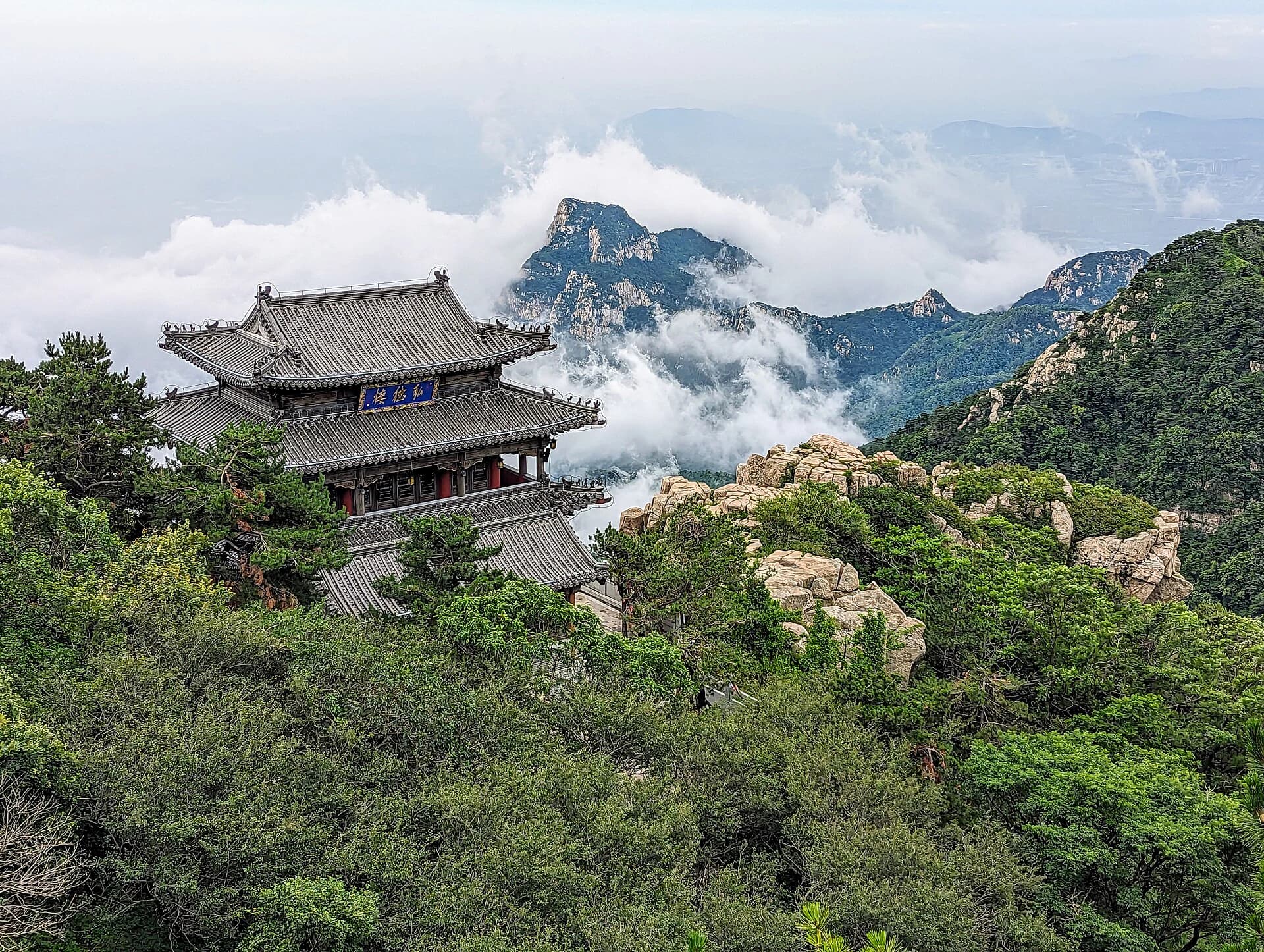
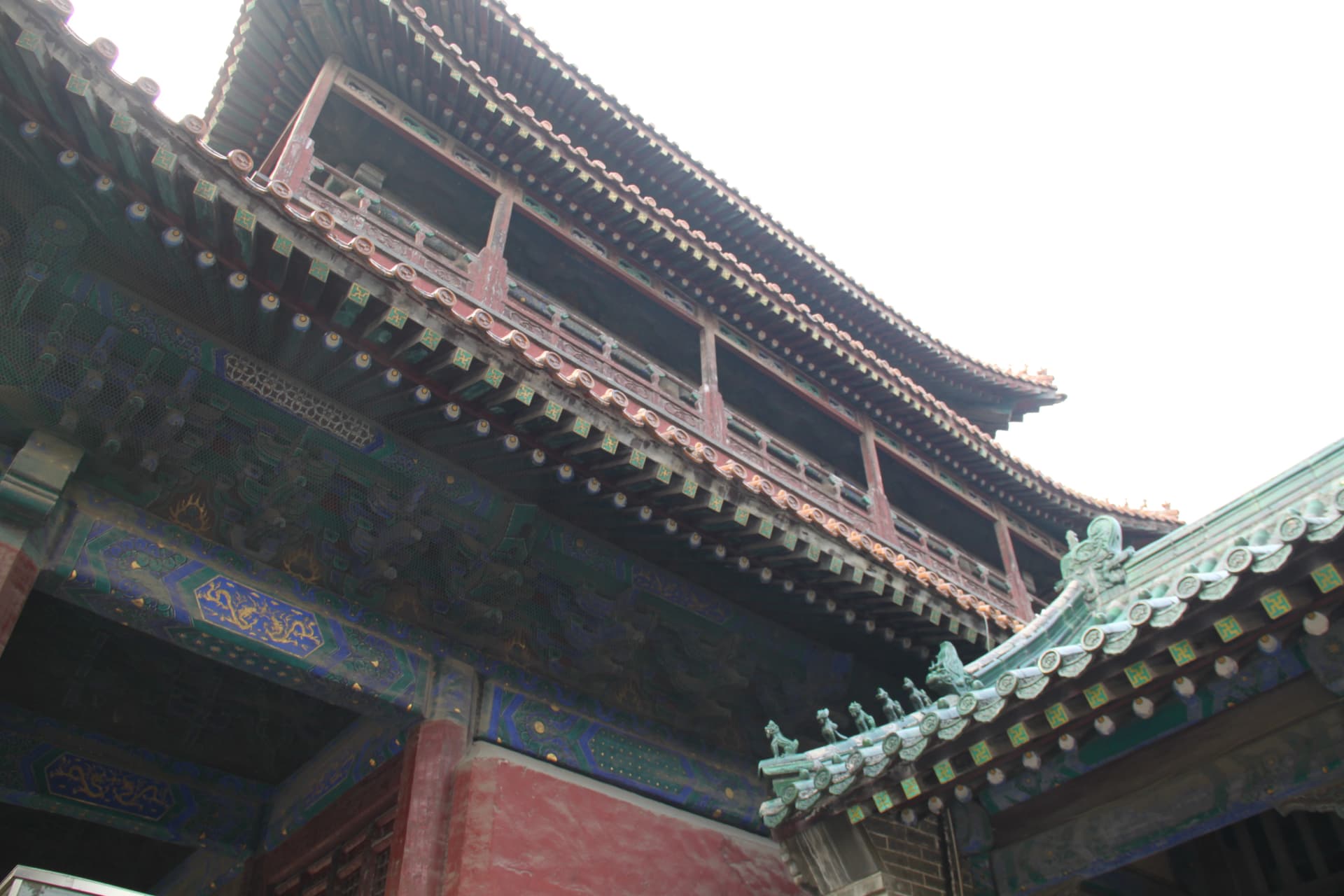
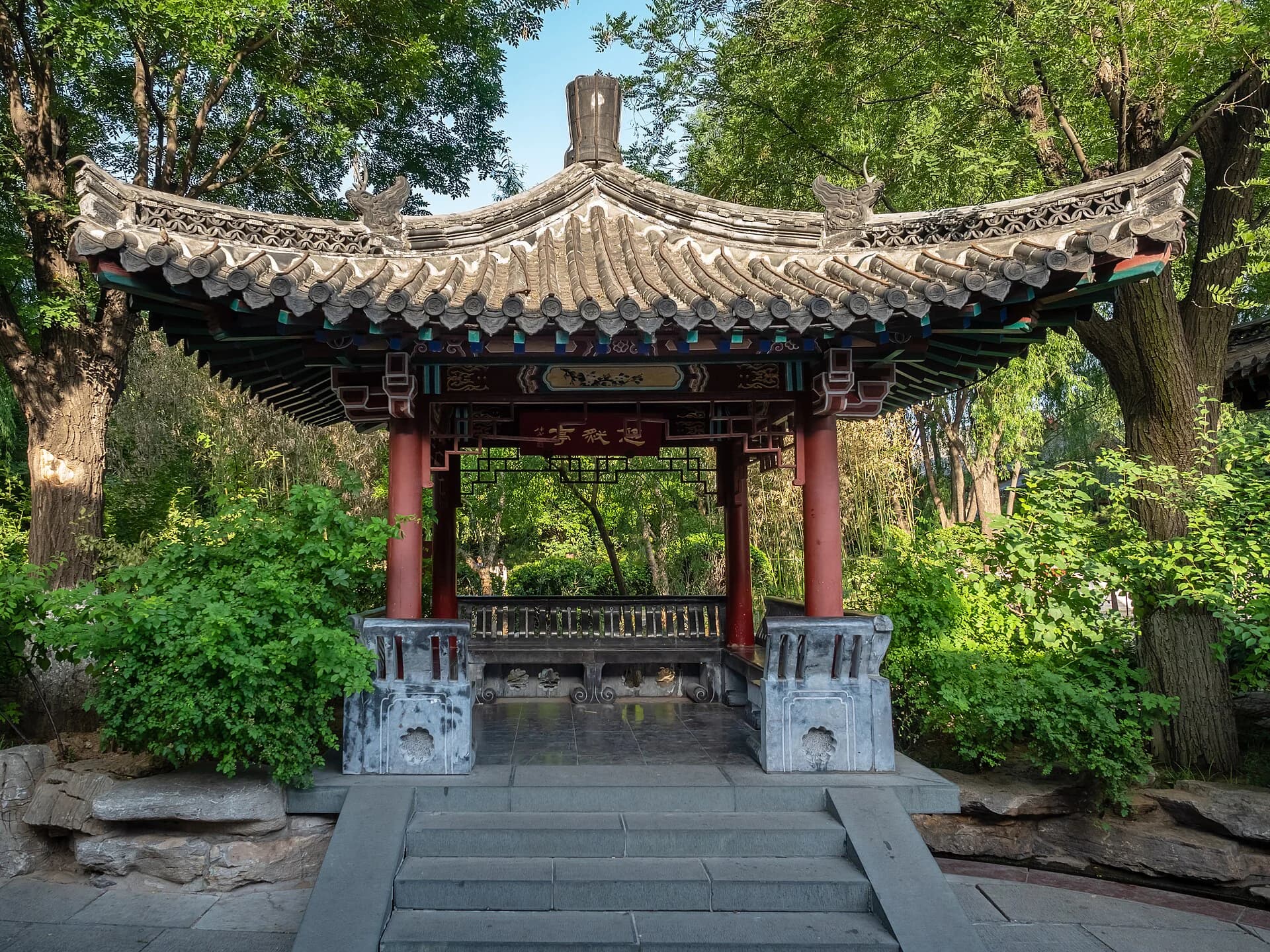
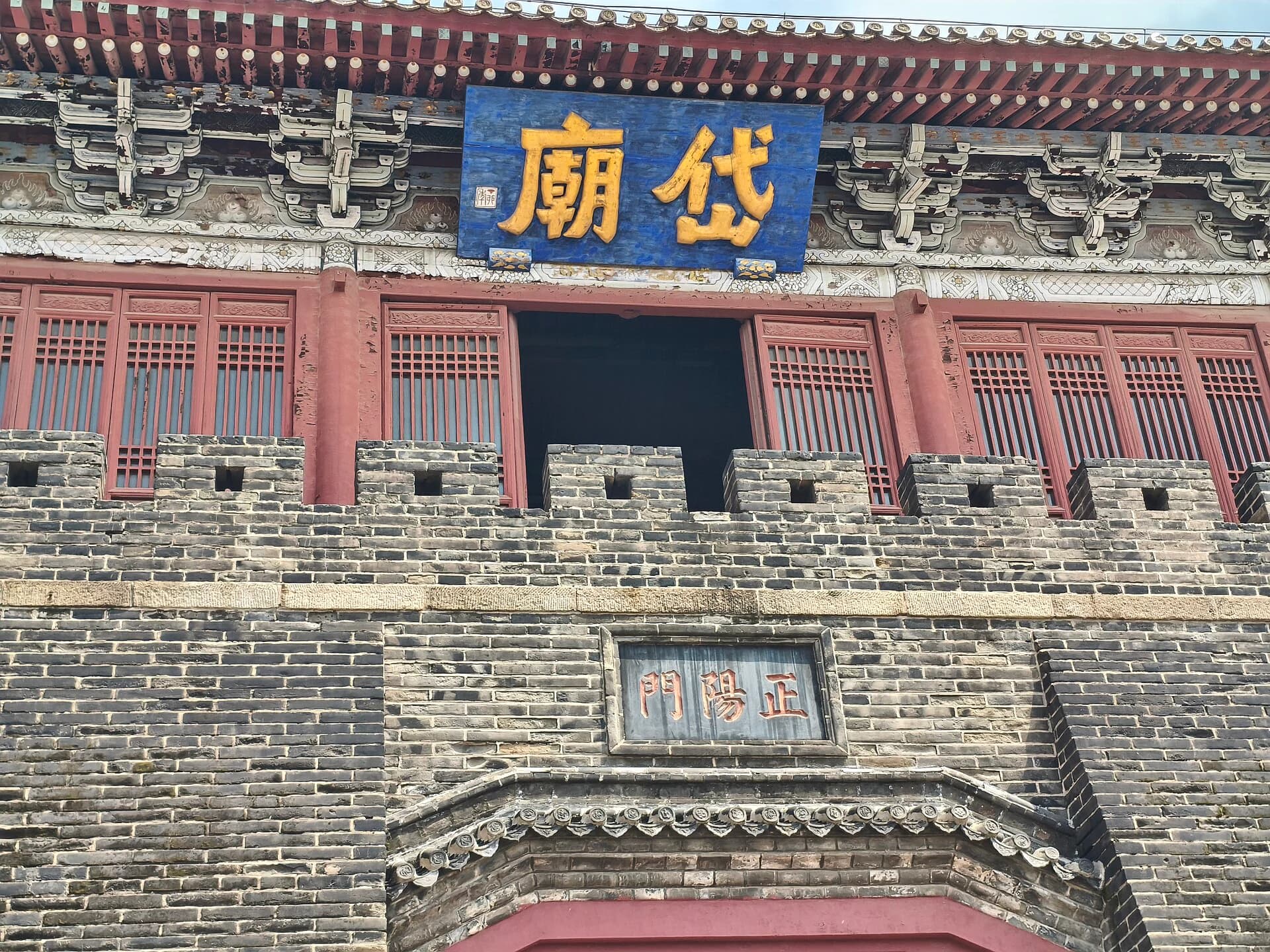
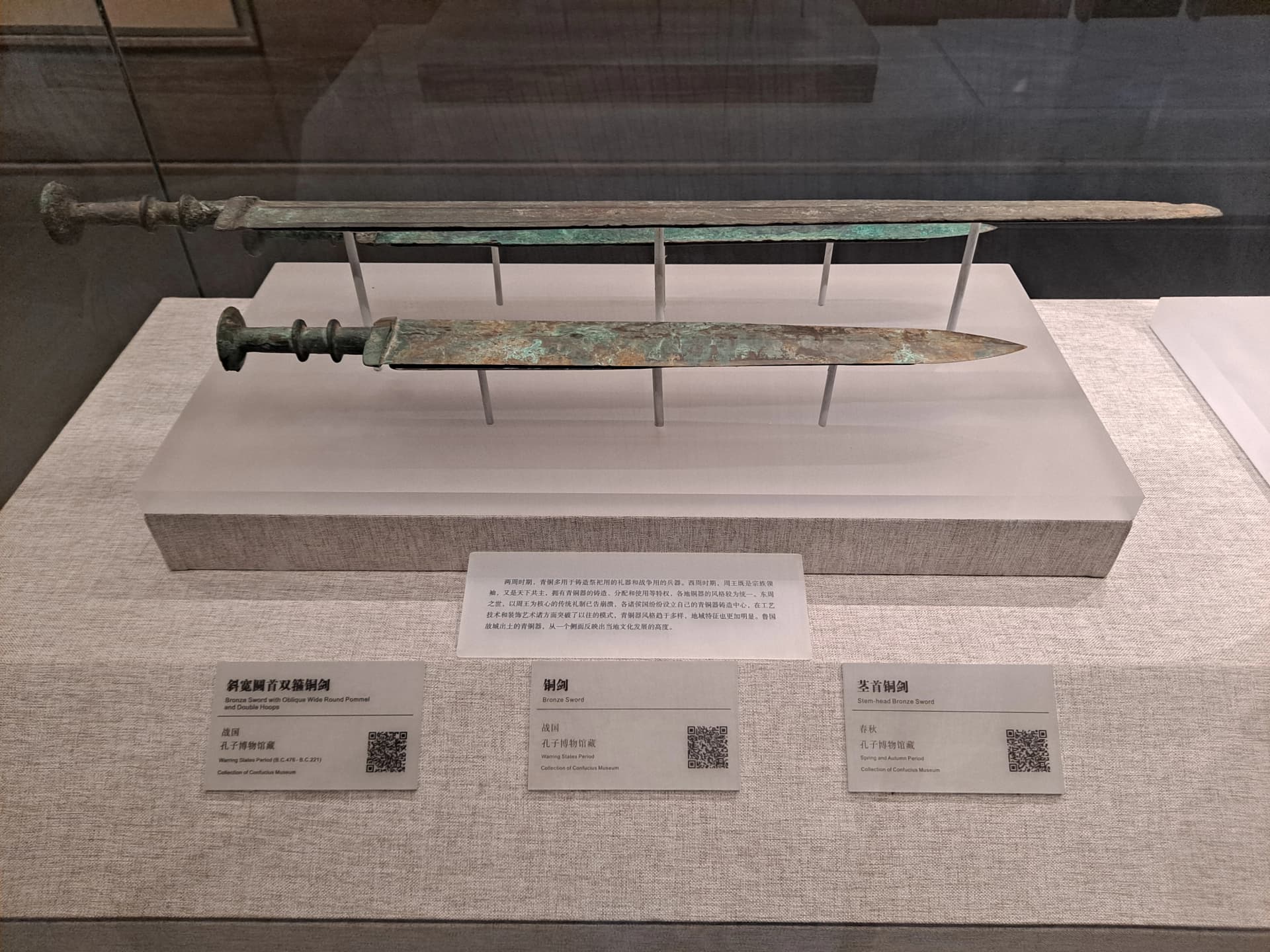
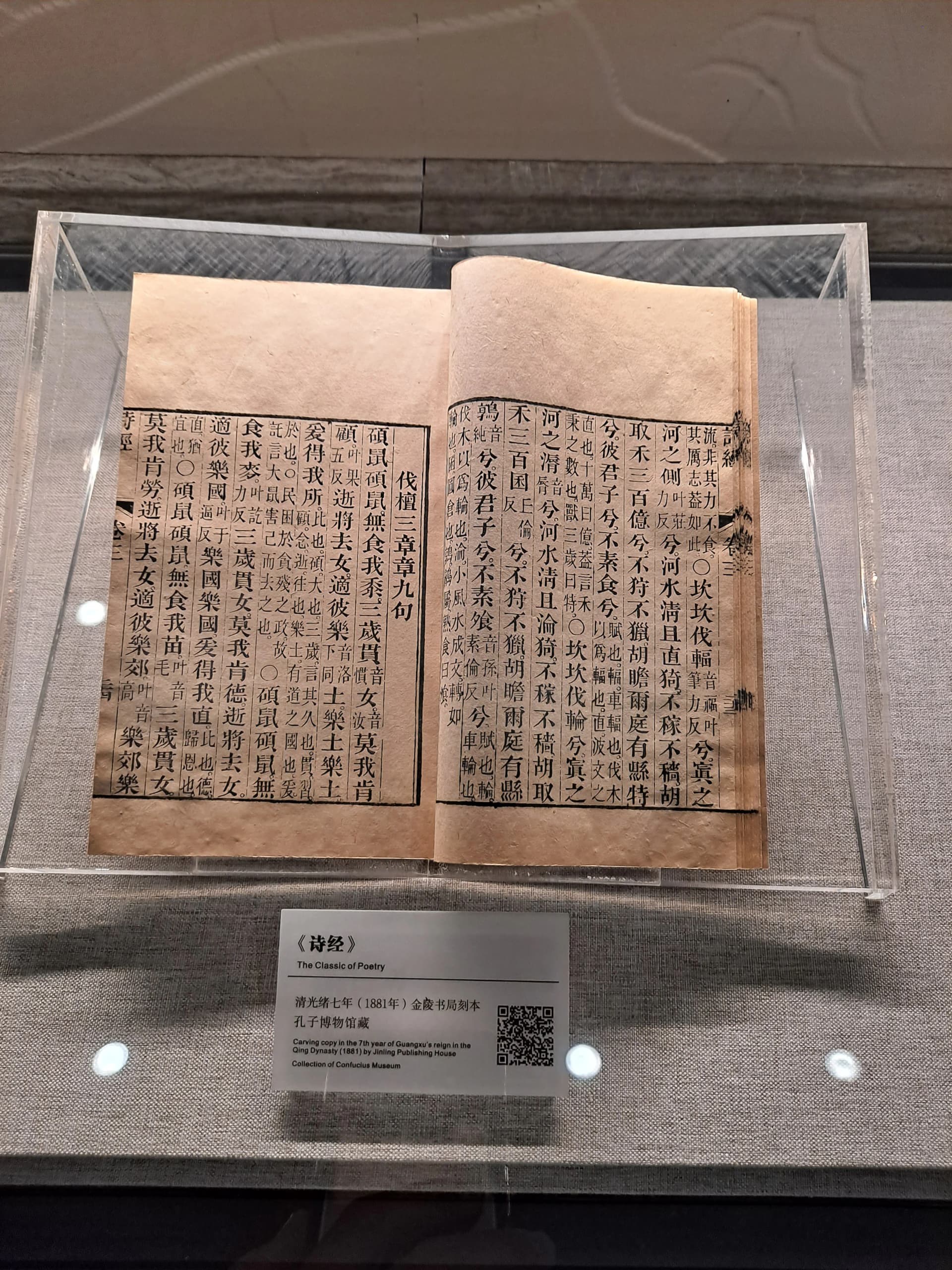
The displays below belong to the museum's collection context, but a photograph cannot promise that a particular object, case or temporary exhibition is on view today. Use the live floor guide and ask which core galleries are open before committing your energy.
Ordinary admission is free
The museum operates as a free public museum. A tour, workshop or special digital product—when offered—is a separate choice and is not required for ordinary admission.
Entry procedures remain live. Past official notices used different individual, group and holiday crowd-control rules, and those notices do not establish the ordinary foreign-passport flow for every date. Before a tightly timed visit, check the museum's current official notice or account for its weekly calendar, last entry and whether individuals need a reservation. Carry the original passport, and leave enough time for a service-desk or manual check if the standard digital path does not accept the document.
Do not pay a third party merely to “reserve” free ordinary admission without a clearly separate, useful service contract. If you buy interpretation, confirm the language, duration, meeting point, group size and whether the guide helps with entry or meets only after admission.
Keep it separate from the old-city ticket
Open Confucius Museum on AMap. It is a distinct southern attraction, not a gallery inside the Temple and not included in the Three Sites joint ticket. AMap's road model checked on 21 August 2026 placed the museum about 4.3 km / 11 minutes by car from the Temple south ticket office. The walking model was 4.5 km / about one hour, so most visitors should plan a separate live transfer rather than assume an easy continuation.
AMap did not validate a dedicated museum visitor centre or a fixed public-transport service. The exact museum marker is the safest external endpoint; current traffic, drop-off access and any transit line still need a day-of check.
Pair it by purpose, not by leftover time
For the richest two-day visit, give the Three Confucian Sites their own heritage day and place the museum on the second morning or afternoon. With only one day, a strong alternative is Temple + Mansion → rest → museum, leaving the dispersed Cemetery for another block. This keeps interpretation depth while reducing late-day walking.
The museum also works well during heat or uncertain weather, but it is not just shelter. Protect attention for the galleries and finish with a quiet review of what changed your understanding. For arrivals, the old-city base and the separate Nishan choice, use the Qufu travel guide.