Qinghai Provincial Museum
Qinghai Provincial Museum (青海省博物馆) is the most useful indoor orientation before a Qinghai road trip. Its best material explains why the province is more than scenery: prehistoric farming and painted pottery, movement along highland corridors, Tibetan Buddhist art, and the material lives of communities across the river-source plateau.
Allow 90 minutes for a focused visit or two and a half to three hours for the full core. The museum is especially good on your arrival day because it is centrally located, indoors and easy to pause while acclimatising. Recent visitors combine it with Xining Wildlife Park, but a timed reservation means the museum—not an ambitious checklist—must control the afternoon.
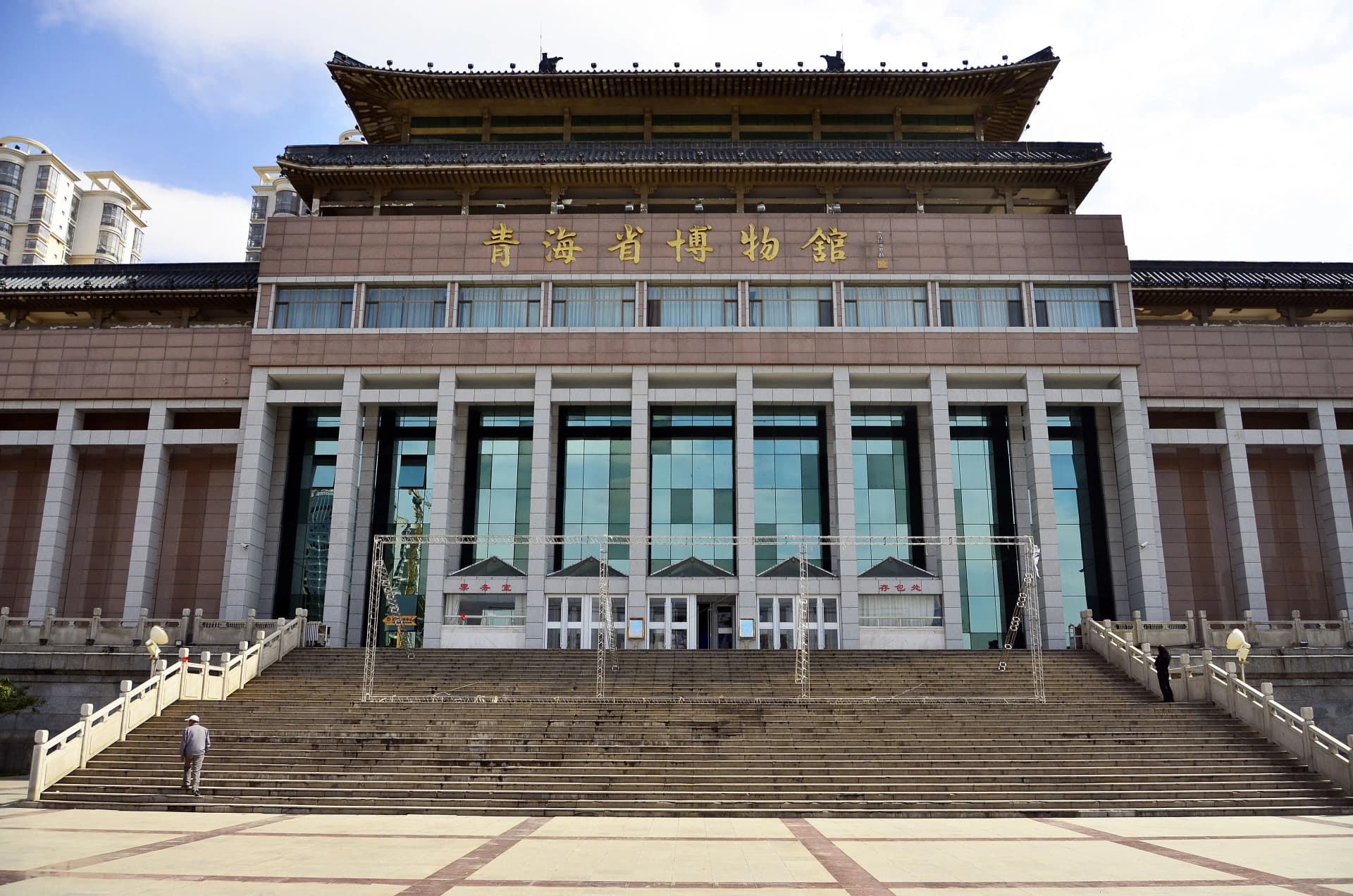
Photo: Byrnzie500 · Source · CC BY-SA 2.0
Read the galleries through three questions
Exhibition names and room positions can change, so collect the current map. Instead of searching only for “top treasures,” use three questions:
How did people live on the early plateau?
Begin with prehistoric archaeology and painted pottery. Look at vessel shape, handles, soot, repair and burial context before decoration. The famous dance-pattern painted-pottery basin is widely associated with the collection, but major objects can travel or rotate; ask whether it is on display rather than promising yourself one case.
How did the plateau connect regions?
Continue through the historical sequence and objects that show mobility: metalwork, horse culture, textiles, exchange routes and religious transmission. Qinghai sat between agricultural plains, pastoral highlands and routes toward Central and South Asia. Read objects as evidence of contact rather than assigning every style to a single timeless identity.
How do communities describe life today?
Finish with ethnic-cultural, Tibetan Buddhist art or “Lovely Qinghai” displays that are open. Treat clothing and ritual objects as part of living cultures, not exotic decoration. Check whether interpretation distinguishes historic, ceremonial and contemporary use.
With only 90 minutes, do prehistoric material and one plateau-culture gallery. With three hours, follow the complete chronological spine and add one temporary exhibition. Translation tools help where English labels are limited.
The 2026 reservation is passport-ready
The museum's 2026 visitor guide states that basic exhibitions are free, with timed real-name reservation through the official Qinghai Provincial Museum WeChat channel. It explicitly accepts passports and several other travel documents. On the day, present the original document used in booking or the valid reservation QR code.
The same current guide publishes a Tuesday–Sunday schedule with Monday closure except some national holidays, but special events and seasonal extensions can alter it. Check the official notice for your date, time slot and final entry. Do not pay a third party for “ticket plus reservation”: the museum warns that paid ticket-reservation bundles and unauthorised guide sales are not official.
If the interface will not accept your passport, contact the official service channel rather than entering a false Chinese ID. Save screenshots of the successful reservation and venue name. Arrive 15–20 minutes early for security, especially with luggage.
Crowds, guides and a calmer route
Summer demand is high. Official 2025 reporting recorded more than 10,000 daily visitors in parts of the peak, and the museum responded with timed capacity management. The quietest default is a weekday opening slot. If the entrance hall is crowded, move straight to your priority gallery and return to signature objects later.
Official talks, audio guides and temporary programs change. Ask the museum desk for that day's language, time and capacity. A private third-party guide is only worth considering if it is licensed, does not bundle a fake admission charge and states its meeting point, language, group size and cancellation.
Do not crowd a display for the same photograph everyone else is taking. Observe from the side, wait for a gap and keep the circulation path open. Follow no-flash and restricted-photography icons in each gallery.
Accessibility, altitude and practical comfort
The modern building is much easier than an outdoor mountain site, but lifts, gallery bridges and temporary routing can change. Ask for the current step-free circuit and accessible toilet at the information desk. Luggage storage is reported by visitors; confirm size limits and closing time before leaving a suitcase.
Use the museum as a recovery stop, not proof that altitude no longer matters. Drink water, sit if a headache grows and keep food outside exhibition rooms. Nearby commercial streets around Xinning Square make a meal easy; you do not need to depend on a museum café.
Pairing decisions
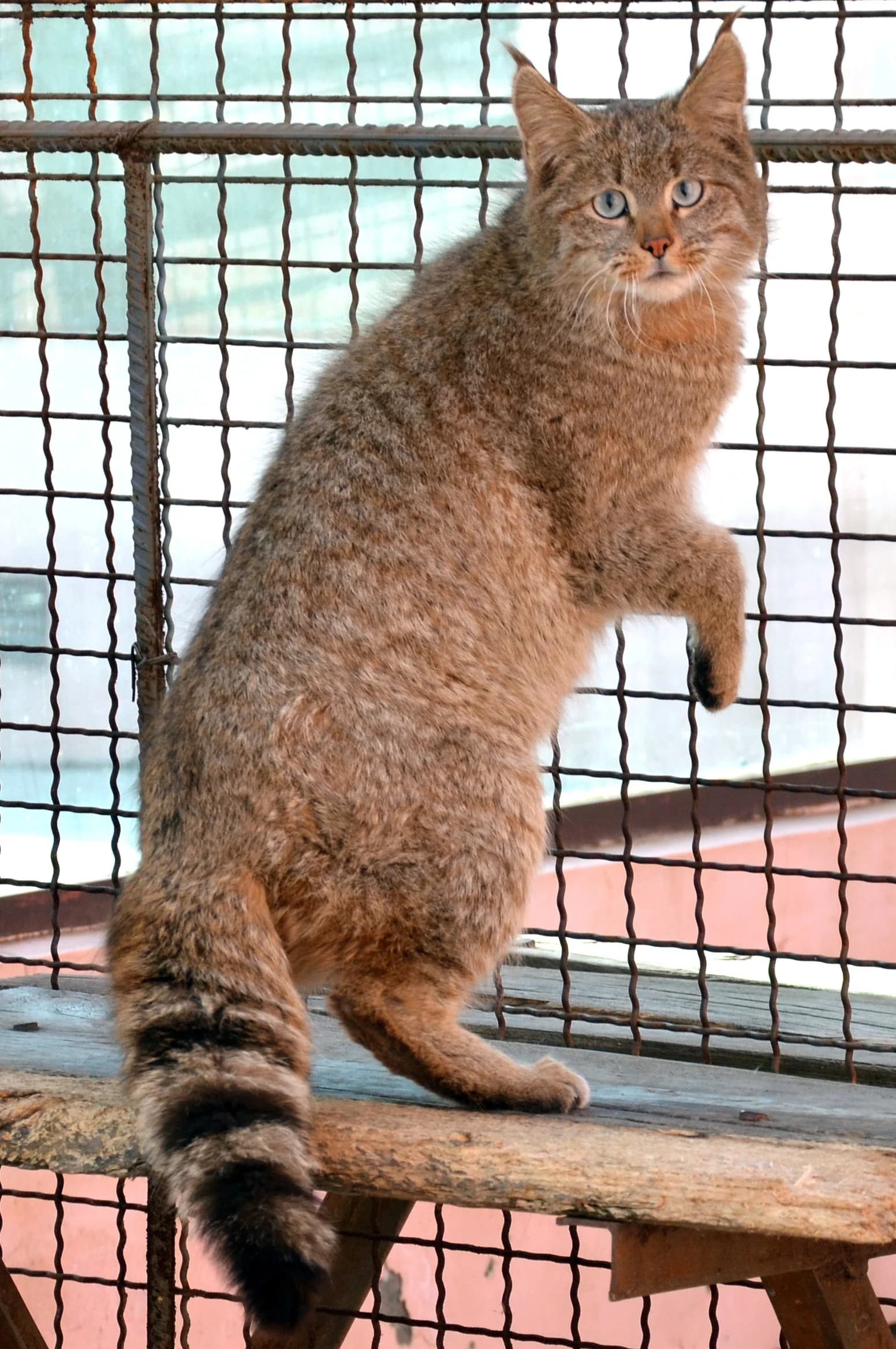
The Plateau Wildlife Zoo is nearby enough for a two-stop day. Visit the zoo first if animal activity matters, reserve a later museum slot and keep transfer buffer. If heat, rain or low energy makes the zoo unsuitable, the museum can expand to a comfortable half day.
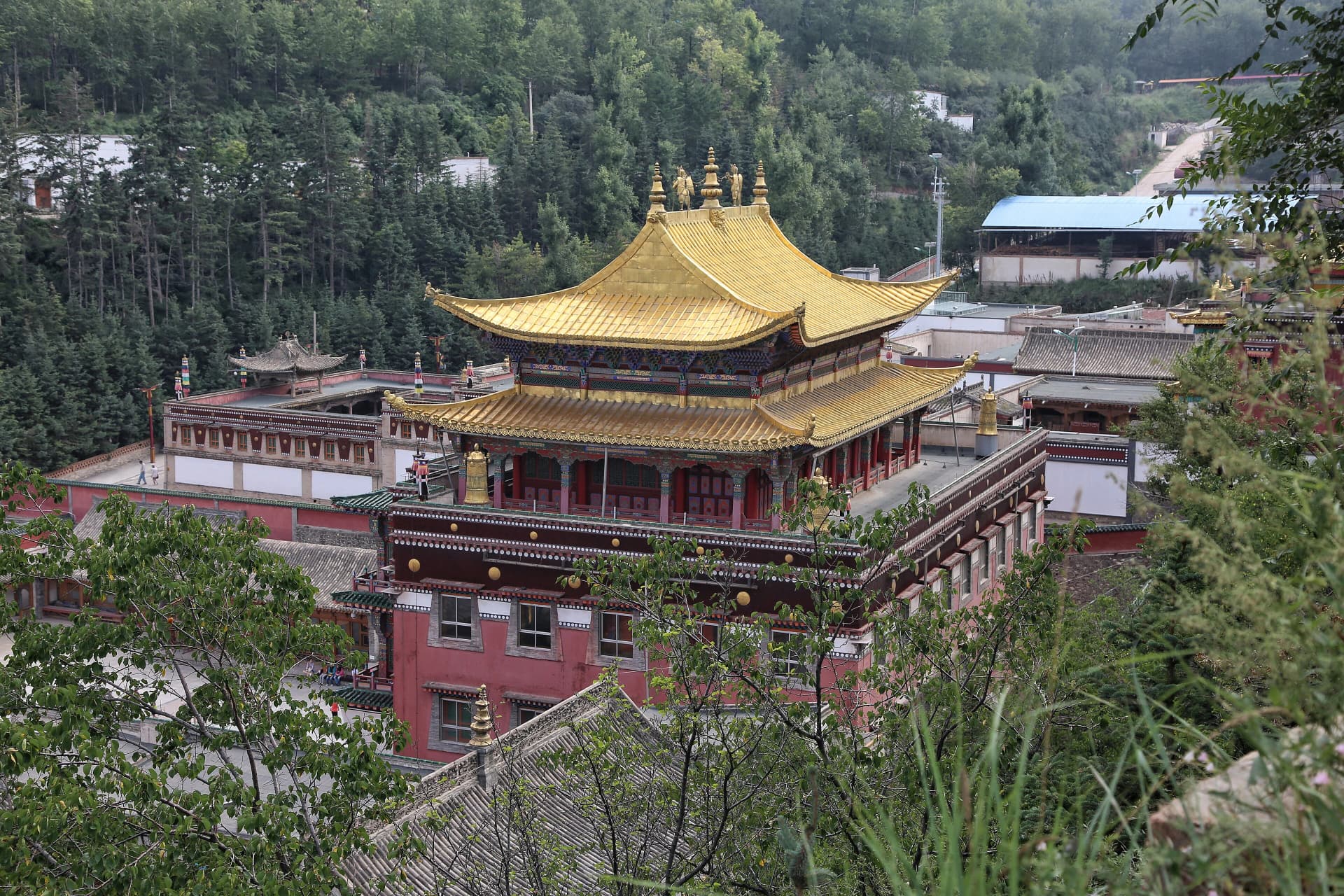
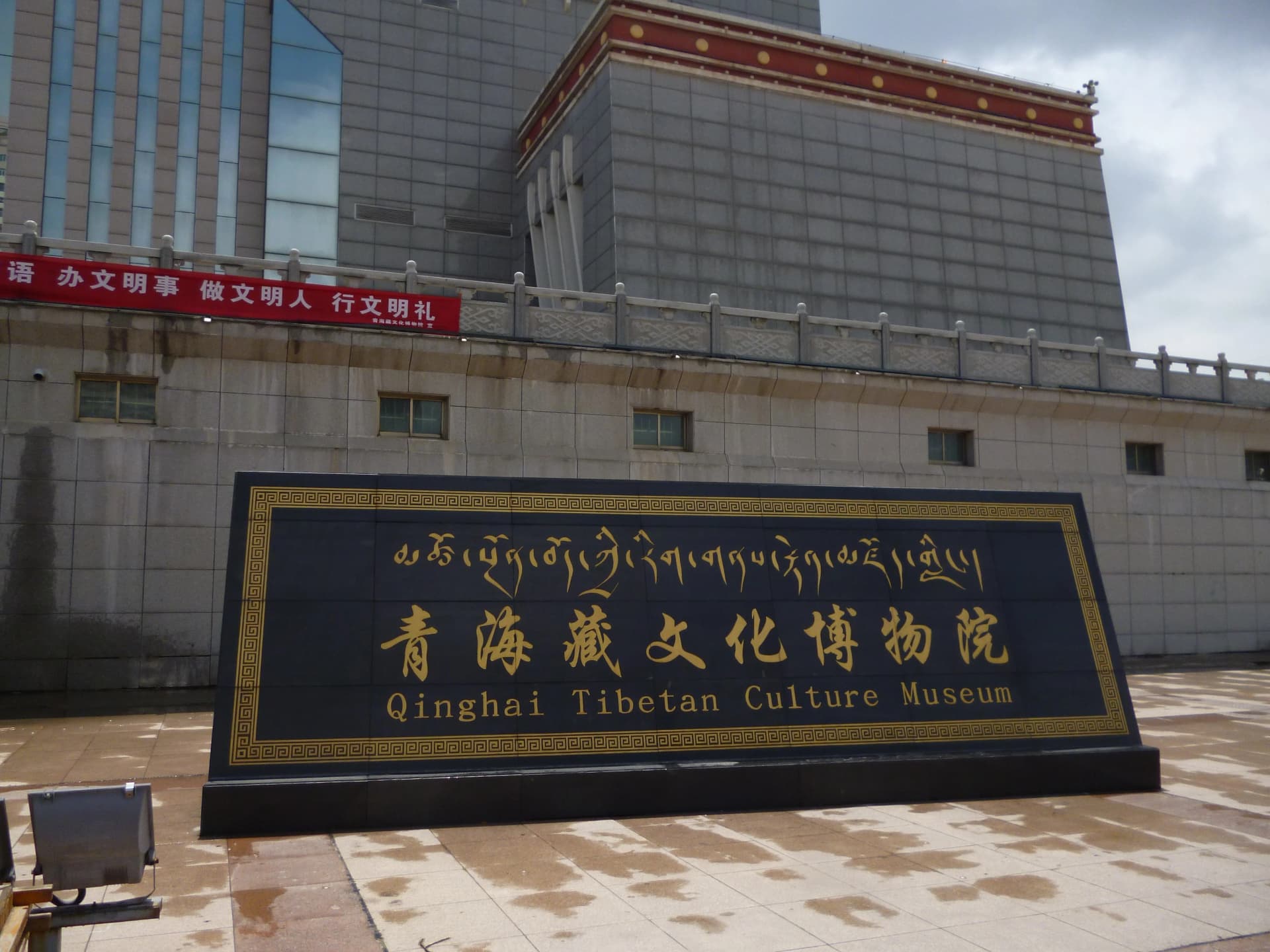
The Kumbum Monastery deserves a separate morning because it lies outside central Xining and needs respectful time. The Qinghai Tibetan Culture Museum is a different institution with its own large thangka and separate admission conditions; do not confuse its ticket or address with Qinghai Provincial Museum.
If your onward trip includes Qinghai Lake, Tongren or the Hexi Corridor, visit this museum first. A focused two hours here will make later landscapes and monasteries more legible than another rushed viewpoint on the departure day.