Xining Wildlife Park
Xining Wildlife Park, formally the Qinghai–Tibet Plateau Wildlife Park (西宁野生动物园 / 青藏高原野生动物园), earns its place for animals rarely seen together elsewhere: snow leopards, Pallas's cats, Chinese mountain cats and lynx—the group visitors nickname the “Plateau F4”—plus plateau ungulates and birds.
It is a hillside zoo, not a compact flat park. Allow three to four hours if the native cats matter, because sighting any particular animal is uncertain and revisiting a viewing window often works better than racing onward. Families or travellers acclimatising to Xining should use the sightseeing bus selectively rather than trying to prove they can walk every slope.
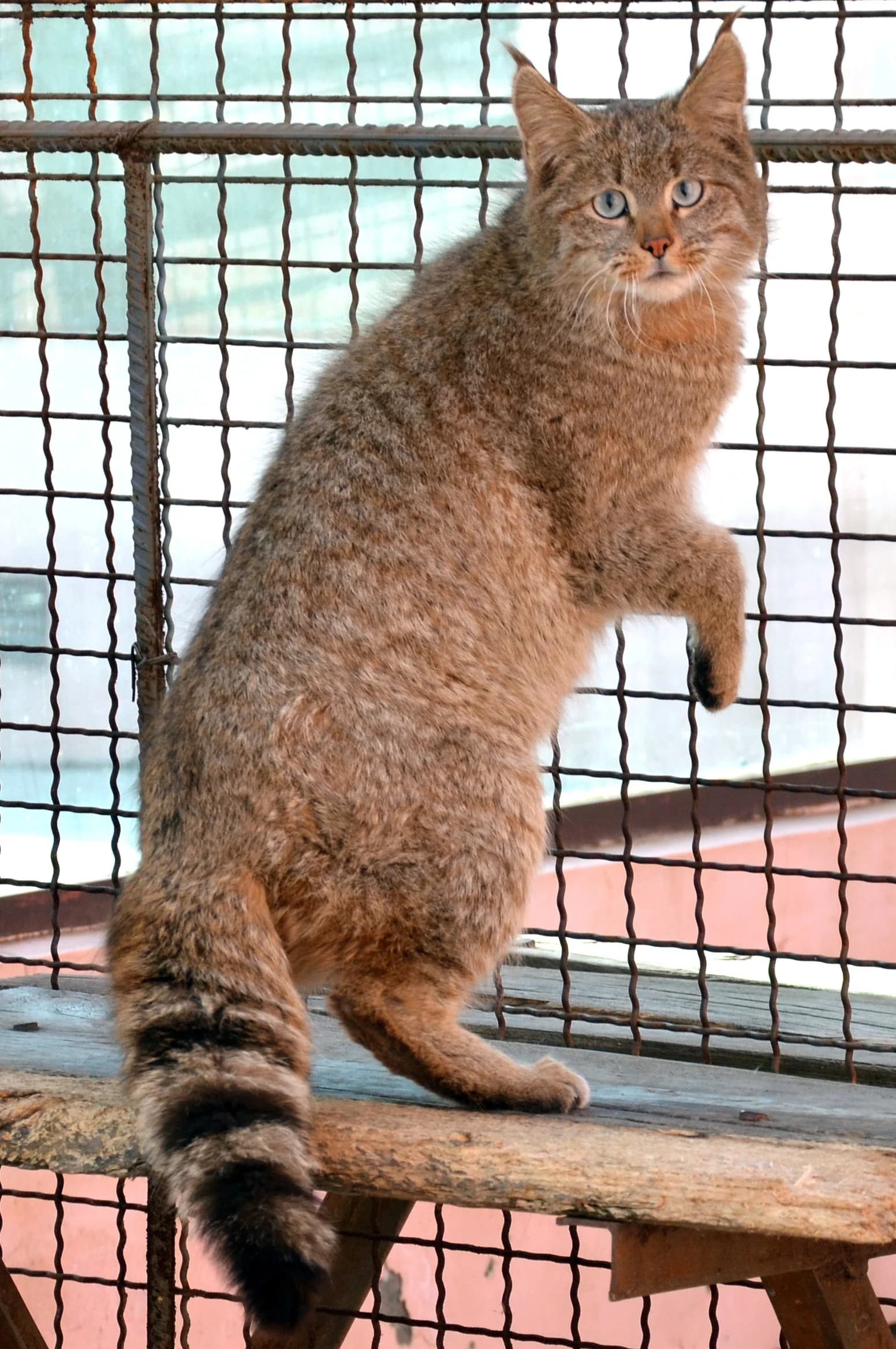
Photo: 西宁野生动物园 · Source · CC BY-SA 3.0
Choose the route before the first hill
At entry, photograph the current map and ask which native-cat enclosures, elevated predator walkways and bus stops are open. A useful low-backtracking circuit reported by recent visitors is:
- Take the internal bus from the entrance if the hill or altitude is a concern.
- Pass or visit the giant-panda area only if you deliberately bought that separate product; do not lose the cool morning there if plateau cats are the priority.
- Get off for the main snow-leopard or predator area, check both indoor and outdoor viewing windows and continue through the elevated walkway only if open.
- Follow the downhill or connecting route through plateau herbivores.
- Spend a patient final block at the small-cat or leopard area for Pallas's cat, Chinese mountain cat and lynx.
- Rejoin the bus or continue to the exit without climbing back to every enclosure.
Bus operation and stop order can change, and a ticket may not mean unlimited loops. Ask whether you may flag the vehicle between formal stops and whether reboarding is allowed. People who skip the bus should expect repeated inclines and keep enough energy for the small-cat area.
Animal timing: there is no guaranteed “F4 hour”
Early morning and later afternoon are often cooler and can improve activity, but weather, feeding, veterinary care and each animal's choice matter more than an internet timetable. Recent reports include excellent snow-leopard sightings and visits when every featured cat stayed asleep or indoors.
At a quiet viewing point, wait 10–15 minutes before moving. Check indoor retreats as well as outdoor rocks, then revisit once later. Avoid the exact feeding window if your goal is a clean view: animals may cluster with their backs to the glass. Rain or sharp wind can change where they rest.
Never tap the glass, shout, use flash or play animal sounds from a phone. Do not feed any animal or throw objects to make it move. The zoo's rescue and conservation work is more important than a photograph. A long lens and patience are the ethical tools.
Tickets and add-ons
Open the exact Xining Wildlife Park listing on Trip.com to compare admission for your date. Verify the official venue name, passport or QR entry, last admission and cancellation. Check whether the listing covers only the main zoo or also any separately sold giant-panda, aquarium, performance or internal-transport product.
Visitors in 2026 commonly reported separate charges for the sightseeing bus and some add-on areas. Prices and combinations are volatile, so decide by interest rather than buying every bundle at the gate. For most first-time visitors, main admission plus the hill-saving bus is the logical core; pandas are not unique to Xining, while the plateau cats are.
Renovation or an animal transfer can close one enclosure without closing the park. Before payment, look for the current animal-area notice and refund rule. Do not buy from an unofficial reseller promising a guaranteed snow-leopard appearance.
Hillside effort, altitude and facilities
The zoo sits on Xishan above a city already over 2,000 metres. The main risk is not technical walking but combining slope, sun and poor acclimatisation. Wear shoes with grip, carry water and sun protection, and use a light layer for shade or wind. If you feel persistent headache, dizziness, unusual breathlessness or nausea, stop climbing and descend rather than “pushing through.”
Recent visitors report benches and vending machines across the route, but do not depend on every kiosk operating in quiet months. Use toilets at the entrance or major service areas. Ask staff about step-free access to the specific animal areas you need: a bus reduces elevation gain but does not remove every threshold, ramp or walking connection.
Children need close supervision on elevated walkways and near vehicle stops. Keep hands, cameras and bags inside any vehicle in a managed animal zone and follow staff instructions.
Pair the zoo with the right second stop
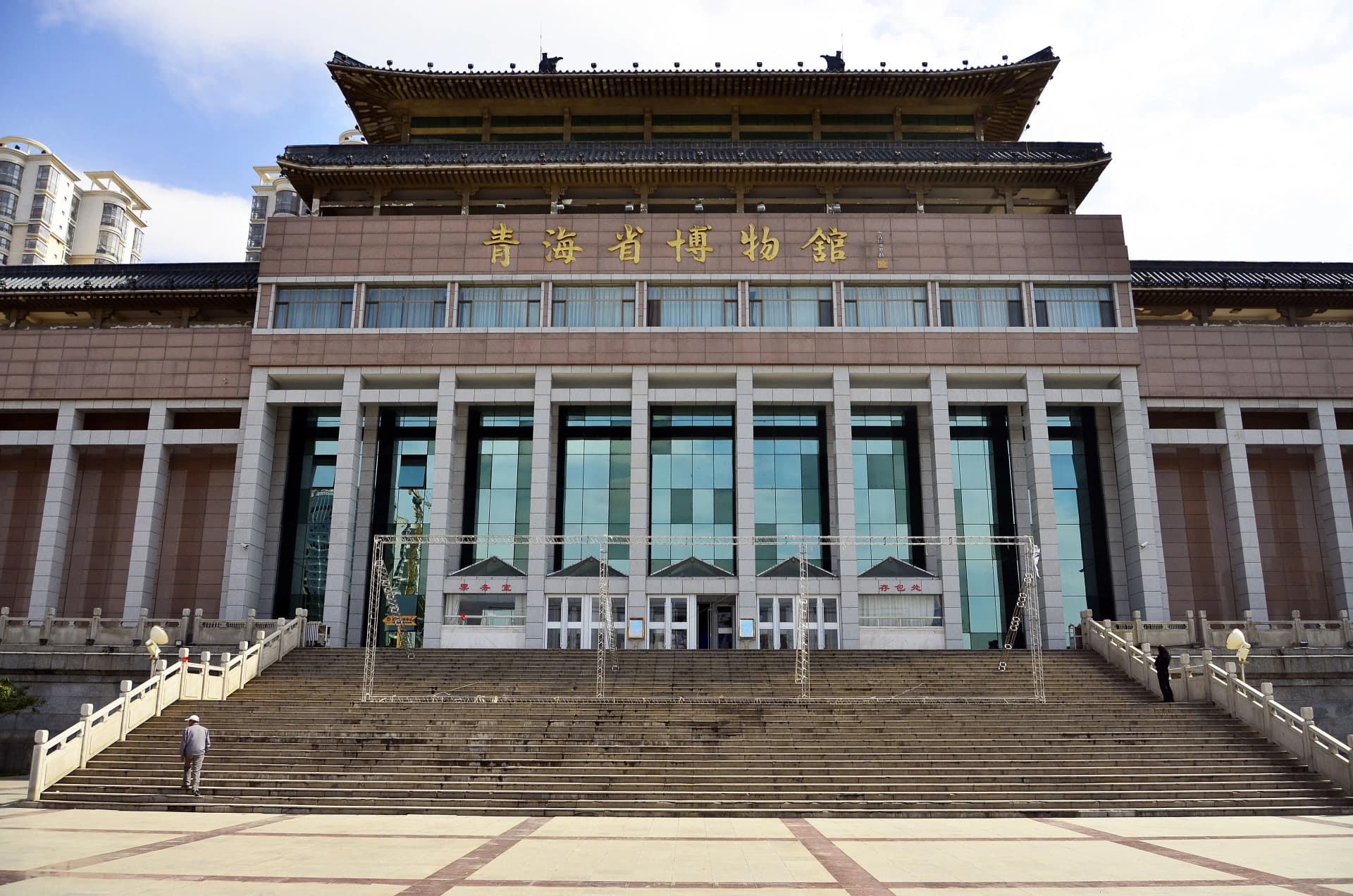
The Qinghai Provincial Museum is the most efficient companion: take a taxi between them, reserve a later museum slot and leave at least 30 minutes of buffer. If the cats remain hidden and you choose to wait, protect the museum reservation rather than adding a third attraction.
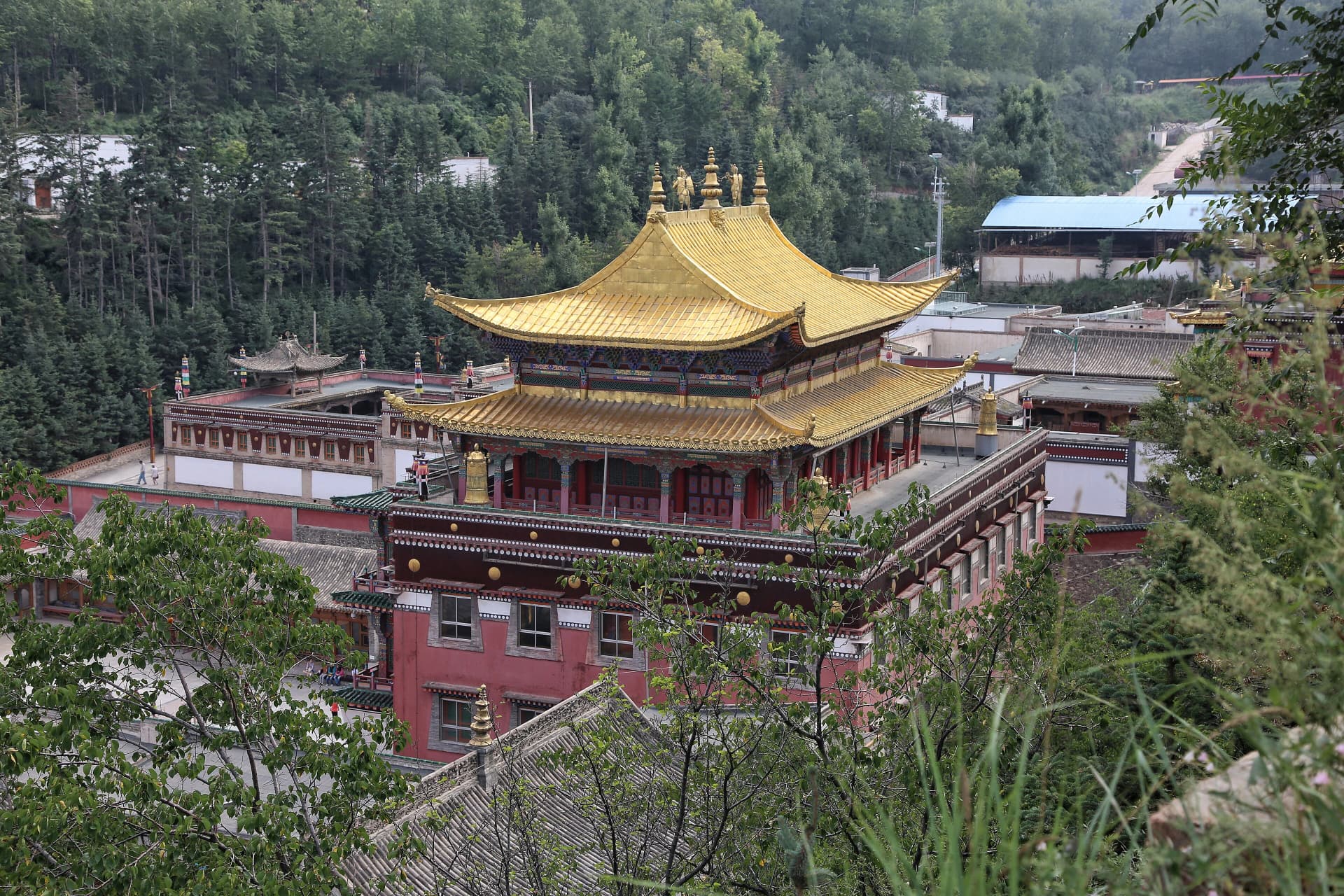
Kumbum Monastery is farther away and deserves its own half day. A zoo–museum–Kumbum checklist appears in recent one-day itineraries, but it requires perfect traffic and turns active animal observation and religious interpretation into sprints. For a first day at altitude, zoo plus museum and an early dinner is the better rhythm.
If weather closes exposed areas, animal notices are unfavourable or the group cannot manage the hill, move the museum forward. The zoo is worth visiting for a thoughtful plateau-fauna encounter, not for collecting four guaranteed animal selfies.