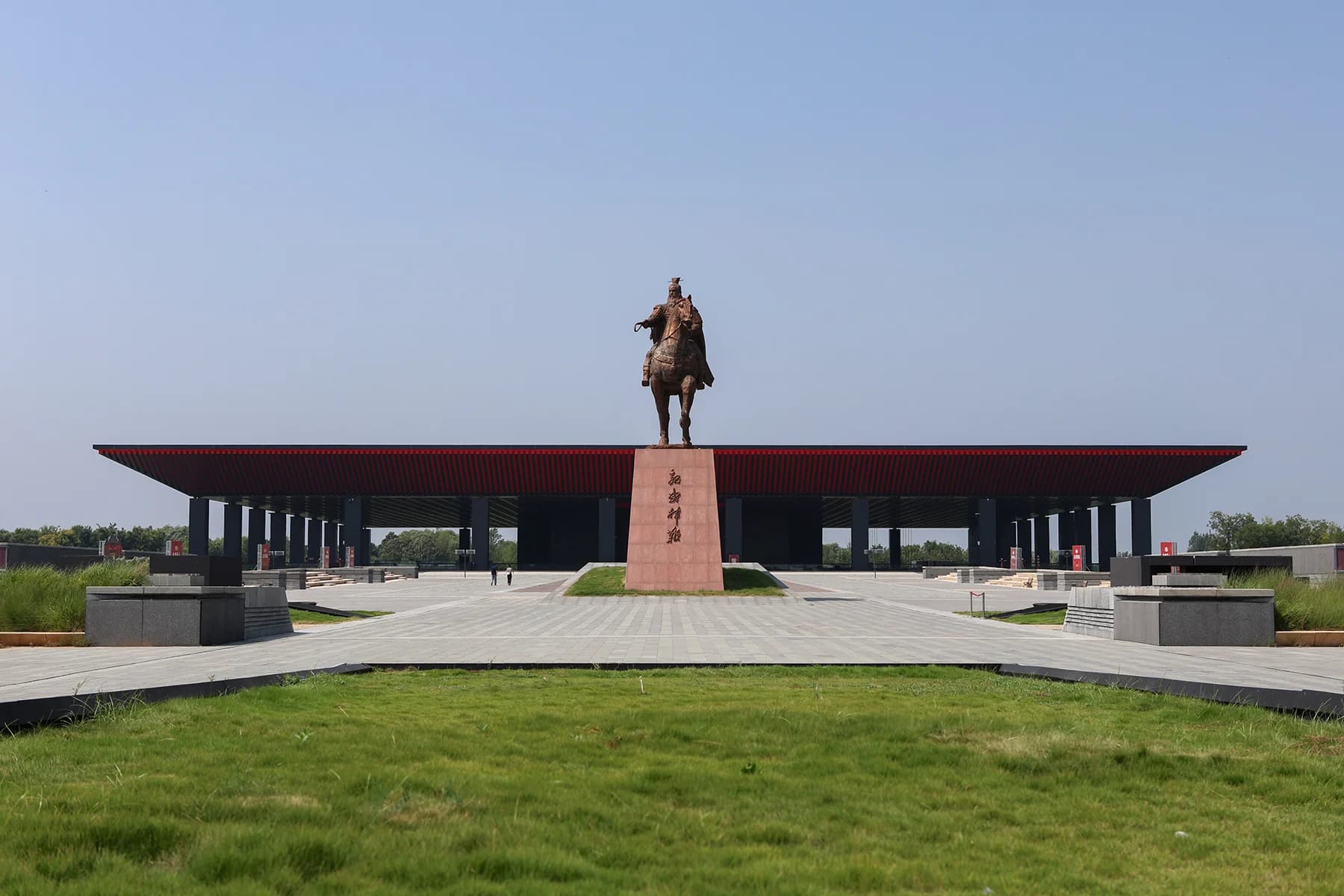
Yinxu Museum and Archaeological Site
Yinxu (殷墟) is the one Anyang sight worth building a day around. This late Shang capital is where excavated oracle bones helped connect archaeological evidence, early Chinese writing and named royal figures. The catch is scale: the new museum, Palace and Royal Ancestral Temple Site, and Royal Tomb Site are separate components, not rooms in one compact complex.
The right visit for you
- First visit, 4–5 hours: spend 2.5–3 hours in the new Yinxu Museum, then about an hour at the Palace and Royal Ancestral Temple Site. This gives the clearest story with the least transport friction.
- Archaeology-focused day, 5–6 hours: add the Royal Tomb Site if the internal shuttle and final return work for your date. Allow buffer for waiting rather than treating every transfer as immediate.
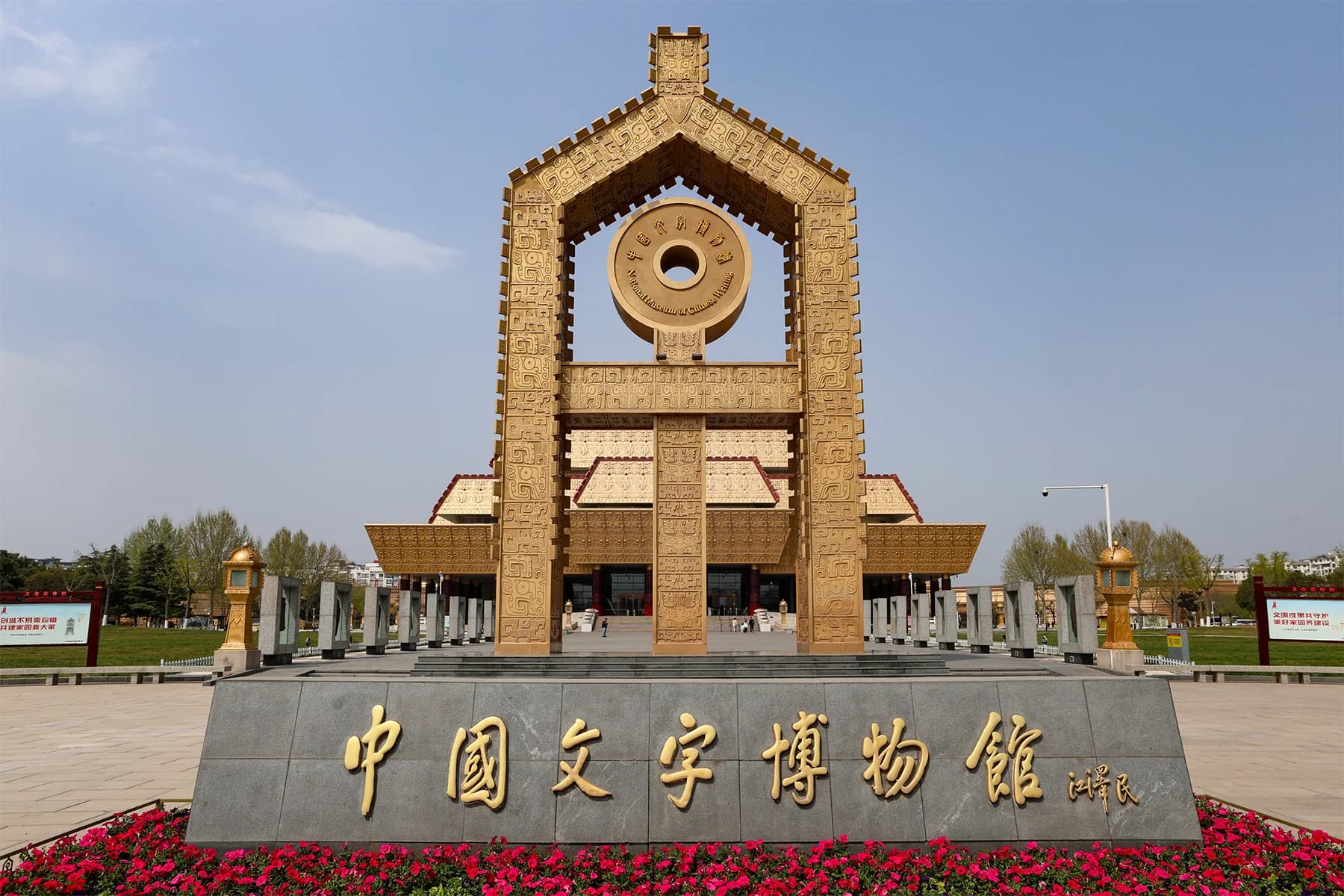
- Two-day approach: best if you read exhibits slowly or also want the National Museum of Chinese Writing. Do not force both museums into one exhaustive day.
A route that makes the remains legible
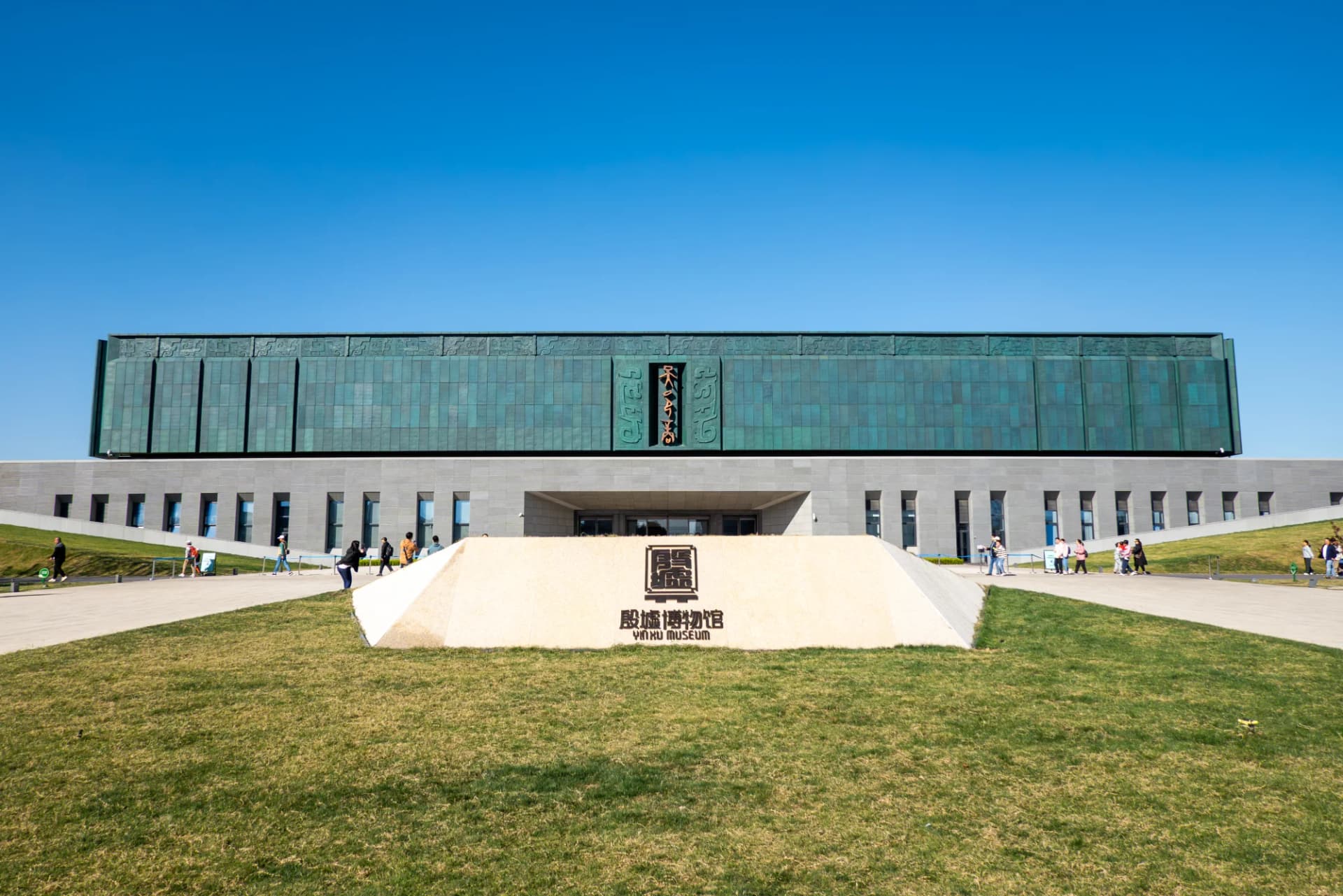
Start at the new Yinxu Museum. Follow the chronological core before choosing specialist galleries. The strongest anchors are the oracle-bone discovery story, the Great Shang overview, the Ya Chang burial assemblage and its ox-shaped bronze vessel, and the chariot display. Gallery numbers and temporary access can change, so follow the current floor plan rather than a saved online sequence.
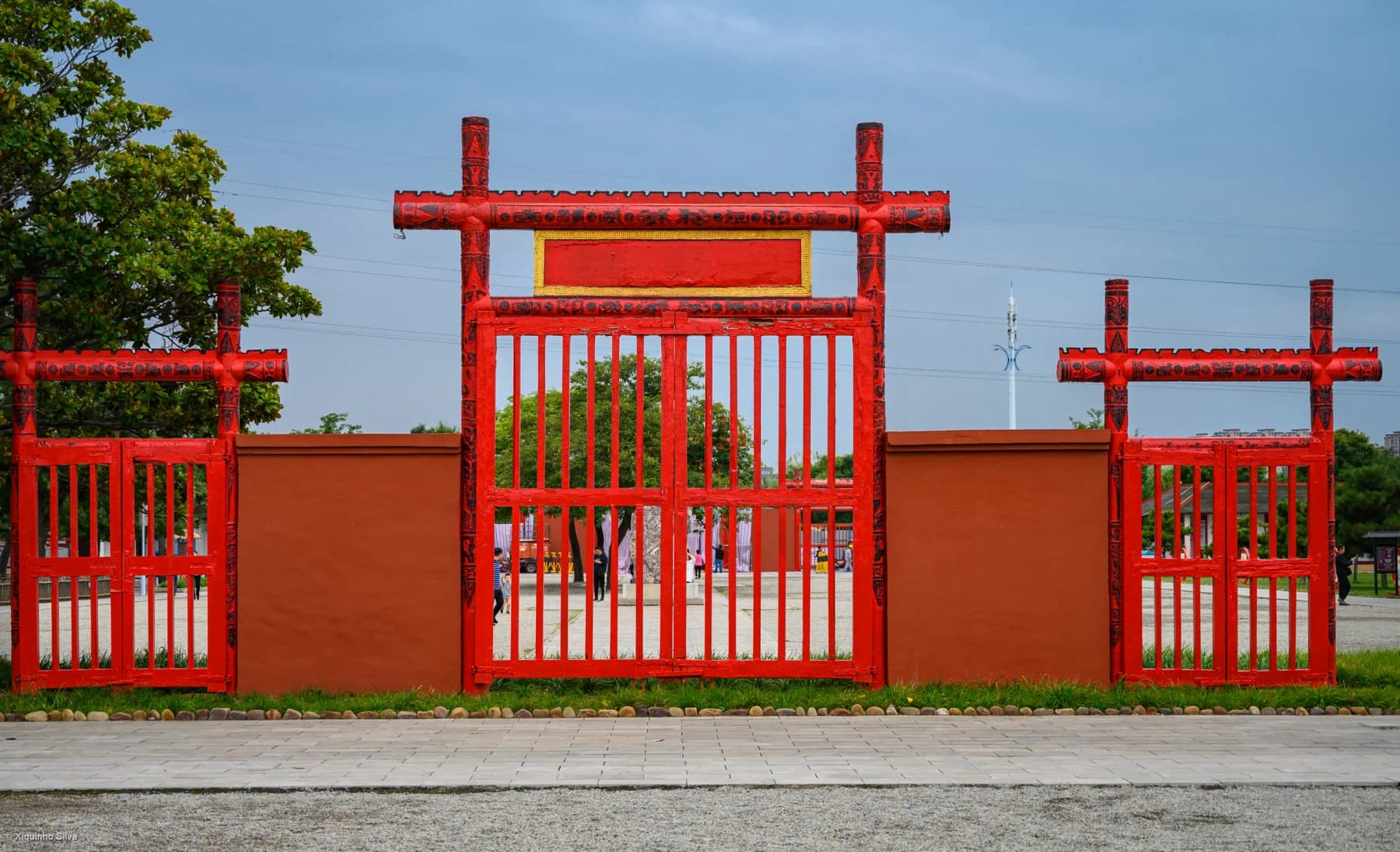
Continue to the Palace and Royal Ancestral Temple Site. The Fu Hao Tomb, chariot pits, oracle-bone pit YH127 and building foundations make more sense after the museum has supplied names, objects and chronology. The landscape is archaeological: expect foundations and interpreted excavation areas, not a preserved palace skyline.
Add the Royal Tomb Site for the burial landscape and royal-scale context. It is valuable to archaeology enthusiasts but visually quieter than the museum. If shuttle waits are growing or weather is poor, cutting this sector is a better choice than rushing the core two.
Tickets, passport and shuttles
Yinxu uses real-name admission. The official Yinxu website links to its reservation system; carry the original passport used for booking and check the current foreign-document collection or entry procedure. UNESCO's Yin Xu listing is useful background, but it is not a ticket channel.
Trip.com currently lists dated Yinxu products. Some options may combine the museum, palace-temple sector, Royal Tombs, shuttle transport or even the Cao Cao Mausoleum, while others may not. Compare the exact Yinxu product for your date, then verify included sectors, validity period, shuttle, passport rules and cancellation terms before paying.
Opening times, last admission and shuttle departures change by season and special notice. Check the official channel on the day before travel, especially if the Royal Tombs or a late-afternoon return matters.
What recent visitors consistently flag
Recent visitor reports support starting early, giving the museum at least two hours even on a selective visit, and treating transfers as part of the schedule. They also describe a roughly 40–60 minute Palace visit and a longer museum visit, but those are planning ranges rather than operating promises. Outdoor sectors have exposed walking, so bring water, sun or rain protection, and shoes suitable for uneven ground.
Pair it without ruining the day
For a full Yinxu visit, keep the evening simple in central Anyang. The writing museum is the best thematic follow-up on another half-day. The Cao Cao Mausoleum Museum belongs to a different historical period and an outlying road route; add it only when a verified through-product or hired car solves the return.
Return to the Anyang guide for the wider city plan.