Harbin Museum
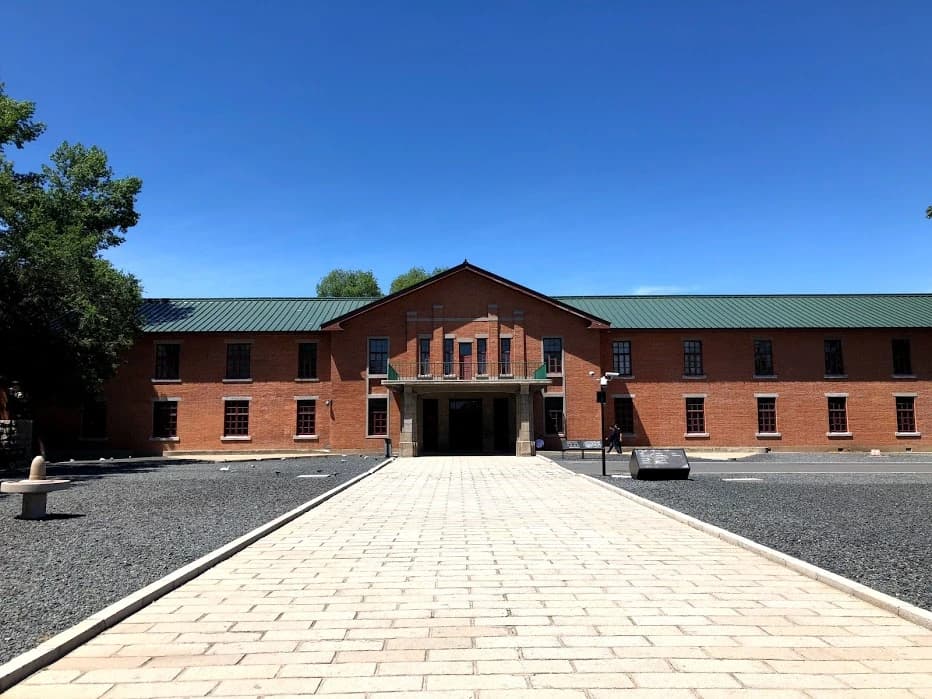
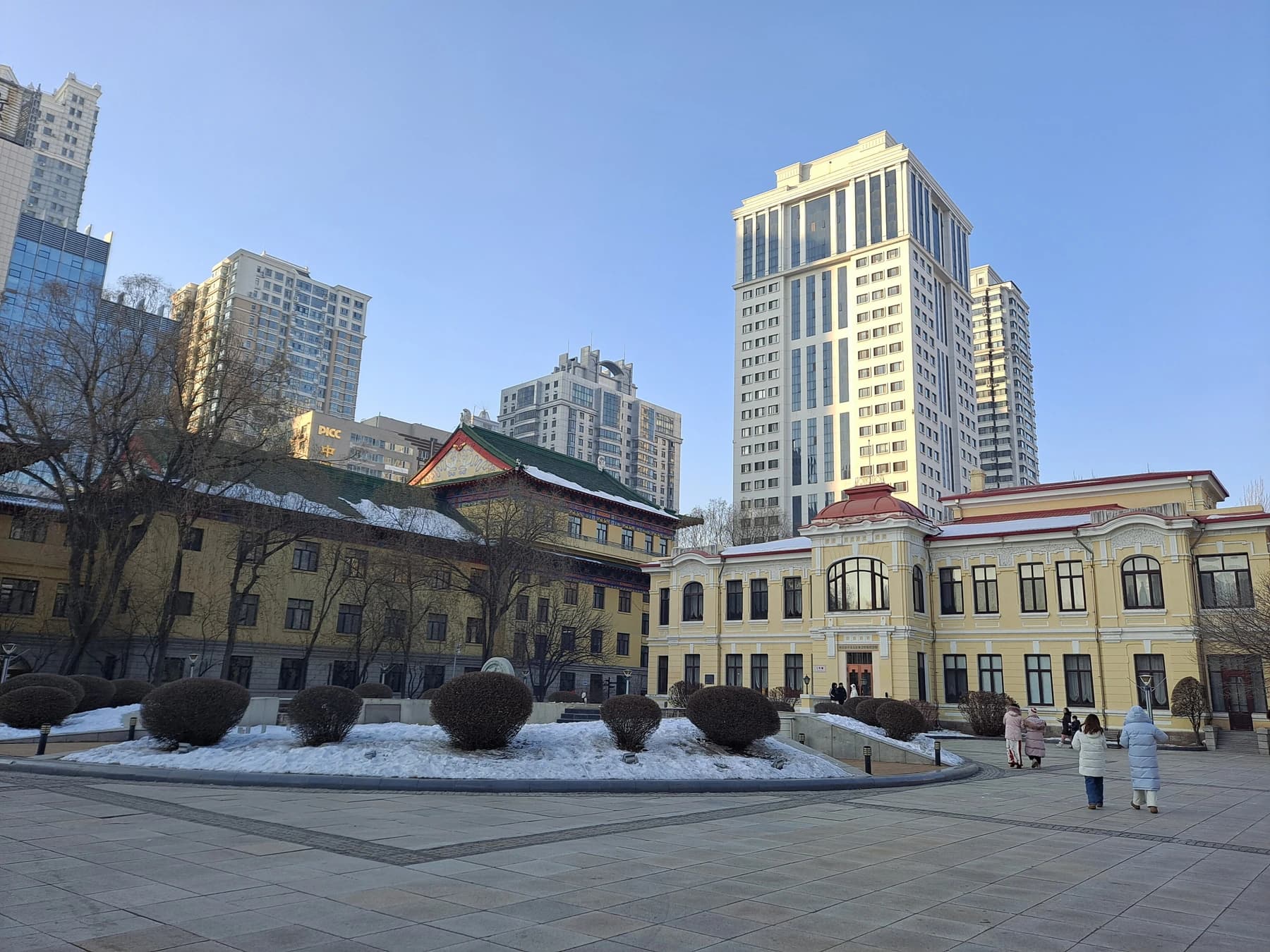
Harbin Museum is the better first-trip context stop when your question is “how did this city become this city?” Its historic-building complex can connect railway expansion, migration, urban commerce and architectural change before you walk Central Street. It is not interchangeable with every provincial or specialist museum carrying “Harbin” in an English map result.
A focused 90-minute visit
Begin with the city-history or chronological display available on the day. Build four anchors: pre-railway regional setting, the Chinese Eastern Railway, population and commercial change, and the twentieth-century political transitions. Then choose one specialist exhibition rather than trying to complete every building.
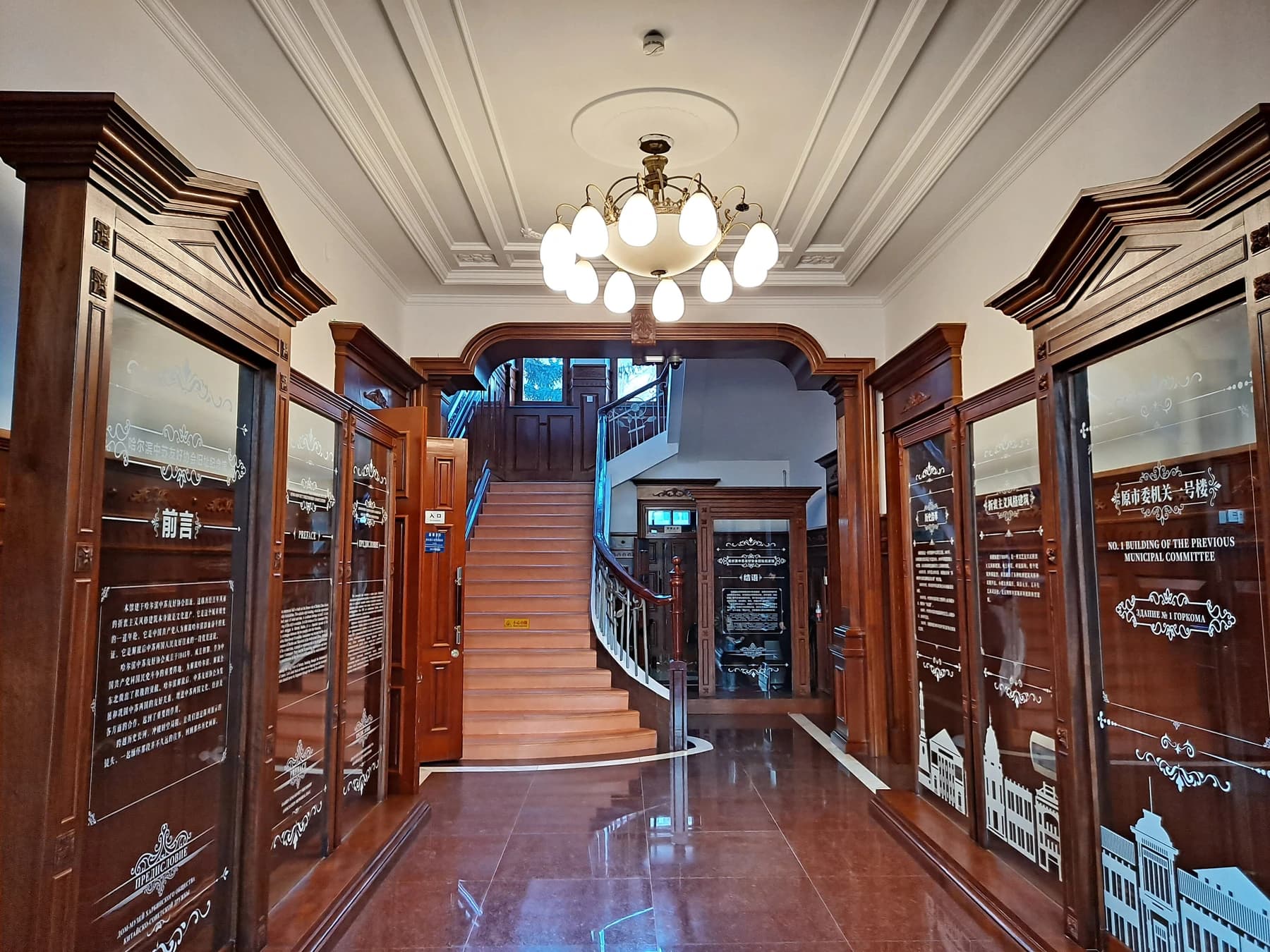
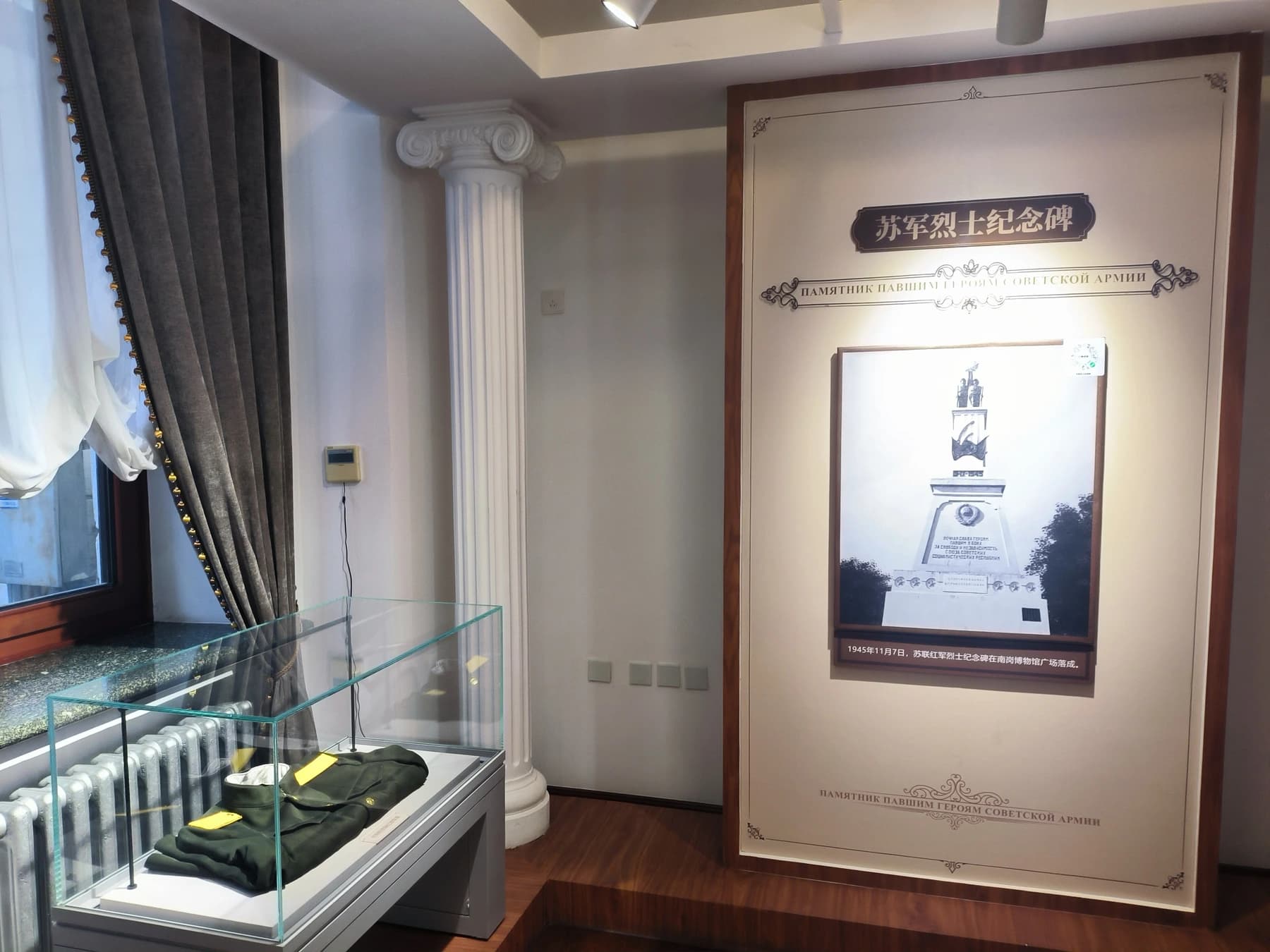
The museum operates through a group of historic structures and exhibition spaces. Current entrances, open buildings and temporary shows can change. Check the live official notice or entrance board, and do not plan around a single gallery named in an old review.
Map results commonly show the city museum baseline as Tuesday–Sunday 09:00–16:00, but the multi-building compound can adjust admissions, holiday days and gallery access independently. Save 哈尔滨市博物馆, 柳树街13号 and verify the day's staffed entrance instead of following a similarly named provincial museum pin. Free entry can still require document checks or a capacity slot.
What to notice
- Railway infrastructure did not create an empty city; read how it transformed an already inhabited region.
- “Russian architecture” is too broad by itself. Look for building date, architect or institution, original function, later adaptation and restoration.
- Migration involved multiple Chinese communities and international groups; avoid reducing Harbin to a single foreign aesthetic.
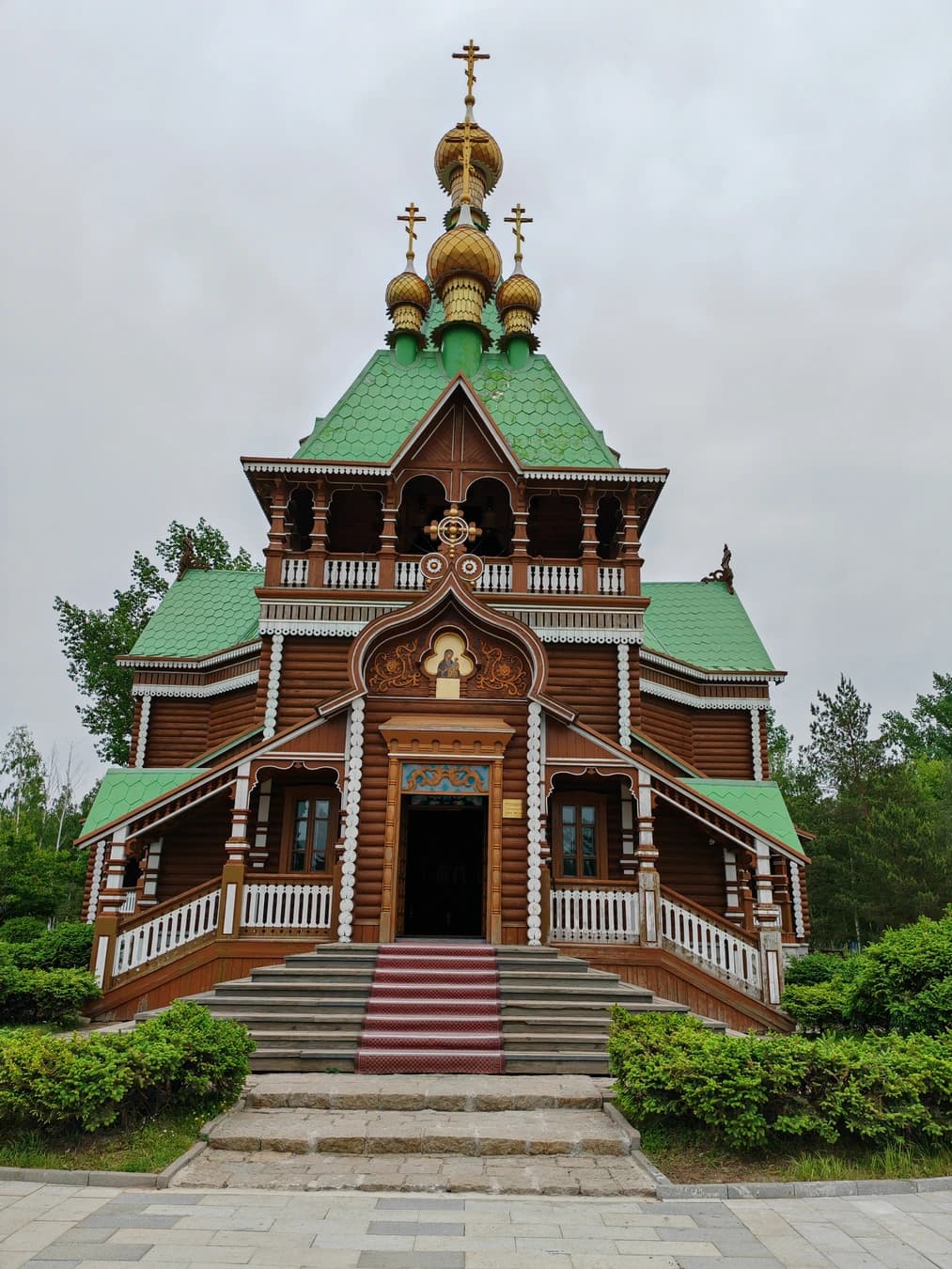
- Urban heritage survives through changing uses. A museum building, shop and religious structure may each preserve different kinds of evidence.
Best route position
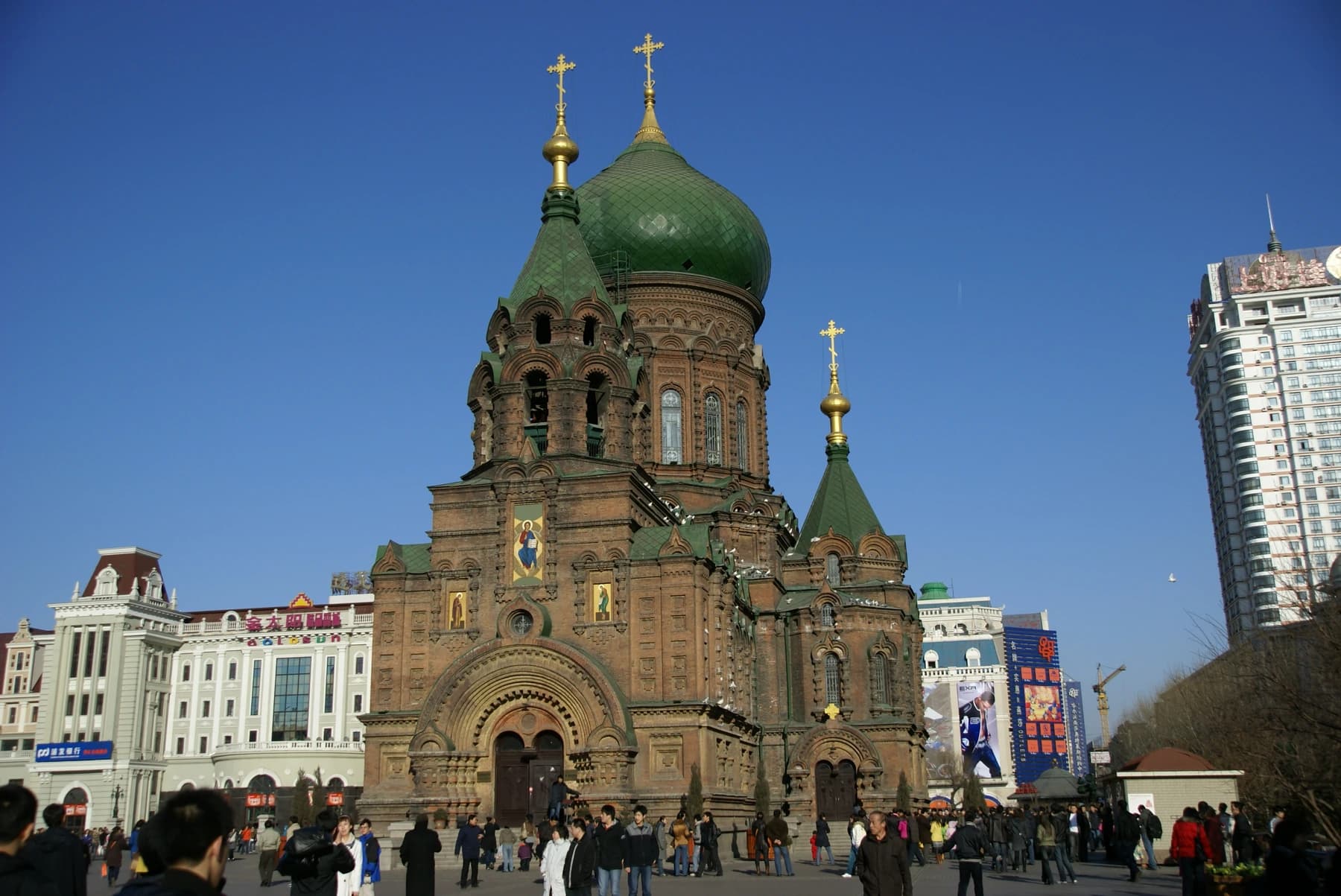
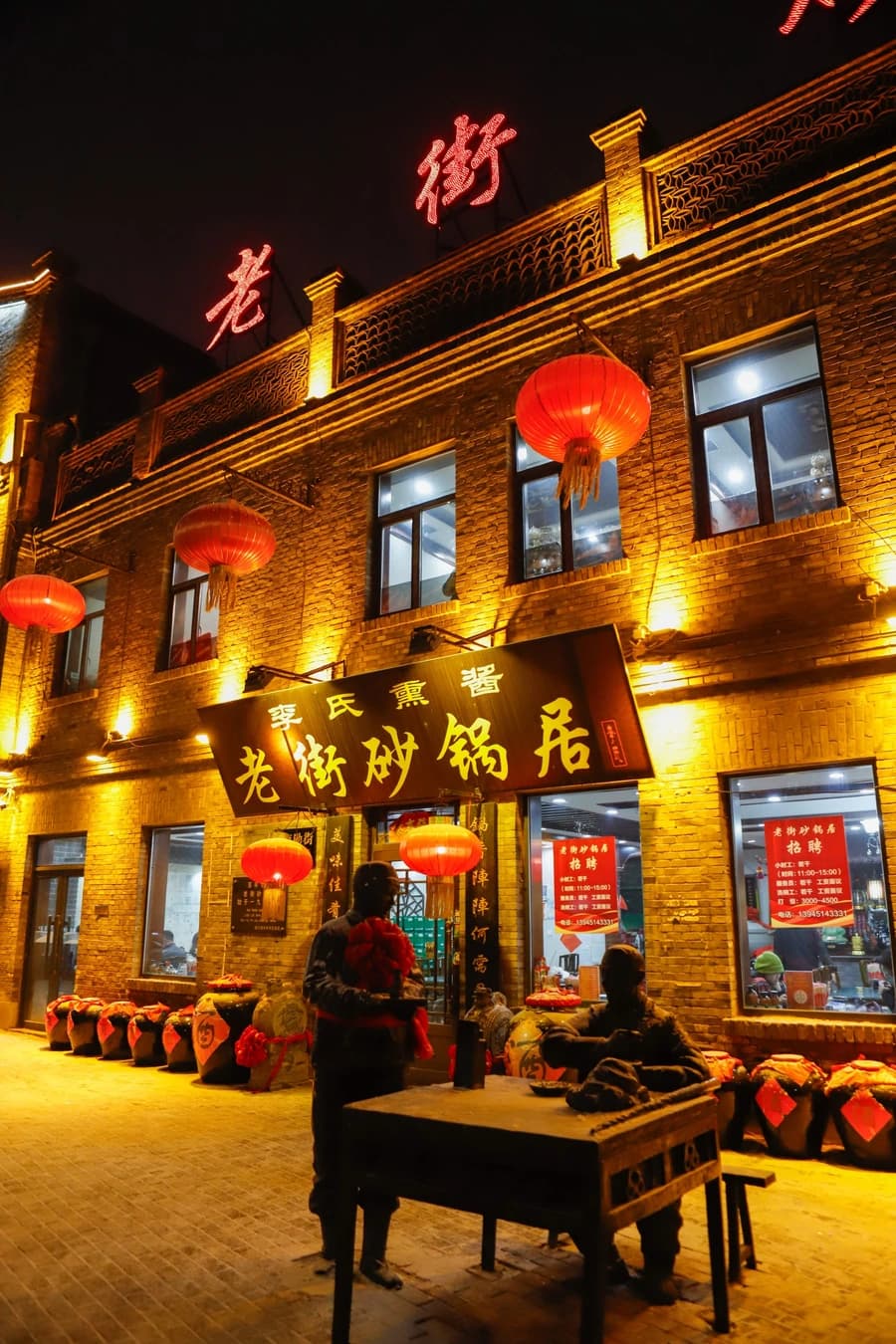
Visit after Saint Sophia and before Central Street. Route planning puts the museum about 0.5 km from Saint Sophia and 0.7 km from Central Street. The sequence lets the cathedral pose visual questions, the museum supply context, and the commercial street test what you learned.
Use the full central architecture walk and finish at the river. In deep winter, the museum is also the day's most useful warming and schedule-compression point.
Practical decisions
Carry the original passport in case the current entry system requires identity verification. Recheck closure days and holiday reservations. Keep bags compact because security and storage rules may vary by building. Translation coverage can be uneven, so a camera-based translation tool is useful where photography is allowed.
Choose this museum over a distant specialist institution when you have limited time and plan to walk the historic centre immediately afterward. Choose a provincial collection instead only when regional archaeology, natural history or ethnography is your primary interest.
Before entering, ask three concrete questions: which building contains the city-history sequence, which temporary exhibition is open, and when the last building stops admitting visitors. If English coverage is thin, translate the date, original function and renovation line of each building first; those three facts prevent decorative style from replacing urban history.