Longxing Temple
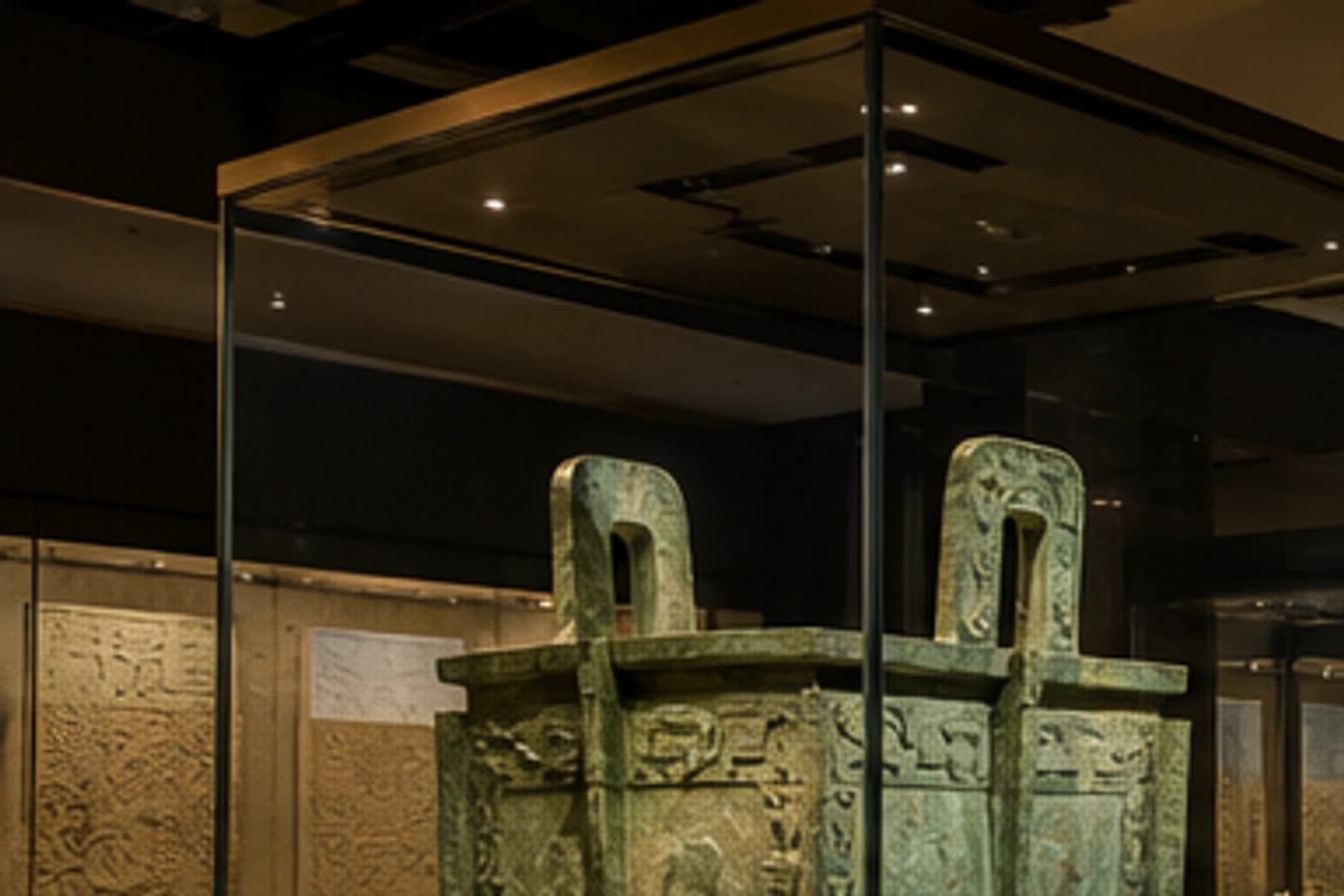
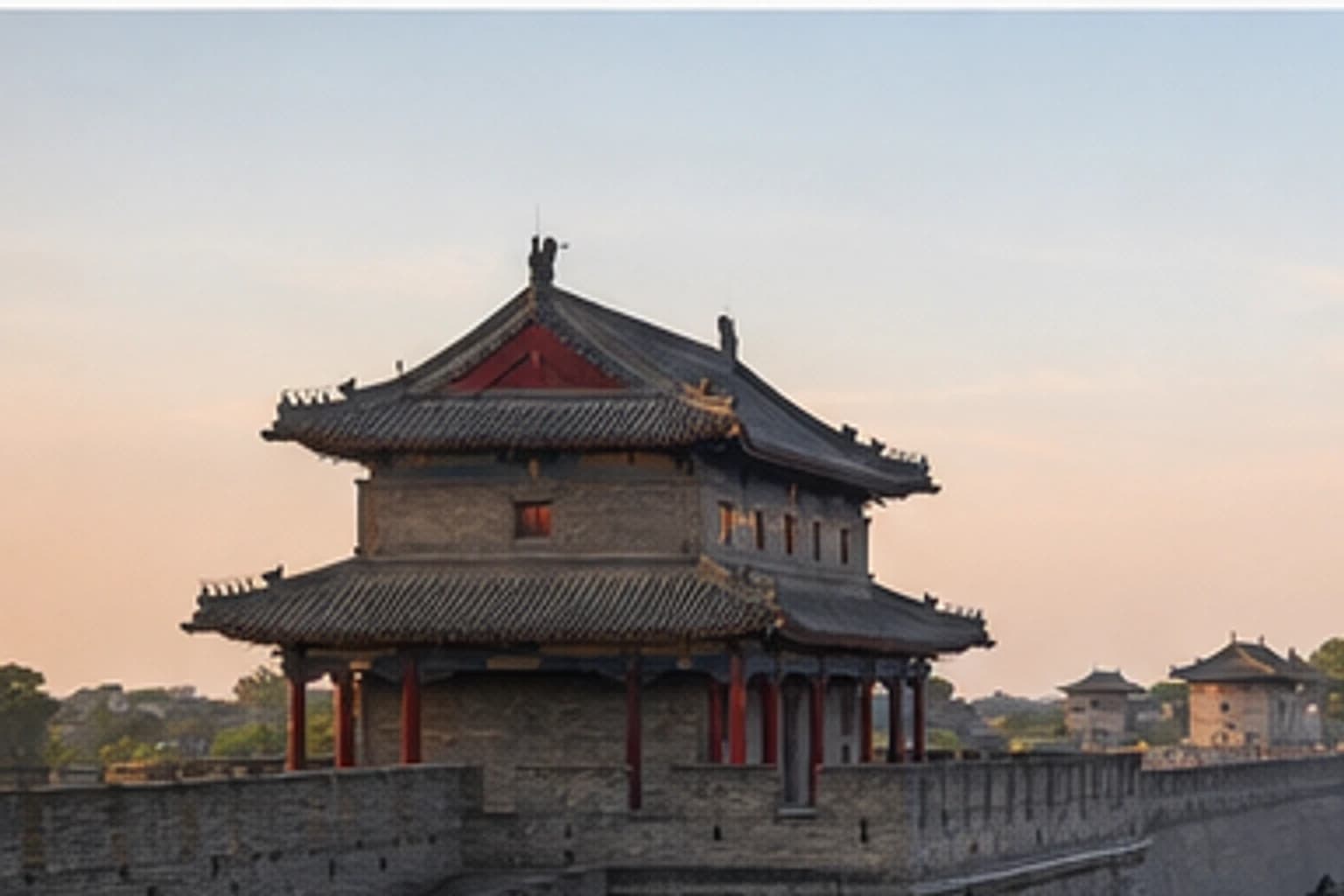
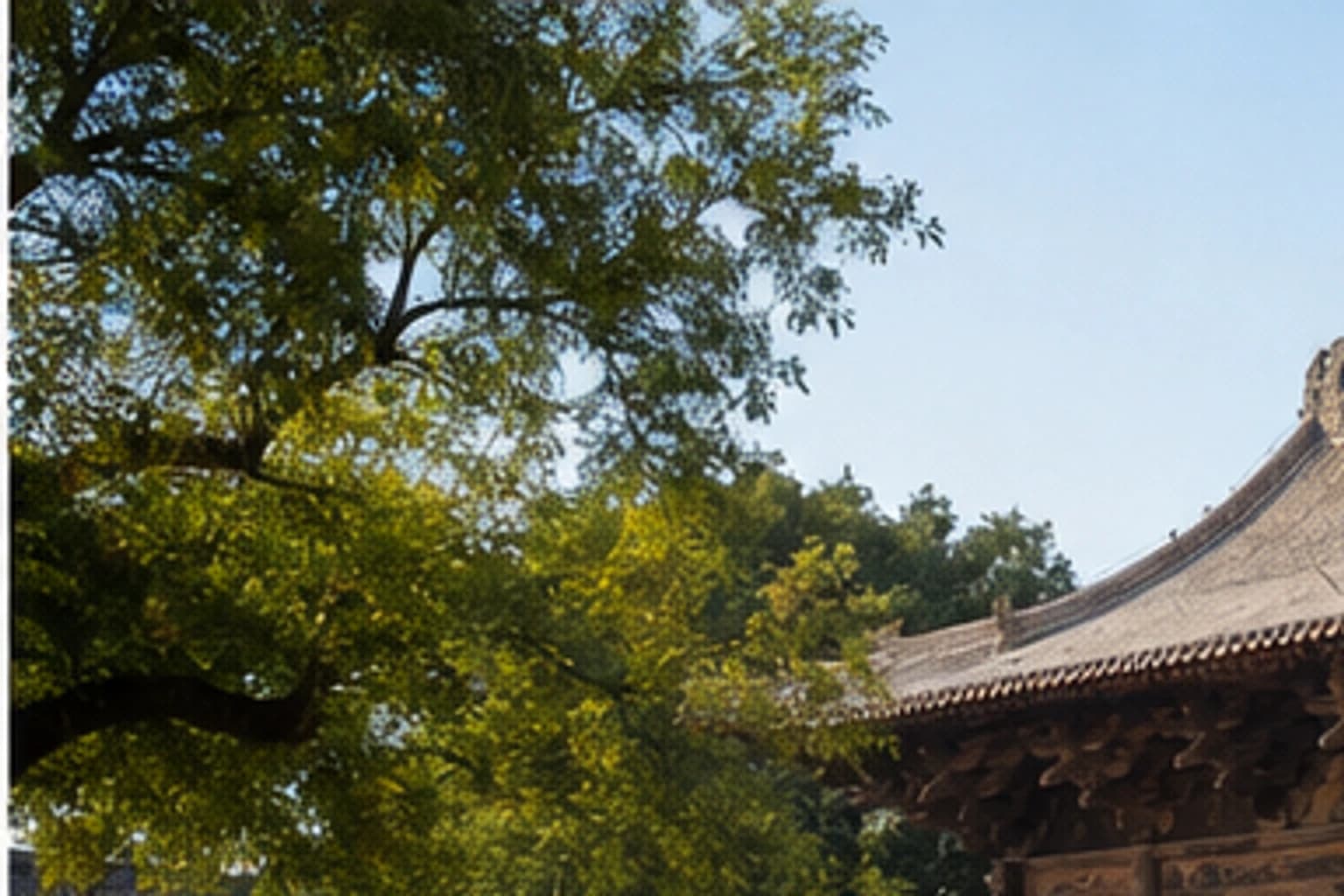
Longxing Temple (隆兴寺) is Zhengding's essential monument: a long Buddhist compound where architecture, sculpture and inscriptions survive from different periods rather than forming one frozen “ancient temple.” Its origin is traced to 586, and the present sequence is especially valuable for Northern Song work.
There is one important 2026 caveat. The Great Mercy Pavilion (Dabei Pavilion) and its flanking pavilions are under conservation, so the giant bronze Guanyin normally seen there is not currently viewable. Official provincial approval for the conservation project was published in May 2026, and the temple's own website carries the closure warning. Do not buy a ticket solely for that statue until the official notice changes.
The remaining visit is still worthwhile. Allow about two hours.
Walk the central axis slowly
Begin at the southern entrance and follow the main axis. The best sequence is not a checklist of “six wonders,” but a set of very different objects:
- Moni Hall, whose cross-shaped plan and projecting porches make the building itself as important as the images inside;
- the celebrated rear-facing Guanyin on the north side of the hall;
- the Revolving Sutra Repository, where the wooden library structure rewards a slow look;
- the Longzang Temple Stele, an early and influential work of regular-script calligraphy; and
- the Vairocana Buddha near the northern end of the route.
Read the signs for dates and restorations. Song, Sui, later imperial and modern conservation layers coexist here; calling everything “original Song dynasty” erases the reason the complex is interesting.
Current conservation changes the route
When you reach the closed Great Mercy Pavilion zone, follow barriers and staff directions rather than searching for a side entrance. Construction dust, temporary paths or additional hall closures may change the most convenient sequence. The temple remains a protected religious site, so speak quietly, give worshippers space and ask before close photography. Interior photography rules depend on the hall and current notice.
The closed pavilion also changes timing: two hours is normally ample for the accessible highlights. Architecture specialists may want longer for brackets, roof profiles and stelae, while casual visitors can finish in around 90 minutes without rushing.
Tickets and live checks
A June 2026 tourism notice listed standard admission at CNY 50, but the selected date and product control. Compare current Longxing Temple tickets on Trip.com, then verify the traveller-document field, included sites and cancellation terms before paying. A “four temples” combination is not automatically the best choice: buy it only if you genuinely plan to enter the named pagoda compounds later that day.
The temple lists +86 311 887 89987 and +86 311 887 86560. Check its official website shortly before travel for conservation and access notices. Do not use the apparent value of a ticket to infer that the Great Mercy Pavilion has reopened.
Make it the anchor of Zhengding
Visit Longxing first, when halls are quieter and your attention is strongest, then continue through the Zhengding Ancient City architecture route. The four pagoda precincts and South Gate work well as later outdoor stops. Keep Hebei Museum on a separate city day unless you accept a rushed, high-step schedule.
Return to the Shijiazhuang guide for transport and city planning.