Zhengding Architecture Route
Zhengding is not a single walled attraction. It is a working district with public streets, restored wall sections and several independently managed temple or pagoda compounds. The rewarding way to visit is a full-day, one-way architecture route, not a race through ten ticket gates.
Start at Longxing Temple and end at the South Gate. That direction puts the most demanding interior visit first and leaves the open wall for late light.
A realistic north-to-south day
1. Longxing Temple — about two hours
Begin at Longxing Temple. Focus on Moni Hall, the rear-facing Guanyin, Revolving Sutra Repository, Longzang Stele and Vairocana Buddha. The Great Mercy Pavilion is under conservation in 2026, and its giant bronze Guanyin is not currently visible; check the official temple notice before travel.
2. Tianning Temple and Lingxiao Pagoda
Continue toward Tianning Temple. The brick-and-timber profile of Lingxiao Pagoda provides a useful contrast with the halls at Longxing. Treat exterior viewing as sufficient if the compound or tower access is closed. Climbing a pagoda is never implied by seeing it on a map.
3. Kaiyuan Temple
At Kaiyuan, compare the broad Xumi Pagoda with the surviving bell tower. This stop adds a different architectural pairing, so it earns more time than a duplicate souvenir street. Check current entry at the gate; “ancient city admission” does not automatically include it.
4. Guanghui Temple's Hua Pagoda
The sculptural upper tiers of the Hua Pagoda are easiest to read in clear side light. Stand back before approaching so the clustered form makes sense. If time is running short, choose this or Tianning rather than rushing through both compounds after last entry.
5. South Gate and the wall
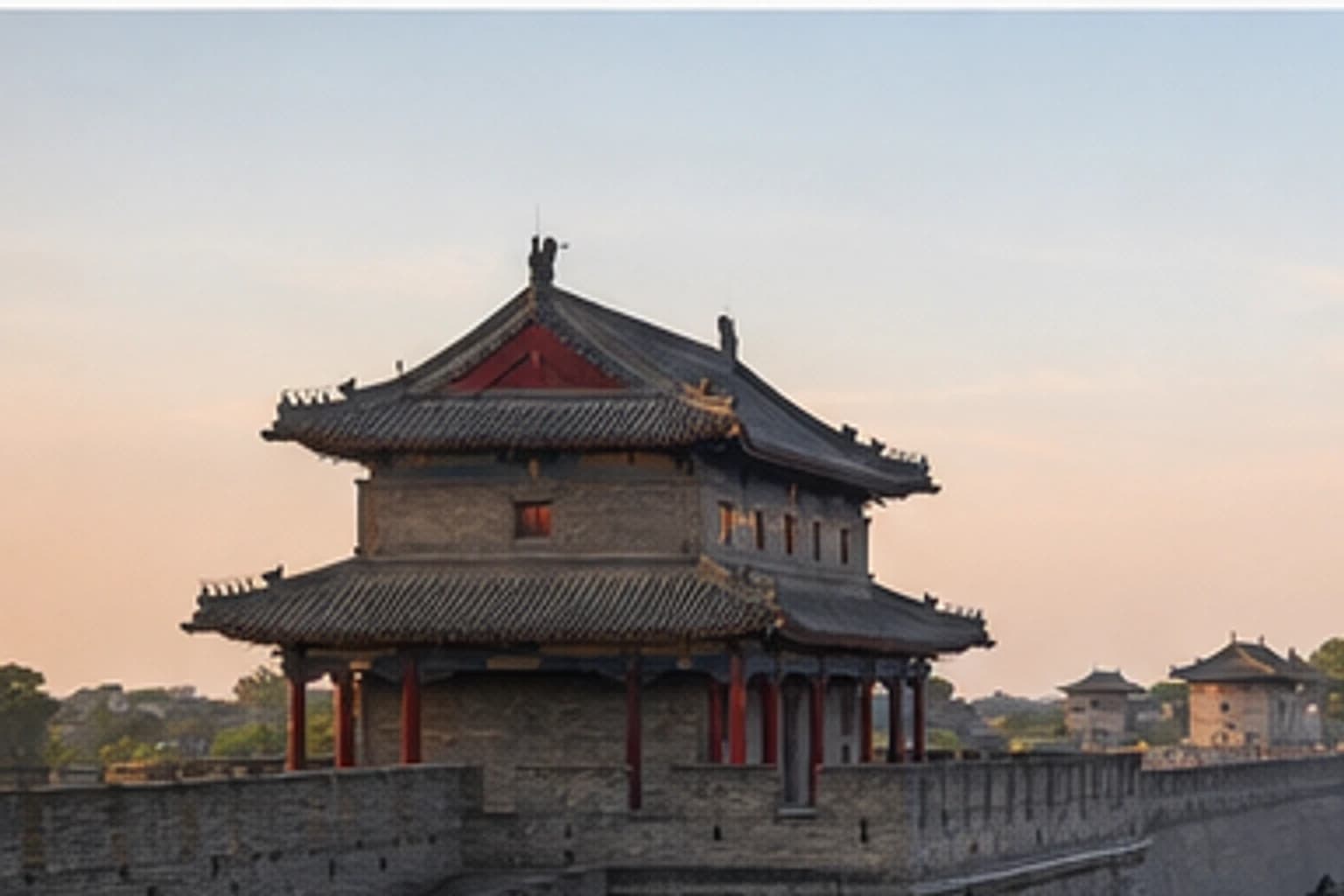
Finish at the South Gate for the city-wall perspective. Provincial tourism material in 2026 continues to feature the gate and old-city walking route, while conservation work on the wider wall remains ongoing. Stay on signed public sections and do not assume every bastion is open. Sunset is attractive, but evening lighting and performances are seasonal programmes, not guaranteed daily access.
Tickets are site-specific
Walking the public streets does not require one universal ancient-city ticket. Longxing and some pagoda compounds charge separately or appear in combinations; public gates or wall areas can be free while tower interiors are controlled. An older county notice listed the South and East Gates, Yanghe Tower, Tianning Temple and several cultural sites as free, but operating and event arrangements can change. Check each gate on the day instead of treating that list as permanent.
If considering a combination ticket, write down the included Chinese names and compare them with this route. It saves money only when the named compounds are open and you have enough time to enter them. The Longxing Temple guide explains its exact current Trip.com option; no generic old-city product is recommended here.
Transport and pacing
From central Shijiazhuang, use a current train, metro-and-taxi combination or direct road transfer to Zhengding. Pin the first entrance, not merely “Zhengding Ancient City.” Within the old city, walk the coherent sections and use a short licensed taxi or official shuttle when heat, mobility or time demands it. Do not rely on an informal tricycle without agreeing the price and exact drop-off first.
The route is mostly flat but exposed and longer than it looks. Wear supportive shoes, carry water, and leave a proper lunch break. A recent traveller combined Zhengding with Hebei Museum and logged roughly 20,000 steps; keep Hebei Museum for another day if you want to understand both places rather than merely photograph them.
Return to the Shijiazhuang guide for the complete stay.