Xiuying Fort
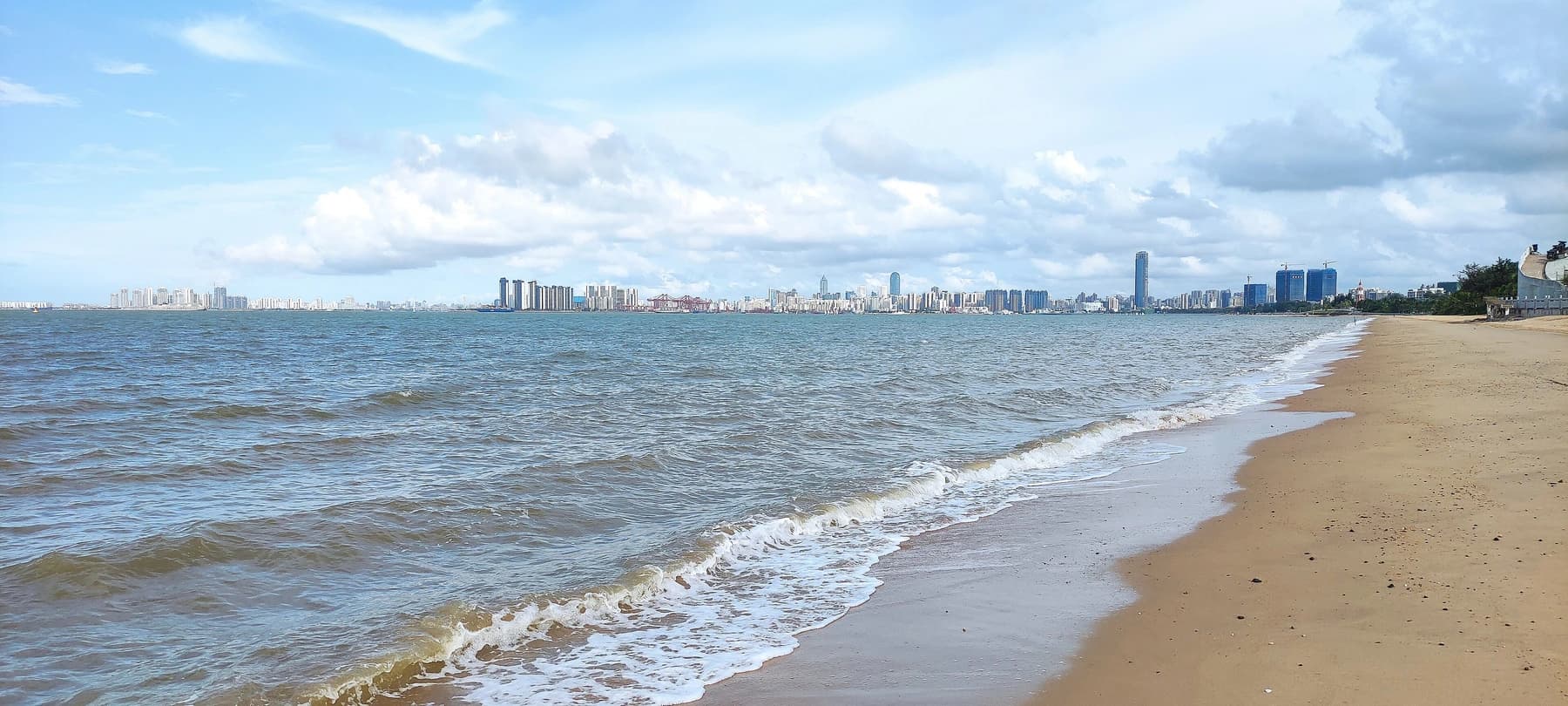
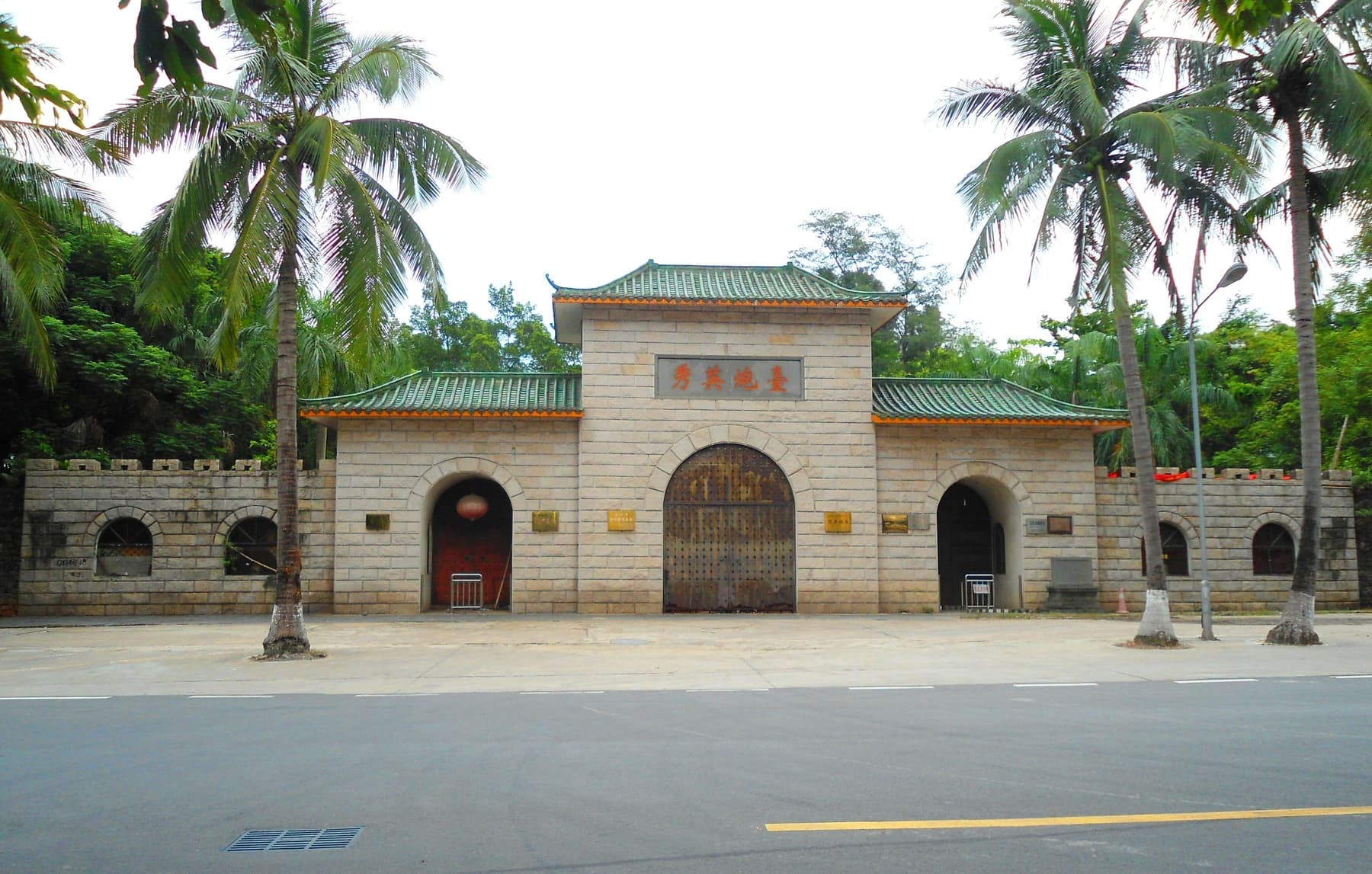
Modern Haikou now surrounds the fort, making its original maritime field of view difficult to grasp. Begin with a map or site plan, then use the earthworks and gun positions to recover how the battery related to the coast and Qiongzhou Strait.
A focused one-hour sequence
Identify the defensive perimeter before descending to individual positions. Ask how guns, ammunition, personnel and communication moved through the site. Surviving, restored and display elements may coexist; use dated interpretation rather than judging authenticity by how weathered a surface looks.
Recover the lost geography
Use a map to locate Qiongzhou Strait, the historical shoreline and the modern roads around the fort. Then stand at each legal viewpoint and imagine the field of fire before towers and traffic altered it. This spatial exercise explains the site better than treating the guns as isolated objects.
Read names, dates and calibers only from current labels. A cannon may be original, relocated, restored or a display; visual age alone cannot establish which. Note how ammunition storage and protected movement connect to the firing positions.
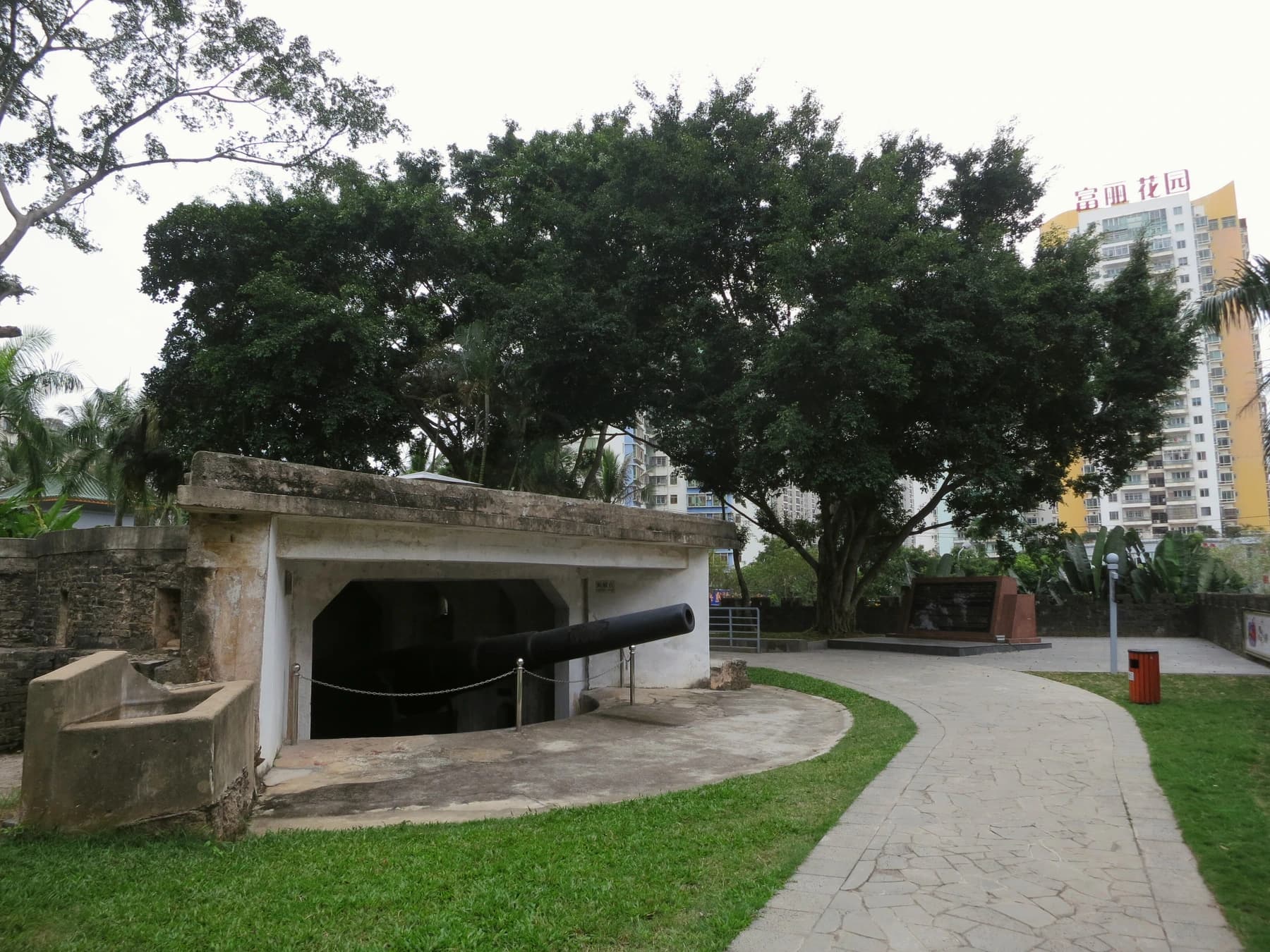
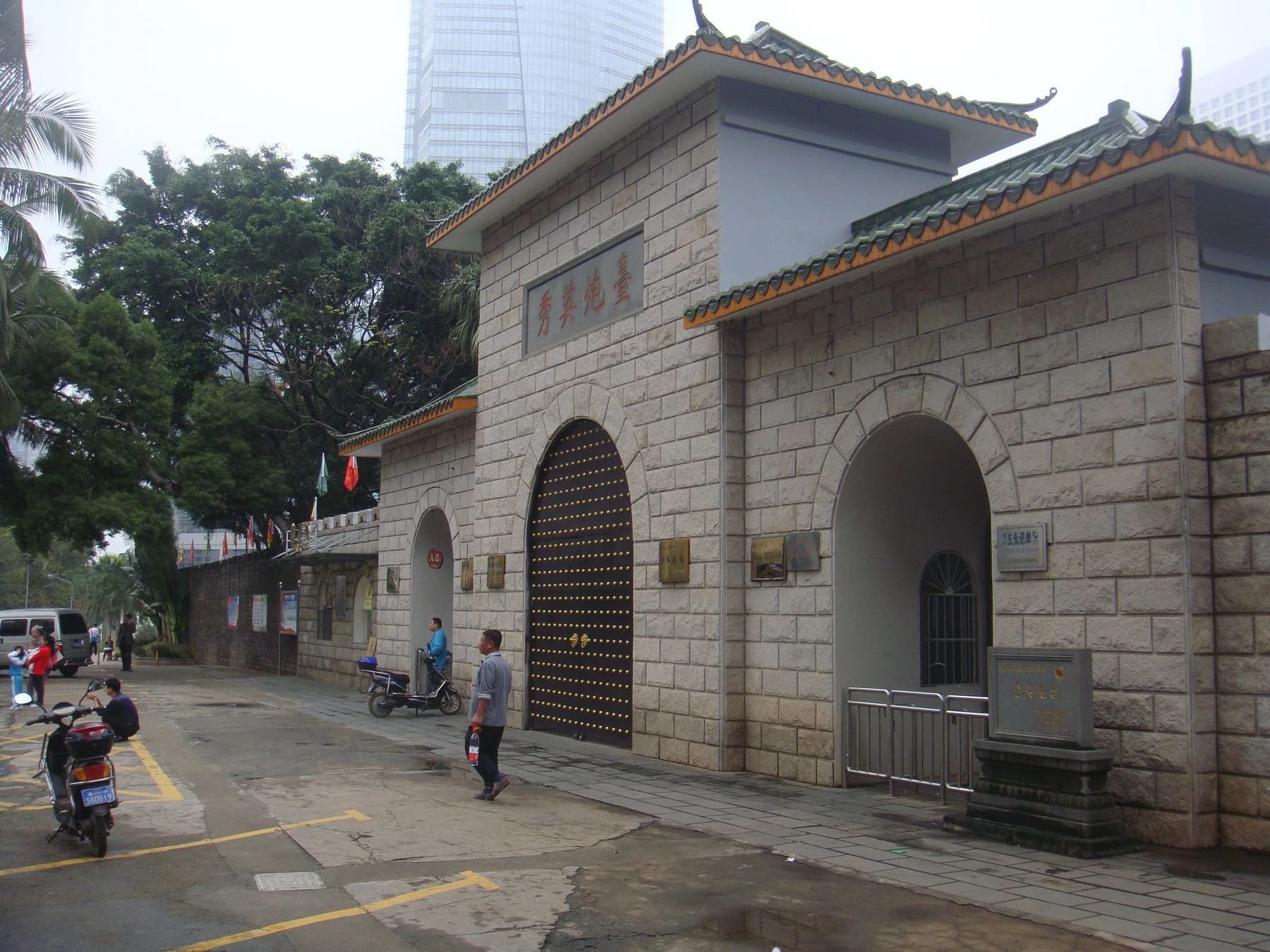
Practical cautions
Check current opening and controlled areas before travel. The compact urban plot can be easy to miss, so save the exact Chinese map location 秀英炮台. Steps, damp surfaces and enclosed positions require shoes with grip; follow barriers and do not climb gun emplacements.
Pair the fort after Hai Rui Cultural Park, about 2.7 km by road in verified planning. The fort is a poor substitute for an open coast view; continue to Binhai Avenue only if weather and energy support it.
Who should include it
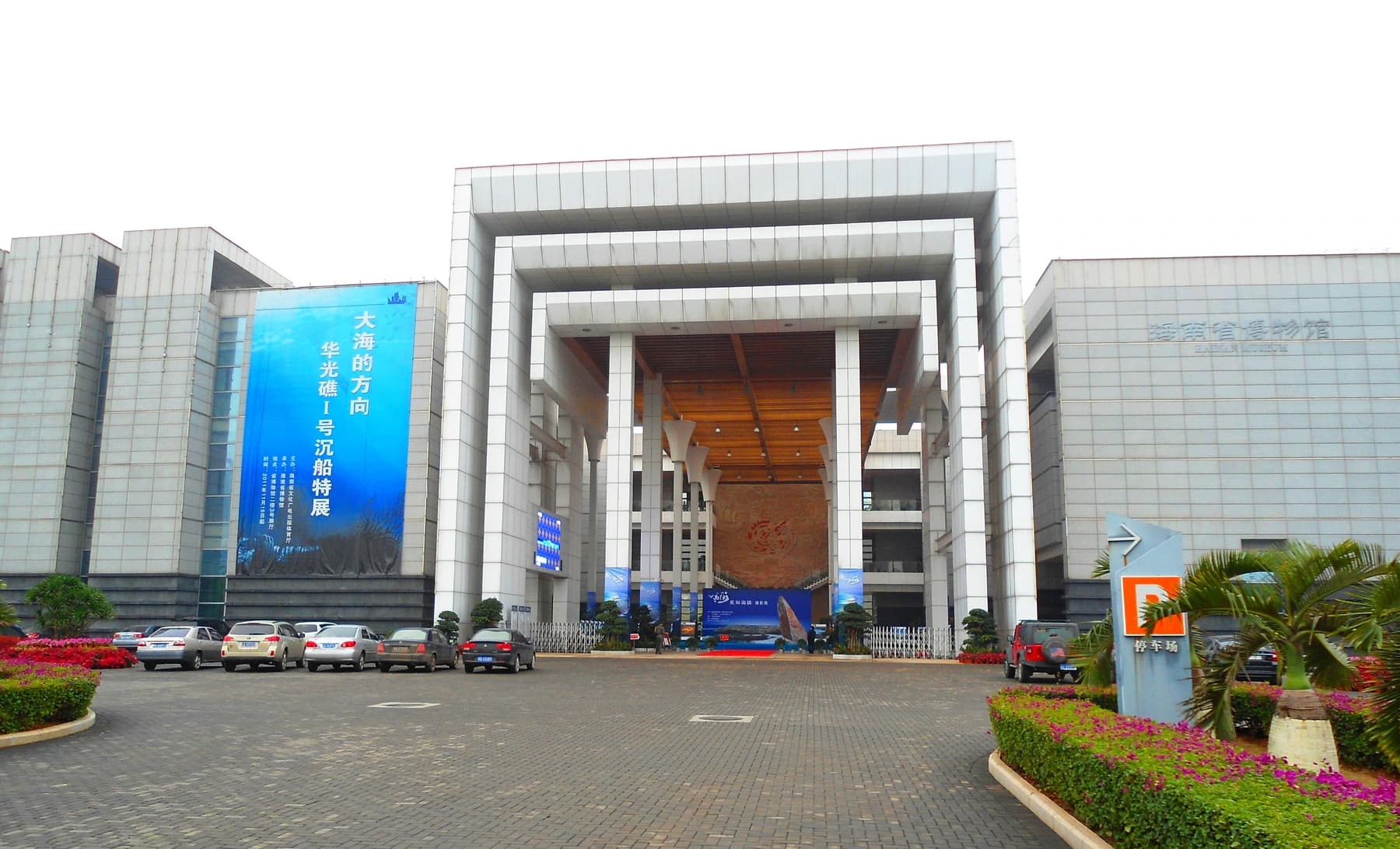
Choose Xiuying if coastal defense, military engineering or late-Qing history is a real interest. On a short general trip, Hainan Museum supplies broader context and the west-coast promenade supplies the sea view. Local visitor evidence does not support treating every distant historical site as mandatory.
Allow extra time to locate the staffed entrance and confirm any closed position. Do not climb earthworks, touch corroded surfaces or enter an unlit chamber beyond a barrier. Save the Chinese address offline and use a formal pickup point after the visit; the surrounding urban road pattern can be confusing even when the site itself is compact.
The fort's public route is short but not automatically accessible: steps, narrow defensive passages and damp surfaces can exclude parts of the sequence. Ask staff which gun positions can be reached without stairs. In heavy rain or extreme heat, make the site-plan explanation the core and omit enclosed or exposed sections rather than stretching a one-hour specialist visit into a safety problem.