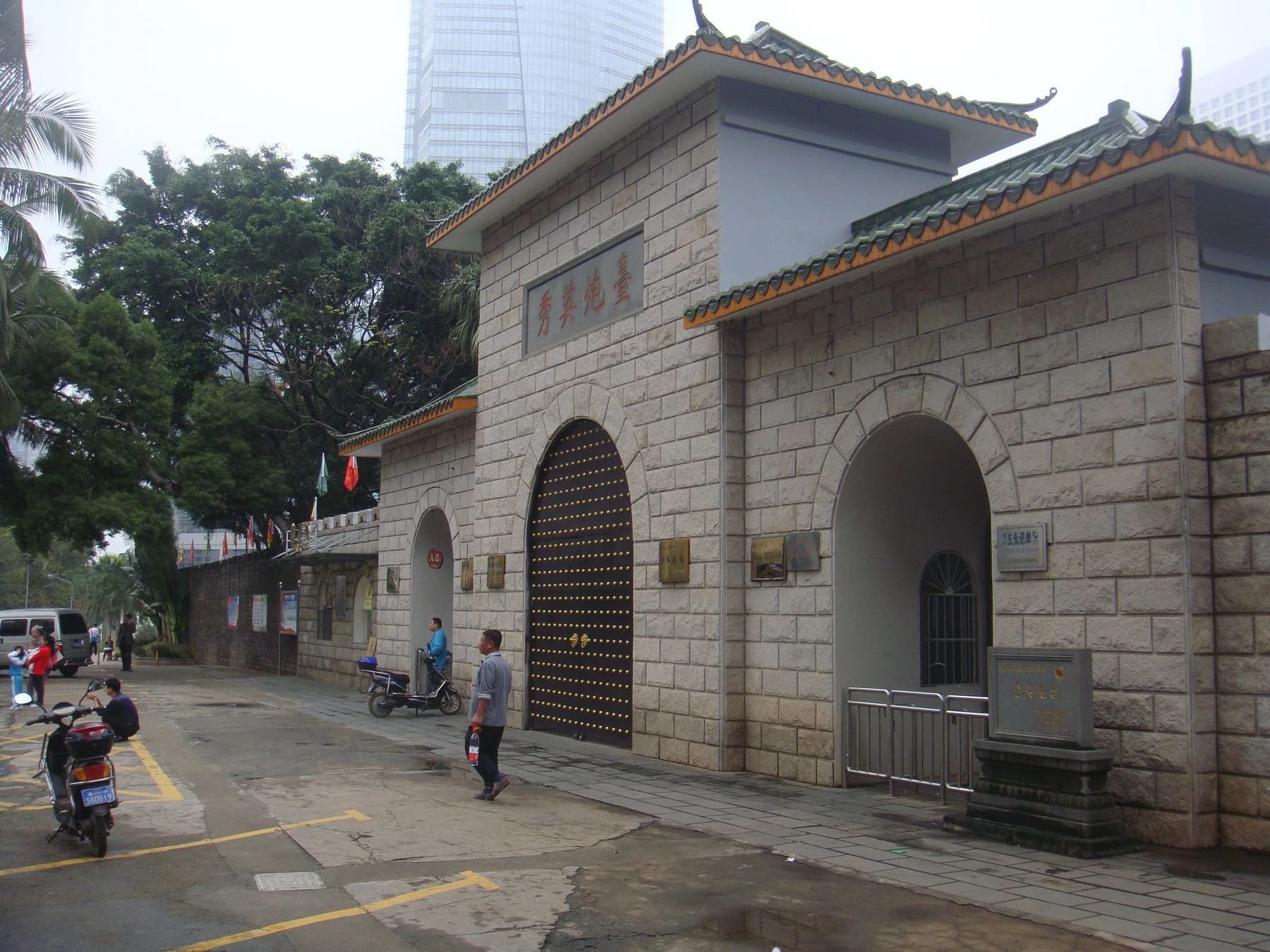
Temple of the Five Lords
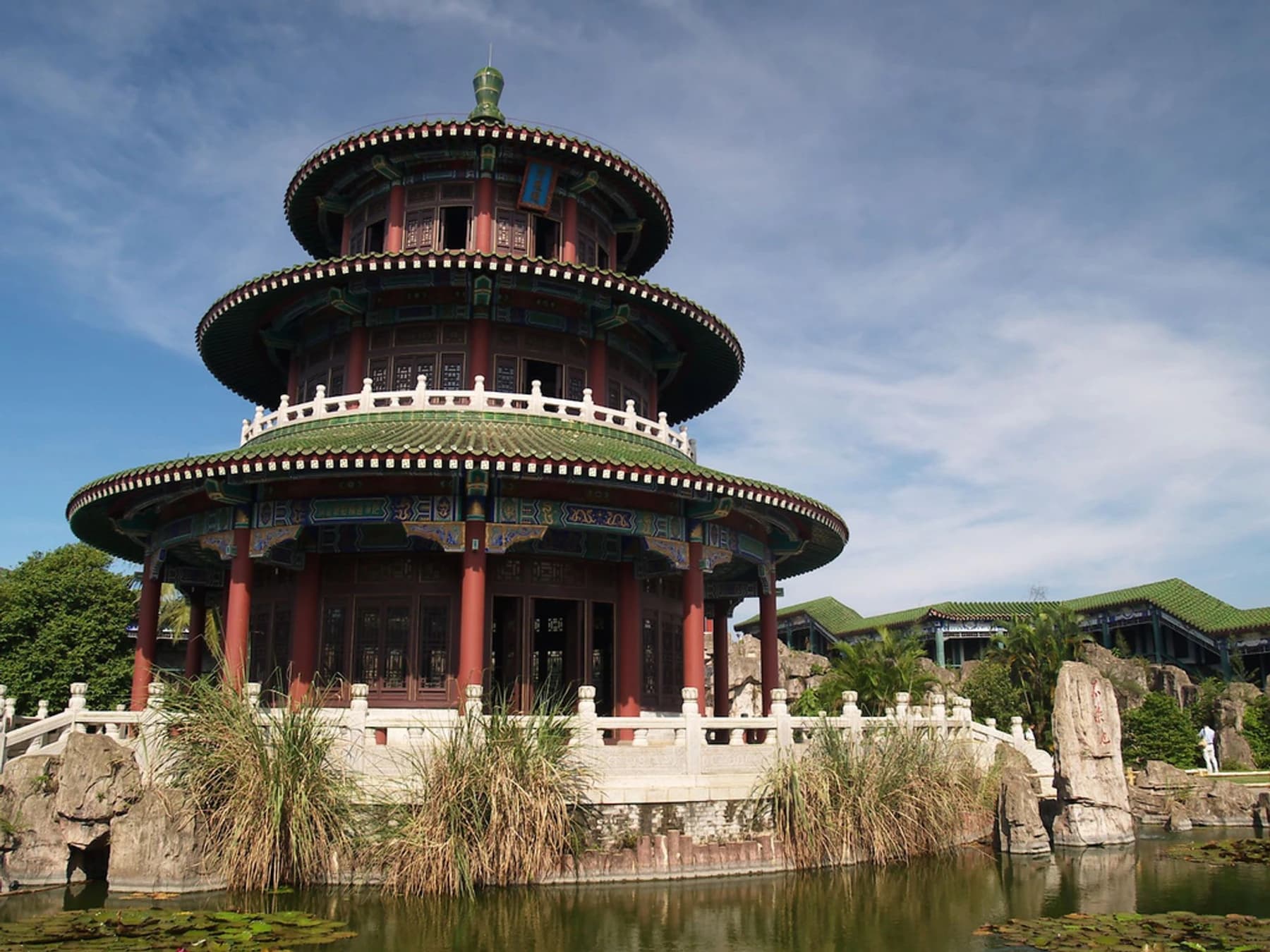
The complex commemorates officials associated with exile to Hainan, but it is not a single untouched building from their lifetimes. Read the named biographies, the political meaning assigned to integrity and exile, and the later construction and restoration that shaped today's memorial landscape.
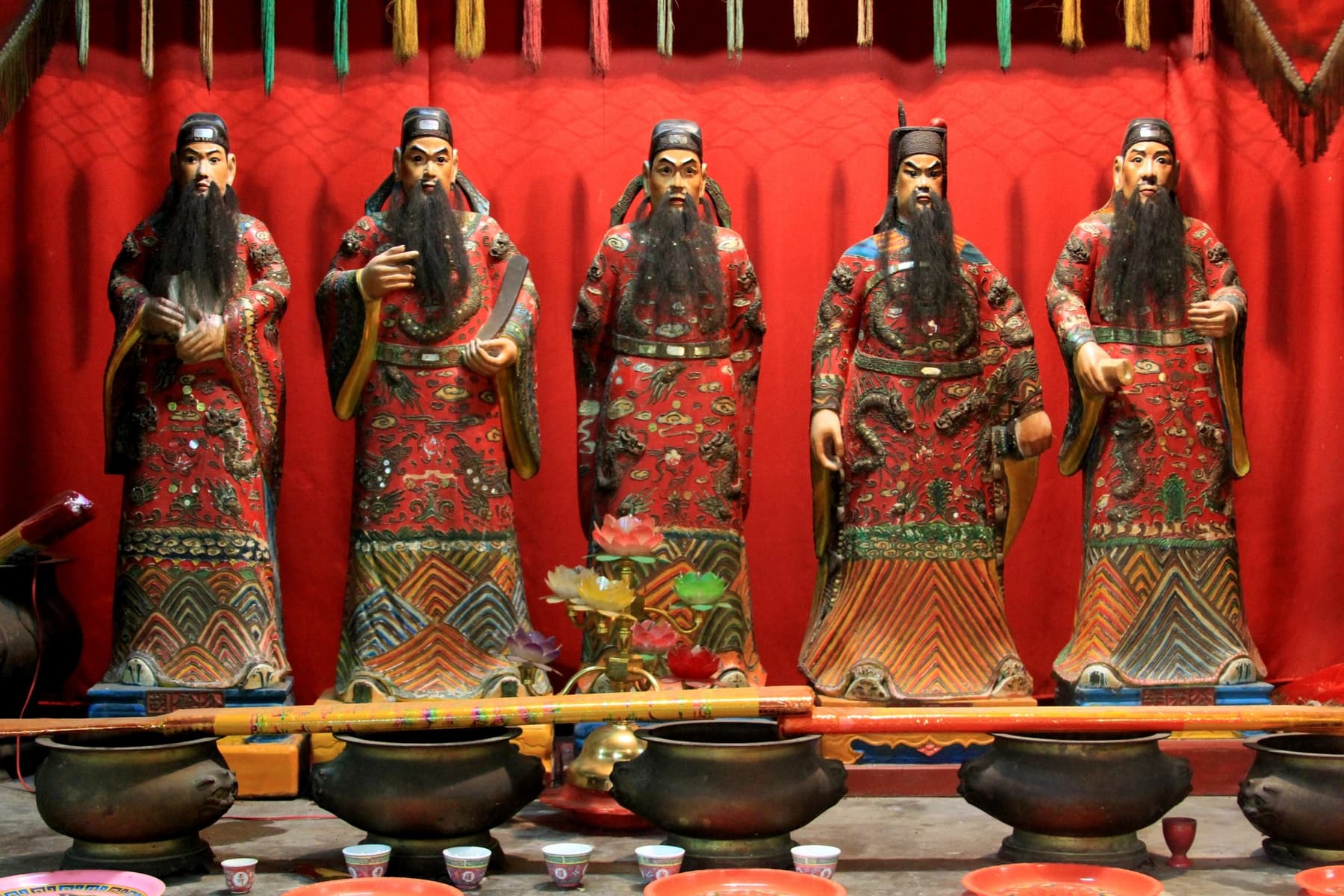
Photo: Rolfmueller · Source · CC BY-SA 3.0
A 60-to-90-minute route
Start with the principal memorial hall, identify the five figures and their dynastic contexts, then move through the garden and related structures. Do not flatten distinct biographies into one generic story of “honest officials.” Compare why later generations grouped them in Hainan's civic memory.
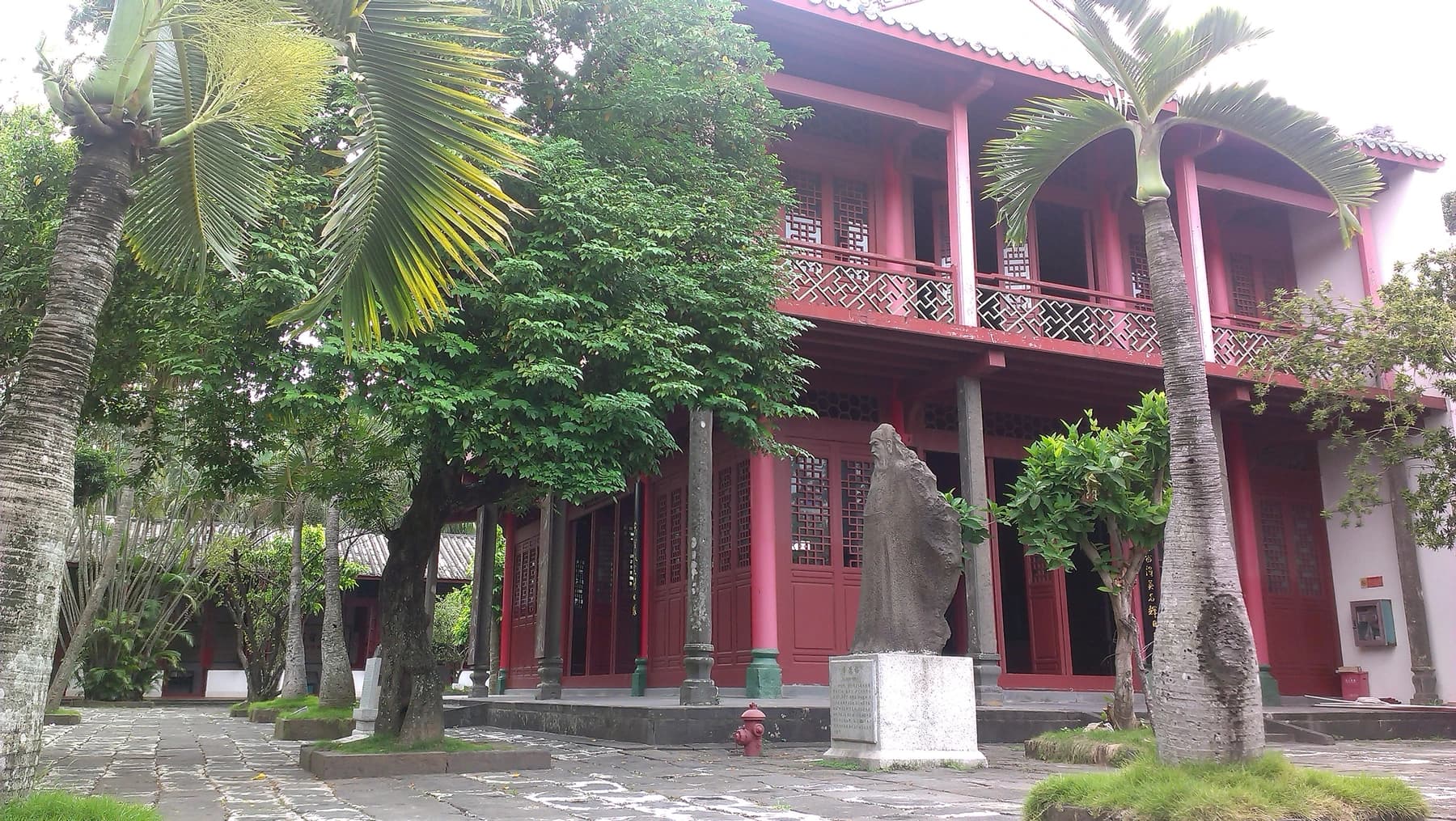
Photo: Wwbread · Source · CC BY-SA 4.0
Architectural fabric has been repaired and rebuilt. Use current interpretive signs to distinguish date, relocation and reconstruction instead of assigning every visible element to an early dynasty.
Make the biographies concrete
For each commemorated official, identify the dynasty, the action or political conflict connected to exile, and how later Hainan narratives remembered him. The grouping is itself historical evidence: the complex tells you as much about later ideals of public service as it does about the individuals' lifetimes.
Translation coverage may be uneven. Photograph permitted labels, use a translation app away from doorways and keep the Chinese names with your notes. Avoid turning “exile” into one romantic story; forced relocation, political punishment and local cultural memory are distinct layers.
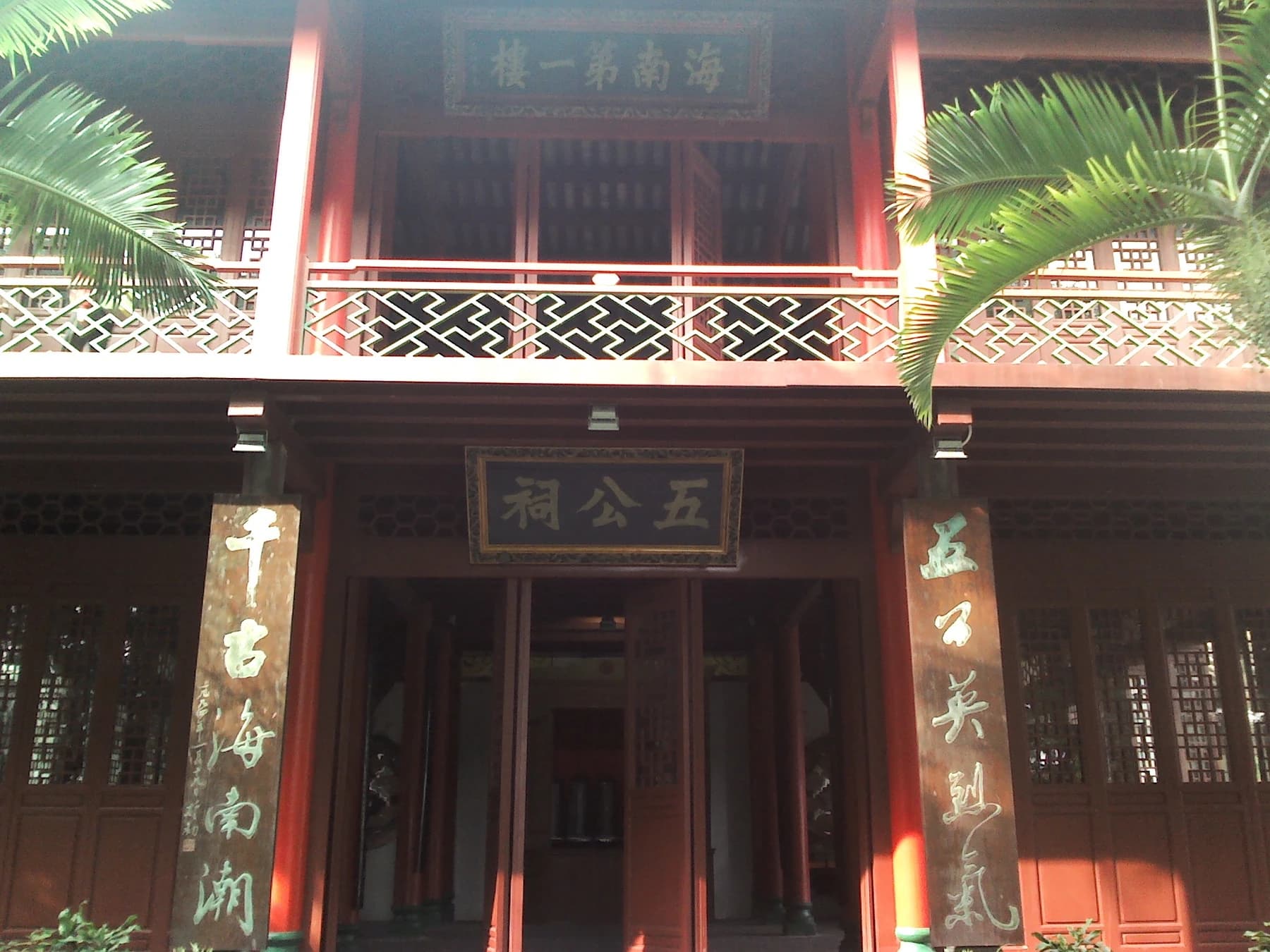
Photo: Neal dong2012 · Source · CC BY-SA 3.0
Practical pairing
Visit after Hainan Museum, roughly 3.0 km away by car in route planning. Qiongtai Academy is geographically nearby, but its Amap listing currently flags a paused-open status; verify independently before adding it. Do not promise a closed or controlled venue because an old itinerary treats it as automatic.
Check live opening, ticket and hall-access notices. Dress for heat and rain, keep voices low in memorial interiors and avoid blocking visitors at narrow thresholds.
The complex reopened July 1, 2026 after a documented preservation closure. Its current official baseline is 08:00–18:00, with ticket sales and entry ending 17:30. The reopening notice says the full visitor area and supporting facilities resumed, but a July procurement record also shows further conservation work around named halls and galleries. Follow barriers and the latest on-site notice rather than assuming “fully reopened” means every repair zone is permanently finished.
The same reopening notice revised admission and preserved half-price/free categories with original documents, but event prices can differ. Use the staffed window with a passport and check the displayed current tariff instead of recycling a pre-renovation price.
Is it essential on a short visit?
Choose the complex after Hainan Museum if political history and memorial architecture interest you. Skip it on a one-day leisure stop if Qilou, food and sea breeze are the real priorities. Recent local reports are mixed on Haikou's outlying historical checklist; a focused pairing is more useful than accumulating tombs and temples by car.
Save 五公祠 and verify the staffed entrance. If a hall is closed, use the gardens and open interpretation rather than trying to access a neighboring gate. The Hainan government visitor information is a starting point, but same-day signs control access.