Hai Rui Cultural Park
Hai Rui was a Ming official born in Hainan whose reputation became associated with directness and incorruptibility. The cultural park is most useful when you distinguish biography, burial site, later memorial construction and the moral meanings attached to him over time.
A 60-to-90-minute visit
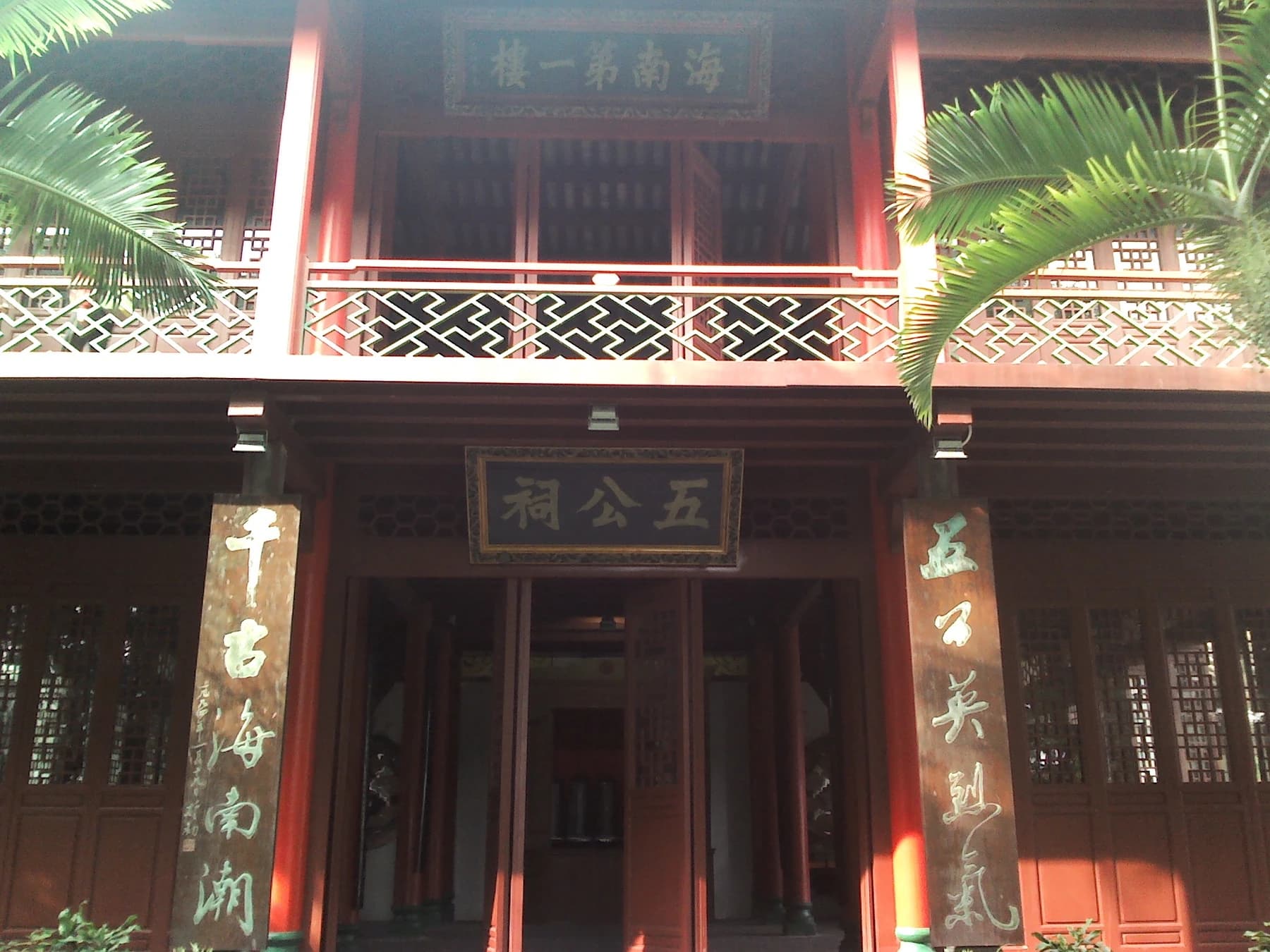
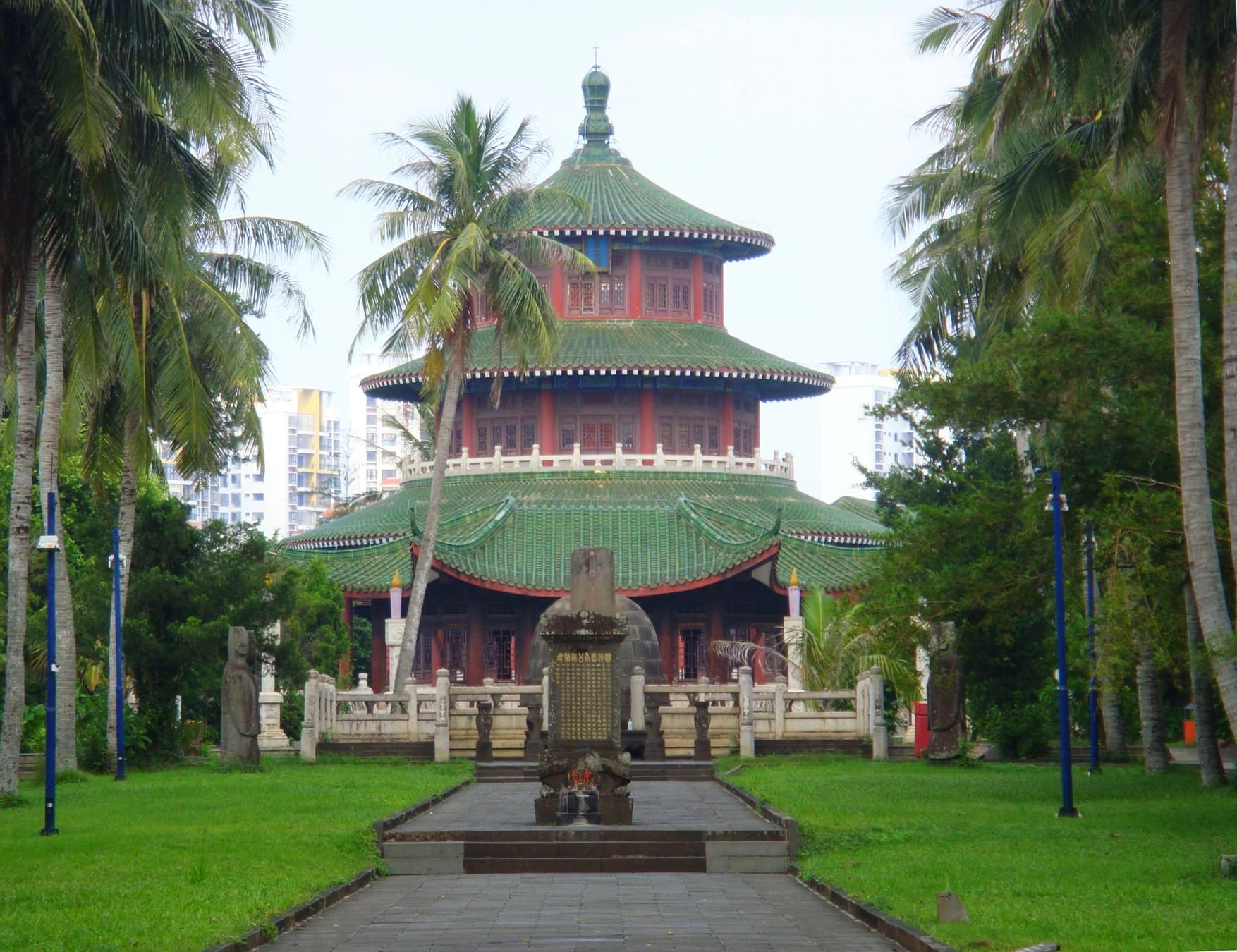
Read the biographical chronology before approaching the tomb axis. Note inscriptions, spatial hierarchy and the relationship between the burial area and newer exhibition or commemorative buildings. Do not describe every pavilion as Ming-period fabric without a dated site label.
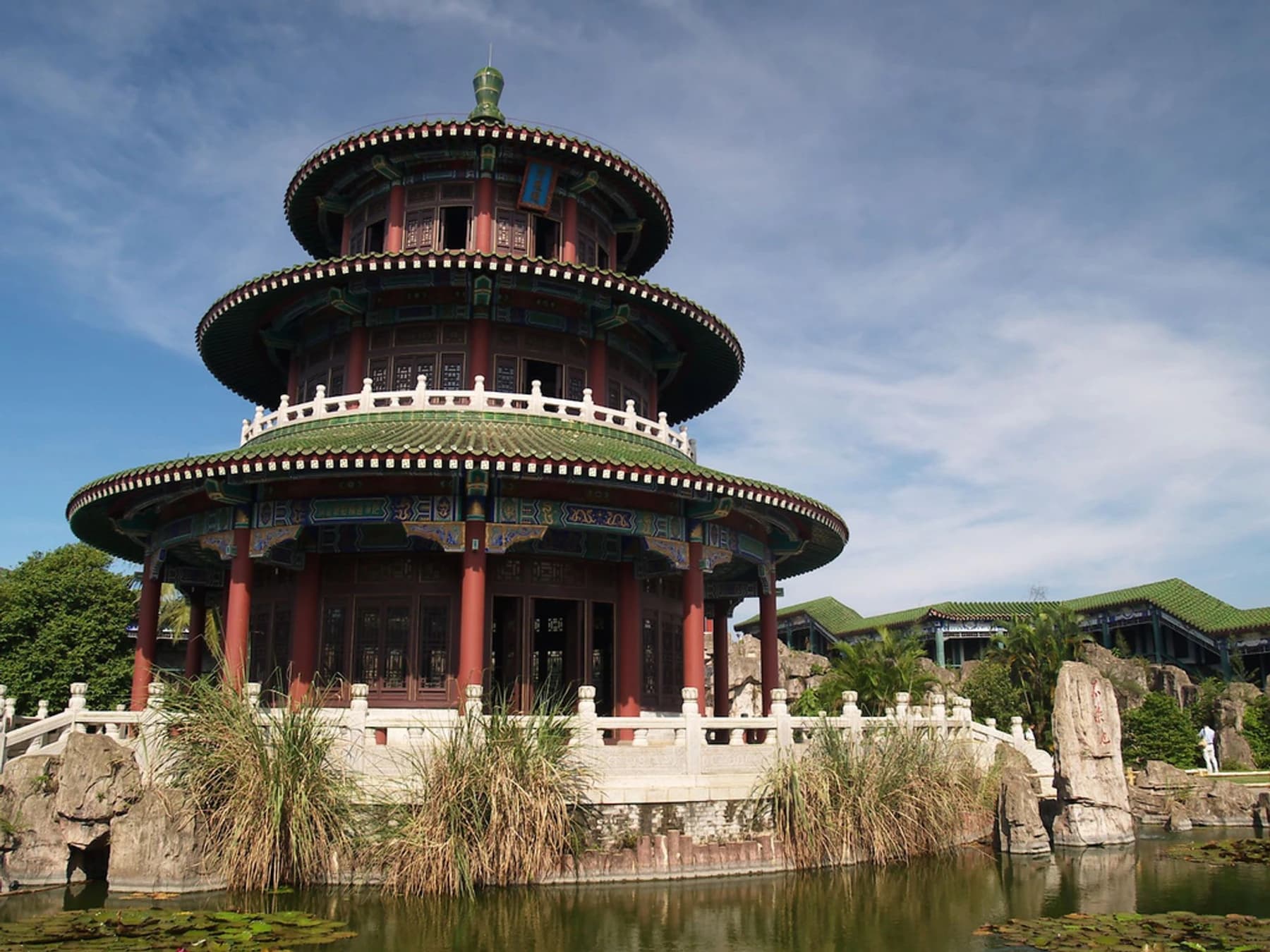
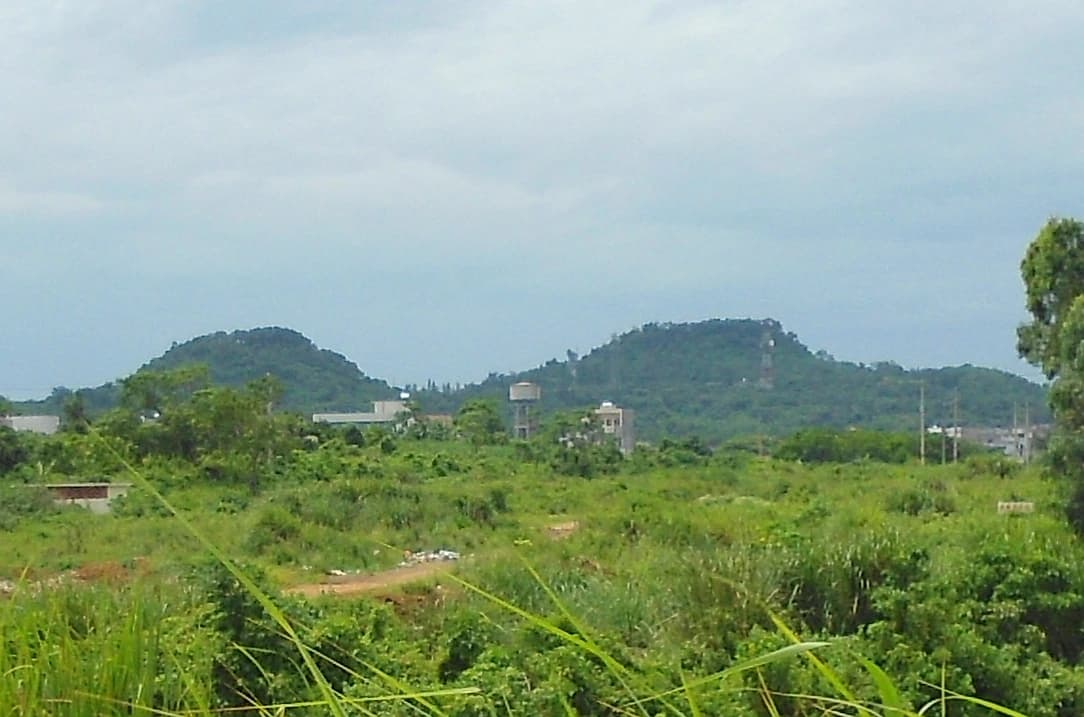
Photo: Pavel Kromer's Whole Lotta Trouble · Source · CC BY-SA 2.0
Ask three questions: what evidence describes Hai Rui's actual career, which stories became popular later, and what qualities the modern park chooses to emphasize. This turns a statue-and-tomb stop into a readable political-memory site.
Read the processional space
Move slowly along the main axis and note how gates, inscriptions, planting and elevation prepare the approach to the burial area. A modern exhibition hall may explain Hai Rui more directly than an ornate pavilion, while the tomb's value lies partly in its setting and commemorative use. Check every building's date before calling it original.
Hai Rui's later reputation has been used in different political and cultural contexts. Treat moral anecdotes as interpretations until the site connects them to a source. A good visit distinguishes the documented career from the symbolic “upright official” constructed over centuries.
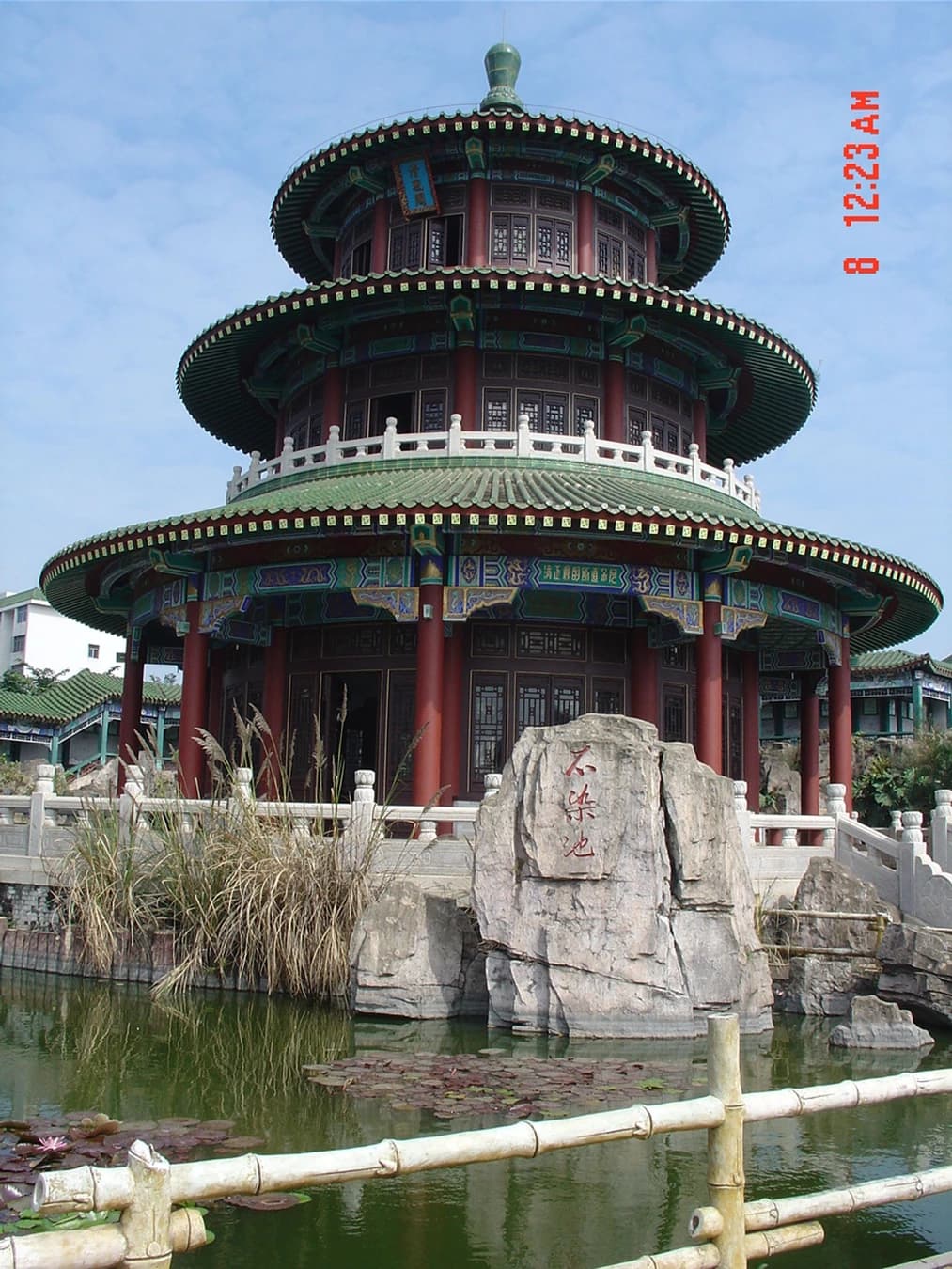
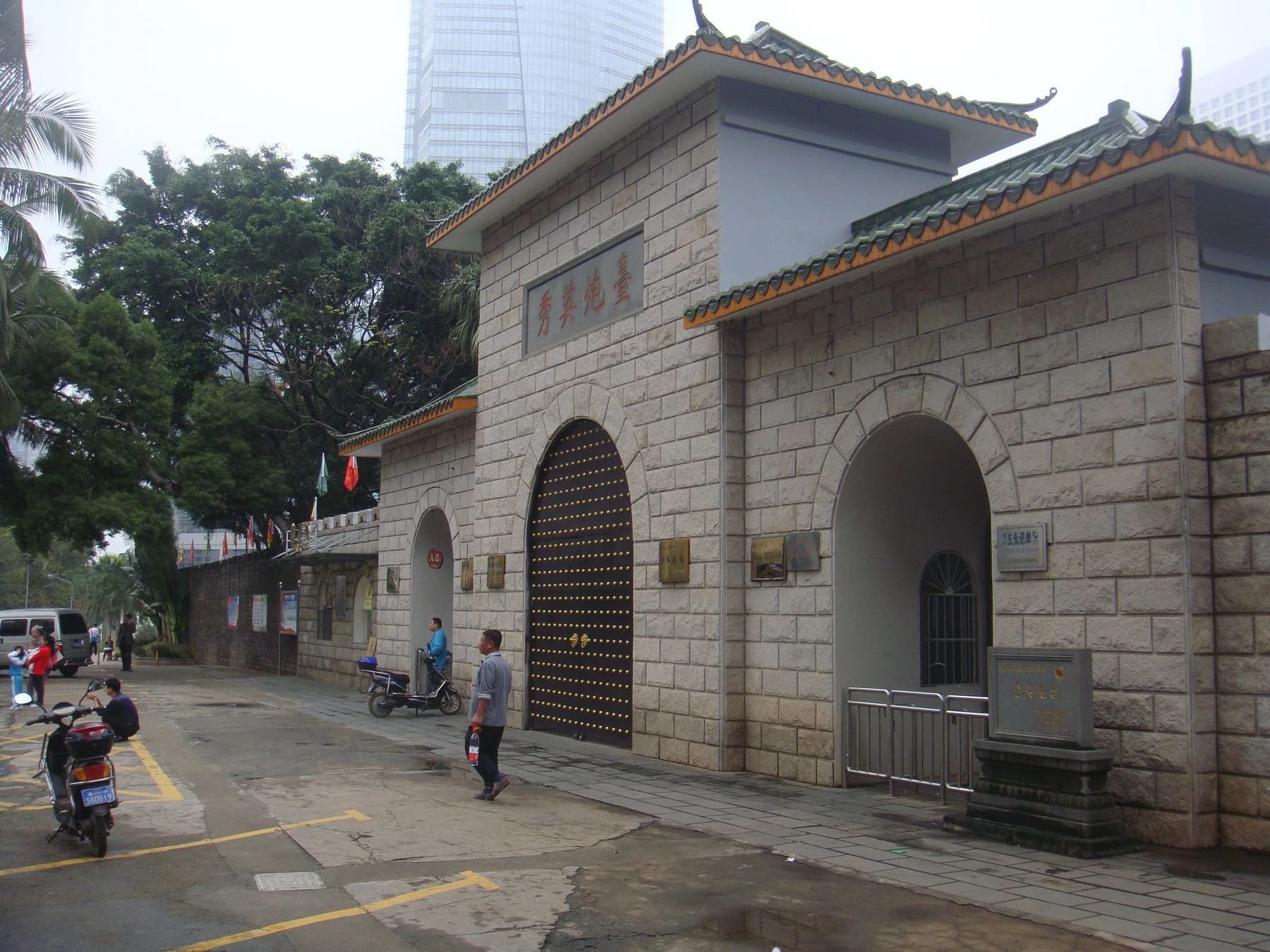
Photo: bsdjs2 · Source · CC BY-SA 3.0
Place it in the western return route
Come from the volcanic park, then continue to Xiuying Fort. The verified Hai Rui–Xiuying transfer is about 2.7 km / 10 minutes by car before traffic. This sequence moves from Hainan's landform to a locally born official and then coastal defence.
Check current opening, exhibition and controlled-area notices. The park includes exposed walking and limited shade, so early or late timing is more comfortable than midday. Keep photography respectful around the burial axis.
Decide whether the western route is for you
The park makes sense between the volcano and Xiuying Fort when you have a vehicle and a full interest-driven day. It is not a universal Haikou must-see. Travelers with one central day should prioritize Hainan Museum for broad context or Qilou for urban life.
Save 海瑞文化公园 and confirm the correct public entrance. Carry water, but do not picnic or stage portraits on the tomb axis. If rain makes paving unsafe or exhibitions are closed, shorten the stop rather than adding unrelated nearby pins simply to fill the transfer.