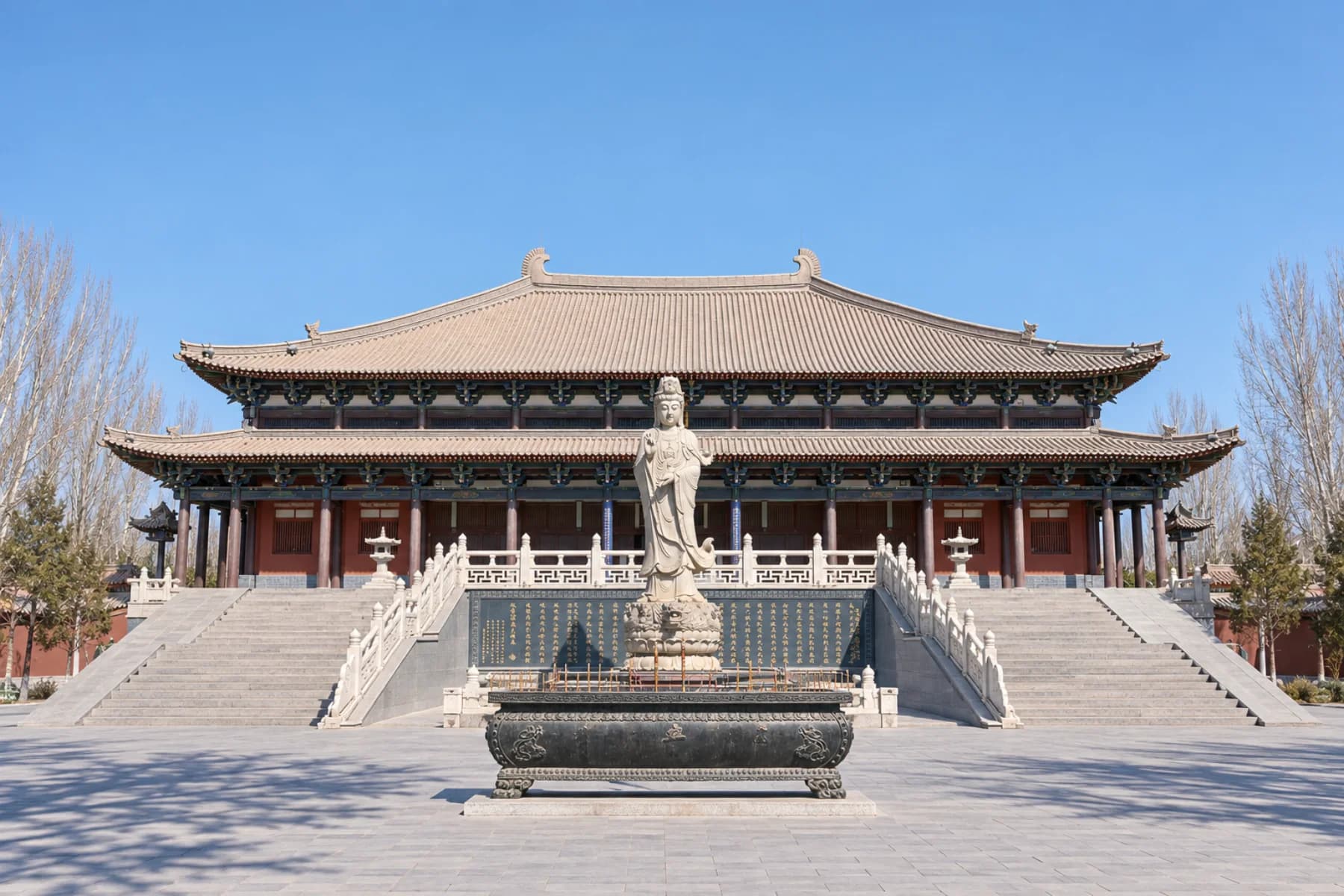
Yumen Pass
Yumen Pass, or Jade Gate Pass, is part of the Silk Roads: Chang'an–Tianshan Corridor. Its heritage value is broader than one square rammed-earth building: pass, walls, beacons and route landscape together express movement and frontier control.
That scale creates a visitor divide. History-led travelers can spend meaningful time reading the system; scenery-led visitors may see only eroded walls under intense sun and wind. Neither reaction should become a universal verdict.
Choose reduced or fuller depth
A reduced visit focuses on the principal near-site remains and essential interpretation. It suits a mixed western line where Yadan is the priority.
A fuller visit uses the currently operating internal route to connect more of the wall, beacon and corridor context. Choose it when Han frontier history is a primary interest and the day's vehicle, weather and stop allocations support it.
Confirm the operating stops and return arrangement before boarding. Open components, internal transport and product names can change.
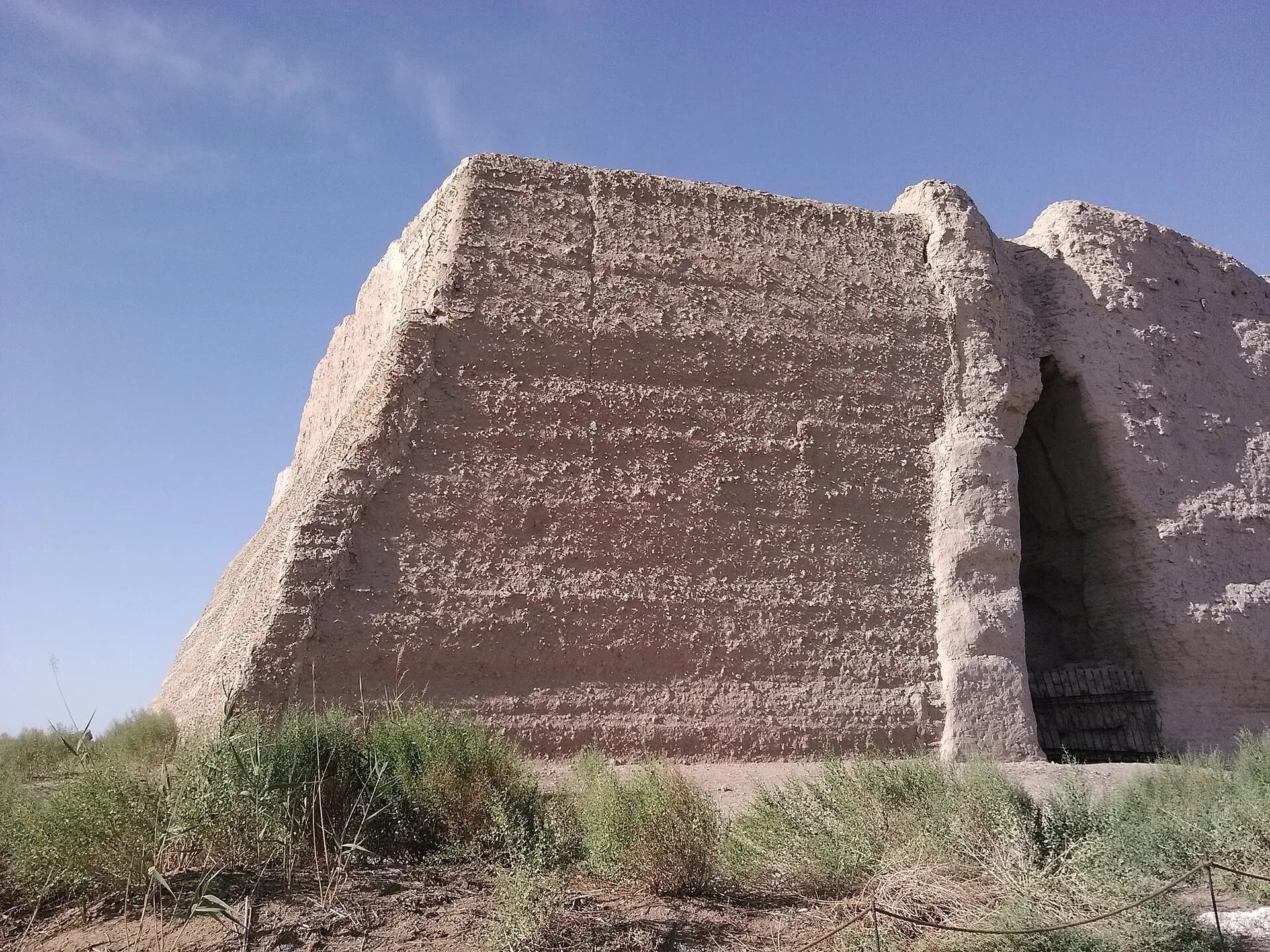
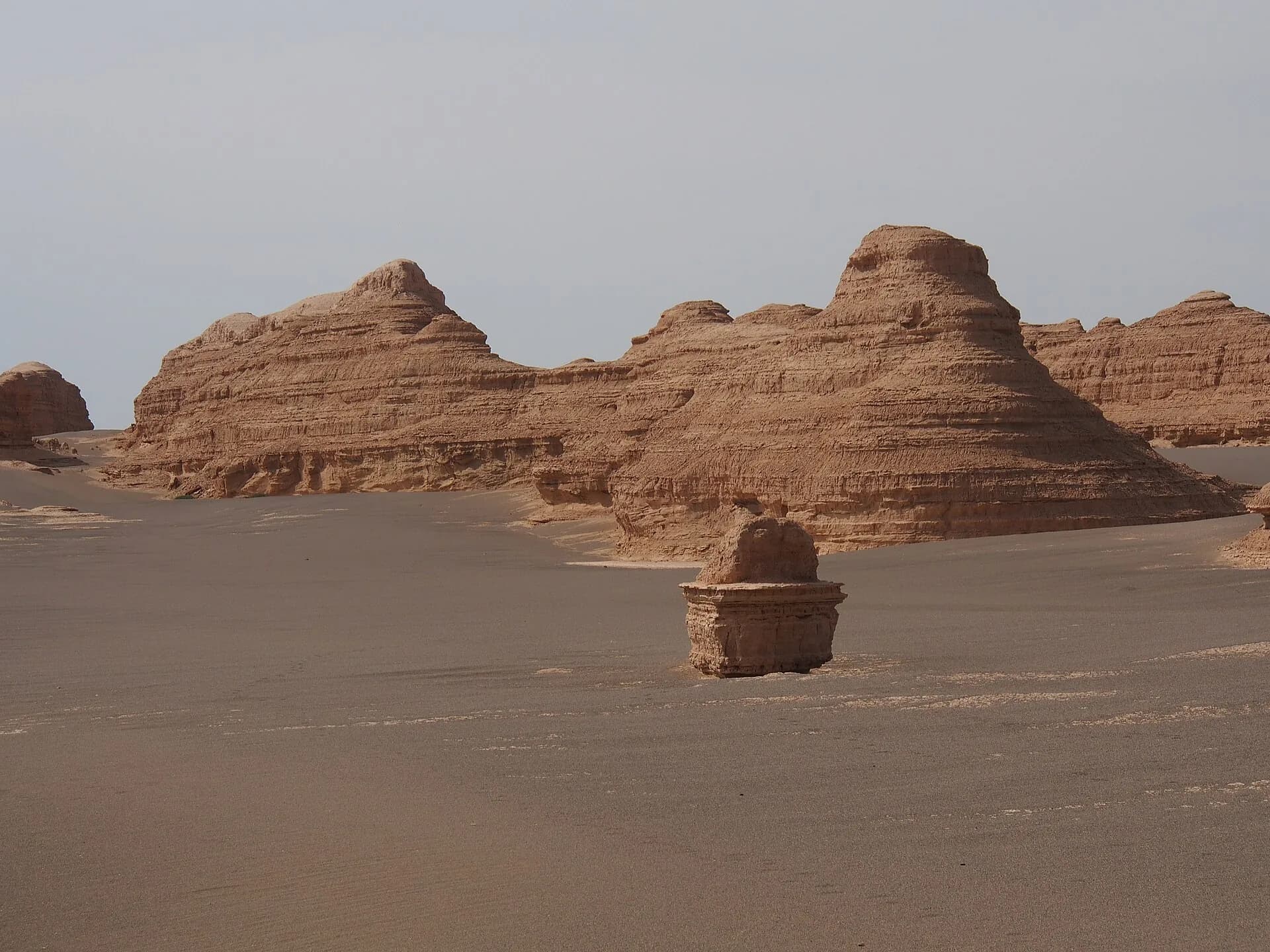
Photo: Shineboycw · Source · CC BY-SA 3.0
The photograph records visible earthwork remains, not their exact construction date, an open visitor path or today's conservation condition.
Give the three main remains different jobs
Use Xiaofangpan Castle (小方盘城) as your first orientation point: look at the compact enclosure, then use the site interpretation to place it in the wider frontier system. For a fuller visit, ask whether the current vehicle circuit includes the Han Great Wall remains (汉长城遗址) and Hecang City (河仓城), also called Dafangpan Castle (大方盘城).
At the wall, the useful contrast is between a long defensive line and an enclosed structure. At Hecang, think about supplies: these storage remains add the logistical side of keeping people on the frontier. Looking for a different function at each stop makes the outer circuit more rewarding than taking three similar photographs of earth walls.
Before leaving the boarding point, ask whether you must return on the same vehicle, how long each stop allows and where to meet it. Visitors have reported fixed stops rather than a freely timed hop-on service. If you want detailed interpretation or a slower pace, establish that before boarding. Keep the near-site visit for a tight day; choose the wider circuit when both the explanation and allotted time suit you.
Bring interpretation before adding distance
Rammed earth is not self-explanatory. Use current site interpretation or a qualified guide to distinguish the pass structure, wall systems, beacon functions and protected landscape. Ask what is original fabric, stabilized conservation and contemporary visitor infrastructure.
If the available explanation is weak, a longer vehicle circuit may not add understanding. Cut the outer branch rather than collecting indistinguishable stops.
Fit Yumen into the western line
Yumen and Yang Pass are not interchangeable. Nor does a ticket or tour labeled “two passes” prove equal time or full access at both.
Before booking, obtain written stop duration, internal vehicle inclusion, guide language, meal plan and hotel return. If adding Yadan, choose whether the day prioritizes history or sunset. A route that promises every pass, cave and landform at equal depth is likely to cut something or place the most exposed stop in the harshest conditions.
Weather and conservation
The site is exposed to heat, cold, wind and dust. Carry water, sun protection, and clothing layers appropriate for the season. Stay behind barriers and never climb walls or enter closed openings; a low earthwork remains structurally and archaeologically fragile.
AMap places Yumen Pass about 85.5 km / 1 hour 13 minutes by car from Dunhuang's city anchor and Yadan another 76 km / 50 minutes away. Those figures do not establish the scenic circuit, accessible surfaces, shade, restrooms or last internal vehicle; verify those with the operator.
Final verdict
Choose Yumen for a frontier-system story, not a monumental gate photo. A reduced interpreted visit is stronger than a long unexplained circuit; expand only when history is central and the day's operating route is verified.