Dunhuang Yadan
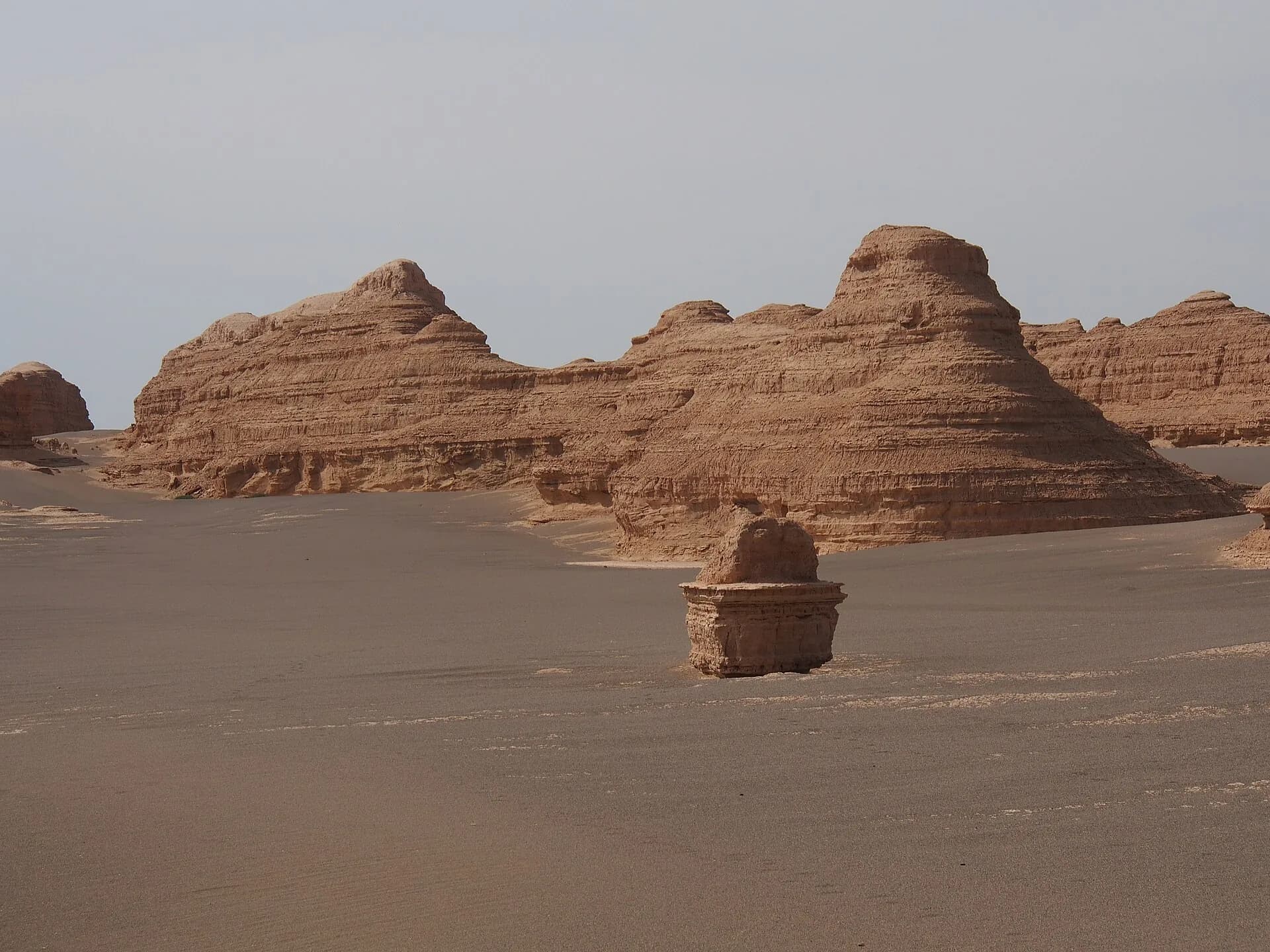
Dunhuang Yadan is part of the Dunhuang UNESCO Global Geopark. Its value lies in a field of yardangs shaped by wind and episodic water erosion across an arid basin—not only in formations given familiar animal or architectural names.
The site sits at the far end of a long, exposed western-line day. Visitor reports range from powerful geology and sunset experiences to exhausting midday waits in poorly cooled vehicles. Both can be true. Transport choice and weather create much of the difference.
Decide the day before the vehicle decides it for you
Start with one of two goals:
- Geology-led Yadan day: protect time for the landforms and interpretation; add no more than the western heritage stops the schedule can genuinely support.
- Mixed west line: accept a more controlled Yadan visit so Yumen Pass, Yang Pass or West Thousand Buddha Caves receives real time.
There is no honest “complete west line” in which every stop gets equal depth. If the written schedule is overloaded, decide the cut before departure—not after a driver silently removes a cave or pass.
Separate four transport layers
Do not use “private car” as a catch-all. Confirm which of these you are buying:
- a city-to-attraction transfer or charter;
- the standard scenic-area sightseeing bus and its fixed stops;
- a separately sold internal off-road route reaching additional terrain;
- any optional motor activity that is neither the city transfer nor the official core route.
A city charter does not automatically grant private movement inside the protected area. An internal premium product does not automatically take you back to Dunhuang. Obtain vehicle cooling, seats, exact inclusions, guide language, stop durations, activity upsells and hotel return in writing.
The page's 2017 photograph documents the geology. It does not mark a current stop, open sector or safe independent walking route.
Choose early return or sunset honestly
An early-return product protects sleep, avoids a very late city arrival and can reduce night driving. It may, however, place Yadan in harsh midday heat and compress the final heritage stop.
A sunset product can offer lower light and a longer landscape sequence. It also creates a late return, and cloud, dust or wind can erase the promised color. Stars and the Milky Way depend on sky, moon, season and legal access; no operator can guarantee them.
Choose the tradeoff, not the marketing image. Do not book a same-evening flight or an inflexible early commitment after a sunset line.
Prepare for a remote arid site
Confirm live wind, heat and closure notices. Carry sufficient water, sun protection and a layer for temperature change. Stay on the official visitor route and obey staff closures; yardang edges are erosion features, not climbing platforms.
AMap estimates 155.9 km / 2 hours 1 minute by car from Dunhuang city to Yadan and 76 km / 50 minutes from Yumen Pass. These are road-only planning values: they exclude pass visits, queues, the internal scenic bus or off-road product and the return. Verify fuel or charging margin, signal, roadside support, insurance and night-driving conditions.
Read the landforms
An interpretation-led visit is stronger than racing between named silhouettes. Look for streamlined ridges, steep windward faces, grooves and differing sediment resistance. Avoid repeating dramatic age, wind-speed or erosion-rate claims from a guide unless the geopark's current interpretation supports them.
Final verdict
Go when the yardang system itself interests you and the long return fits the itinerary. Pick the standard or premium internal product consciously, then choose early return or sunset with full weather risk. Cut another west-line stop before turning Yadan into a heat-exposed photo sprint.