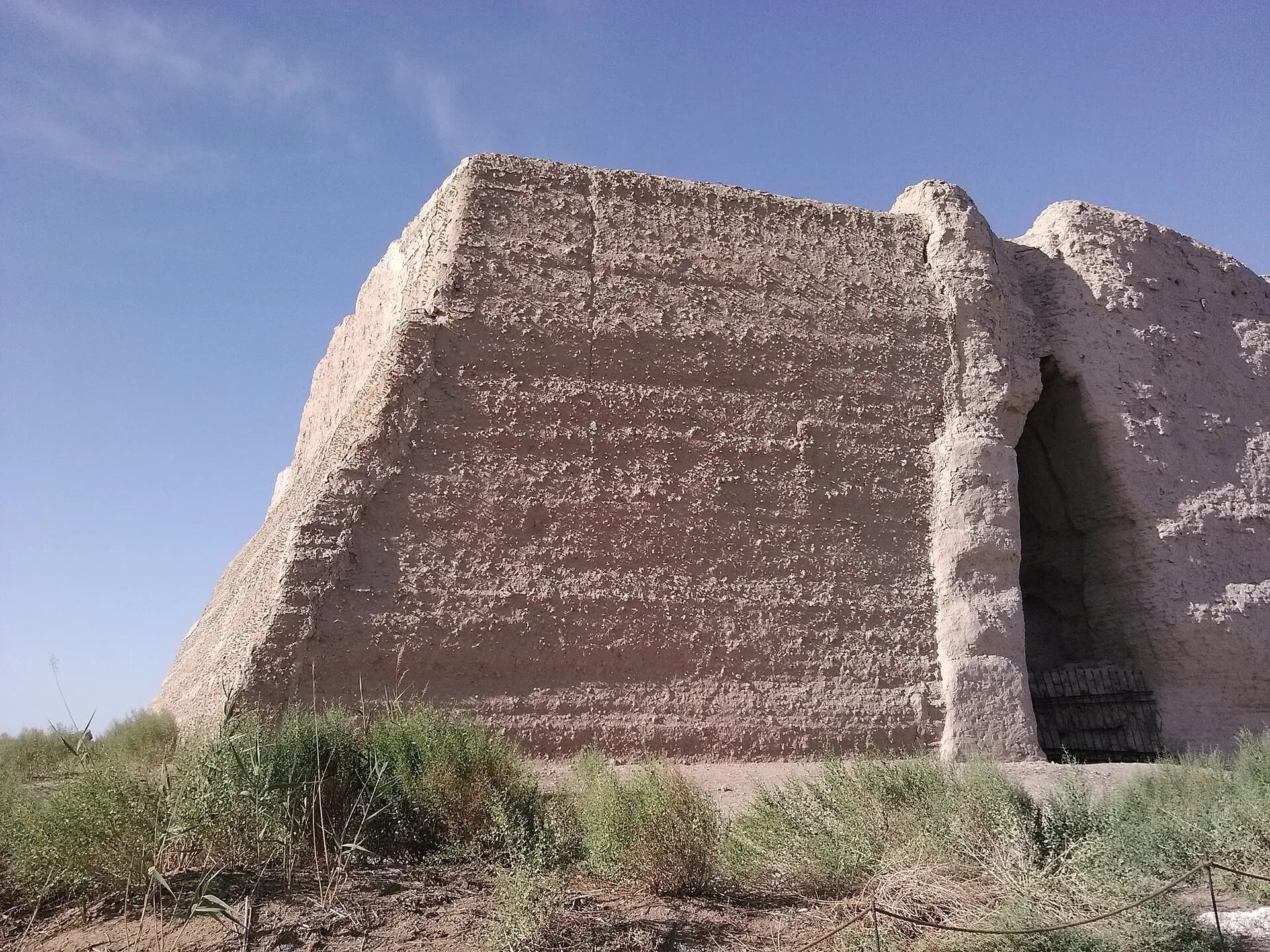
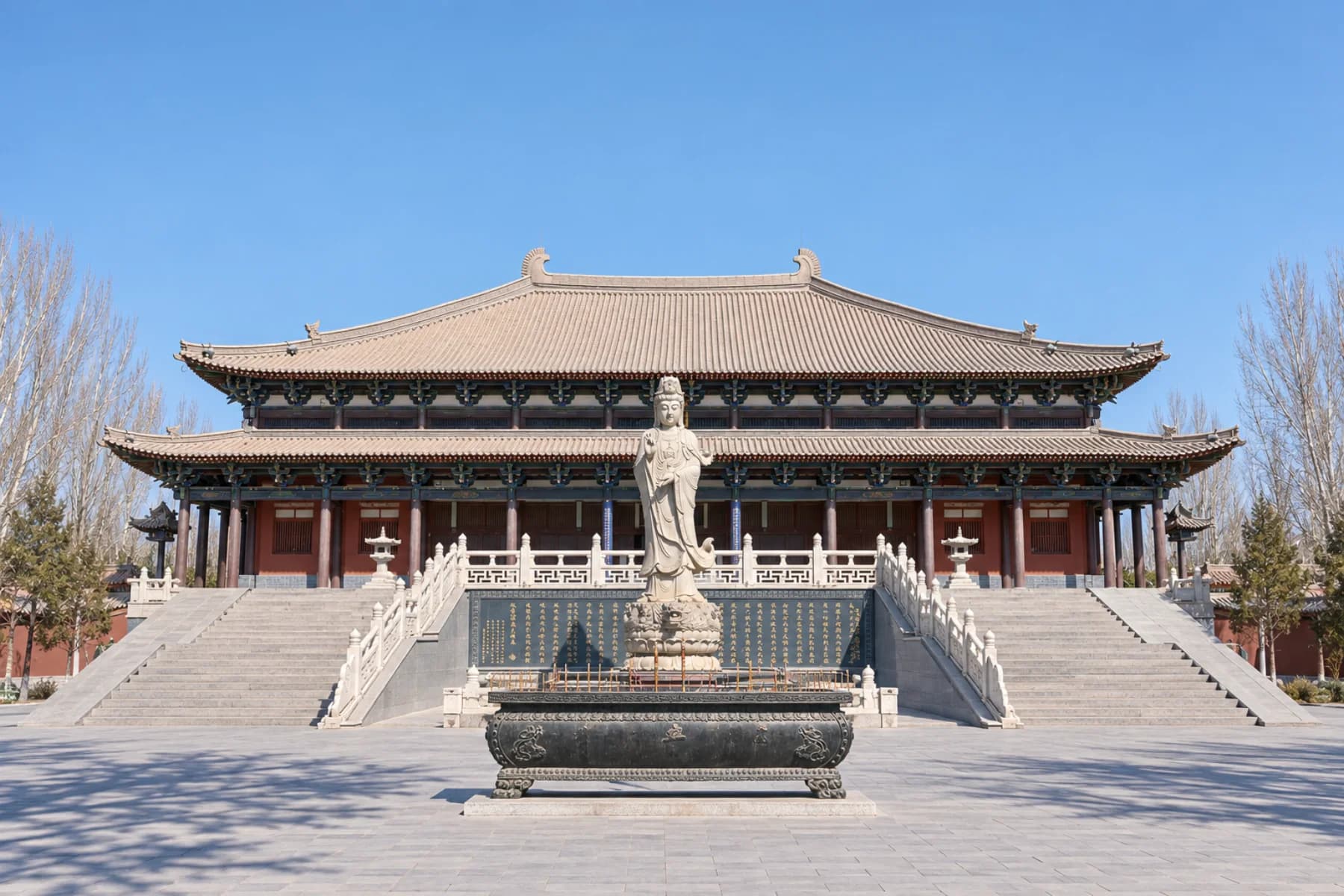
Dunhuang Museum
Dunhuang Museum's permanent exhibition, “Metropolis Where Chinese and Other Peoples Meet,” follows the area's history through five chronological units. The official profile describes 543 sets comprising 1,200 objects. Its value is connection: oasis, political change, trade, religion, passes and caves become one sequence.
Recent visitors often value that interpretation, but several failed at the door because they had no usable reservation, arrived outside their slot or tried to share one booking. Treat admission logistics as seriously as the collection.
Give every visitor a reservation
Use the museum's official reservation page and the live booking system. Each person needs a real-name reservation and a matching original document. One screenshot, guide booking or companion's record does not admit a second visitor.
A 2026 high-season notice introduced four timed slots, booking up to seven days ahead and strict entry within the matching slot from June 1. Because the indexed original is incomplete and seasonal rules can change, the live system—not an old post—decides your date.
The museum's visitor rules explicitly recognize an original passport at the ticket desk. Before visiting, confirm the current online foreign-passport form and whether desk processing still requires a prior slot.
Use the chronology, not a trophy list
Begin with the earliest regional context and keep the sequence through Han frontier development, Silk Roads exchange and later periods. This makes Mogao, Yumen, Yang and Suoyang easier to read.
Official group interpretation can add value, but live language, schedule, group and fee are separate products. Never buy a third-party “ticket plus guide” bundle as a workaround for admission.
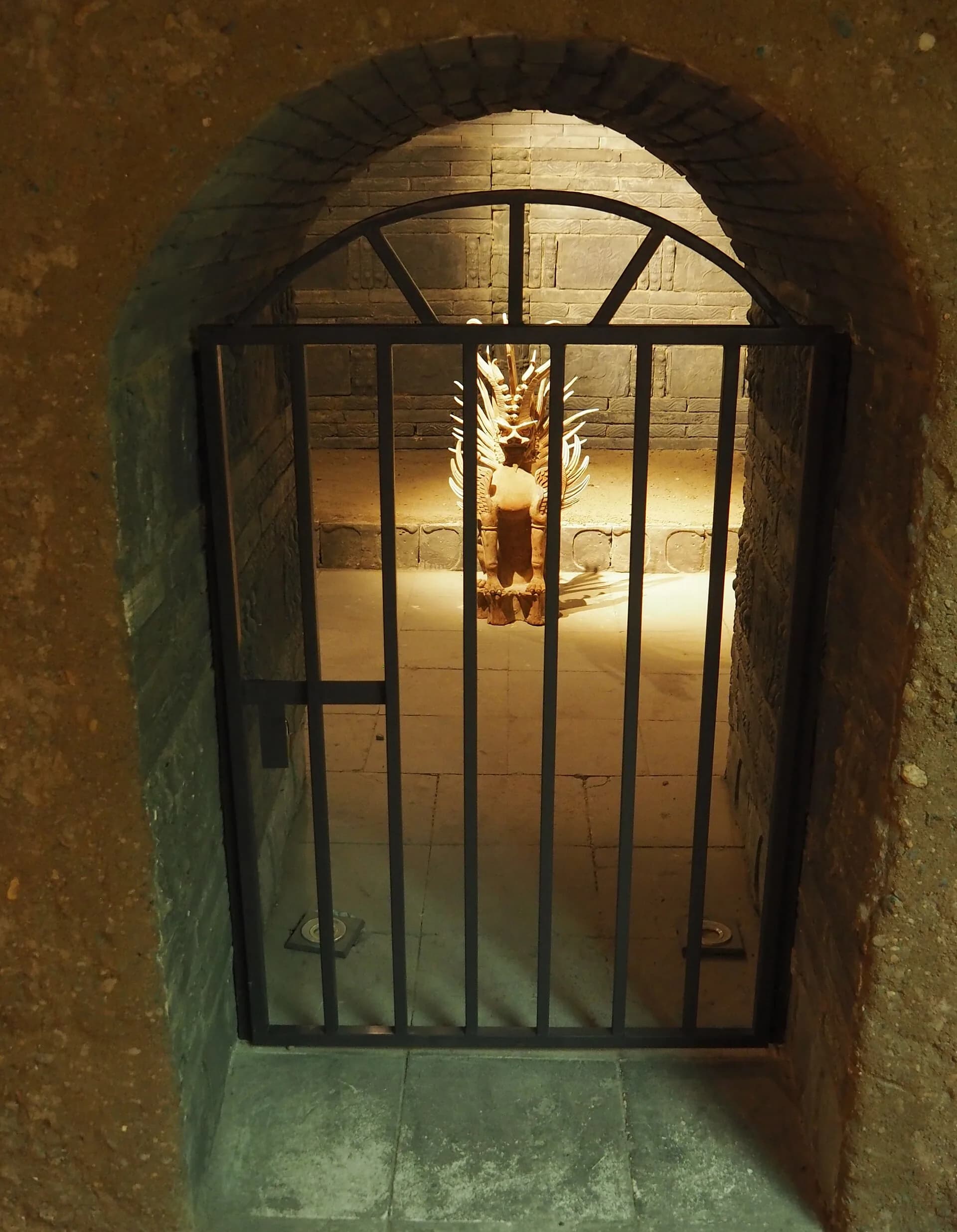
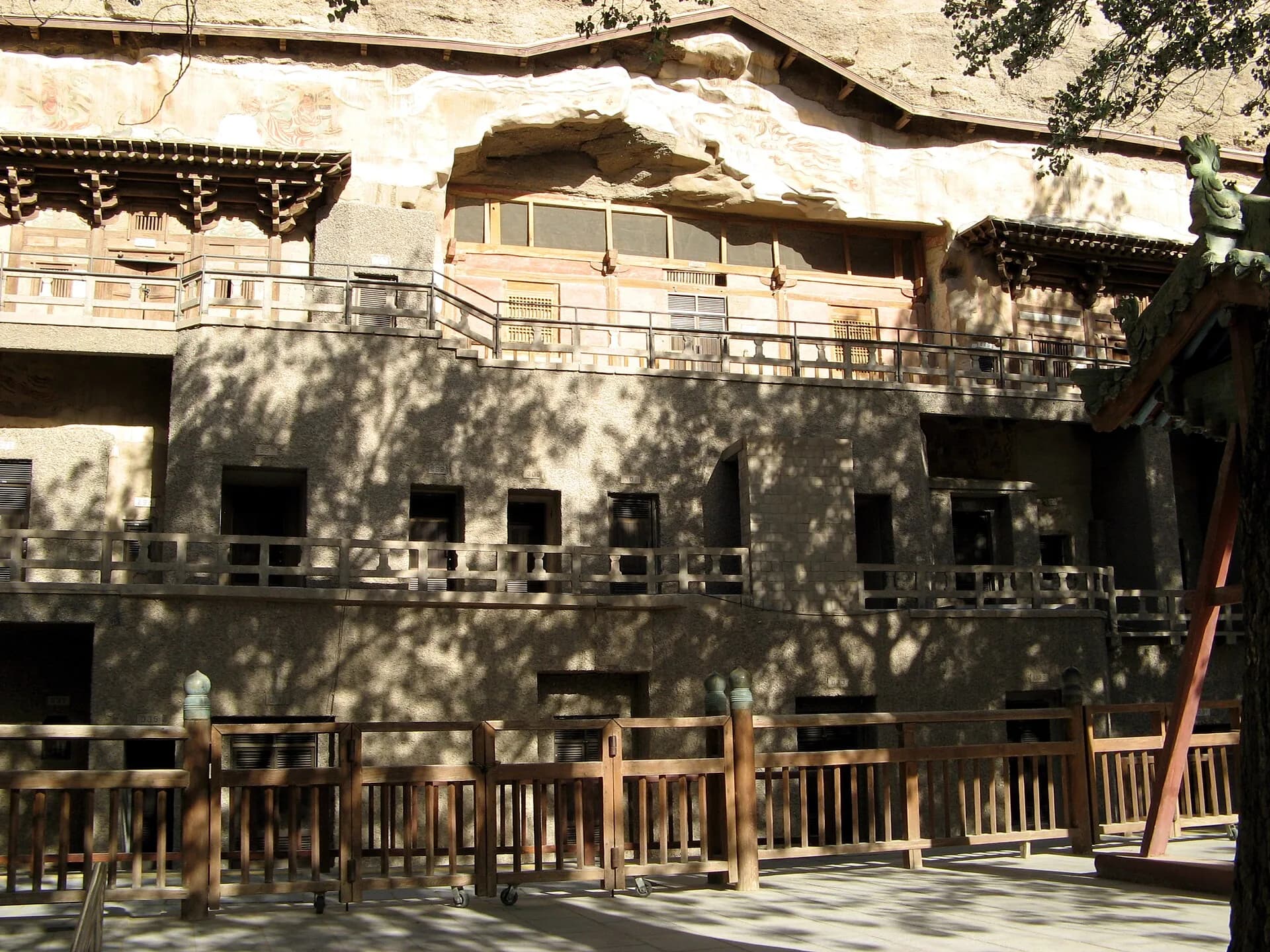
Photo: Laika ac · Source · CC BY-SA 2.0
This image documents a museum display photographed in 2015. It does not establish that the same installation is currently open or that photography is allowed everywhere.
Fit it into the city day
The museum works well on arrival day, before a western/eastern line, or after Mogao when energy allows. It is not a substitute for original cave art, and a rushed wrong-slot attempt is not better than moving it to another day.
AMap places Shazhou Night Market about 1.5 km / 21 planning minutes on foot from the museum, making the two a plausible urban sequence only when the museum's booked slot comes first.
The museum closes on Mondays under its stable rules, while seasonal hours and exceptional closures require a current check. Larger belongings must be stored. Flash photography and tripods are prohibited; temporary exhibitions, guided tours, and parking may carry separate charges.
Final verdict
Reserve one matching slot per person and follow the chronological exhibition. The museum earns time by making Dunhuang's remote sites legible, not by competing with Mogao's originals.