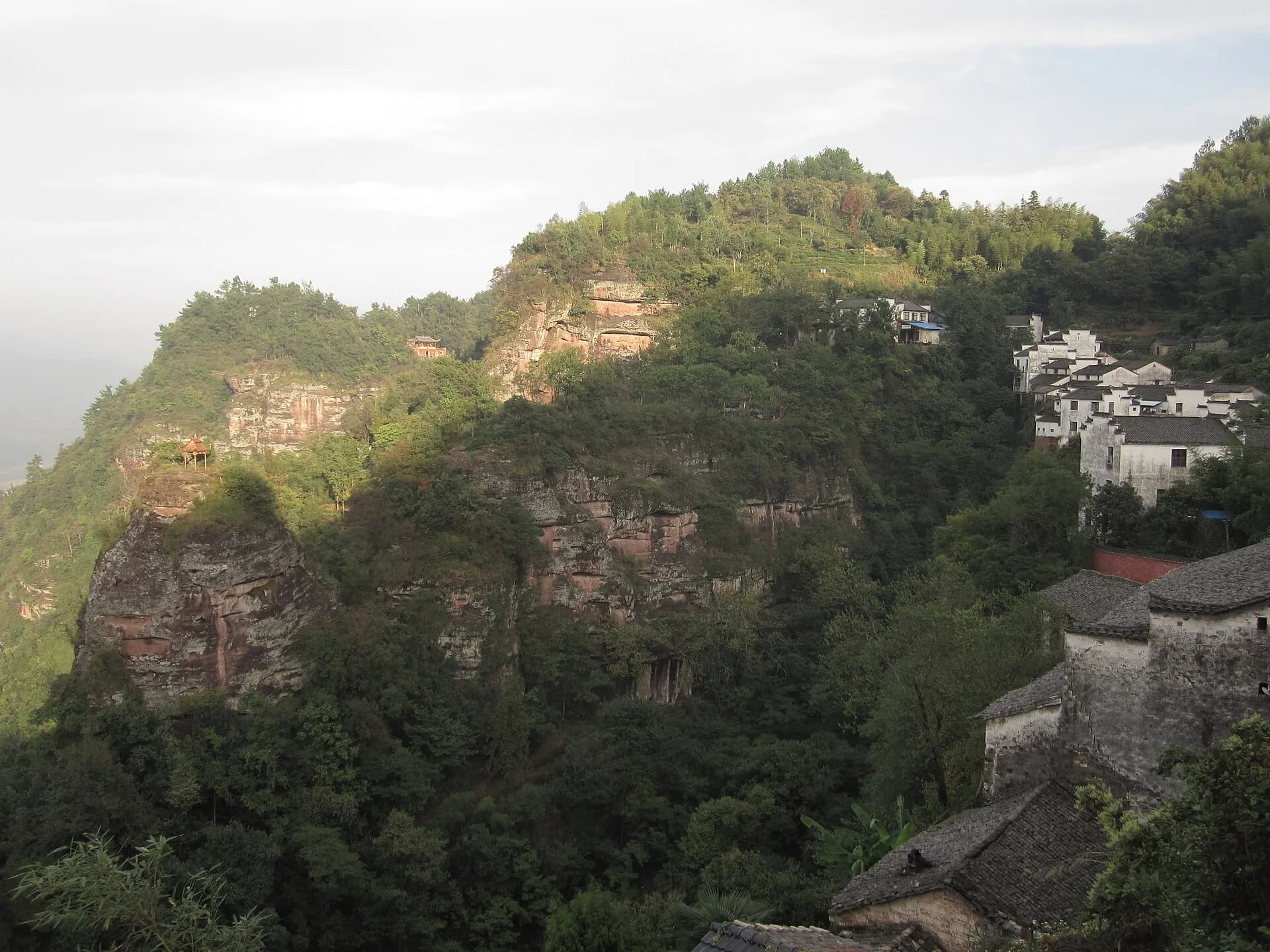
Xidi
Xidi and Hongcun share one UNESCO World Heritage listing, but they should not be treated as interchangeable stops. Choose Xidi when Huizhou houses, lineage space, stone carving and the structure of narrow lanes matter more than a single iconic water panorama.
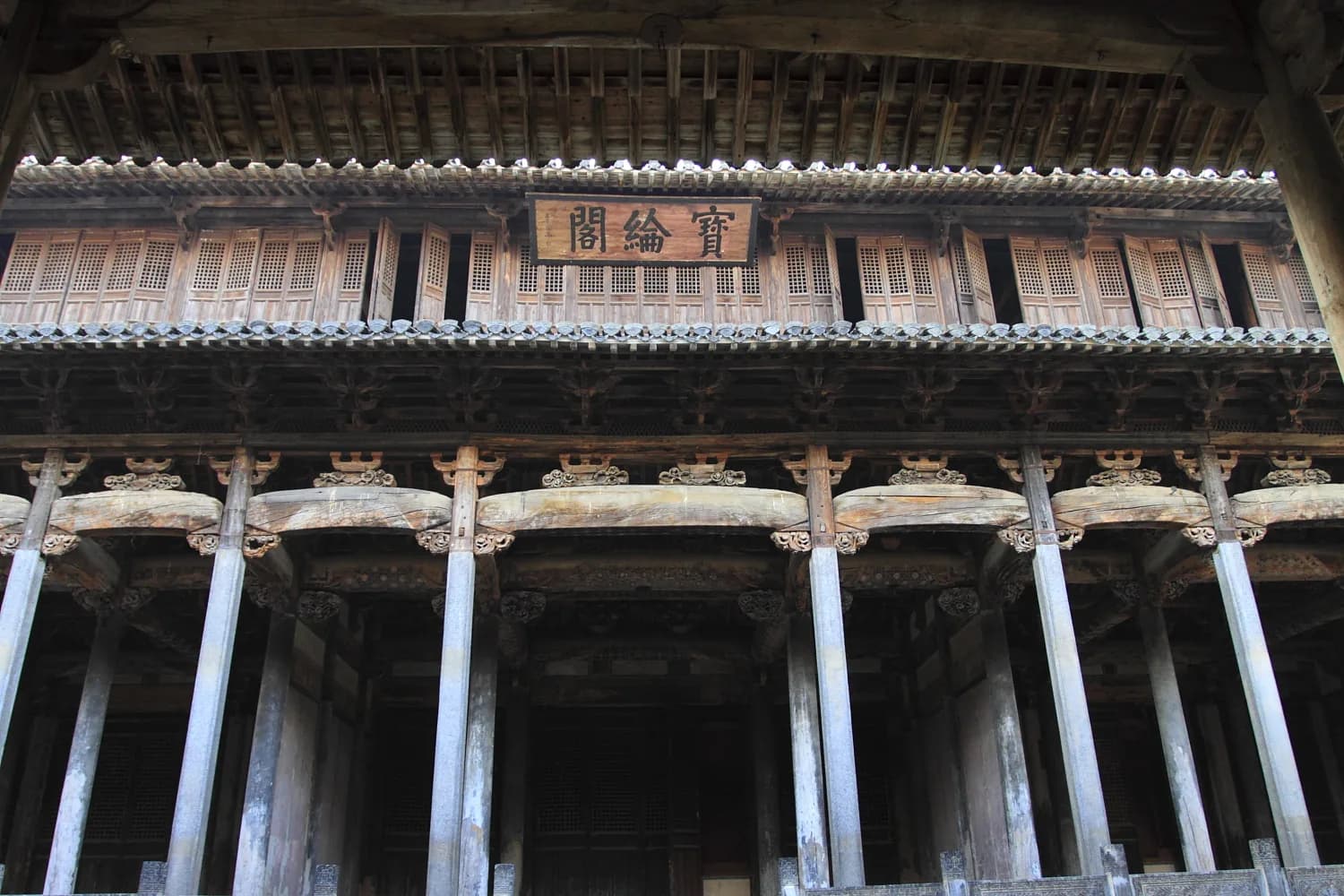
Recent visitor reports divide between compact walks and much slower architectural visits. The difference is usually interpretation: without context, many white-walled houses blur together; with it, thresholds, halls, courtyards and the relationship between public and private space become the subject.
Compact or slow?
Use a compact visit for the Hu Wenguang memorial arch, the main public lane sequence and a small number of confirmed public interiors.
Choose a slow half-day when you want to read carvings, lineage organization, spatial hierarchy and quieter side lanes. Cut an optional performance or second village before turning Xidi into a brief gate photograph.
Official directories currently conflict on exact opening hours. Do not build a timed connection around an unverified window; confirm the current entry period and final interior access directly.
A route with an architectural question
Begin at the memorial arch as an orientation device, not proof that every structure dates from one period. Continue through currently ticketed public halls and residences where interpretation is permitted, then compare the main commercial lane with smaller public lanes along the village edge.
Ask three questions:
- How do walls, thresholds and courtyards separate public, lineage and household space?
- Which carving or structural elements are original, restored or newly presented?
- Which interiors are part of the visitor product today, and which remain homes?
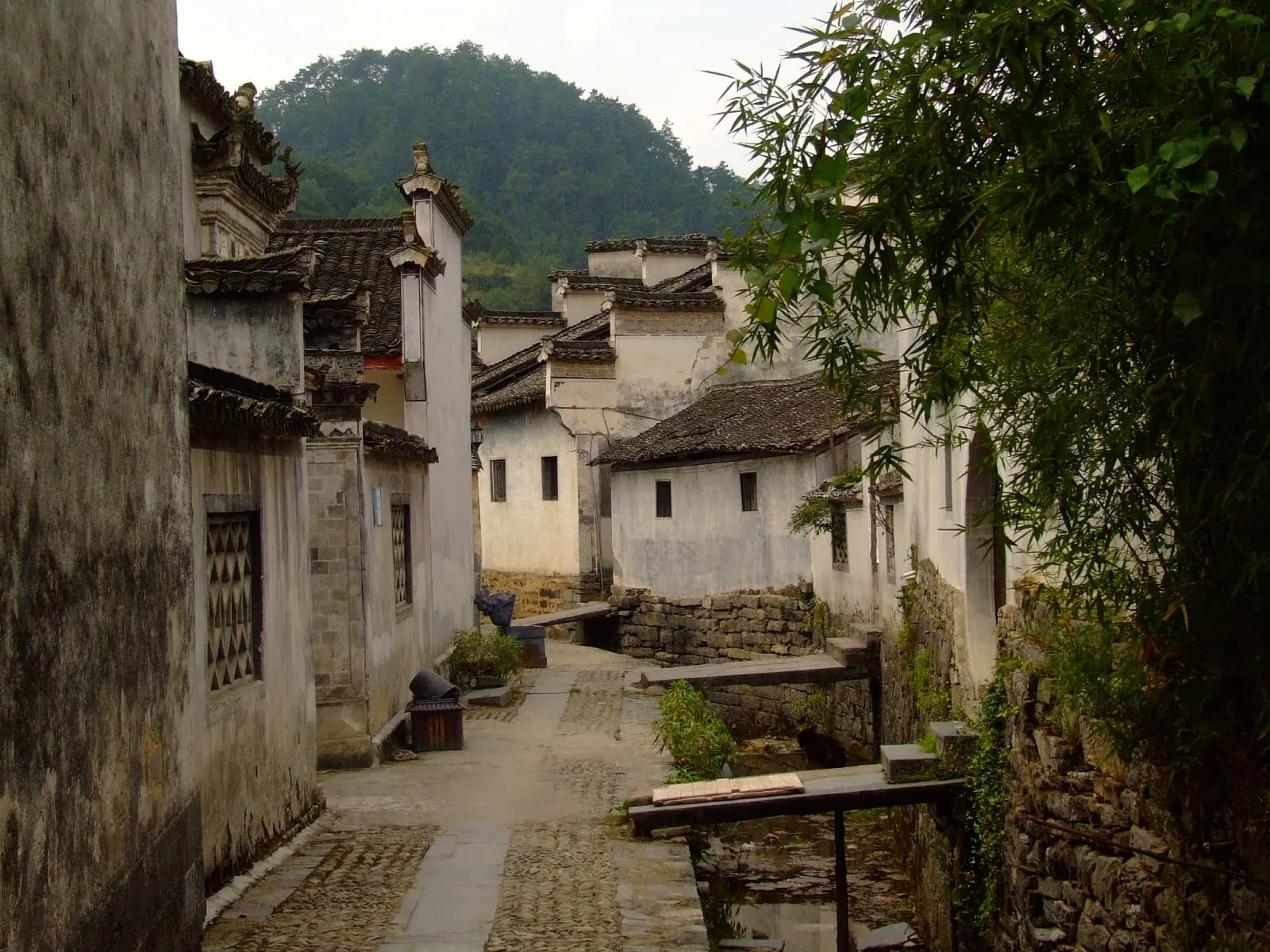
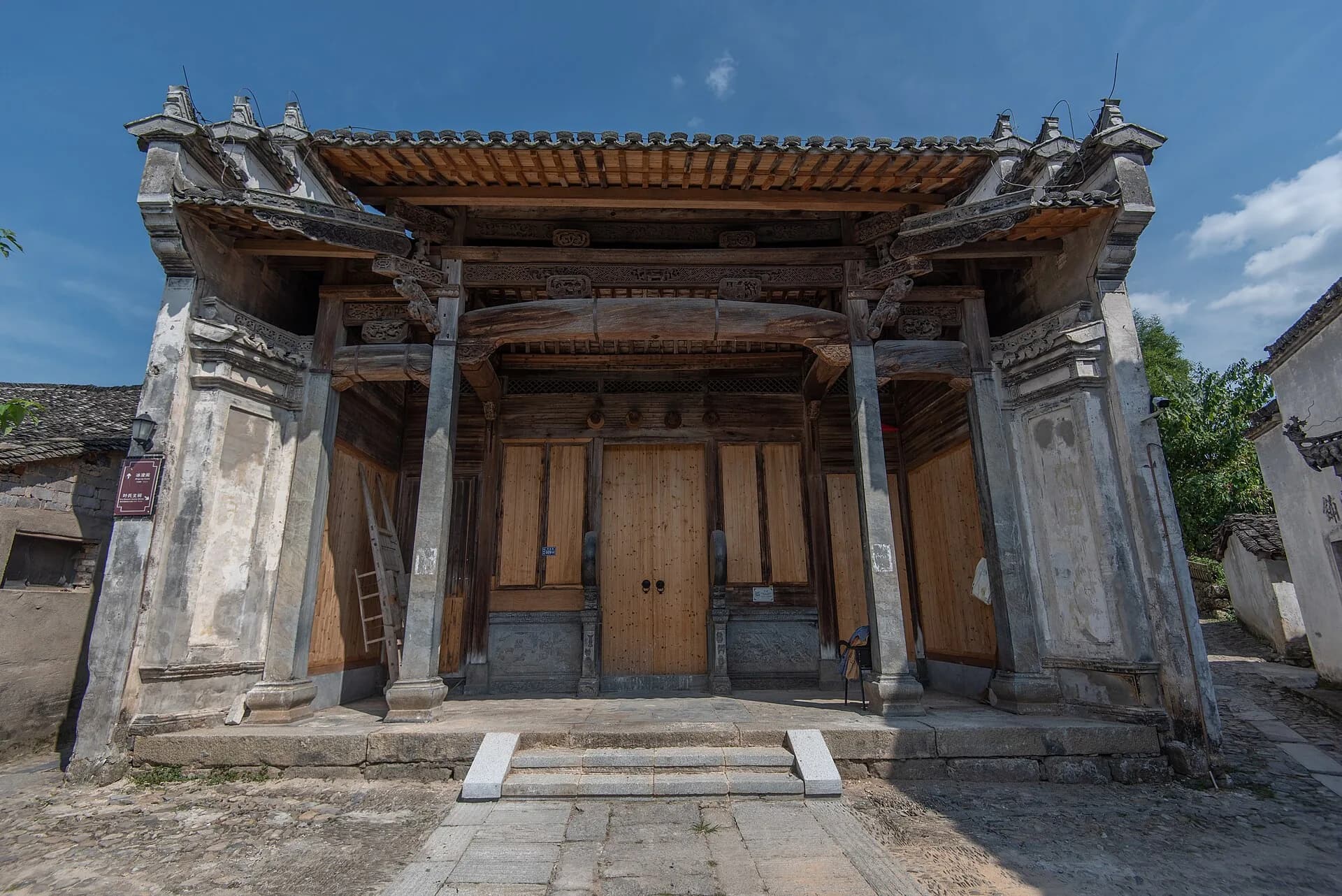
Photo: Anna Frodesiak · Source · Public domain
This documentary lane view does not identify a current public route or grant entry to any surrounding house.
Xidi or Hongcun?
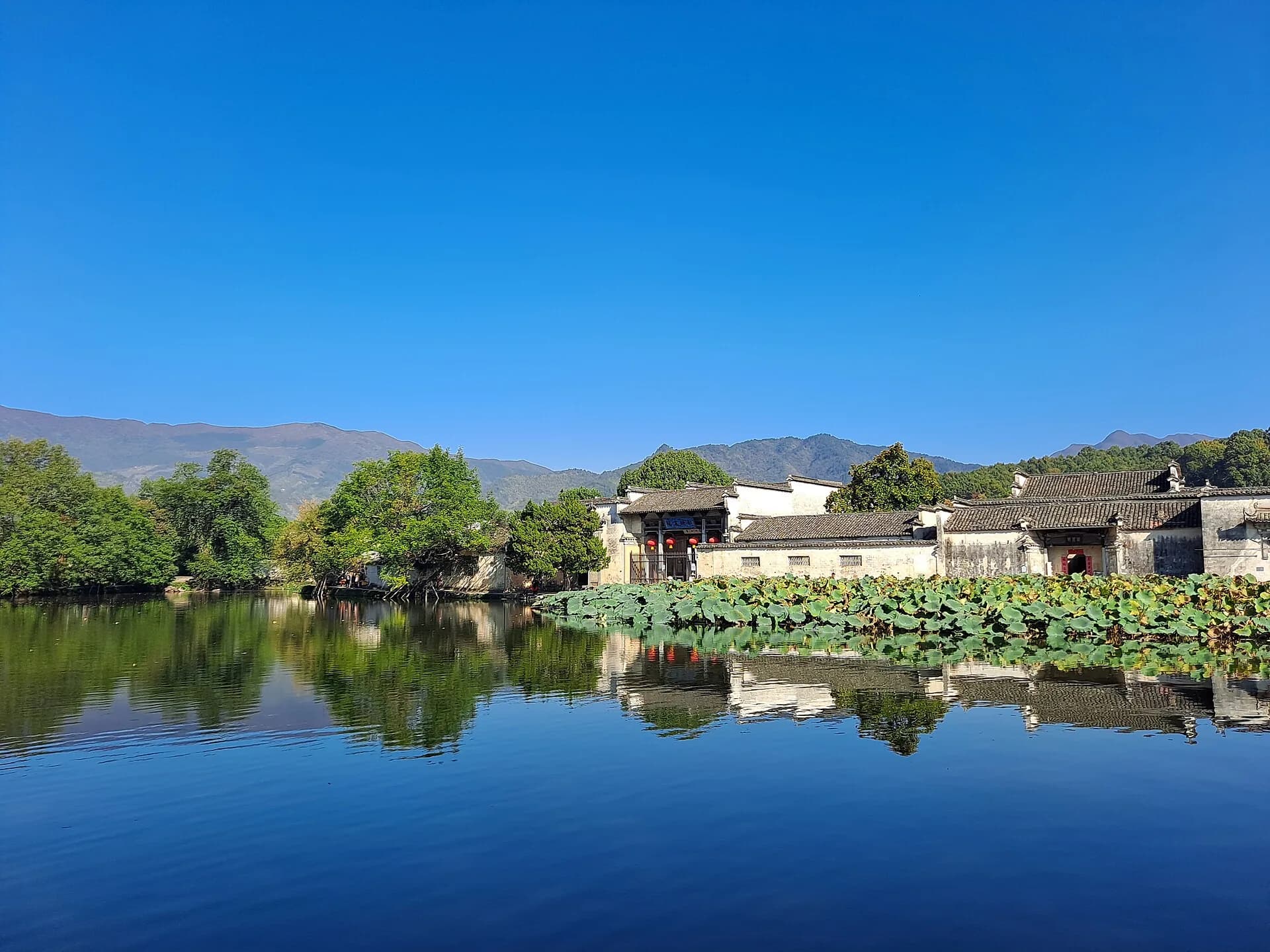
Choose Hongcun first for the South Lake–Moon Pond composition and a water-system-led introduction. Choose Xidi for a more architecture-led visit. Pairing them can work only with verified transport and enough time for both; otherwise, one well-read village is more useful than two rushed admissions.
Do not label Xidi the “more authentic” village merely because a particular lane is quieter. Both places are living communities, protected heritage and commercial visitor products at the same time.
Living-village boundary
Public admission does not include every courtyard. Do not enter an unmarked doorway, photograph residents through windows, stage portraits in front of working entrances, climb to a private rooftop or move domestic objects. Ask before photographing people at close range.
Optional shows, costume services and commercial interiors are contemporary products. Evaluate them separately from the village's heritage value and verify their live schedule and inclusion.
Transport and passport gate
AMap verifies Xidi about 7.6 km / 13 minutes by car from Yixian East Station; its mapped bus option is roughly 37 minutes. Xidi to Hongcun is about 18.3 km / 30 minutes by car, while the mapped public option is much slower and walking-heavy. Recheck the current line, final departure and luggage arrangement rather than relying on the suspended tourist-loop label attached to one old stop. Confirm foreign-passport entry and carry the original document tied to any reservation.
Final verdict
Choose Xidi when you are willing to look closely at architecture and spatial order. A compact, interpreted visit is enough for many travelers; a slow half-day is better than combining two villages without time, context or a verified return.