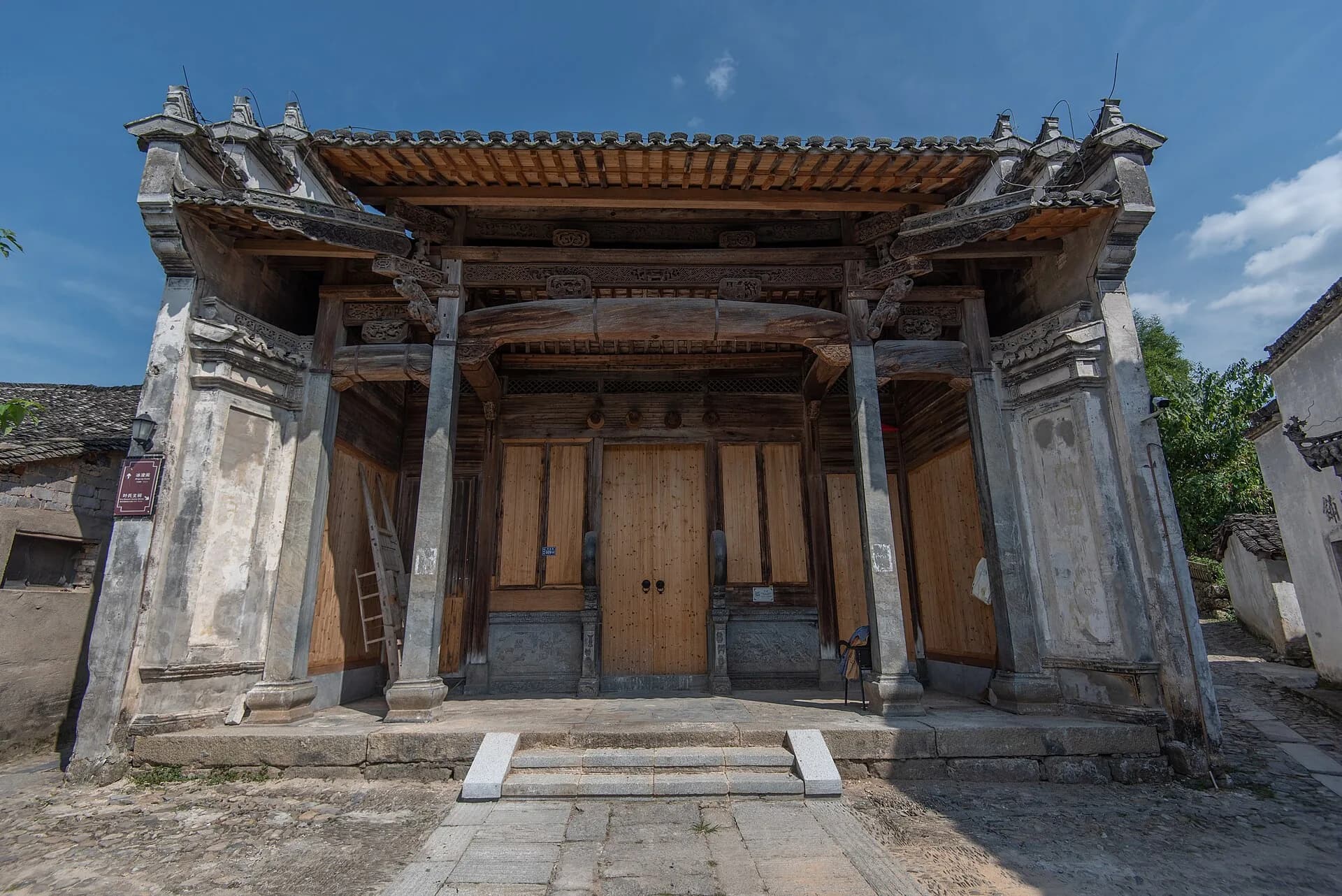
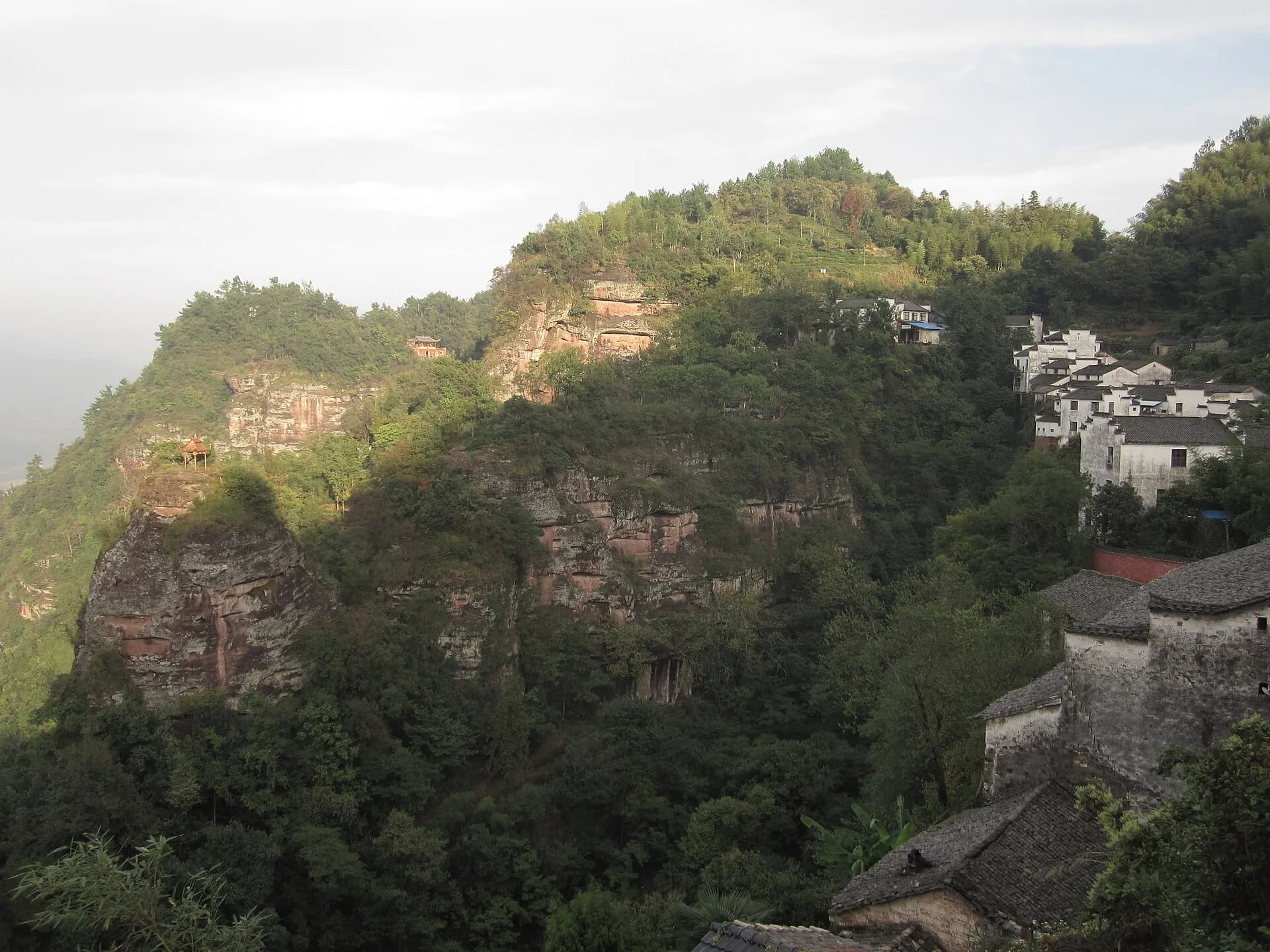
Chengkan
Chengkan is often marketed through a bagua-shaped settlement claim, but that idea is difficult to read at ground level without verified interpretation. Choose the village for spatial history, ancestral architecture and a slower reading of inhabited fabric—not because a slogan promises immediate visual clarity.
Recent 2026 visitors report opposite outcomes. Some value its plan and architecture; others see ordinary lanes, restoration work and checkpoints without understanding why the village merits a separate transfer. The deciding variable is often interpretation rather than scenery alone. Allow three to four hours for a first visit that includes selected interiors rather than treating Chengkan as a quick photograph.
Day visit or night product?
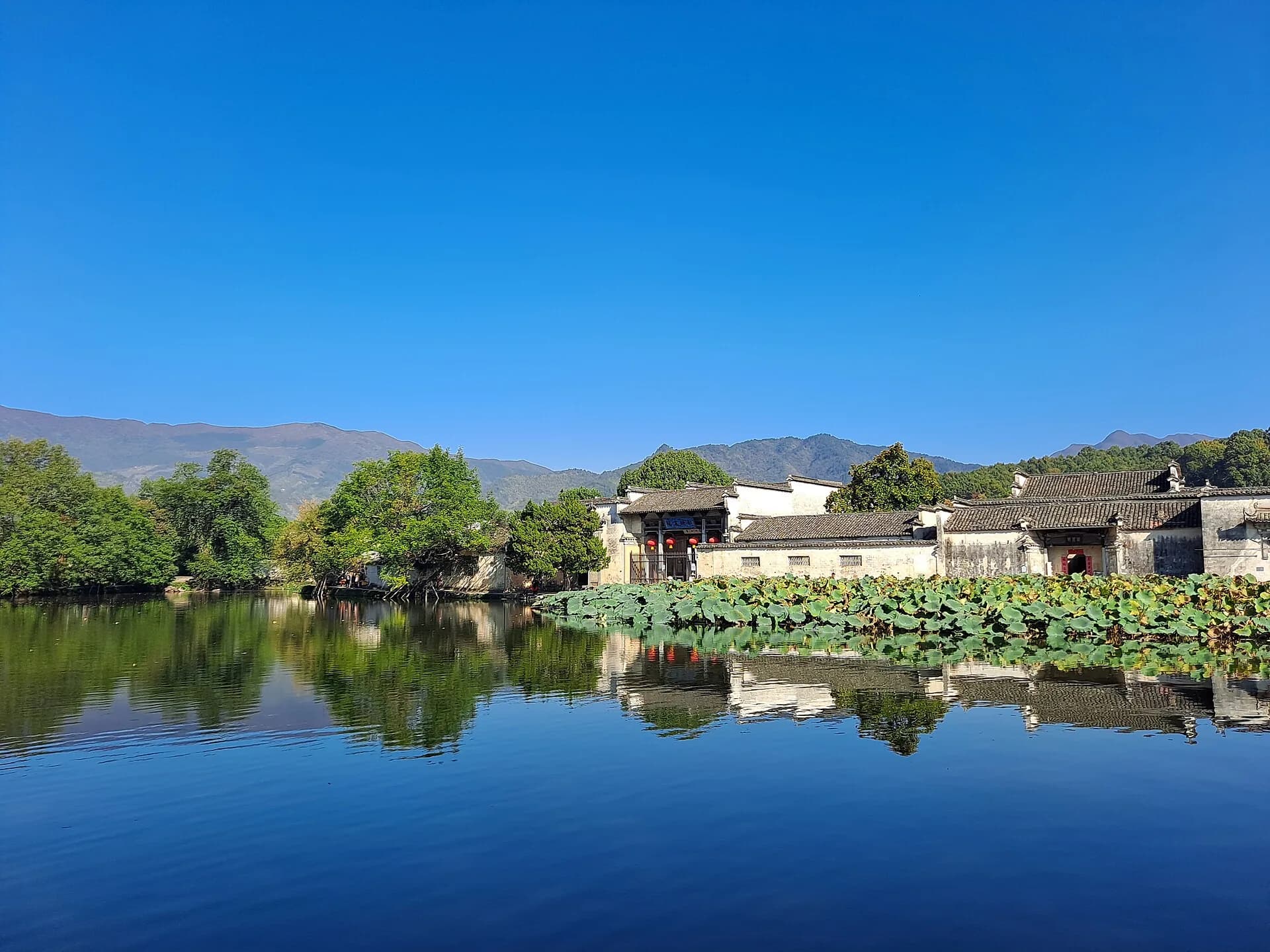
A day visit should stand on its own: public village fabric, waterside space and only the ancestral halls or interiors confirmed open on the date.
An overnight or night program is a separate decision. Quiet early or late conditions are possible but not guaranteed. A fish-lantern or other show can cancel for rain, and multiple ticket or identity checks may control different zones. Confirm lodging position, re-entry, show ticket, cancellation and final return before committing.
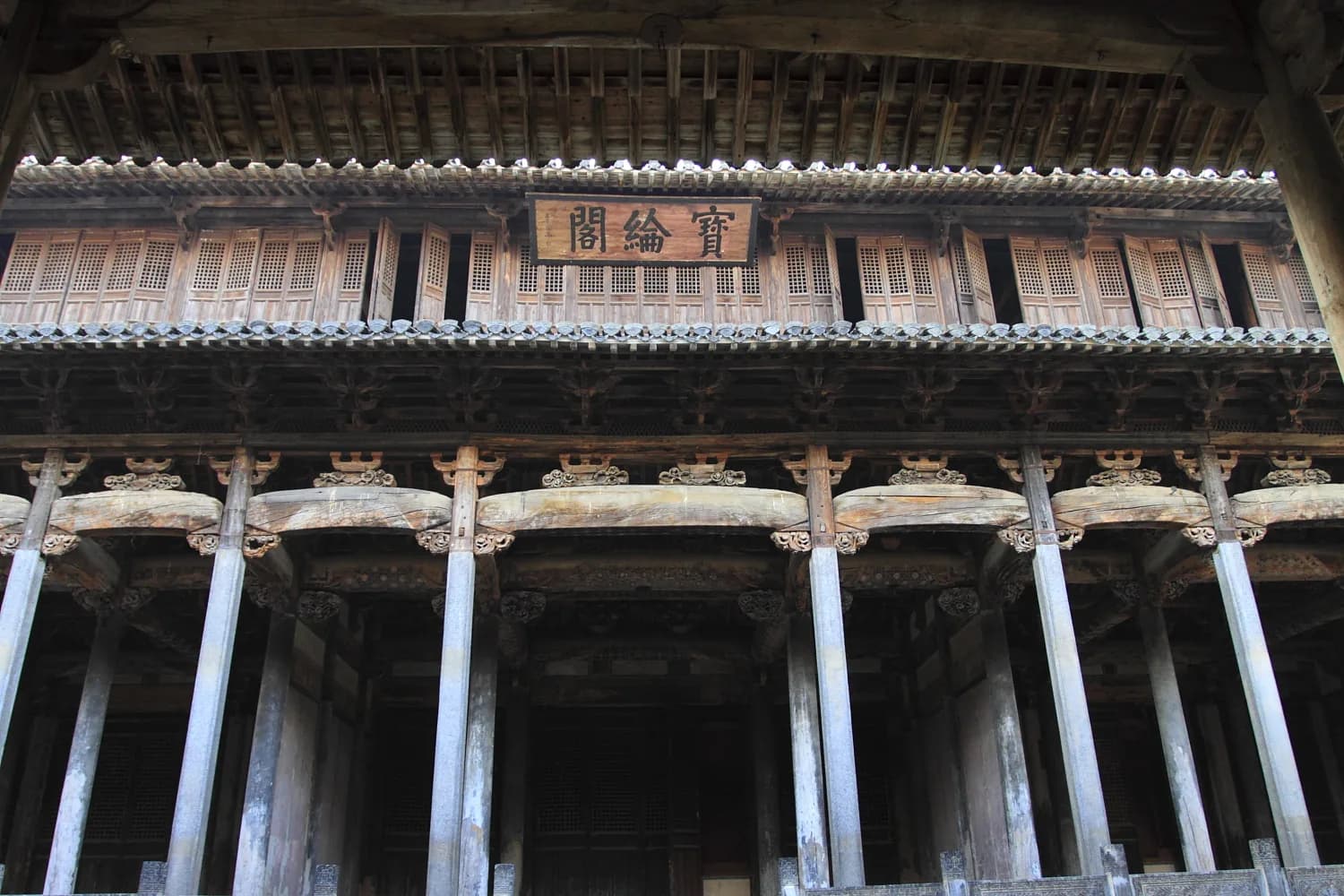
Photo: Zhangzhugang · Source · CC BY-SA 4.0
The interior documents architectural material. It does not prove that Baolun Pavilion or any ancestral hall is currently open or included in a general ticket.
Tickets, opening and the live maintenance warning
The Huangshan District listing currently publishes 07:00–18:00 and the operator telephone 0559-3537555. Treat that as a planning baseline, not proof that every hall, gate or evening zone remains open until 18:00. The live Chengkan listing on Trip.com can be used to inspect dated inventory, but the option selected at checkout controls the traveller document, entry window, included zones, re-entry and cancellation.
Visitor posts commonly quote roughly ¥103–107 and three-day validity, but those reports mix online discounts, day admission and night products. Do not assume either price or re-entry without checking your selected date and document. Trip.com's attraction notice flags Luodongshu Ancestral Hall as closed for maintenance; confirm whether it has reopened before making the hall or Baolun Pavilion the reason for the trip.
A route needs a verified reading
Use an official or independently fact-checked interpretation source to distinguish the village plan, surviving structures, restoration and contemporary visitor installations. Do not repeat numerical superlatives or label every building by one dynasty without evidence.
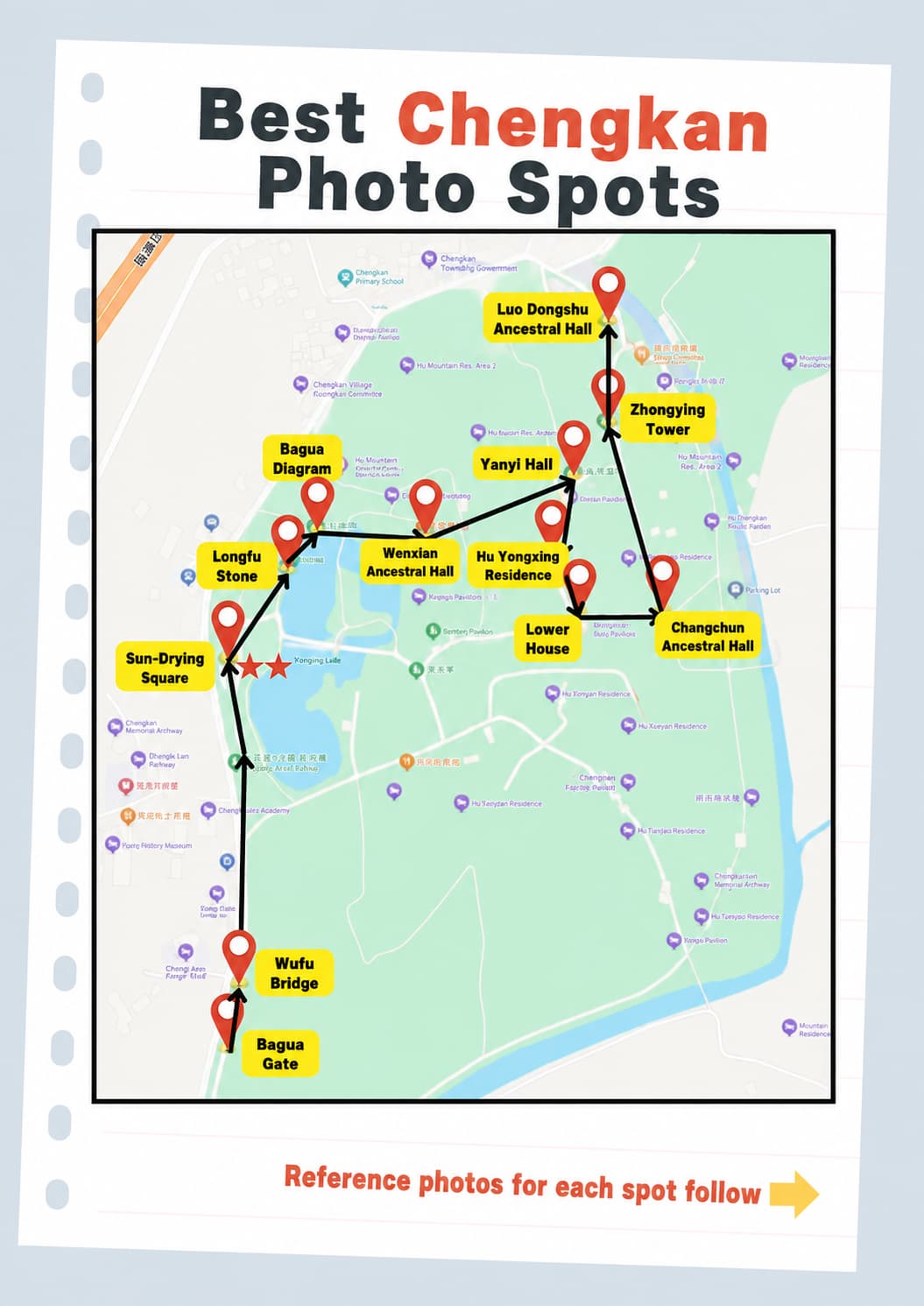
Use the signed visitor centre or south-side entrance as the conservative start. Then follow this reading sequence, adapting it to live one-way controls:
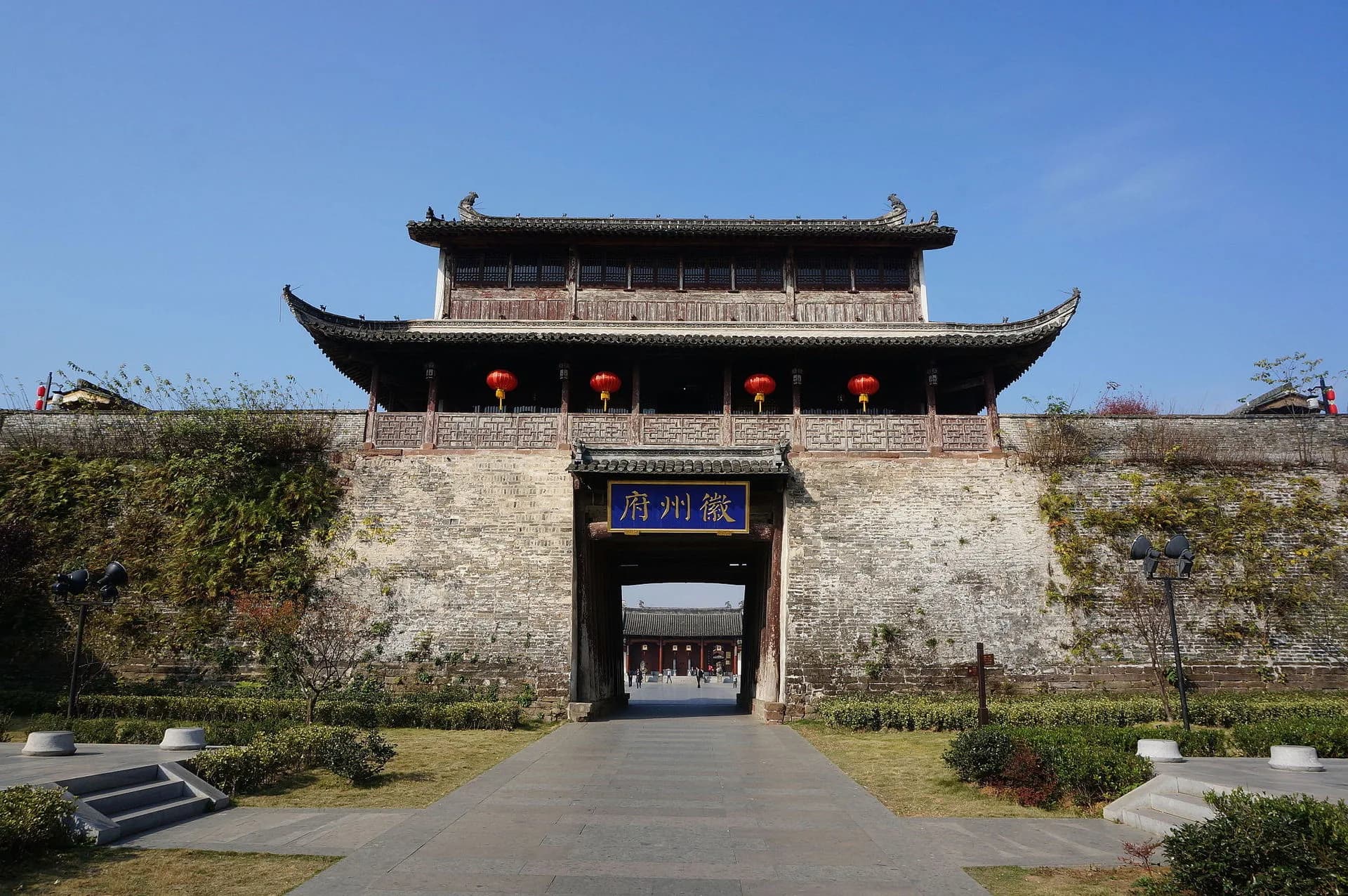
- Cross the Bagua Gate and Wufu Bridge area to establish the village edge and water system.
- Continue to Yongxing Lake before the busiest interiors. This is also a useful orientation point if staff route arrivals through the lake side.
- Enter the public lanes toward Yanyi Hall and Zhongying Tower, selecting details rather than collecting every named house.
- Continue to Huanxiu Bridge. Add Luodongshu Ancestral Hall and the Baolun complex only when staff confirm they have reopened and are included.
- Exit toward the gate that matches the return you have actually booked; do not follow an online parking shortcut or lodging entrance through resident space.
The sequence helps connect water, lanes and lineage architecture, but it does not make the bagua claim visually obvious from ground level. Use an official guide or independently checked interpretation to distinguish surviving structures, restoration and contemporary installations. Do not repeat numerical superlatives or label every building by one dynasty without evidence.
Safety and living-village boundary
Expect stone steps, narrow wet surfaces and unprotected-looking waterside edges. Rain affects grip and can cancel outdoor programming. Use developed public paths and follow checkpoint instructions.
Never endorse bypassing admission, entering domestic courtyards or photographing through residential doors. Restoration dust and resident activity belong to a living settlement; they are not permission to cross work barriers.
Holiday saturation can trigger timed admission, parking diversion or a go/no-go decision. Reported roadside parking and lodging-based ticket workarounds are not visitor guidance: use the signed public arrival and the product attached to your identity document.
From Huangshan North Station—and back
AMap verifies Chengkan Visitor Centre at 118.280772, 29.914583 in GCJ-02. From Huangshan North Station it currently estimates 15.4 km / 27 minutes by car. Its mapped public route is about 19.6 km / 1 hour 10 minutes, with roughly 0.7 km walking and Huizhou Route 17; the live line and final departure still control.
If staying for a night program, lock the return before entering: ask the operator or bus platform for the final dated departure, save the pickup point in Chinese and keep a car fallback. Recent visitors describe sparse returns rather than a metro-like frequency. Do not assume a driver will appear after the show.
Chengkan or another village?
Choose Hongcun for the most legible water-and-village composition, Xidi for architecture-led lanes, and Chengkan when spatial interpretation justifies the extra logistics. Pair Chengkan with Tangmo only after both products and the connecting transport are verified.
Final verdict
Chengkan rewards visitors who arrive with an architectural question and a confirmed way home. Make the daytime village valuable without a show; add night only when weather, access and return evidence are strong.