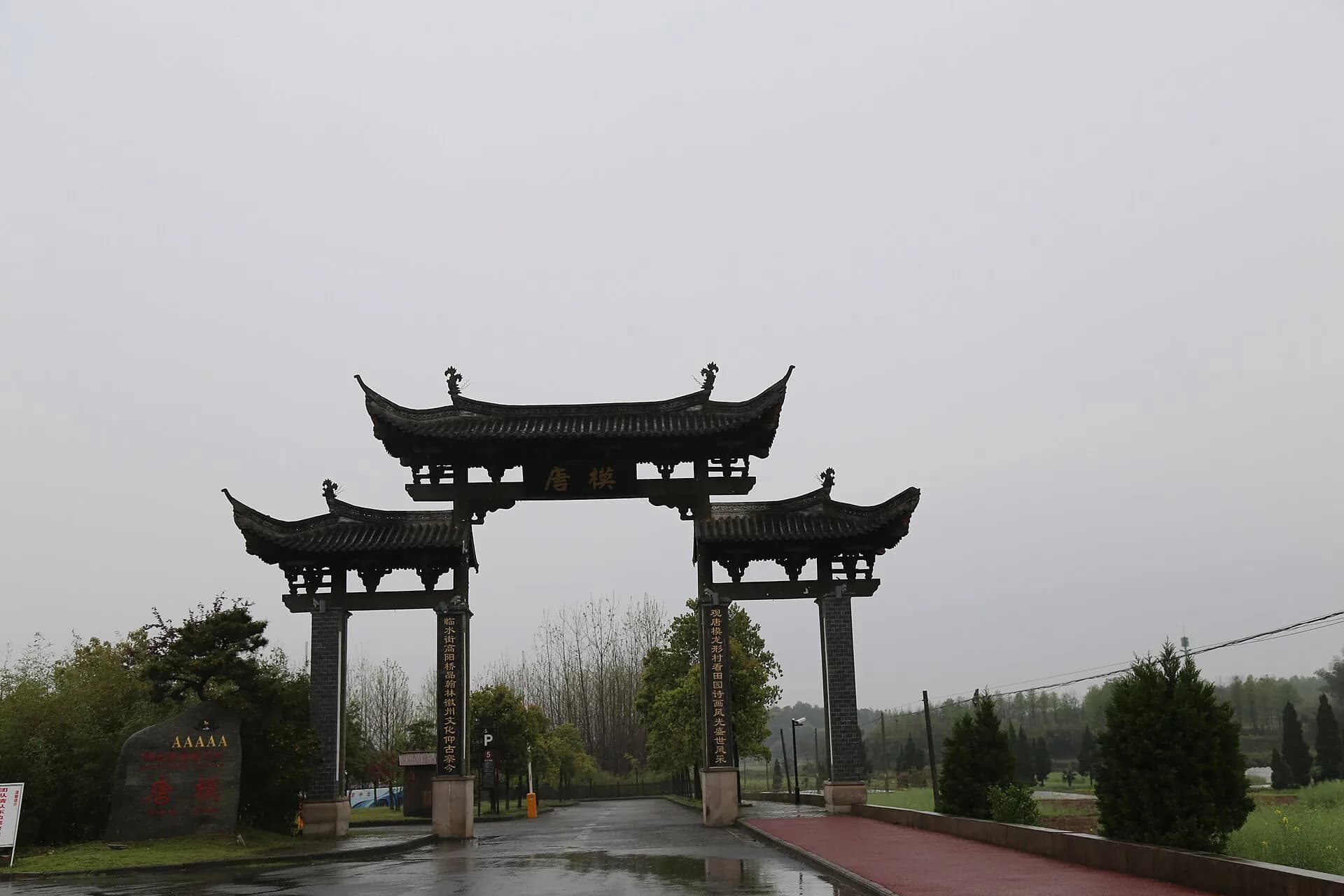
Mount Huangshan
Mount Huangshan is a vast UNESCO mixed property of granite peaks, pine forest and long cultural associations. It is not a single summit reached by one cable car. Gates, internal shuttles, several cableways and demanding trail branches form an operating system that can change independently.
Recent visitor accounts agree on one lesson: cableway-assisted does not mean low-walking. Ridge connections, viewing platforms, queues and stairs remain substantial, while cloud, rain, wind and heat can completely change the day.
September 2026 reports sharpen that warning. A selective Yungu-up/Yuping-down crossing is commonly framed as six to eight hours. Two athletic itineraries that added both Tiandu Peak and West Sea Grand Canyon took about 10–11 hours, with one reporting roughly 30,000 steps. Those are useful workload evidence, not templates for an ordinary first visit.
Decide one day or two
Choose one day when you can accept a selective route. Confirm one entry direction, one descent direction and at most one major optional branch. The correct cut is a branch—not the exit buffer.
Choose two days when you want a slower ridge sequence, sunrise or sunset under suitable conditions, or more than one demanding branch. A summit-area overnight still requires live hotel, gate and cableway confirmation; it does not guarantee a view.
Do not copy an athletic traveler's completion list. It describes that person's pace, weather, queues and operating day.
A first-visit route: Yungu up, Yuping down
When these cableways and connecting trails are operating, use this main-ridge sequence: Yungu upper station → Shixin Peak / Beihai → Guangmingding → Tianhai → Aoyu Peak → Yuping / Greeting Guest Pine → Yuping cableway down. It follows the main-ridge alternative in the official tourism platform's route guide; check today's diversions before committing to the crossing.
Begin with the rear-mountain scenery. Around Shixin Peak and Beihai, look at the contrast between pine silhouettes and granite formations rather than collecting every named tree. Qingliang Terrace and the Monkey Watching the Sea viewpoint are possible additions within the wider Beihai visit, depending on access and your pace. These northern viewpoints look into a different mountain basin from the later Yuping views. The scenic committee's landscape overview explains those contrasting “seas”; clouds are a possibility, not a requirement for enjoying the rock scenery.
Use the middle of the route to reassess. Stop for food, water and a pace check before continuing beyond the Guangmingding–Tianhai section. The saved one-day accounts pack many viewpoints into a long stair-heavy day. Do not add West Sea's canyon descent simply because its entrance appears nearby on a map: it changes both the workload and your return plan.
Save energy for the front mountain. Follow the signed route through the Aoyu sector toward Yuping, accepting any staff-directed diversion. At Greeting Guest Pine, allow time for the broader mountain view as well as the famous tree, then continue toward the descent station. Reaching the pine is not the end of the walk.
How to split a two-day visit
One established approach is to spend day one around Shixin Peak and Beihai, then cross toward Guangmingding, Tianhai and Yuping on day two. The committee's two-day route also includes Feilai Stone on the second day's crossing. Choose your overnight location before finalizing this split; a room elsewhere on the mountain can require a different sequence.
Check the permitted route to a nearby sunrise viewpoint in daylight, and ask your accommodation about conditions before leaving in the dark. After sunrise, return for breakfast and collect your belongings before the main crossing. If West Sea is the priority, plan the two days around that branch instead of adding it to an already full ridge itinerary.
Treat the optional branches separately
- Tiandu Peak: a steep, capacity-controlled branch requiring a separate live reservation when open. It reopened on April 7, 2026, but that dated status is not a permanent promise. The operator normally releases a separate quota after the main mountain ticket is secured; recent visitors report booking two days ahead, but use the exact release time shown in 黄山旅游官方平台. A valid quota can still be suspended for rain, wind or low safety visibility.
- West Sea Grand Canyon: a major workload, not a quick detour. Its trail and funicular can reopen or close on different dates and for different reasons.
- East Sea/Xuanyuan Cloud Path: the East Gate and East Sea Cableway opened on June 11, 2026. This is new infrastructure, so transport, wayfinding and operating details are especially volatile.
If any chosen branch closes, keep the verified main-ridge sequence and descend through the confirmed operating direction. Never replace a closed official trail with an unofficial shortcut.
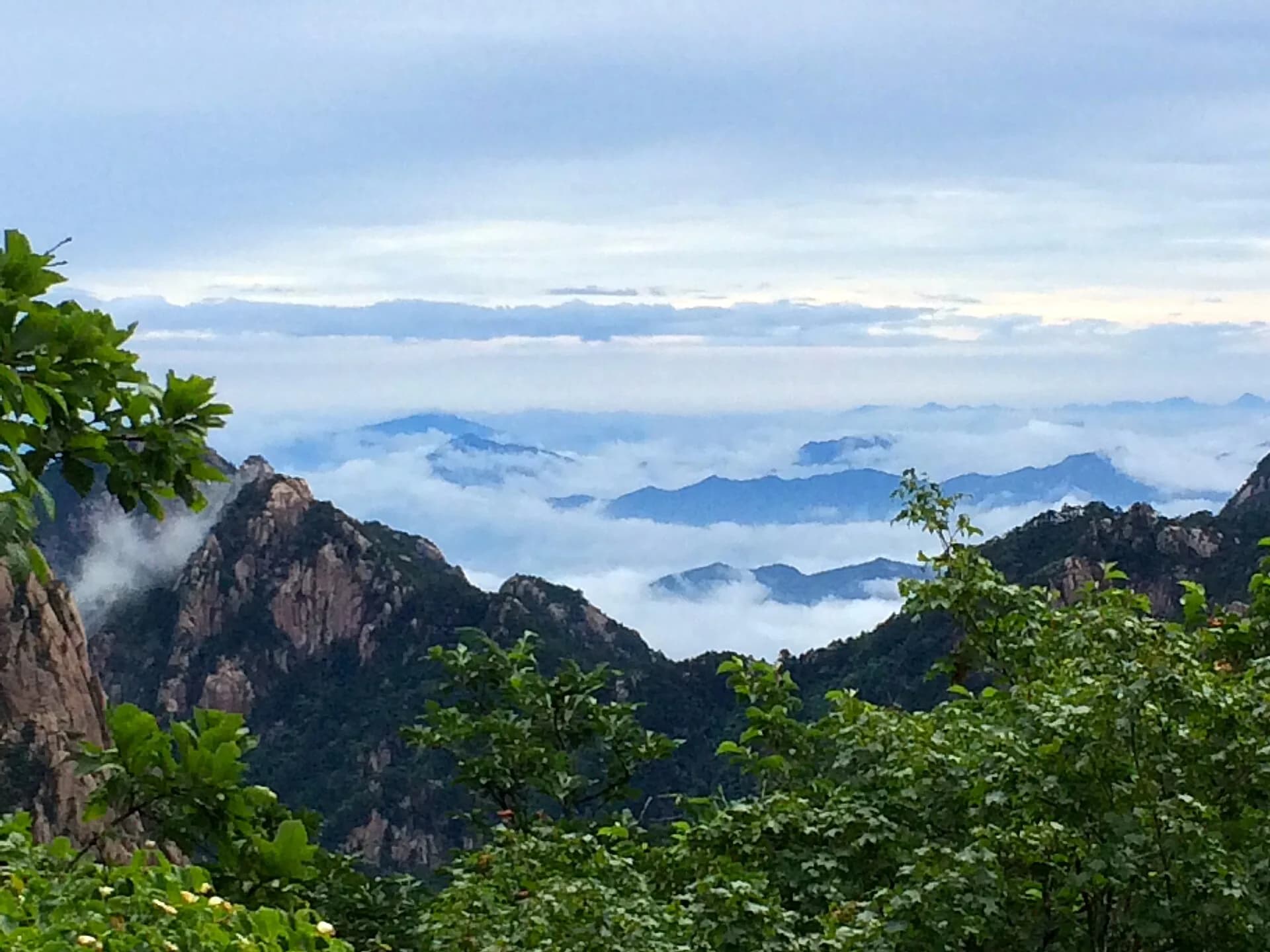
Photo: JesseW900 · Source · CC BY-SA 4.0
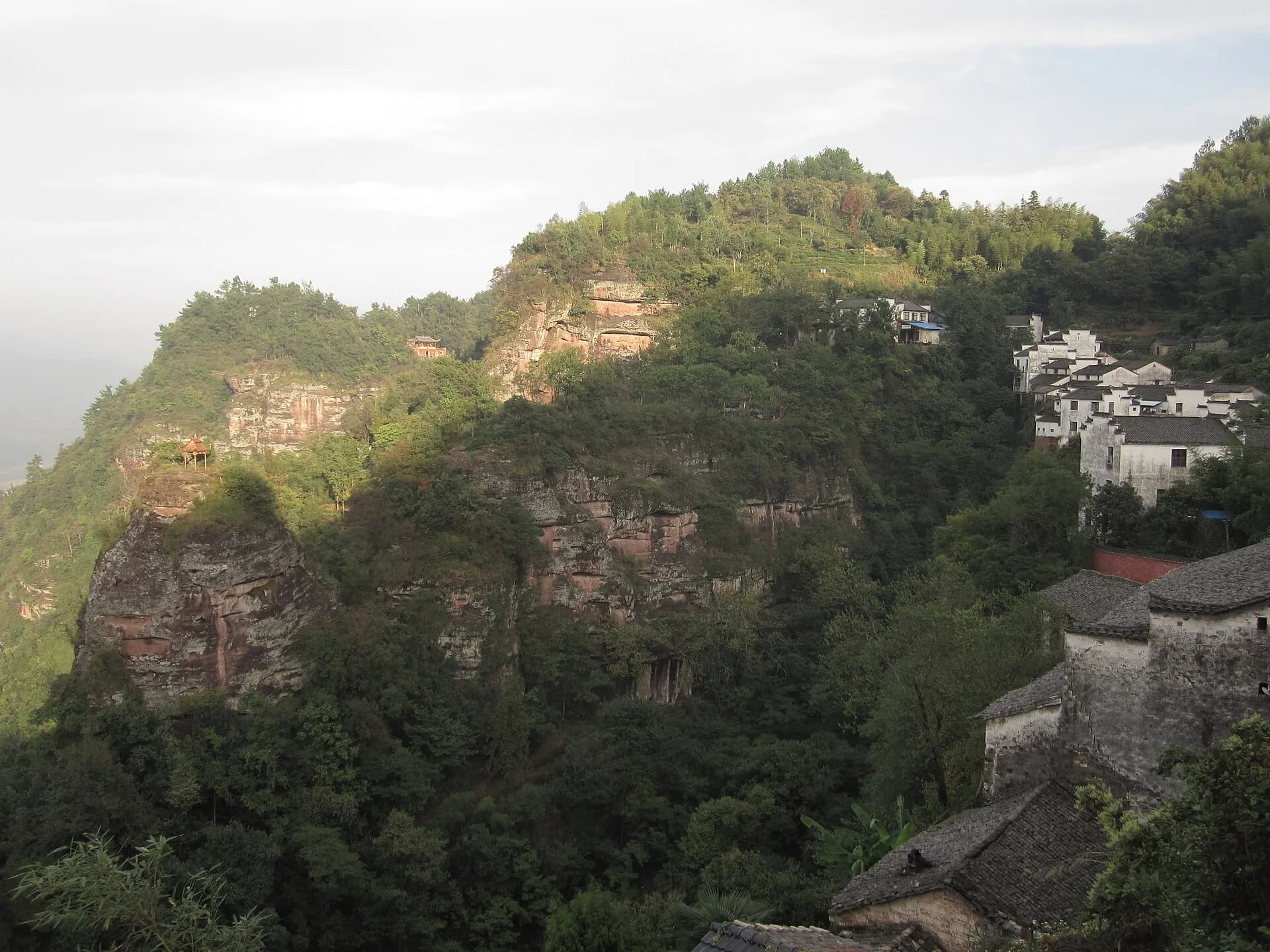
This photograph documents a possible weather pattern, not a forecast. Fog can hide landmarks; clear sun can increase heat and exposure.
Build the day backward from the exit
Before entering, record four live facts:
- the gate and internal shuttle that serve your chosen cableway;
- the final admission or reservation cutoff for any optional branch;
- the last descent and the time needed to reach it from your farthest point;
- the verified onward transport from the exit area.
Then set a turnaround time. If queues, weather or pace consume the buffer, remove the optional branch. Do not sprint on wet stone or assume a closed cableway will wait for a timed booking.
Treat the payments as separate operating components too: scenic-area admission, the controlled shuttle, each directional cableway and the West Sea funicular are not one automatic inclusion. A 2026 Trip.com checkout may expose several of them on nearby screens, but only the named option is purchased. Save each QR or passport-linked order and confirm whether a missed slot can be changed.
AMap verifies the South Gate transfer centre separately from the South Gate ticket-office sector, Yungu lower station and Yuping lower station. From the transfer centre, ignore ordinary-road results that imply 5–10 km of walking: they do not model the controlled scenic shuttle. Follow the gate and shuttle printed on the live reservation. Yungu identifies the rear-mountain cableway; Yuping identifies the front-mountain cableway. West Sea's Tianhai and Paiyunxi nodes identify a conditional funicular branch, not proof that the canyon or funicular is operating.
Weather and gear
Use the current mountain forecast, not the urban Huangshan forecast alone. Carry water, a light weather layer, sun protection and footwear with reliable grip. Follow current rules for trekking poles, drones, smoking, fire prevention and restricted zones.
Lightning, ice, heavy rain, high wind and low visibility are reasons to shorten or abandon a branch. Stay behind barriers; granite viewpoints and cliff edges are not informal photo platforms.
Passport and booking gate
The official scenic-area committee publishes current notices. Its public material establishes real-name, time-slot and entry-direction controls; before visiting, directly confirm the ordinary foreign-passport purchase and each checkpoint behavior.
The Trip.com listing is a commercial product. Verify the date, exact gate, included admission, internal shuttle, cableway direction, passport handling and cancellation. Never assume that “Mount Huangshan ticket” includes every operating component.
Final verdict
Choose one direction, one primary ridge experience and one safe descent. Add Tiandu, West Sea or East Sea only after live capacity, weather and cutoff checks; the best route is the one that reaches the confirmed exit without rushing.