Lhasa
Lhasa rewards time and attention. Jokhang Temple and Barkhor reveal a living pilgrimage center at street level; Potala rises through a one-way sequence of courtyards, stairs and interiors; Norbulingka opens the story into gardens and palaces. Around the city, Sera, Drepung, Ganden and Drak Yerpa offer very different relationships among religious life, architecture and mountain terrain.
A strong first visit uses four or five days and increases effort gradually. This pacing is not simply caution: it creates enough space for interpretation, observance, changing light and the moments between headline monuments.
The city-only flagship
The flagship requires an arrival and rest night before Day 1, places Potala last and keeps every outward road day outside the fixed count. Drepung replaces Sera; Ganden, Drak Yerpa and Namtso require separate authorized days rather than being appended to a city schedule.
A rewarding first sequence
- Arrival: settle in, eat and take a short public walk if you feel well.
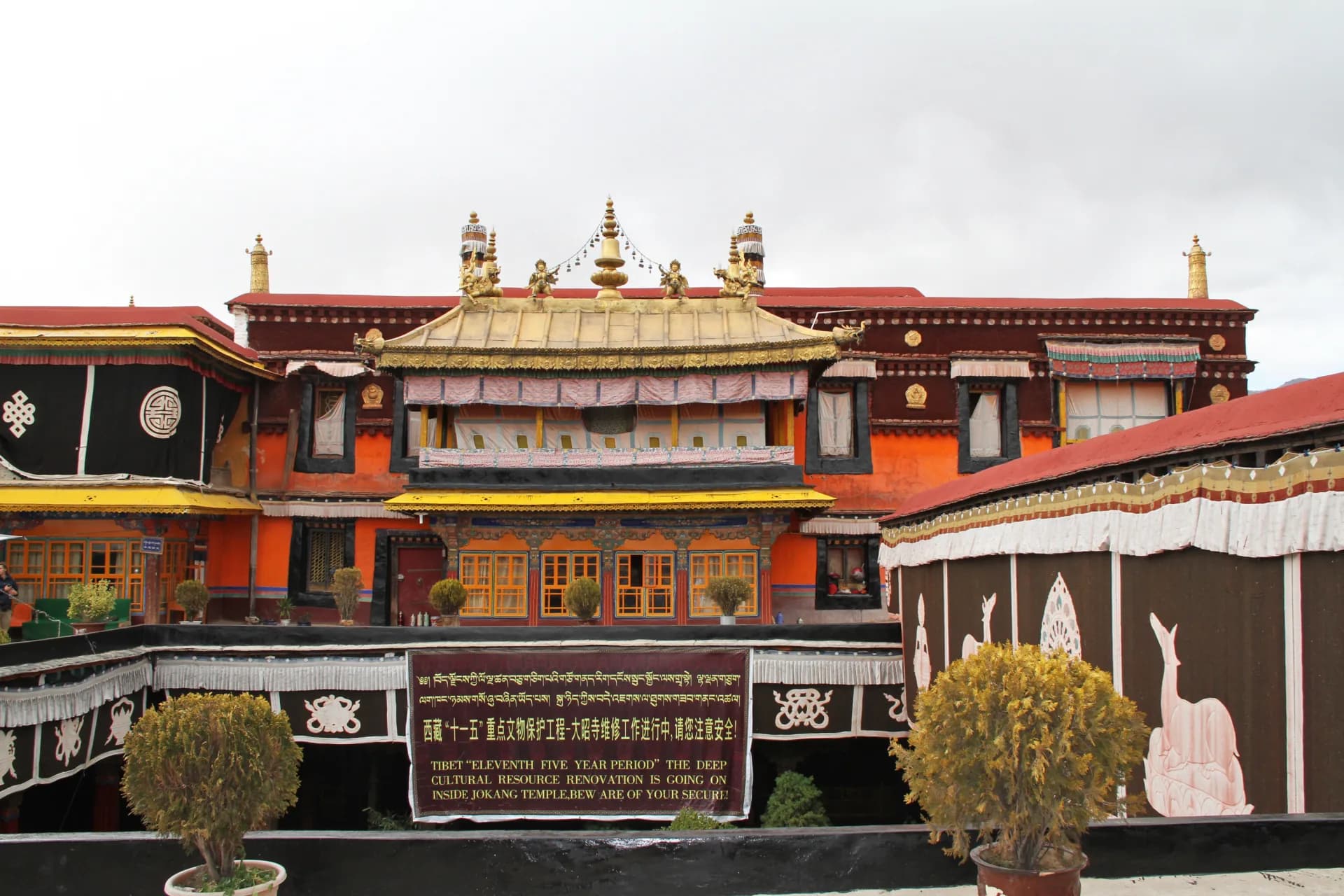
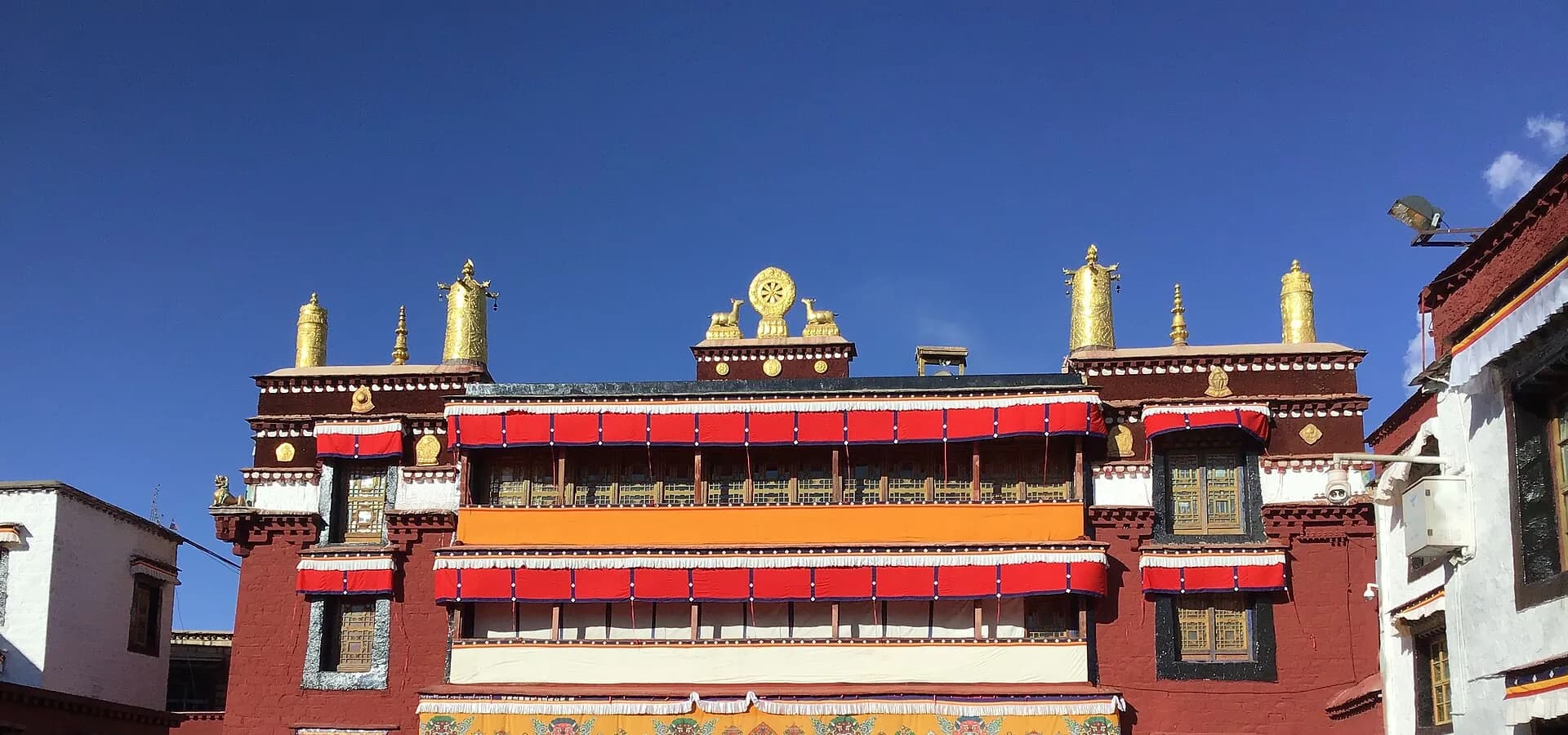
- Day 1: Jokhang Temple and Barkhor for pilgrimage geography and a flexible circuit.
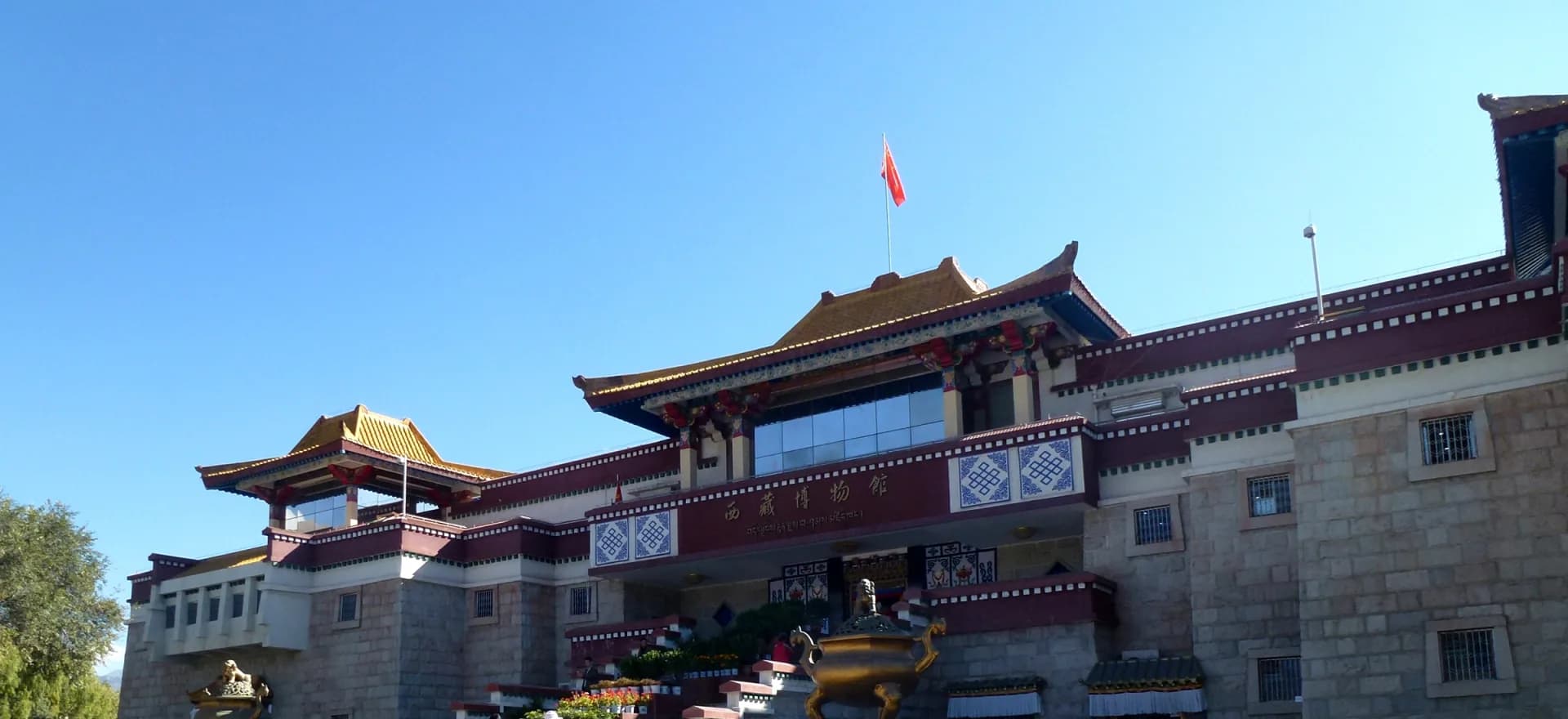
- Day 2: Norbulingka and the Tibet Museum for gardens, palaces and historical context.
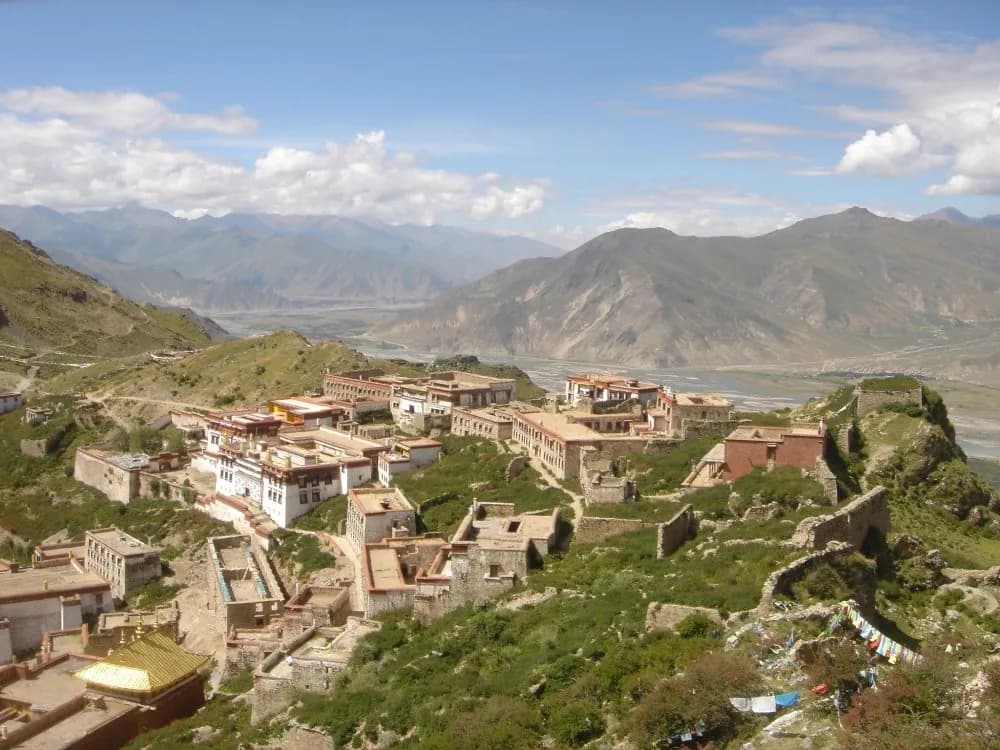
- Day 3: Sera for a compact monastery and possible debate, or Drepung for a larger hillside walk.
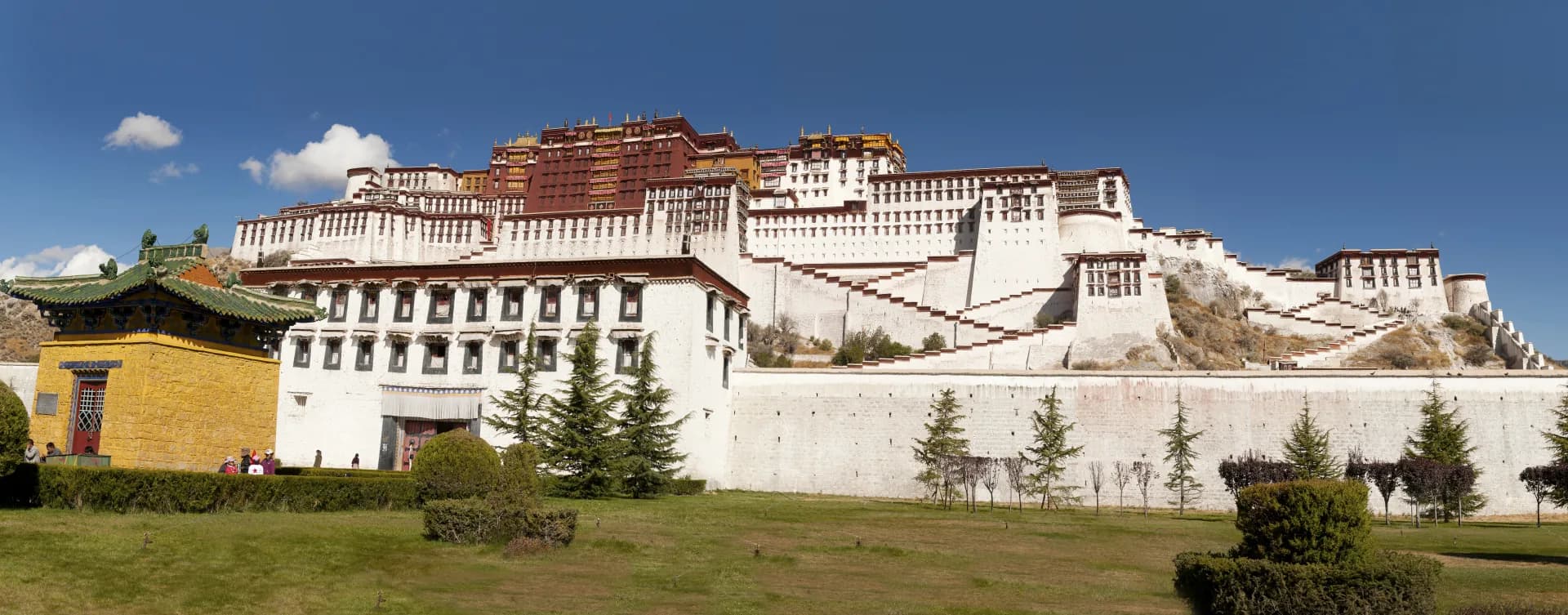
- Day 4: Potala Palace as its own interpreted half-day.
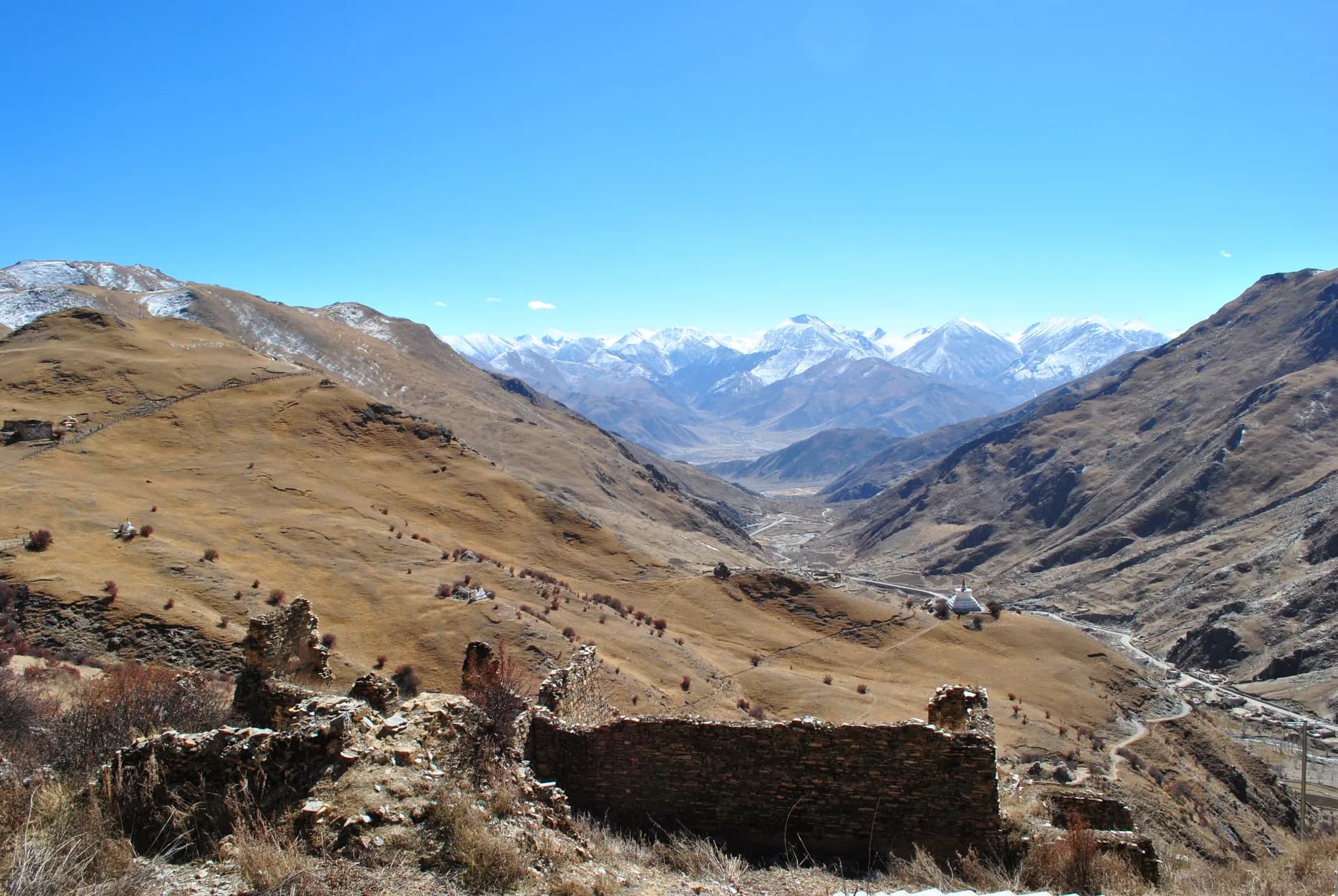
- Day 5: choose Ganden, Drak Yerpa or Namtso according to landscape, physical effort and current route operation.
Four independent visitor reports support the same broad rhythm: keep arrival light, place Potala later and preserve recovery capacity around road days. If you feel unwell, stop, tell the guide and seek appropriate professional help.
Choose the monastery experience you want
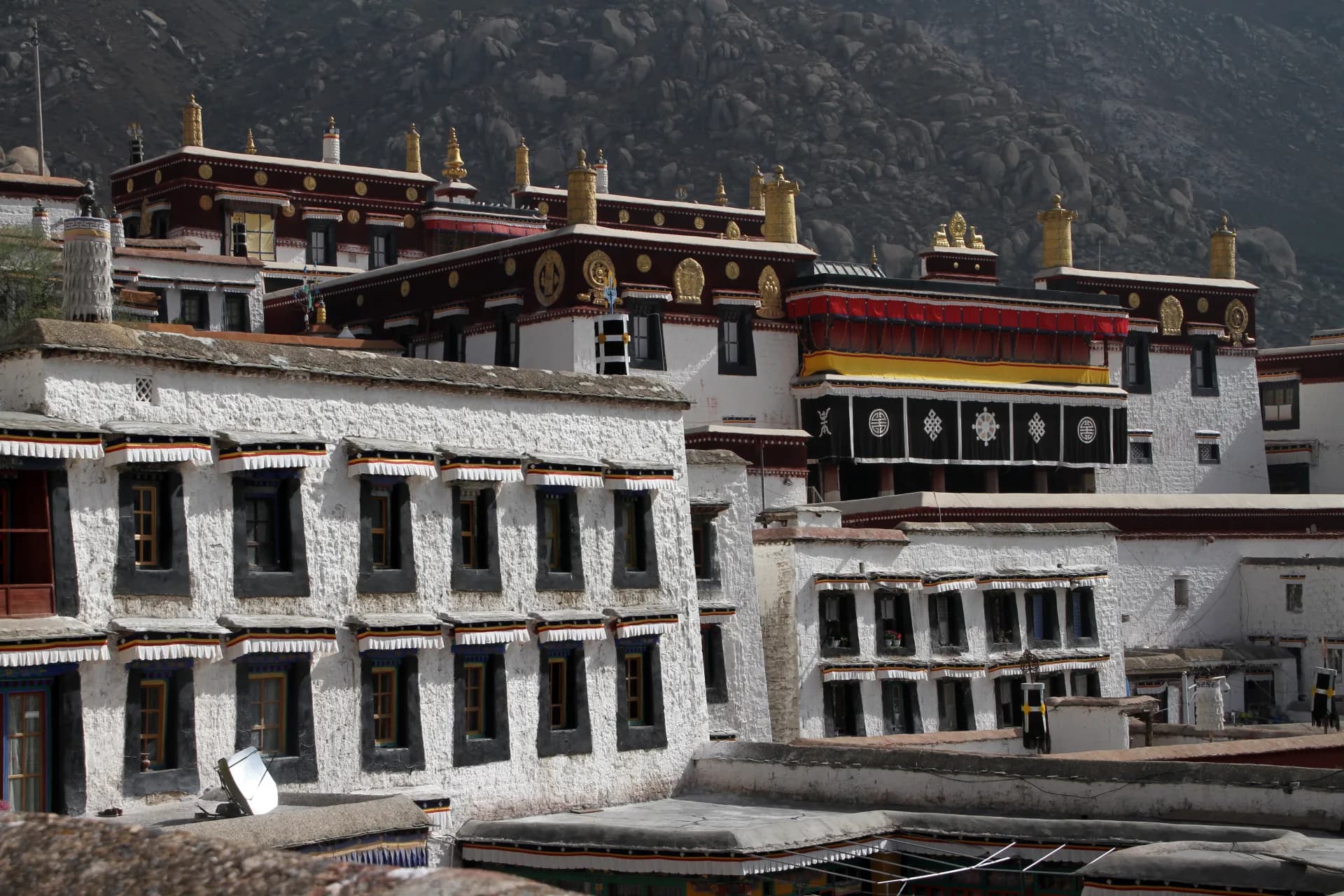
Sera is the most compact first choice and may offer observation of monastic debate. Drepung spreads across a hillside and rewards a slower architectural walk. Ganden turns the monastery visit into a mountain road day, while Drak Yerpa uses caves, cliffs and sustained stairs to create a different religious landscape.
Ramoche Temple is a compact specialist stop that works well in a central walk once Jokhang has provided the broader pilgrimage context.
Arrange Tibet authorization before transport
Current Tibet administrative material requires a Tibet travel confirmation letter (进藏确认函) for foreign tour groups, arranged through an authorized travel organizer. A normal China visa or visa-free entry is a separate requirement and does not by itself authorize the Tibet route.
Before paying, ask the organizer to confirm in writing:
- its legal company name and travel-business license;
- the actual guide and vehicle operator;
- passport submission, lead time and confirmation-letter process;
- every city and outward route included;
- guide language, hotel, meals, tickets and shopping stops;
- substitution, cancellation, refund and emergency terms.
A border-area pass is a different document used only on designated routes. Since April 2026, foreign nationals seeking an electronic border-area pass must use an onsite process rather than the mainland-resident online flow. Let the organizer identify whether your proposed route needs it.
Arrival and local movement
AMap places Lhasa Railway Station about 7.1 km / 23 planning minutes by car from Potala. Gonggar Airport is in Shannan, about 58.3 km / 1 hour 13 minutes by the returned road route. Use the door-to-door transfer written into the organizer contract.
For Namtso, require the exact managed visitor zone, route authorization, ticket and shuttle, road time and weather fallback. Tashi Island and Shengxiang Tianmen are different products.
Religious-space etiquette
Move with the established circumambulation flow, give worshippers priority and keep prostration paths and queues clear. Dress conservatively, follow every interior photography rule and ask before photographing people. These few habits let you spend more attention on architecture, interpretation and the actual religious life around you.
The Trip.com Potala listing may show a relevant tour product, but purchase only when its written inclusions match the authorized organizer managing your legal route and official reservation.
Compare Lhasa hotels on Trip.com only after the authorized organizer confirms the exact property, pickup and approved itinerary. A hotel's oxygen-related marketing is not medical advice or a substitute for professional care.