Namtso Day Trip
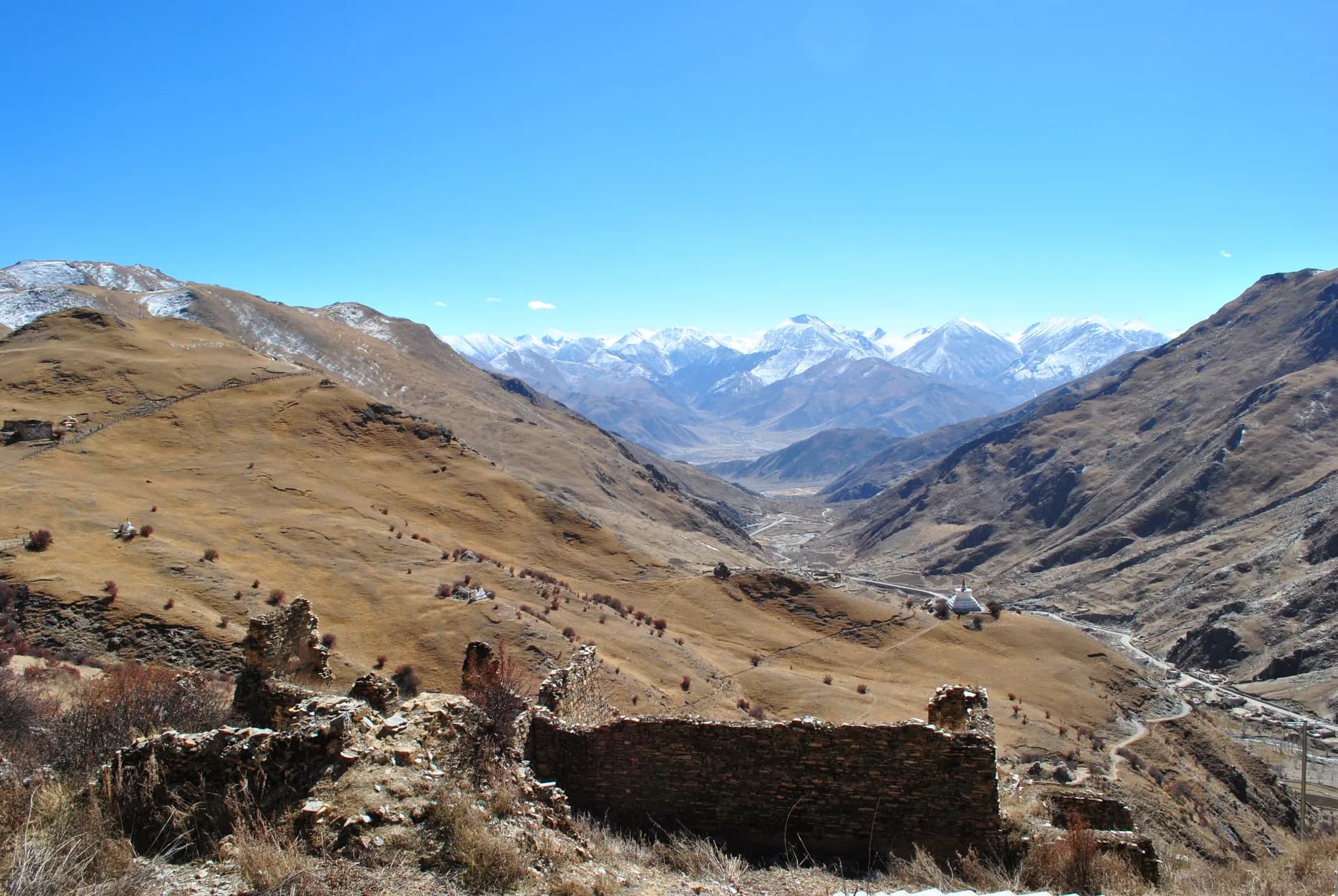
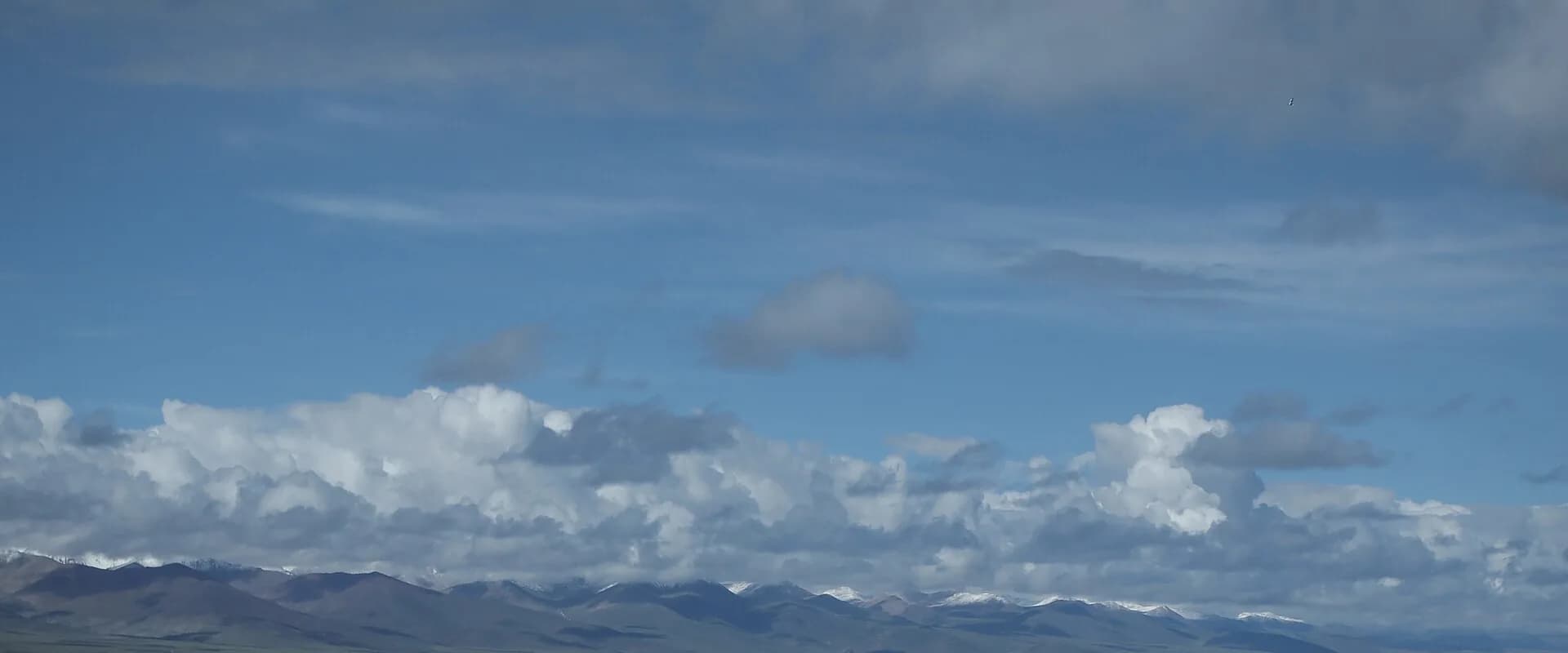
Namtso rewards the long journey with immense blue water, open plateau and snow-mountain scale that feels completely different from Lhasa's urban and monastery days. The strongest visit begins by choosing a named managed zone—Tashi Island or Shengxiang Tianmen—because each creates a different road, transfer and walking product. Give the lake a full day and keep the following evening light enough for recovery.
Choose the named visitor zone
Ask the product to name the managed visitor zone.
Tashi Island
The January 2026 operator notice described Tashi Island as operating year-round, published winter-only hours and warned that extreme weather can change sightseeing-bus service. Do not apply those winter hours to another season.
Shengxiang Tianmen
The June 2026 county notice removed an earlier three-day self-drive reservation and 50-vehicle cap from June 15, while retaining official ticketing with shuttle use, designated roads and ecological restrictions. That change does not prove the zone is included or approved for your organized international route.
Your organizer must identify the zone, approved road, official visitor center, ticket and shuttle, vehicle eligibility and live opening status in writing.
AMap confirms why the product name matters: the southern ticket/transfer sector is about 175.9 km and 2 hours 30 planning minutes by car from Potala, while Tashi Peninsula is another 28.9 km and 33 planning minutes by the returned road route. No public-transit option was returned. Follow the current scenic transfer rather than navigating independently between pins.
The lake experience depends on the named managed zone and the day's approved road conditions; follow the organizer's written route rather than the shoreline alone.
Plan the full road day around the view
One current detailed report reached the Shengxiang Tianmen side only after long paved and rough-road travel, used an internal transfer, spent a limited block at viewpoints and returned late after a vehicle problem. The useful lesson is contractual, not a universal timetable.
Before paying, require:
- exact visitor zone and route authorization;
- authorized organizer, actual operating supplier, guide and legal vehicle;
- estimated vehicle time as a range, not an attraction-only duration;
- every internal transfer and how much walking follows it;
- official ticket and shuttle inclusions;
- written weather, road, vehicle-failure, substitution and refund terms;
- a plan for meals, toilets and return if the scenic area suspends service.
Do not accept aggressive medical-product sales as a substitute for risk planning. This guide does not prescribe oxygen, medicine or a numerical threshold.
Stay within the managed visitor route
The 2025 Damxung government safety notice directs visitors to the official visitor center and scenic shuttle and away from undeveloped lake areas and unstable ice. Never leave the managed route for an empty shore, frozen-lake photo or driver shortcut.
If weather changes, the correct outcome may be a shorter route, a different day or cancellation. A lake view does not justify ignoring the operator, road control or guide.
Foreign-visitor contract gate
Your Tibet travel confirmation letter and organized route must cover the actual Namtso product. Do not assume a domestic app booking or a generic “Namtso one-day tour” can be attached later. Confirm passport submission, guide/vehicle obligations and whether any additional route document applies with the authorized organizer before purchase.
Final verdict
Choose Namtso only when the named visitor zone, legal vehicle, internal transfer, full road burden and weather fallback are clear in writing. Skip it when the product says only “Namtso,” hides the return conditions or treats undeveloped shore and ice as attractions.