Tibet Museum
The Tibet Museum works best as the interpretation-heavy half of a flexible pairing with Norbulingka. Three recent visitors spent about two hours, but differed on exhibit density and value. The consistent lesson is to choose a usable explanation rather than race through labels.
Reservation and admission
The museum's 2026 notice confirms no-charge admission, individual reservations through its official account up to seven days ahead and an onsite service path at the north gate with identity documentation. The July city guide says it normally closes Monday except statutory holidays.
Your organizer must still confirm whether a foreign passport uses the same online form or the north-gate/team process. AMap exposes the museum main map location but no separate north-gate marker; ask your organizer to confirm the entrance and drop-off point before departure.
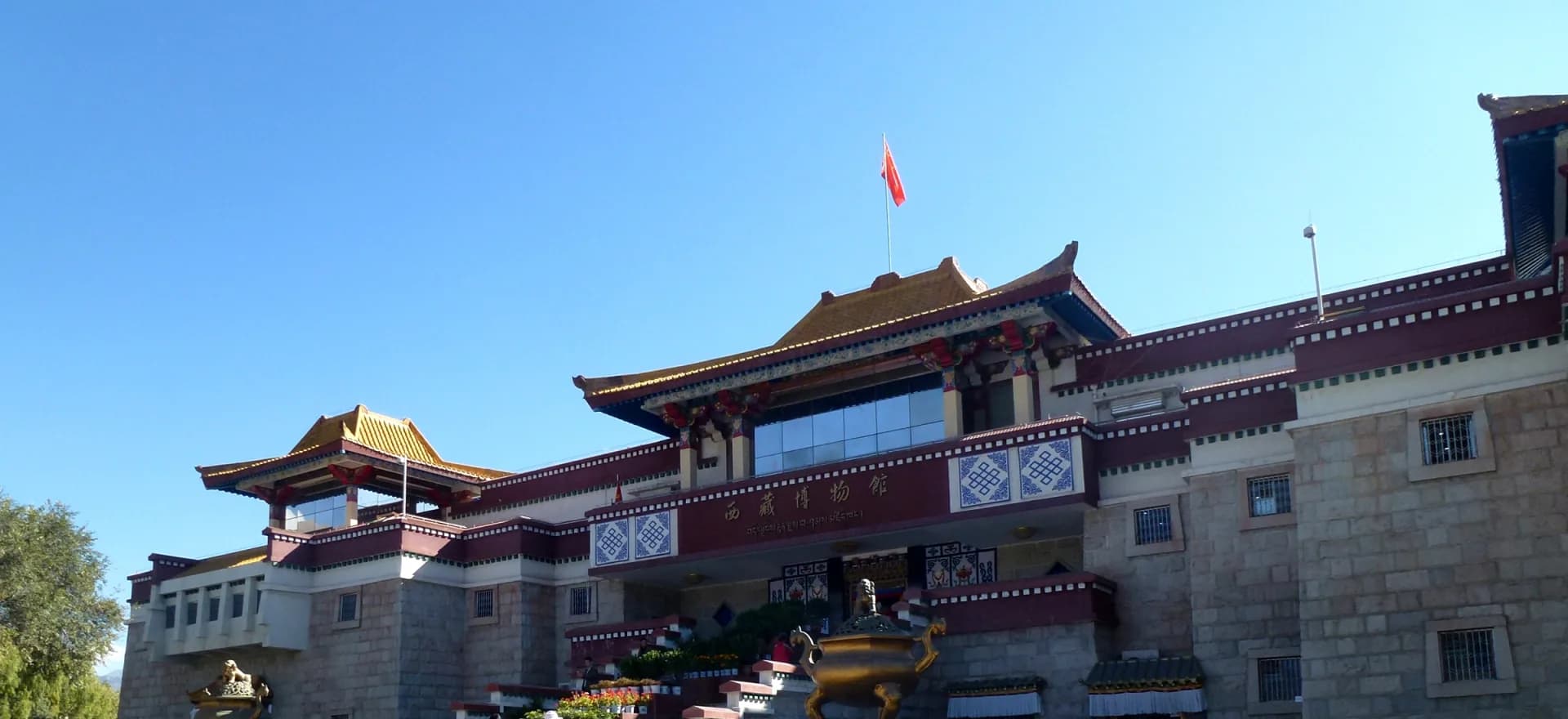
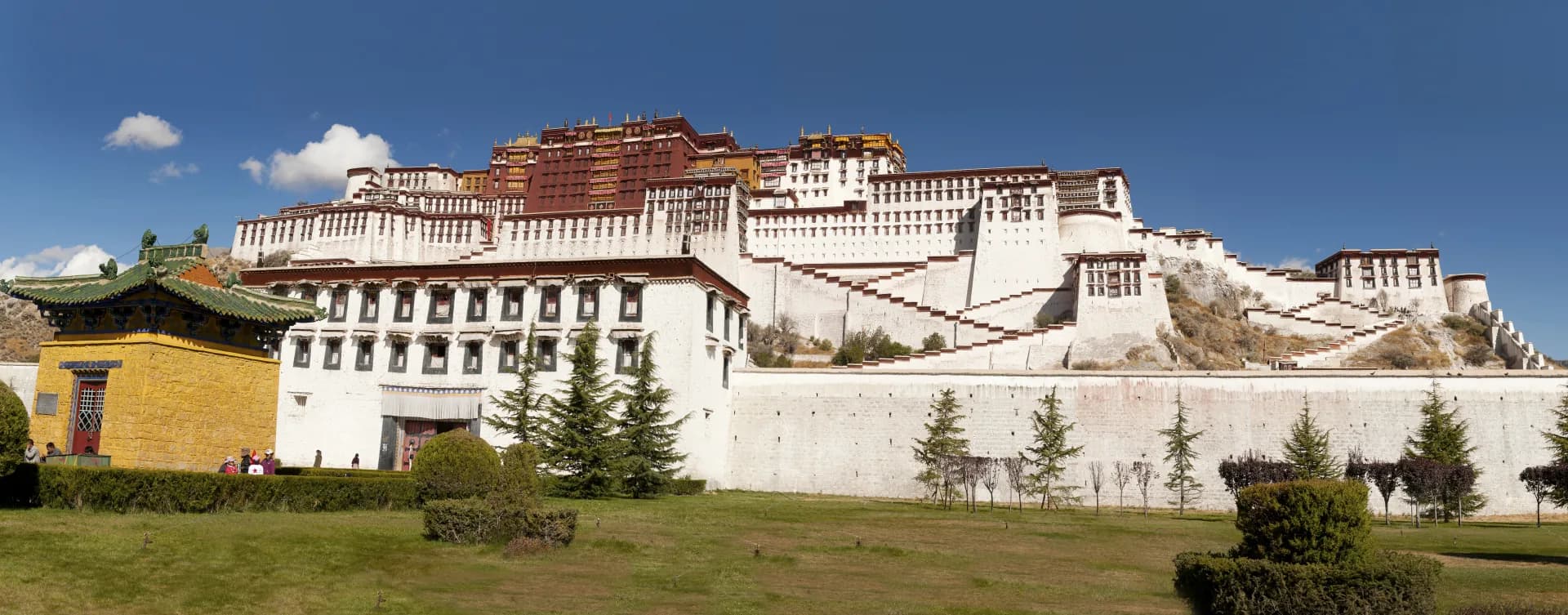
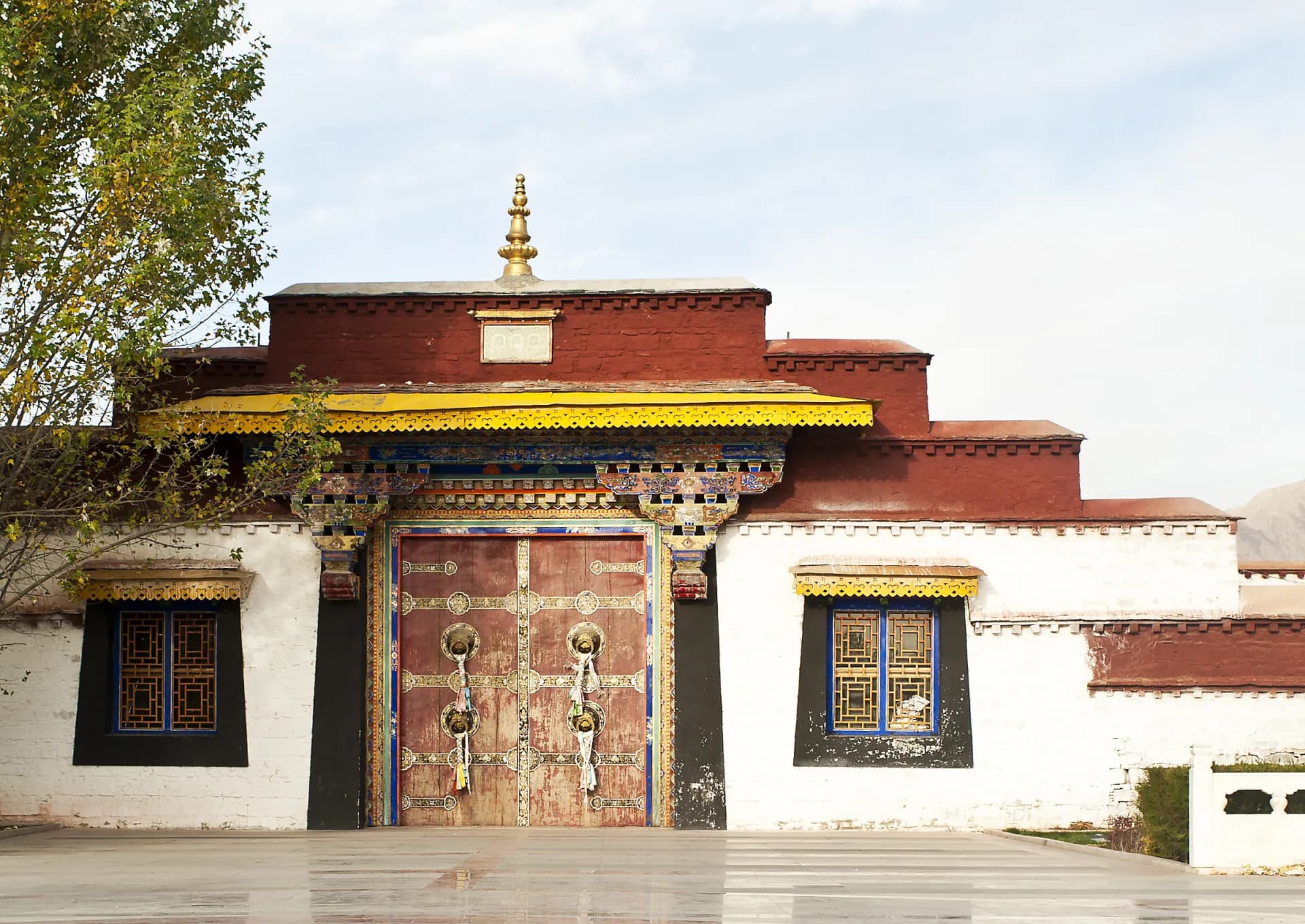
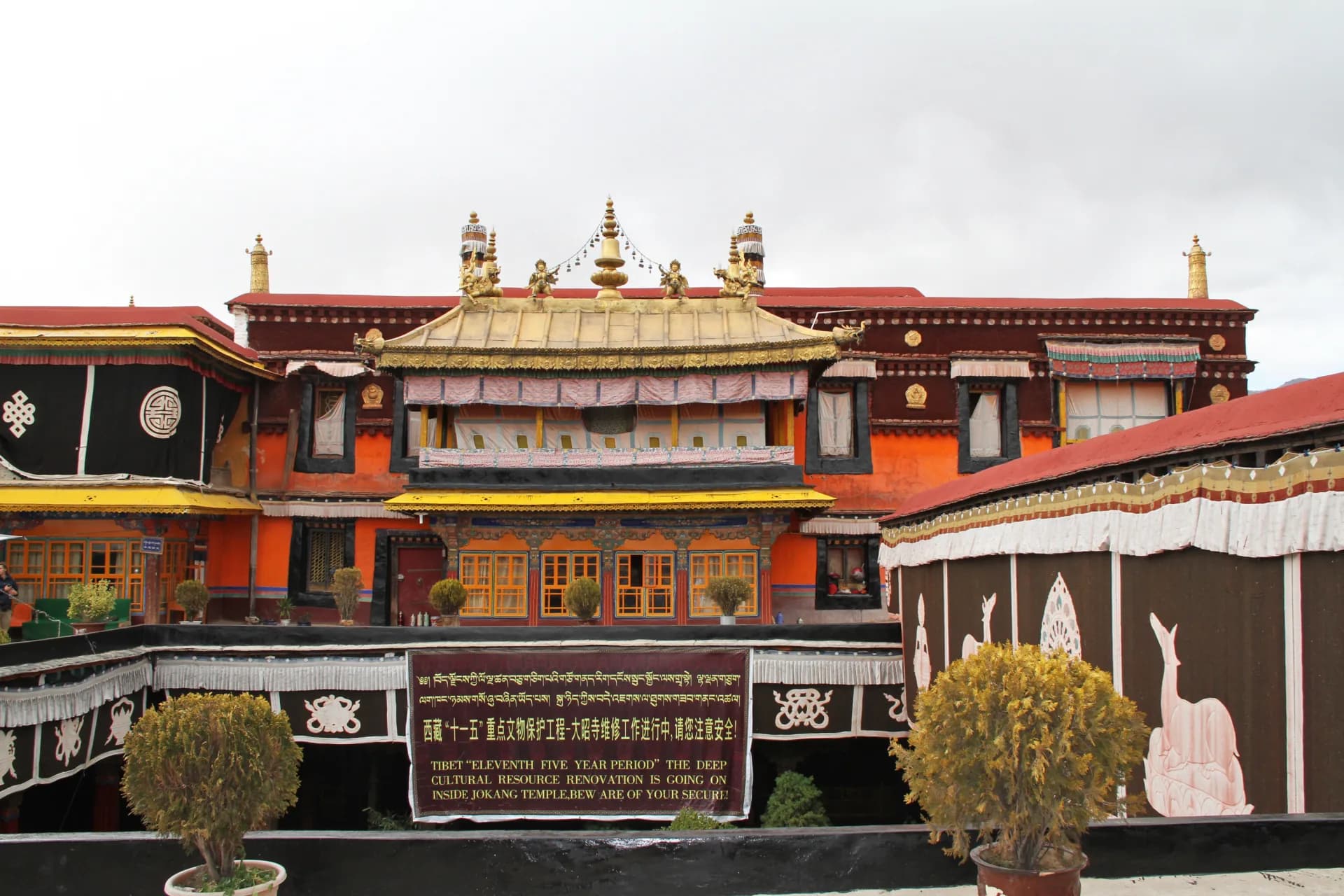
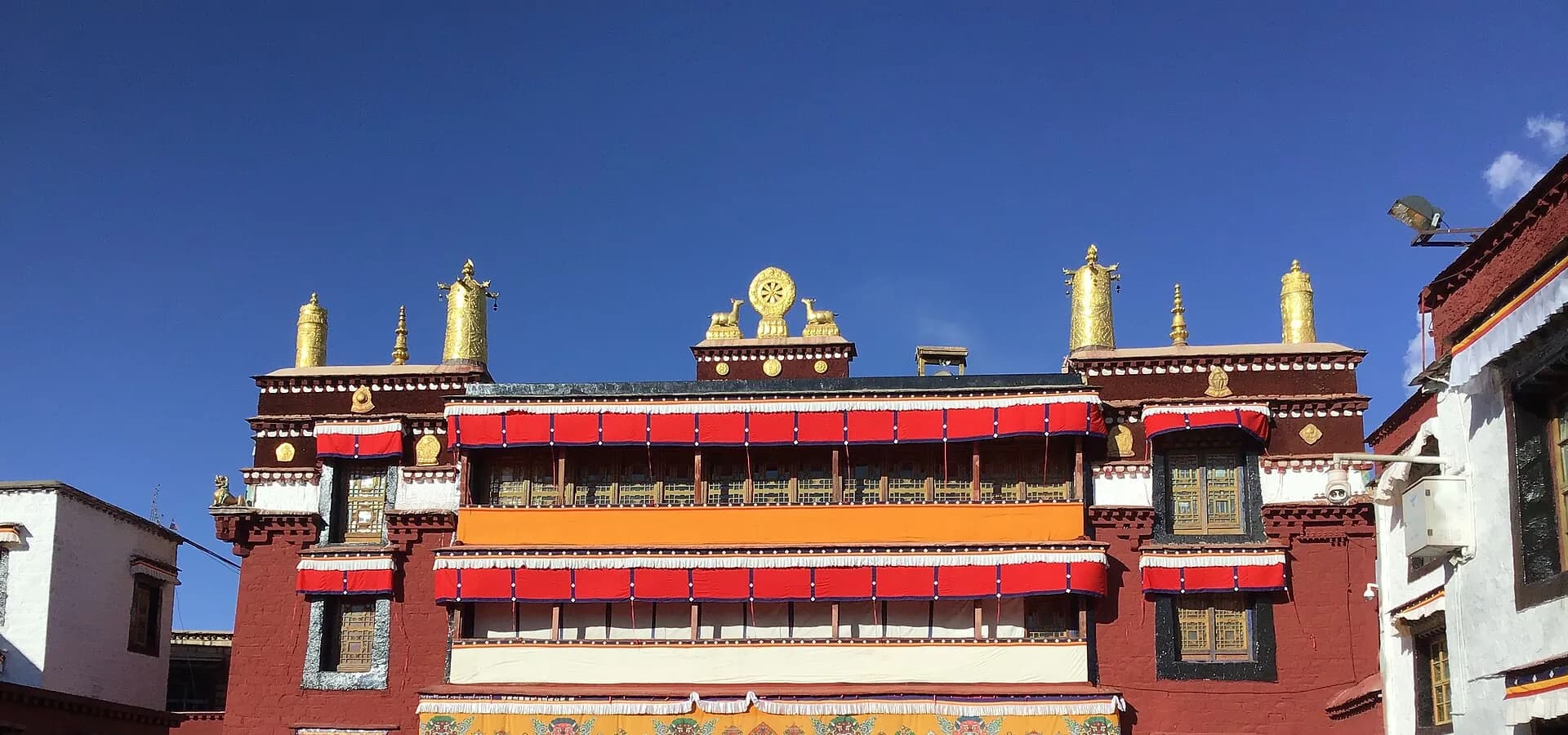
The exterior image does not prove the live entrance, exhibition layout, rooftop access, queue or indoor environment.
Choose interpretation before arrival
The official city guide mentions scheduled public interpretation. Verify the current time and language before building the day. If it is not usable, ask whether your authorized guide can interpret the galleries under current museum rules.
Read the exhibitions with attention to both the objects and the museum's interpretation. Note dates, provenance and whose voices appear in the displays, then discuss questions with your guide; a single exhibition offers one perspective on Tibetan history and living culture.
Keep an indoor exit
Multiple recent visitors independently reported poor ventilation or indoor discomfort. That is a repeated environment signal, not a medical diagnosis. If you feel unwell, leave the gallery, tell the guide and seek appropriate professional help rather than following social-media oxygen advice.
Rooftop access stood out to one visitor but remains a live check. Never treat it as guaranteed or bypass a closure for the view.
Pair it with Norbulingka
Use the museum before Norbulingka when historical context matters most. Reverse the sequence when the museum's timed reservation requires it. AMap measures about 276 m and four planning minutes between the museum and Norbulingka's east-side ticket office; follow the live crossing and entrance rather than walking by a straight-line pin.
Use the March 2026 museum notice and the July city guide for the current baseline.
Final verdict
Choose the Tibet Museum for structured context, with a verified reservation and interpretation plan. Keep the visit flexible enough to leave early if the indoor environment becomes uncomfortable.
General admission is free under the cited 2026 notice; a guide, special program or transport is a separate product. Ask about lifts, seating, accessible toilets, bag storage and the shortest route to the exit before starting. This is especially important in Lhasa: an indoor attraction should function as a low-exertion context stop, not pressure a traveler who feels unwell to complete every gallery.