Shanhua Temple
Shanhua rewards attention to sequence more than scale. Visitors who compared it with Huayan often found Shanhua quieter and easier to read as layered architecture, while Huayan felt larger, more visibly restored and busier. This is a preference split, not a ranking.
Follow the building sequence
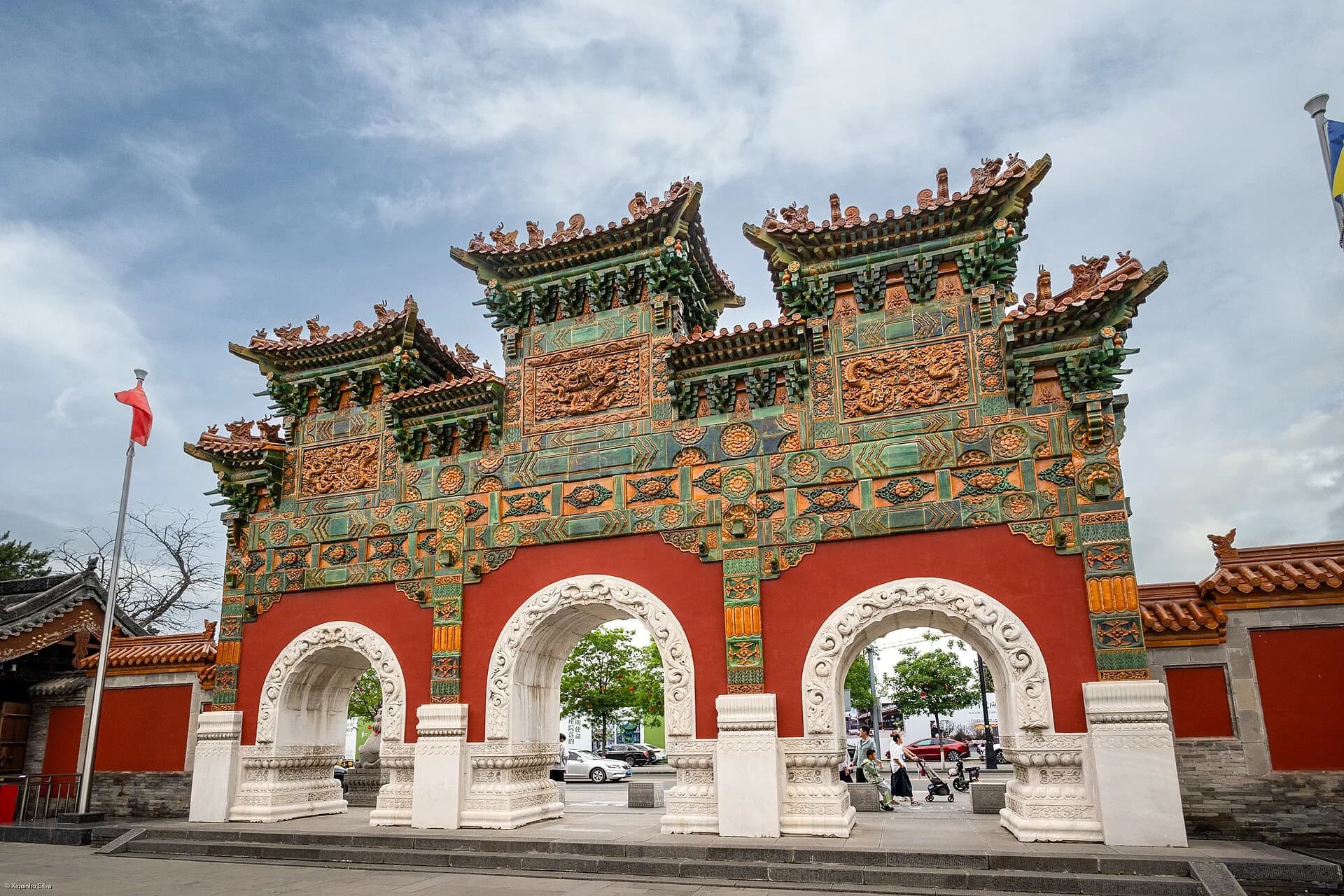
Begin at the gate and look upward before moving forward. Notice how rooflines, brackets and the central axis frame the next courtyard. Walk the axis once without rushing into every side space, then turn back to see how the entrance is framed from inside.
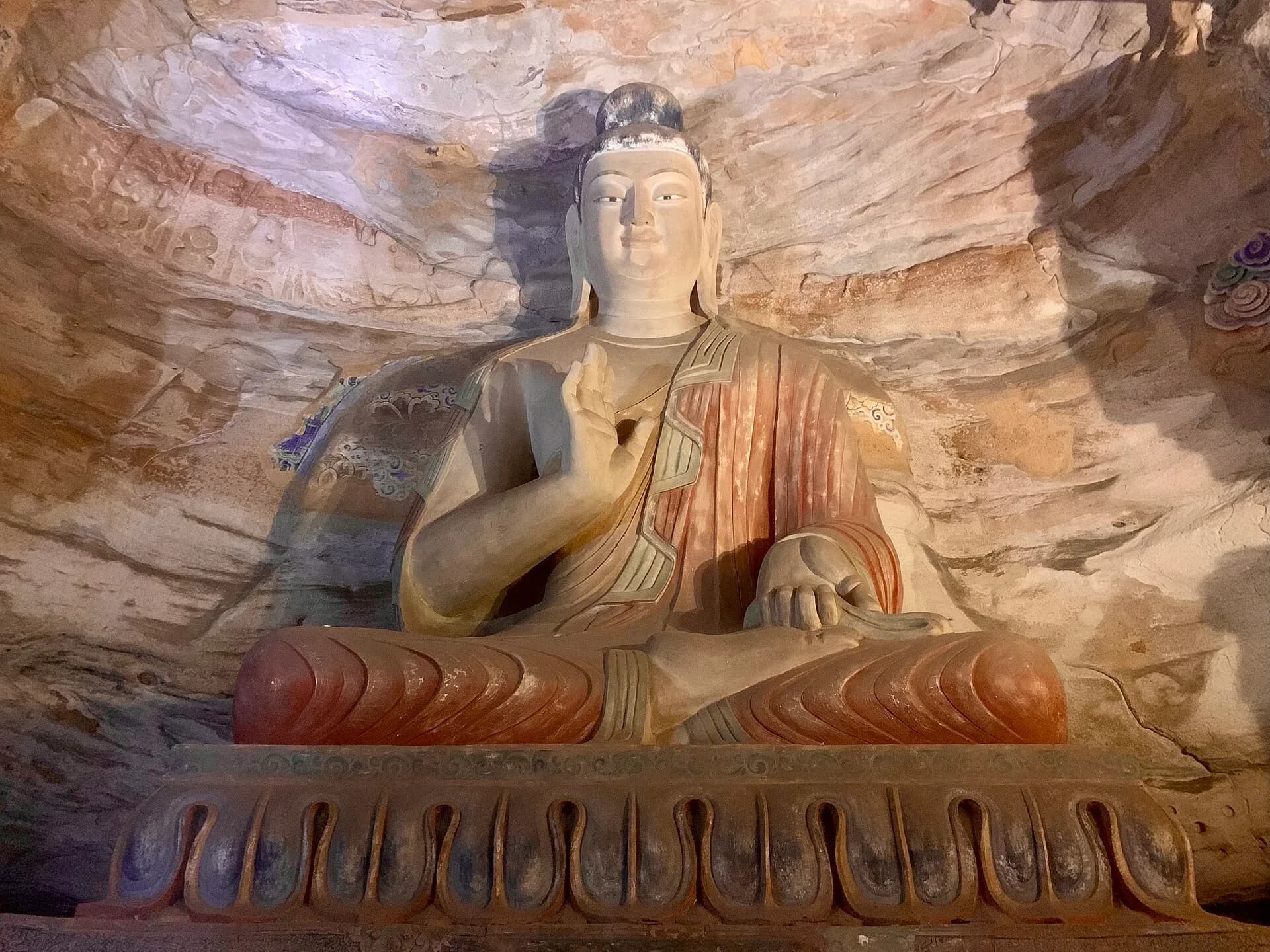
In open halls, slow down for differences in expression, material and grouping rather than treating sculpture as one dark mass. Read the official labels before attaching dates or superlatives. Some objects or spaces may be later restoration, and current access can change.
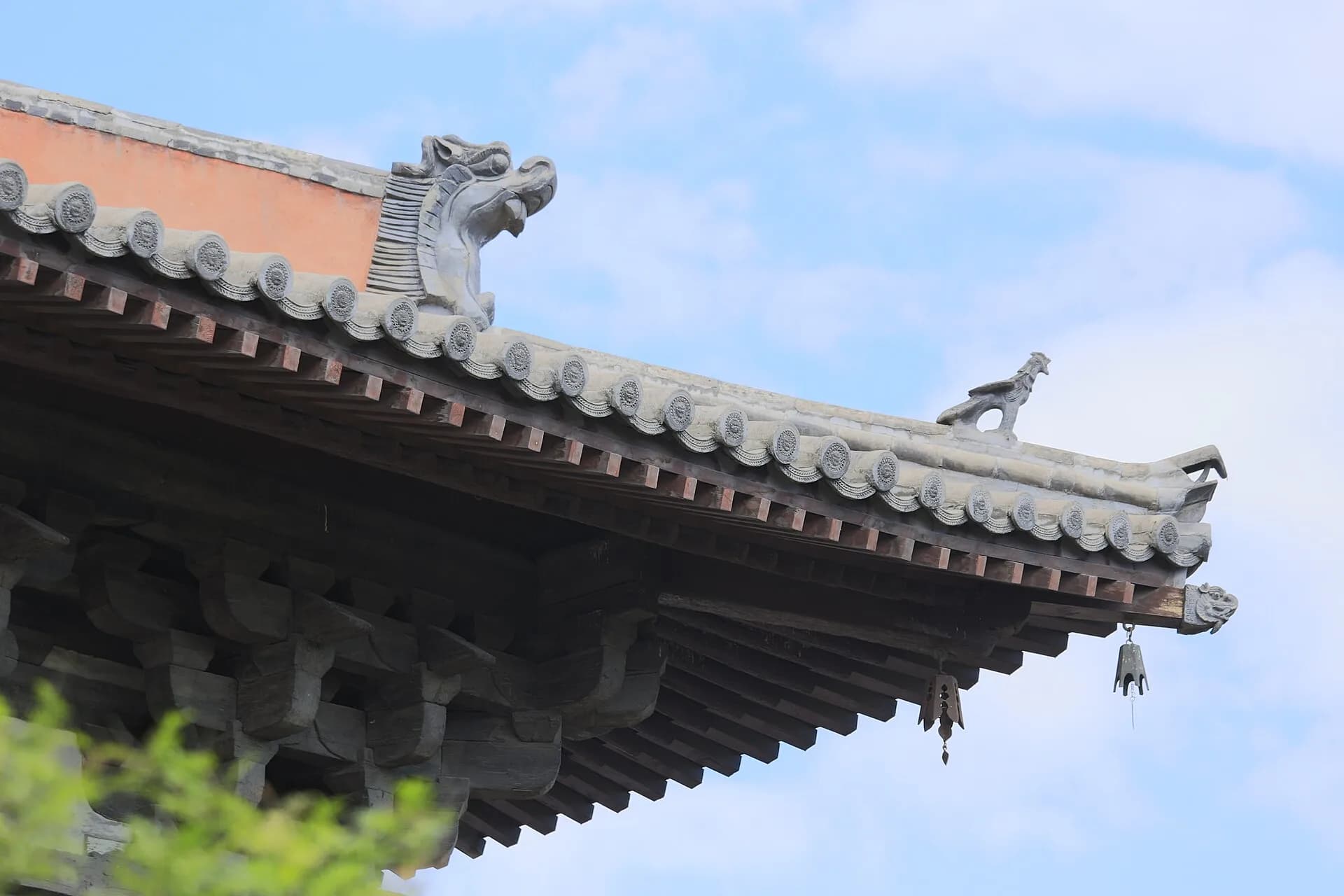
Photo: Zhangzhugang · Source · CC BY-SA 3.0
Three stops to look at closely
Follow the main gate → Three Saints Hall → Mahavira Hall axis described in Datong's official introduction. At the gate, begin with the roof structure and, where access permits, compare the expressions of its guardian figures.
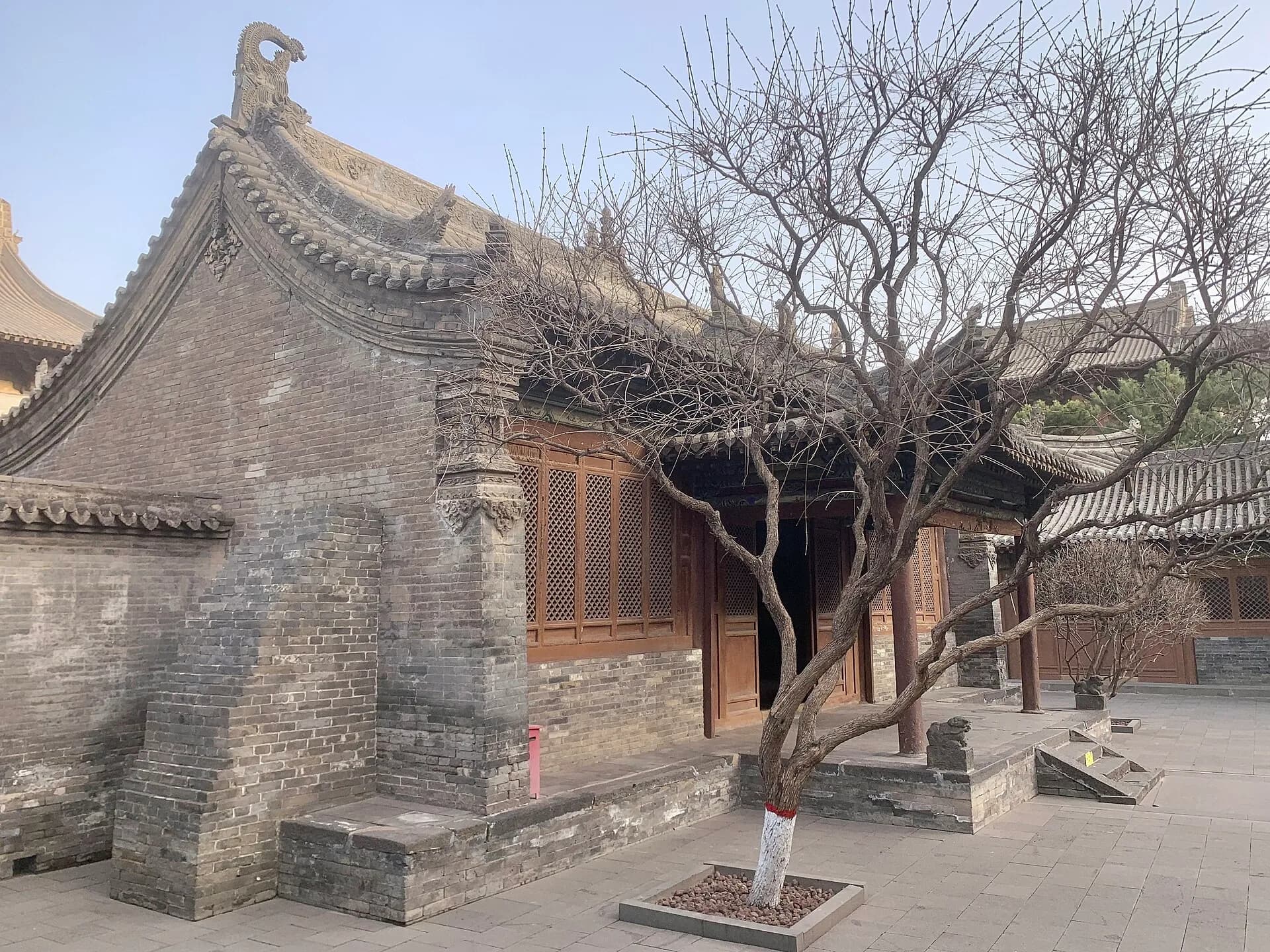
At Three Saints Hall (三圣殿), look at the large timber brackets beneath the eaves before entering. Compare that exterior structure with the sense of space inside. At Mahavira Hall (大雄宝殿), give the sculptural groups more time: compare posture, hands and clothing folds from the permitted viewing area rather than searching only for one famous figure. Back in the courtyard, look toward the entrance to see how the architectural frame changes on the return walk.
How long to stay
Allow 60–90 minutes for a focused visit. A combined Shanhua and Huayan interpretation route can take more than three hours, especially if you stop to learn architectural vocabulary. If you have only one hour total, choose one temple rather than reducing both to façades.
Choose Shanhua when you prefer a quieter sequence and close architectural observation. Choose Huayan Temple when you want the larger complex and can tolerate more peak-period friction.
Conduct and current access
This is a protected religious environment, not a studio set. Keep voices low, yield to worshippers and follow hall-specific photography rules. A courtyard photo permission does not extend automatically to sculpture or murals.
The city confirms a distinct official booking and identity workflow for its cultural monuments, but foreign-passport handling should be checked directly. Carry the original document and never invent a mainland ID. Repairs, worship activity and temporary closure can shorten the visit.
Continue north through the old city
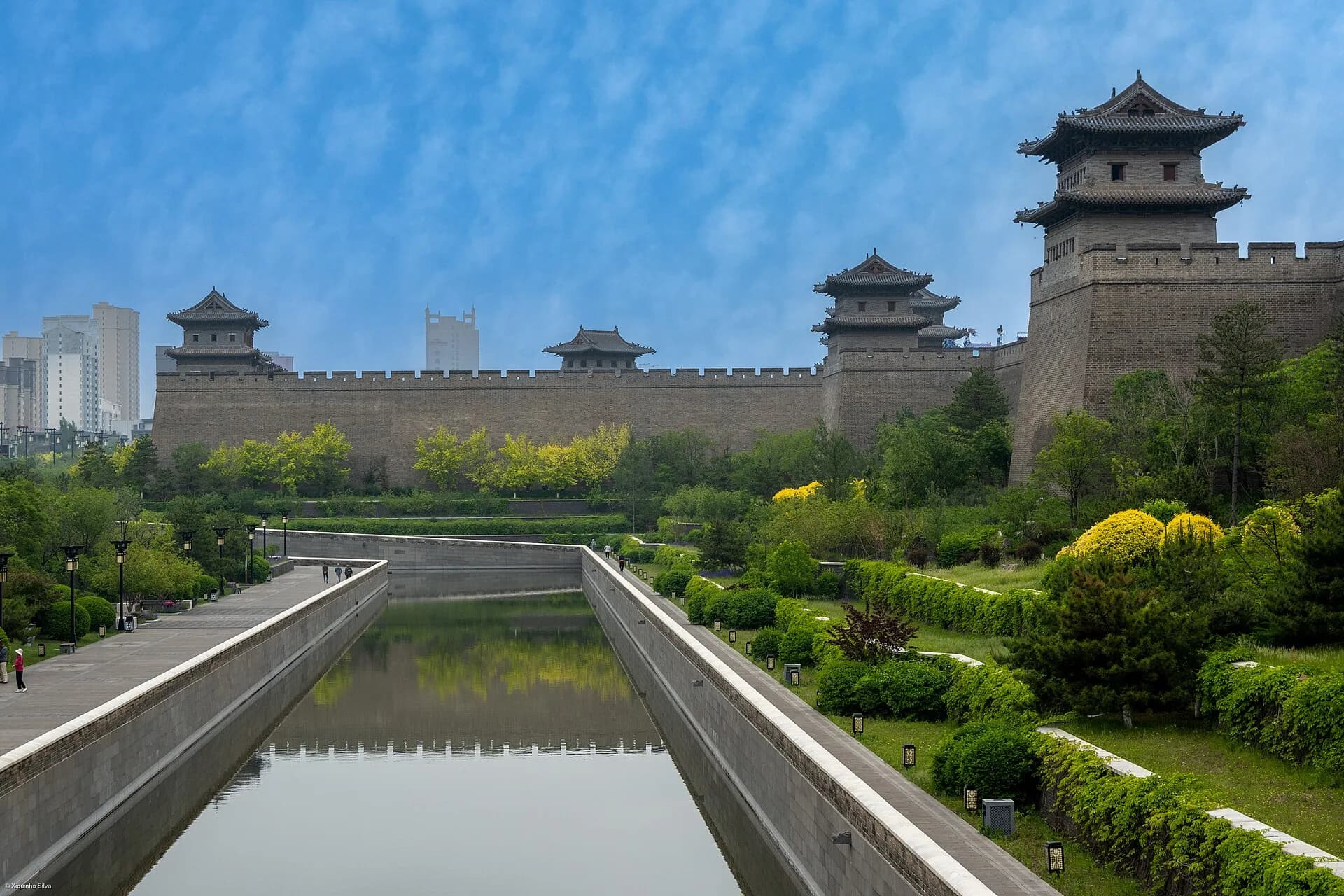
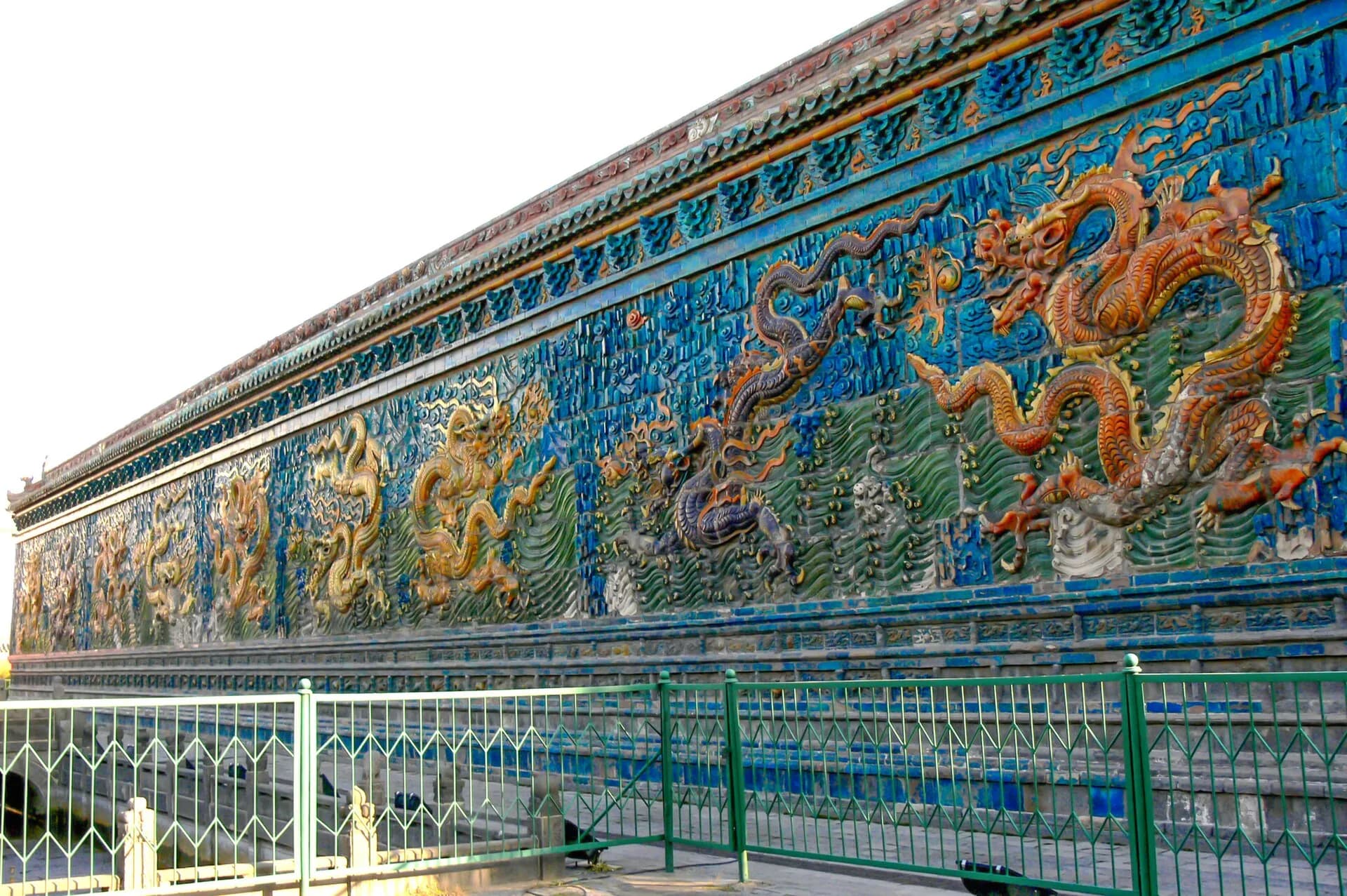
AMap measures about 1.6 km / 22 minutes on foot from Shanhua to Fahua Temple. From Fahua, the Nine Dragon Screen is another 0.5 km / 8 minutes, followed by 0.7 km / 10 minutes to Huayan.
This is a real walking spine, not four adjacent courtyards. Begin at Shanhua only if you have enough time for its interior; otherwise save the northern stops for another period.
Carry water in warm weather and keep the route flexible around worship or repairs. The old-city streets between monuments include ordinary traffic and commercial reconstruction, so use mapped crossings instead of assuming a continuous pedestrian heritage precinct.
Final verdict
Shanhua is the stronger choice for travellers who want quiet looking, roof and bracket logic, and a coherent courtyard progression. Give it one deliberate hour and let the open halls determine the detail, rather than arriving with a fixed object checklist.