Nine Dragon Screen Datong
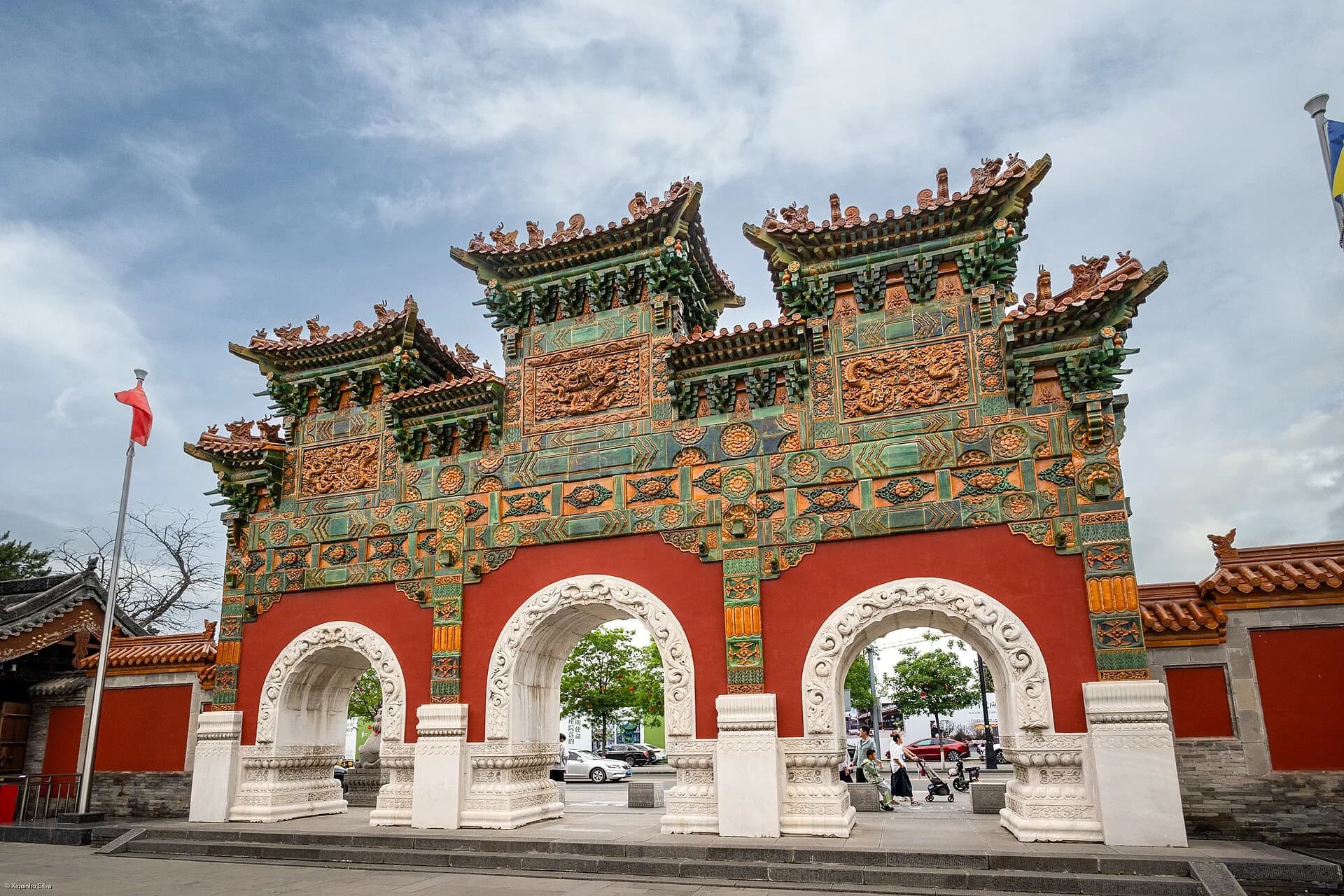
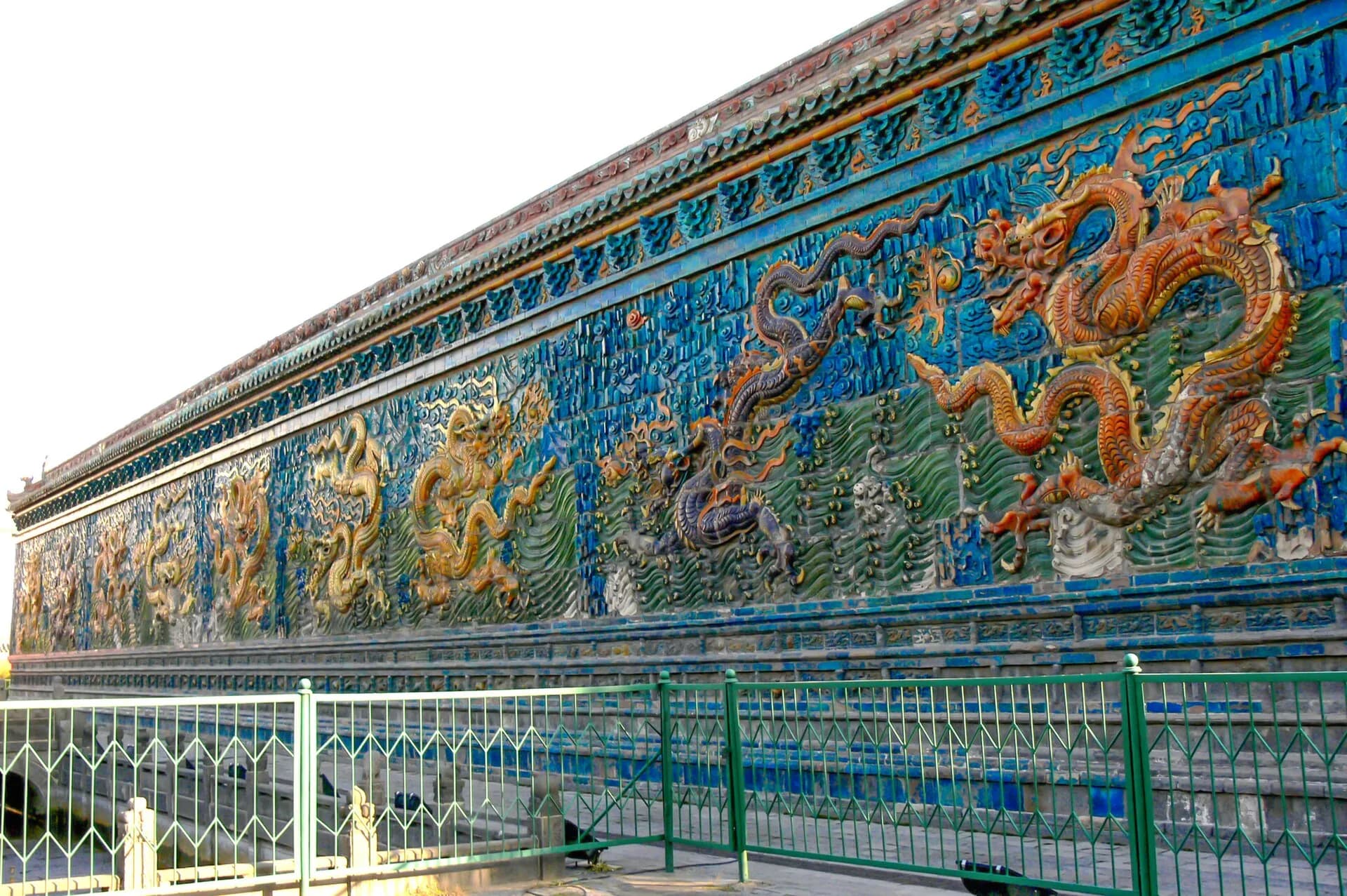
The Nine Dragon Screen is a focused Ming glazed monument, not a half-day “ancient city” attraction. Casual visitors can understand the full composition from the exterior context. Detail-focused visitors gain more by entering, approaching the glaze and studying weathering, relief and reflection.
Choose the exterior overview
Stay outside when the screen is a linking stop, the light is harsh or the old-city temples matter more. The broad composition remains visible, and evening light may reduce the strong backlighting reported by daytime visitors.
An exterior look is not a loophole into a paid product. Remain in the public area, follow barriers and never block the entrance while photographing the full wall.
Enter for close detail
Choose the controlled interior route when you want to compare glaze colours, three-dimensional modelling, repaired or weathered surfaces and the relationship with the reflecting water. Interpretation matters more here than duration.
Current admission, access distance, photography and passport handling must be checked through the official channel. The city confirms a distinct booking and identity workflow, but a foreign-passport field has not been independently tested. Carry the original document.
Light and timing
Direct midday light can flatten the relief or create glare, while the exterior after ordinary entry hours can produce a clearer overall silhouette. Do not assume night access or free entry from an old post; verify the boundary and operating notice on your date.
A 20–40 minute inside visit is enough for most detail-focused travellers. If you are not reading the surface, keep it shorter.
Use a phone or camera with modest zoom instead of leaning across a conservation line. Look for repeated cloud, wave and animal motifs around the dragons rather than photographing only the centre. Reflections depend on light, water condition and the permitted viewing position; they are not a guaranteed image.
Use it as part of the old-city spine
AMap places Fahua Temple about 0.5 km / 8 minutes away on foot and Huayan Temple about 0.7 km / 10 minutes away. Fahua–screen–Huayan is the natural direction.
Do not let a short wall stop consume the time reserved for Huayan’s architecture and art. If admission or identity handling becomes slow, use the exterior overview and continue.
Final verdict
Choose ten minutes outside for composition and route continuity, or up to forty minutes inside for material detail. Choose the longer stop if you want to study the relief; otherwise keep time for the nearby temples.