Fahua Temple Datong
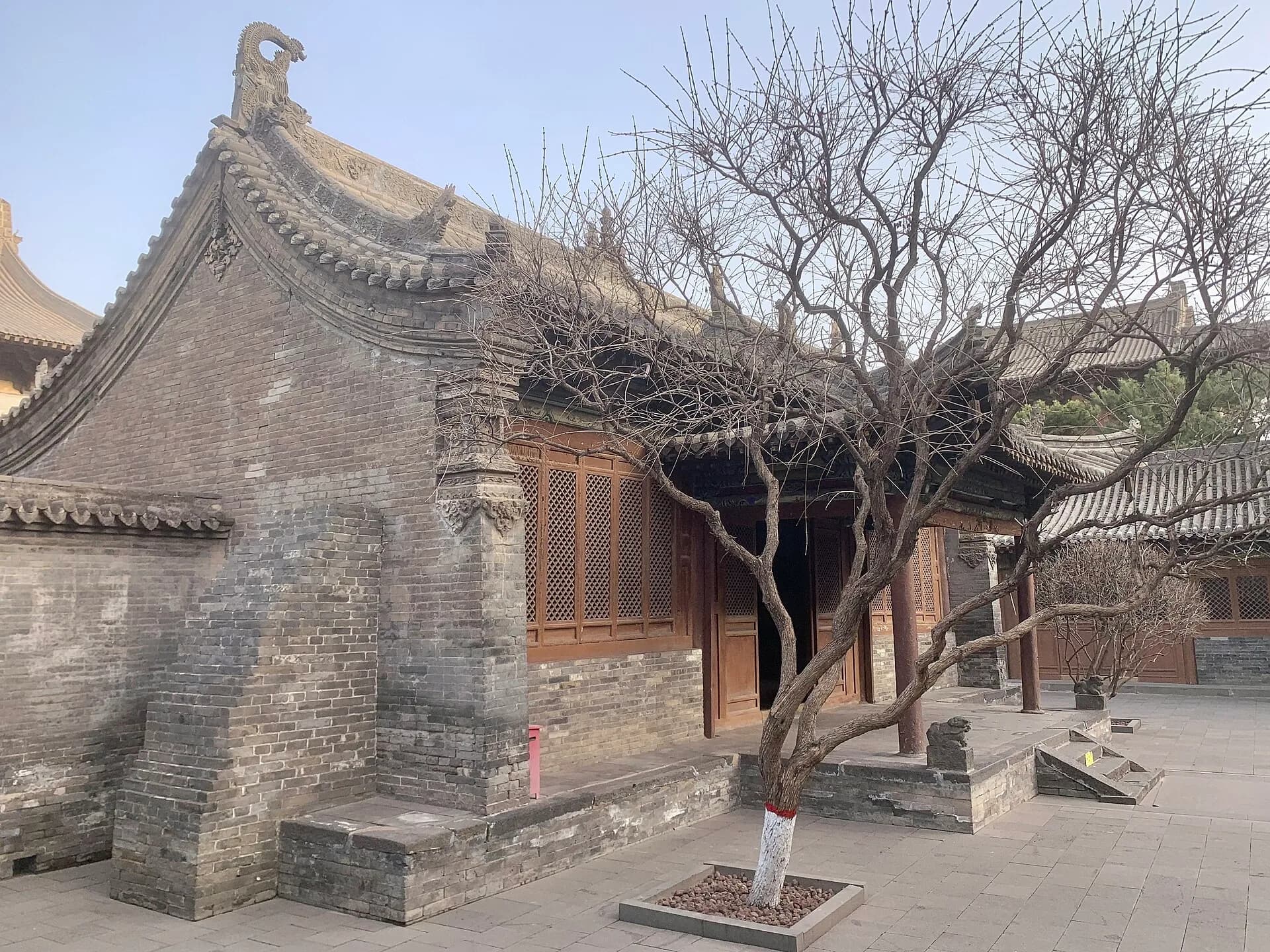
Fahua earns a separate stop because of its white lama-style pagoda. Pingcheng District’s current heritage profile identifies the tower as a protected Ming-period structure and highlights its glazed decorative details. The surrounding temple compound was reconstructed; it should not be presented as one untouched ancient ensemble.
Make the tower the looking route
Begin far enough away to see the tower’s full silhouette above the courtyard. Walk around only within the signed public route and compare the white body, upper form and coloured glazed elements. Small sculptural details matter more than the size of the compound.
Then examine how the newer halls frame the surviving tower. This contrast is the interpretation: one protected historic object exists inside a modern/reconstructed religious and visitor environment.
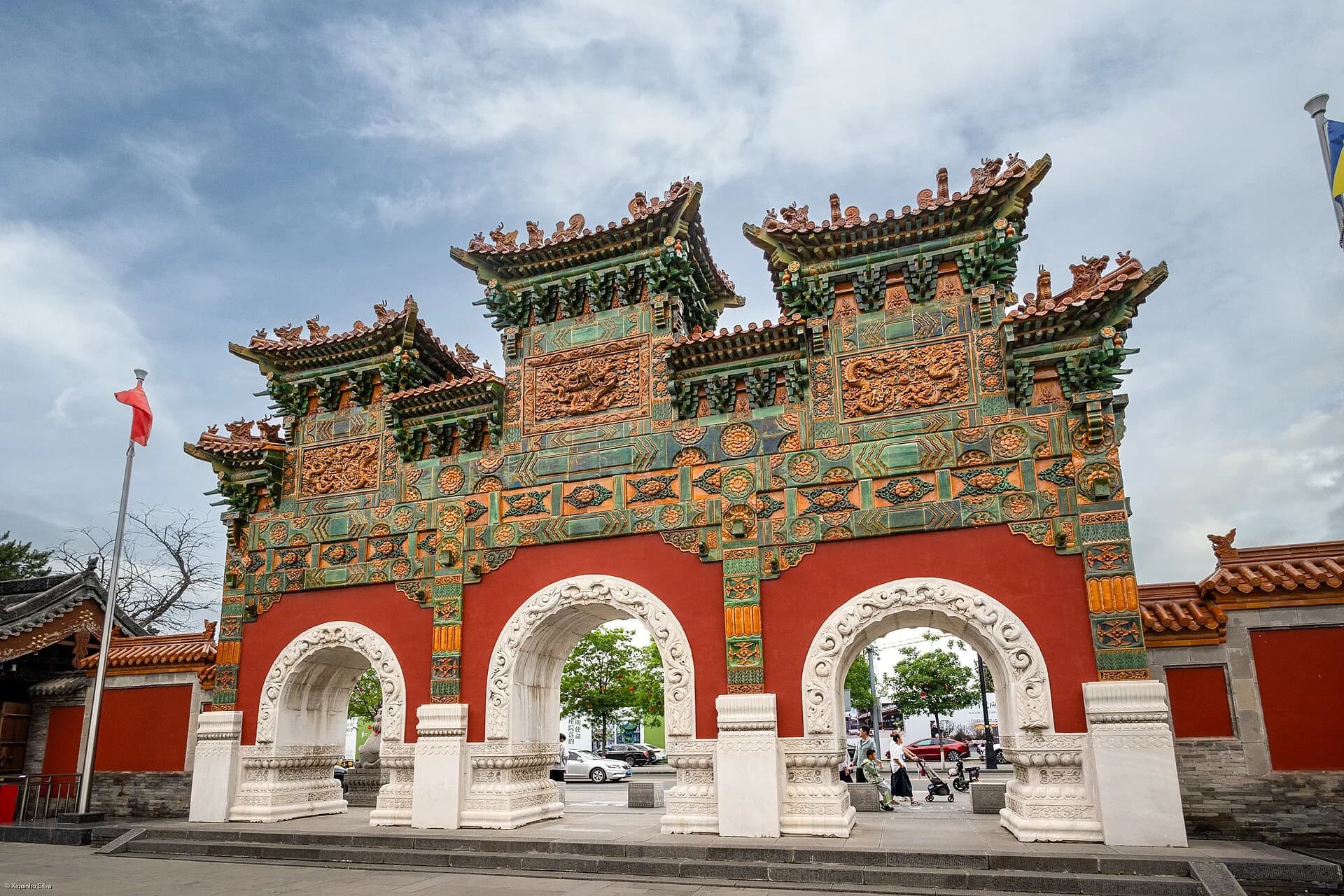
Three details to find on the white pagoda
Start with the base and overall shape. From the public courtyard, follow the outline upward from the stepped octagonal base to the rounded white body. Move back if needed to see how the narrower lower section and fuller middle create its vase-like silhouette; a close photograph alone can hide that form.
Then look around the small arched windows. The Pingcheng heritage description identifies glazed guardian figures and cloud decoration beside them. Use your camera's zoom to study the small reliefs without approaching barriers. Compare one visible window group with another if the public route allows; you do not need access inside the tower to appreciate the workmanship.
Finish at the coloured upper rings. Look for yellow, green and purple glazed details interrupting the white surface, then trace the outline toward the lotus and jewel forms at the top. Return to a wider view to see how those small areas of colour change the whole composition.
The surrounding rebuilt halls provide a useful comparison in scale and surface finish. Read their labels separately: a modern mural may be interesting in its own right without being a surviving Ming painting. Keep the white pagoda as your main stop when time or open-hall access is limited.
Access and conduct
The authority profile establishes the protected identity but does not publish reliable ordinary opening hours. Check current access locally or through the responsible district/cultural channel. Do not plan a fixed early or late entry from an old social post.
Treat open halls as an active religious space. Keep voices low, yield to worshippers and follow photography restrictions. A closed hall does not prevent an exterior study of the pagoda if the public courtyard remains open.
There is no need to seek a rooftop or private upper-floor angle. The useful comparison is available from the lawful courtyard: historic tower, newer enclosure and the changing urban skyline. If a ceremony occupies the best viewpoint, wait quietly or leave it to worshippers.
Position in the old-city walk
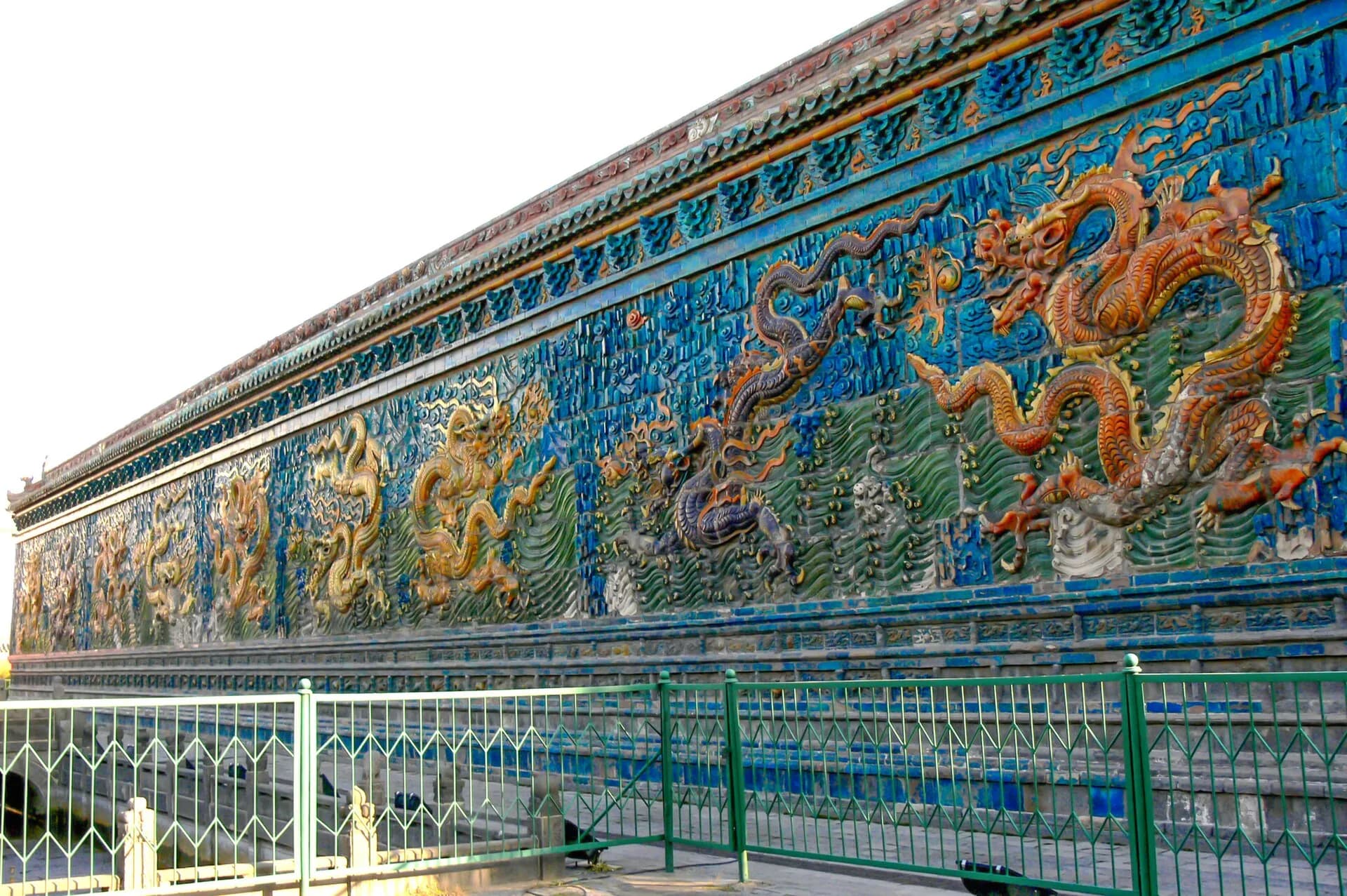
AMap measures about 1.6 km / 22 minutes on foot from Shanhua Temple to Fahua. From Fahua, the Nine Dragon Screen is about 0.5 km / 8 minutes away, followed by another 0.7 km / 10 minutes to Huayan.
Allow 30–50 minutes. If current access is restricted, view only what is legitimately public and keep moving along the verified spine.
Final verdict
Choose Fahua if you want a short old-city comparison between one protected tower and a later reconstructed enclosure. The courtyard can still be exposed to Datong wind, winter ice and summer sun, while thresholds may interrupt a step-free line. If the public route is slippery, under repair or occupied by worship, take the lawful distant view and continue to the Nine Dragon Screen rather than forcing a close circuit.
Choose Fahua when an old-versus-new architectural reading appeals to you. The protected white tower is the reason to stop; the reconstructed compound supplies context, not proof that every visible surface is historic.