Beihong Village
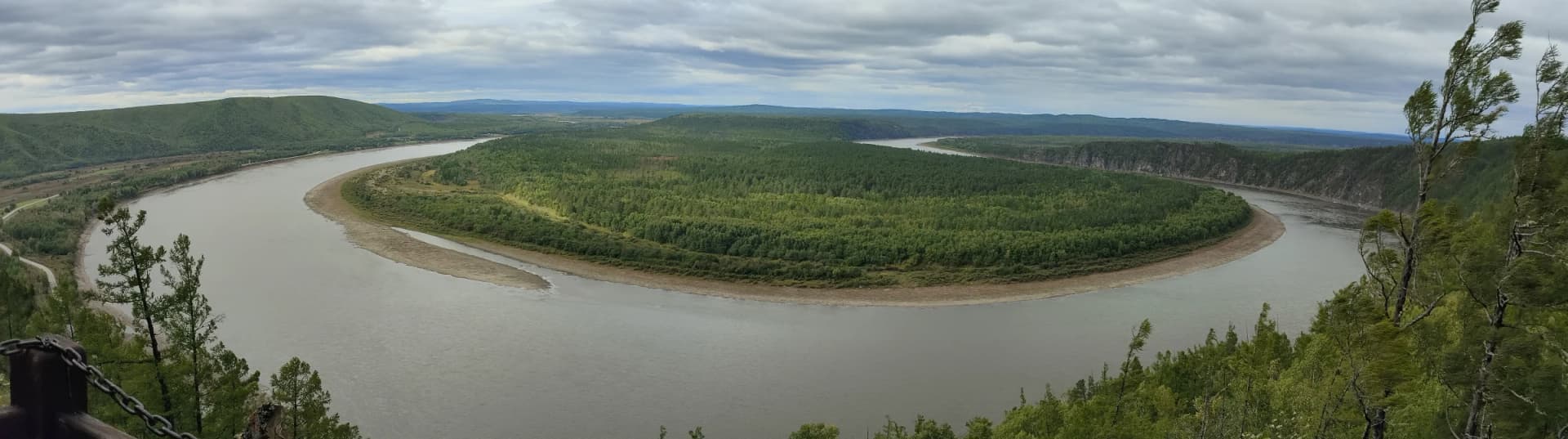
Beihong Village (北红村, Běihóng Cūn) is a small, inhabited border settlement beside the Heilongjiang River. Its appeal is the landscape and the rhythm of a working village, not a dense checklist of attractions. Treat it as a 60–90 minute stop on a private road circuit, or stay one night when that usefully divides the long journey between Longjiang First Bay and Arctic Village.
The overnight is worthwhile only when the lodging itself works for you. Confirm that the property can register international guests and provide reliable heating, hot water, a toilet, meals and the next transfer before you commit.
Take one simple village walk
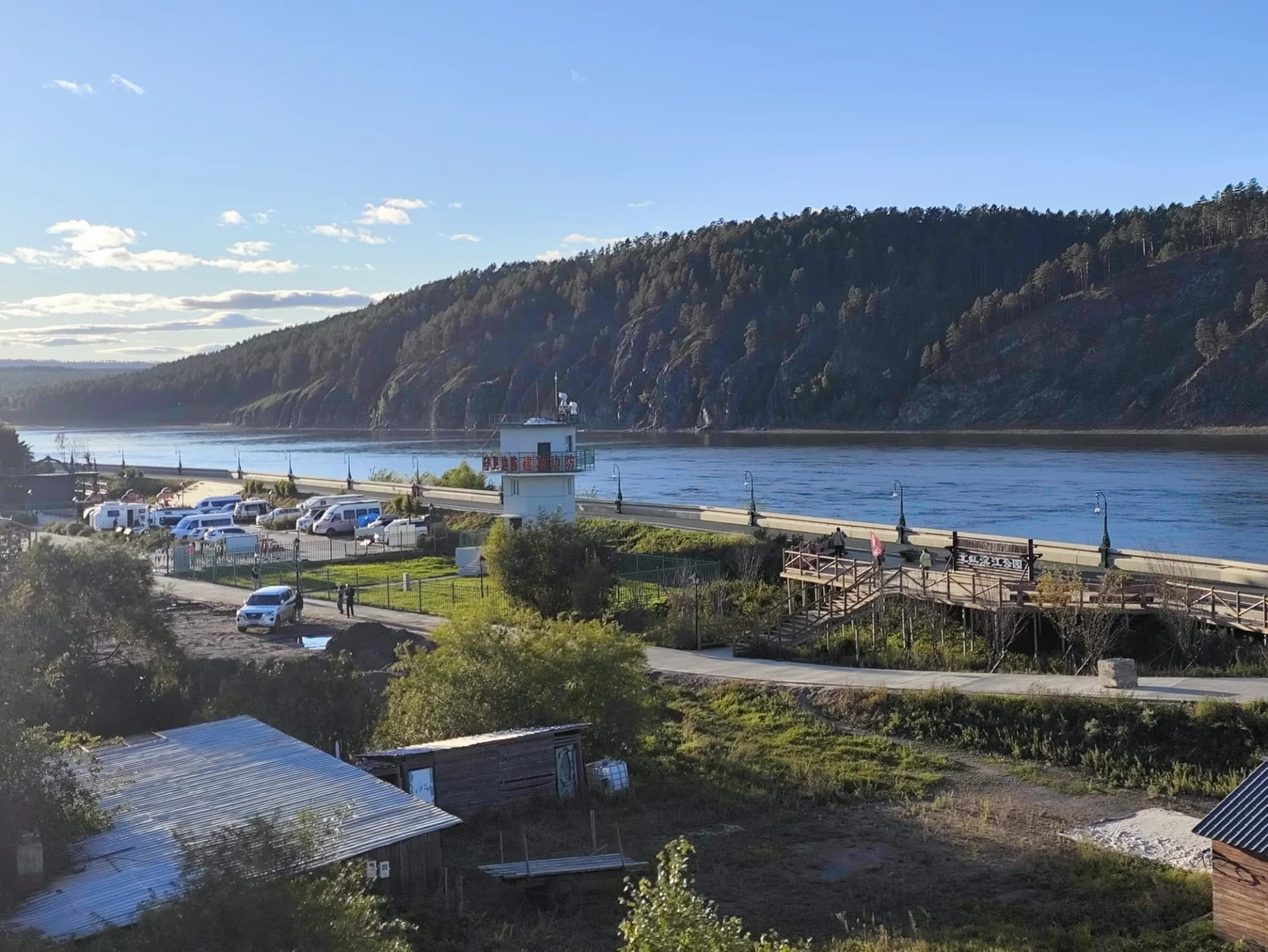
Start on the main road, walk toward the riverside park and use only paths and viewpoints that are visibly open to visitors. From there, look back across the low houses and surrounding forest before returning through the settlement. The route is short by design: there is no need to enter residential yards, approach operational border facilities or turn the village into a staged photo set.
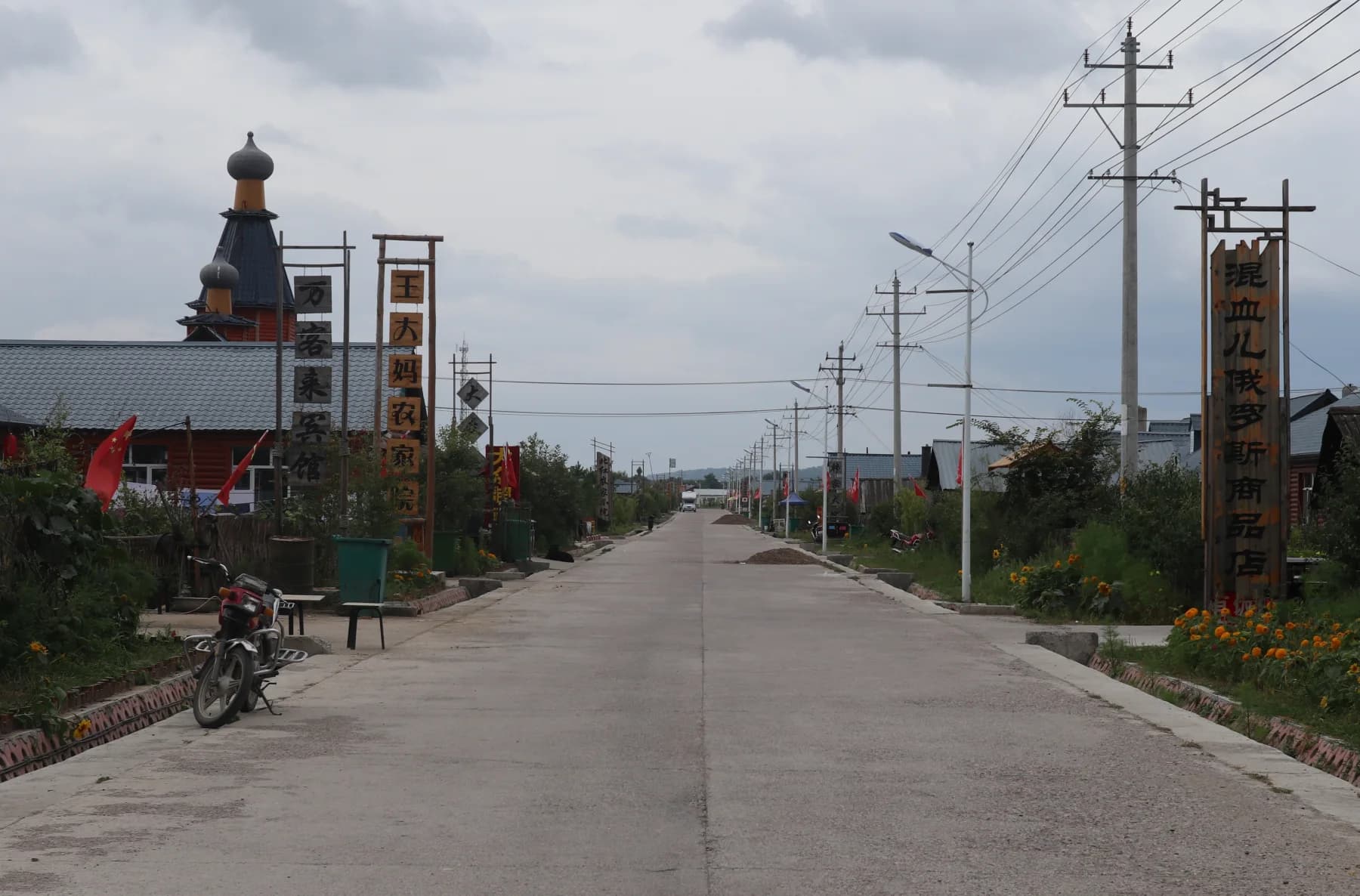
Photo: 颜邯 · Source · CC BY-SA 4.0
Provincial material identifies Beihong as China's northernmost village-level administrative settlement, while local reporting still presents it as a lived-in border community. Those are more useful distinctions than the competing “northernmost place” slogans attached to several Mohe sites.
Do not improvise at the border
Stay within signed public areas and carry your passport. The Mohe government specifically warns visitors not to cross the national boundary, including by accidentally walking onto or across the frozen river in winter. Do not treat ice as an extra viewpoint, however solid it appears.
Forest controls also matter. Fire-prevention seasons are normally April 15–July 15 and September 15 until lasting snow cover; obey closures and do not arrange informal foraging or wildlife trips. In extreme cold, keep exposed-skin time short and carry a charged phone and power bank inside an insulated layer.
Transport is the real planning decision
Beihong is dispersed from Mohe city and the other headline sights. A recent off-season visitor found only one useful bus in each direction and reached the village with barely enough time for a brief walk before the return. That report is a warning about fragility, not a permanent timetable.
If travelling independently, ask the bus station or your accommodation the day before for the exact departure point, return time, baggage policy and what happens after a cancellation. Save the Chinese name 北红村 offline and carry food and water. A licensed driver is the more resilient choice for the combined Longjiang First Bay and Wusuli Shoal route, especially in snow, fog or heavy rain.
Admission and overnight fit
The village itself has no general admission charge. Accommodation, meals, transfers and optional activities are separate. There is therefore no useful attraction ticket to buy in advance; book the service that solves your lodging or transport problem, not a vague “northernmost” package.
A coherent west-to-east sequence is Longjiang First Bay and Wusuli Shoal, Beihong overnight, then Arctic Village the next day. If you already have a warm base and secure return transport, a short daytime stop is enough. Aurora sightings are never guaranteed and should not decide whether the village is worth the detour.
Before departure, check the Mohe government's visitor safety notice and ask your driver or property about that day's road and weather conditions. Return to the Mohe guide for the wider route.