Chaozhou Ancient City
Chaozhou Ancient City (潮州古城) works best as a daylight walk that gradually becomes a food, tea and river evening. Paifang Street supplies the monumental spine, but the rewarding details sit between the arches: arcaded fronts, residential lanes, Chaozhou Kaiyuan Temple, gilded woodcarving and the transition through Guangji Gate to the Han River.
The streets themselves are public urban space, so the visit still works without shopping. Give the walk a half day when architecture is the priority and a longer day when you want a proper meal, a seated tea session and a later river finish.
Why walk beyond Paifang Street
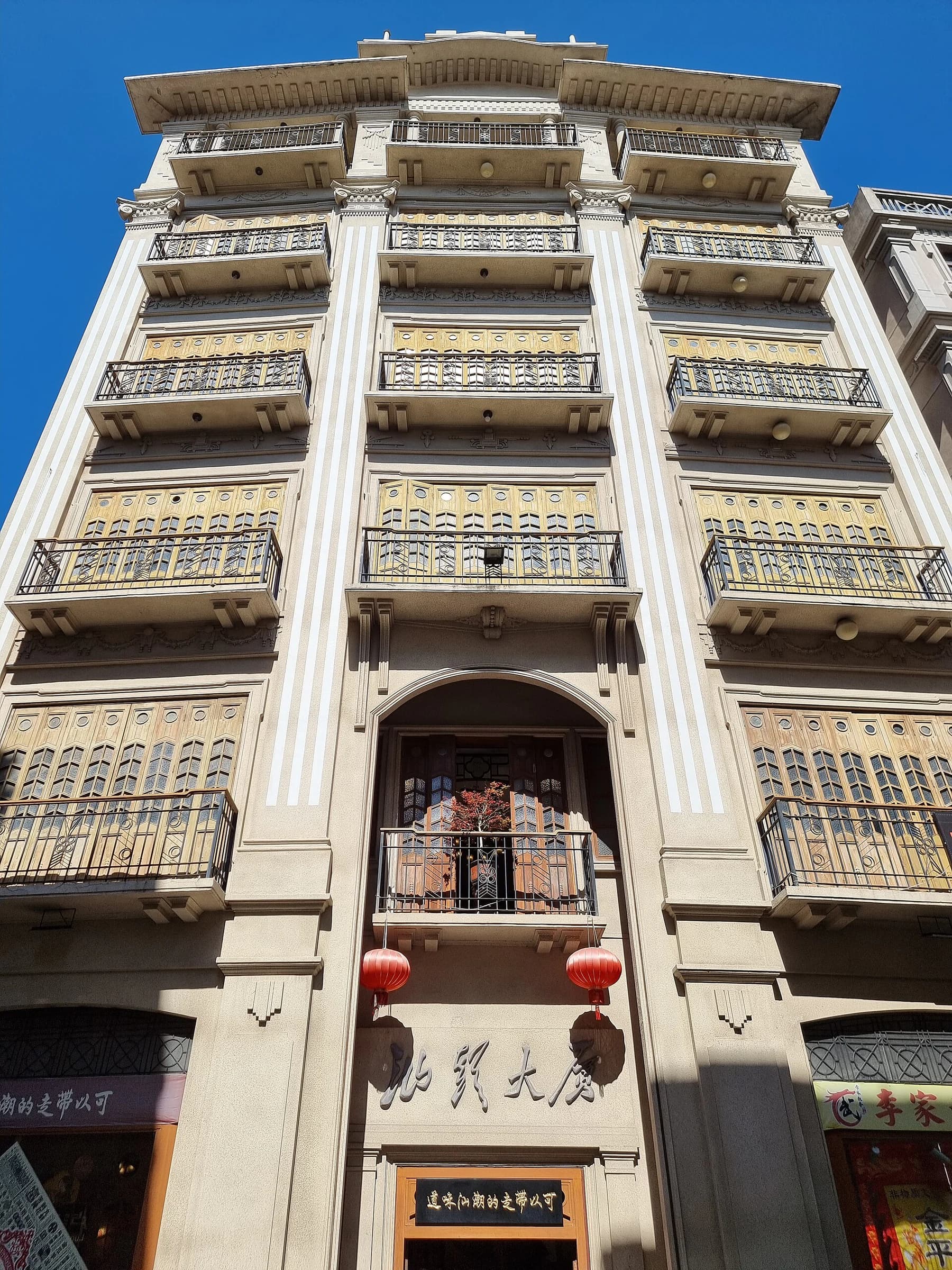
The arches give the district rhythm, not a complete story. Look above current storefronts for older upper floors, rooflines and the relationship between commercial fronts and quieter homes. Side lanes reveal the lived-in city; Kaiyuan Temple changes the pace; Jilue Huanggong Shrine shows how Chaozhou woodcarving becomes part of architecture rather than a portable souvenir.
This is why Paifang Street and the Ancient City belong in one guide. A street-only photo route would miss the religious, residential and craft layers, while a monument checklist would leave too little time for food and ordinary city life.
A daylight walk with no forced backtracking
1. Paifang Street and the side lanes
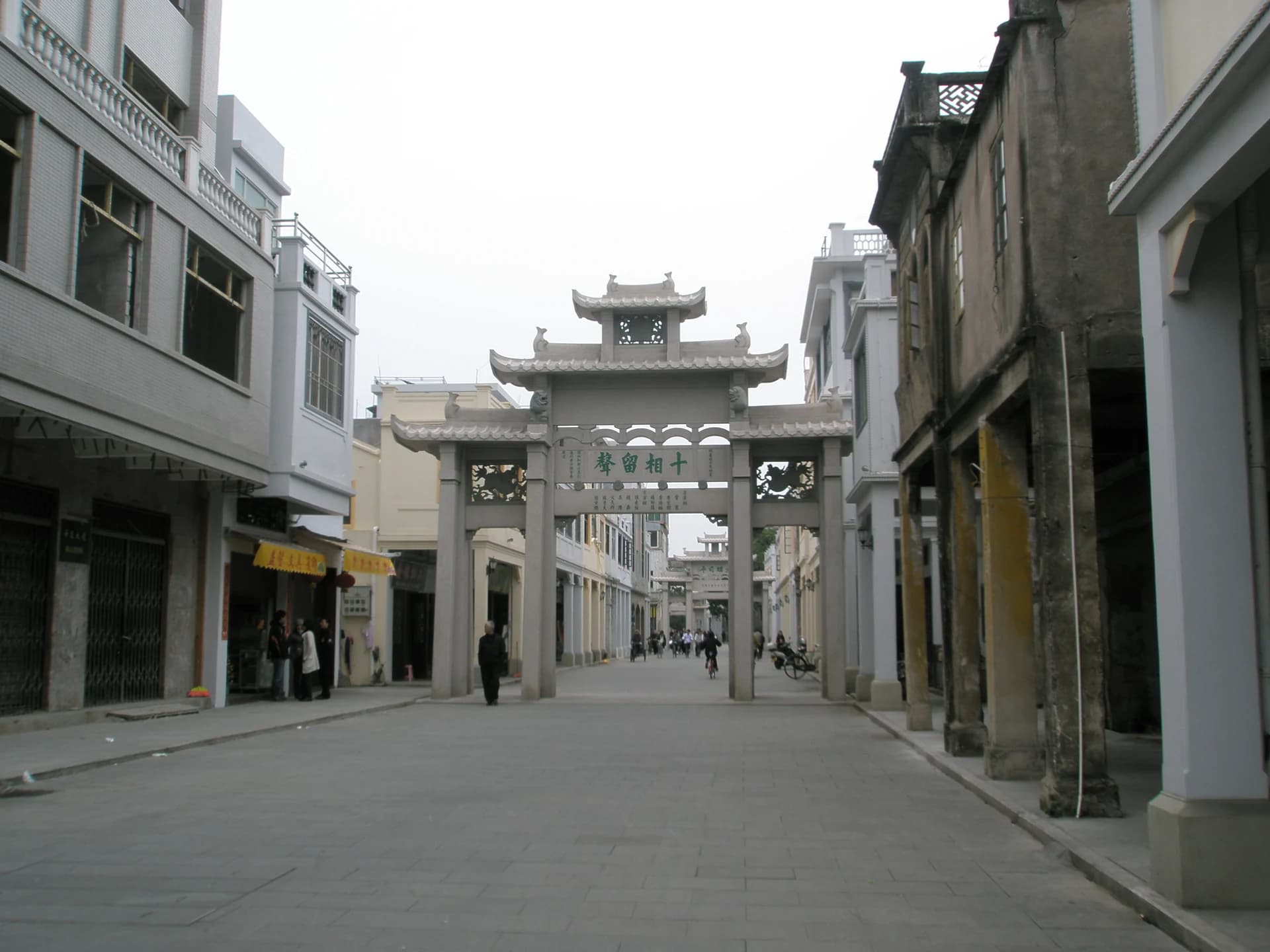
Begin on Paifang Street (牌坊街) and walk in one direction, using one or two side lanes rather than entering every commercial branch. Read the inscriptions and arch sequence, then let the quieter residential fabric slow the route.
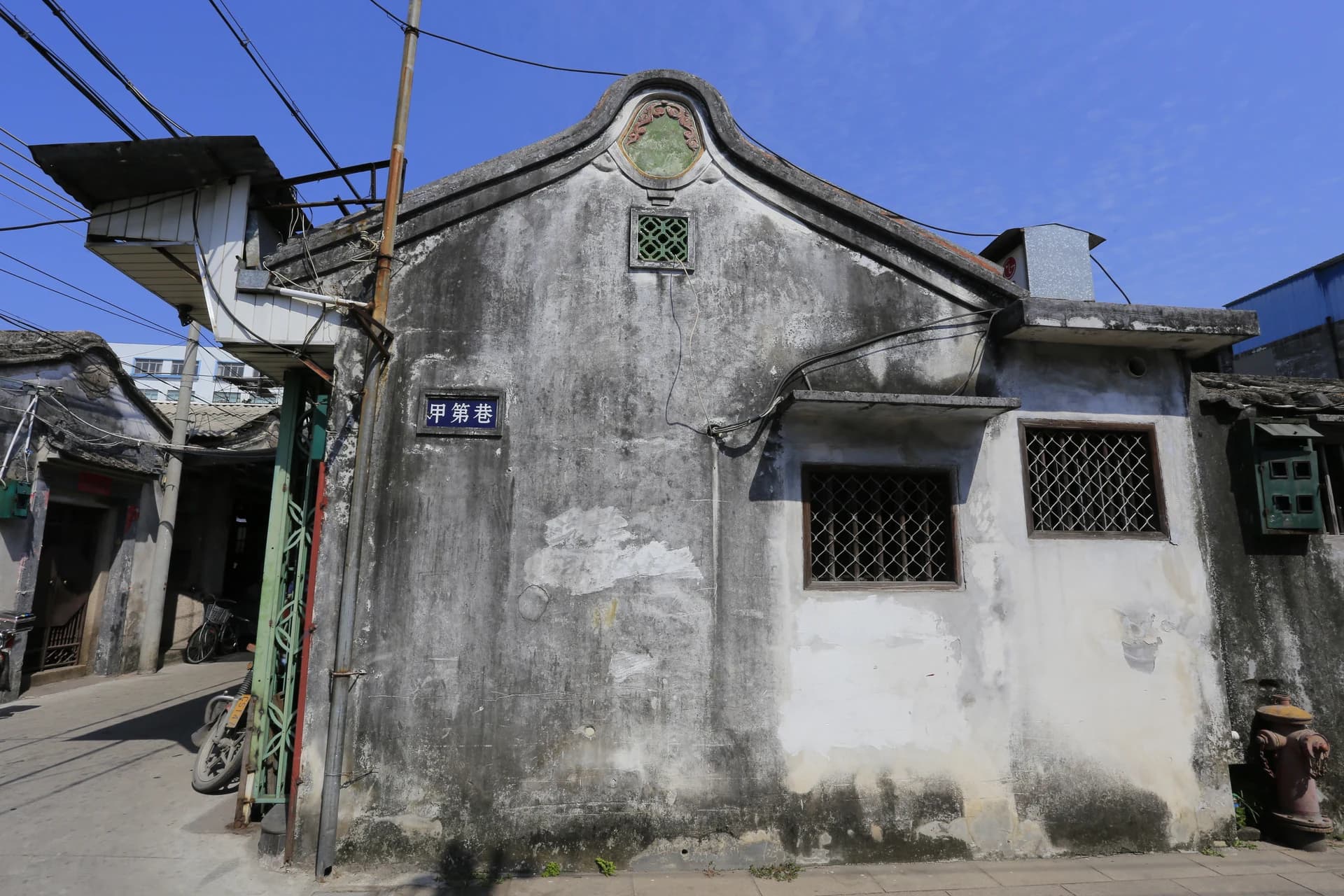
Photo: Zhangzhugang · Source · CC BY-SA 4.0
Homes and narrow lanes are not museum sets. Keep doorways clear, photograph residents only with permission and treat visible interiors as private unless signs explicitly invite entry.
2. Chaozhou Kaiyuan Temple
Continue to Chaozhou Kaiyuan Temple (潮州开元寺), carefully distinguished from the temple of the same name in Quanzhou. Its courtyards, tiled roofs and religious life make it a quiet counterpoint to the commercial street. Follow the current entrance and staff directions, step around thresholds and keep voices low near worshippers. Do not promise access to every hall; ordinary opening and active spaces can change.
AMap's 21 August 2026 model placed the Paifang Street anchor about 0.8 km / 12 minutes on foot from the temple. The exact distance varies with your starting point on the long street.
3. Jilue Huanggong Shrine and woodcarving
The next useful layer is Jilue Huanggong Shrine (己略黄公祠). Its dense openwork and gilded carving show a local technique integrated into beams, brackets and ceiling space. Look at how several carved layers create depth; this is more revealing than assuming every nearby craft shop is a workshop.
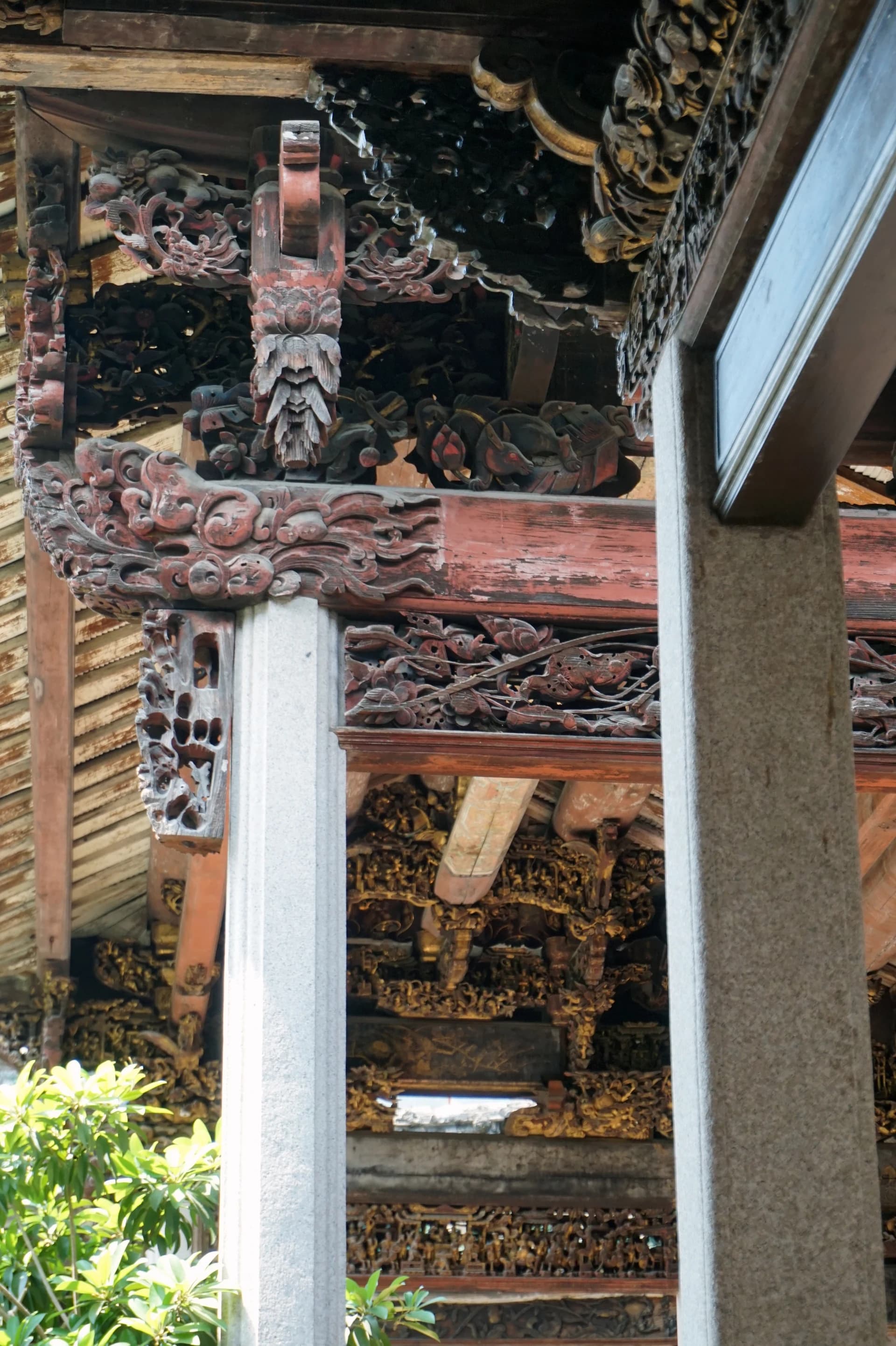
Photo: 三猎 · Source · CC BY-SA 4.0
The dated AMap walk from Kaiyuan Temple to the shrine was about 0.5 km / 7 minutes. Treat access to the interior separately from the public walk and check the current doorway rather than assuming the presence of a map pin means it is open.
4. Guangji Gate and the Han River
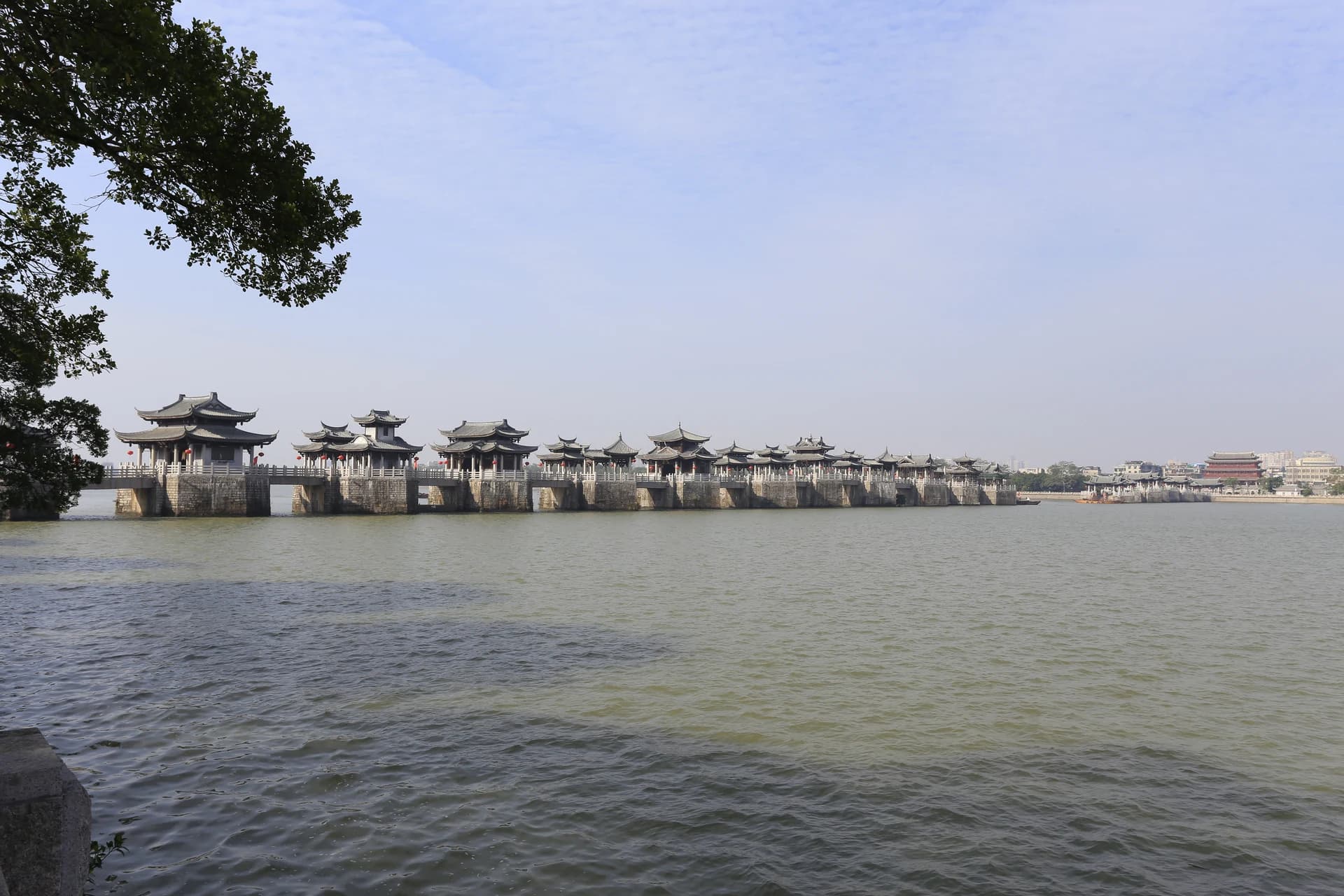
Finish the architecture block at Guangji Gate Tower (广济门城楼) and the river edge. The Guangji Bridge guide helps you choose a free riverbank structure view or a paid bridge visit. Keep the bridge decision separate from the old-city streets: one ticket does not cover the district, gate tower, temple and bridge.
Use food and tea as the day's pacing
Chaozhou food is too varied for a single “must-eat” list. A practical day uses one warm breakfast, one proper lunch or dinner, one or two small snacks, then dessert, seasoned fruit or tea as a rest. Beef noodles or hotpot, braised goose, rice-noodle rolls, fish dumplings, oyster omelet, congee and sweet soups are categories to choose from, not checkpoints to finish.
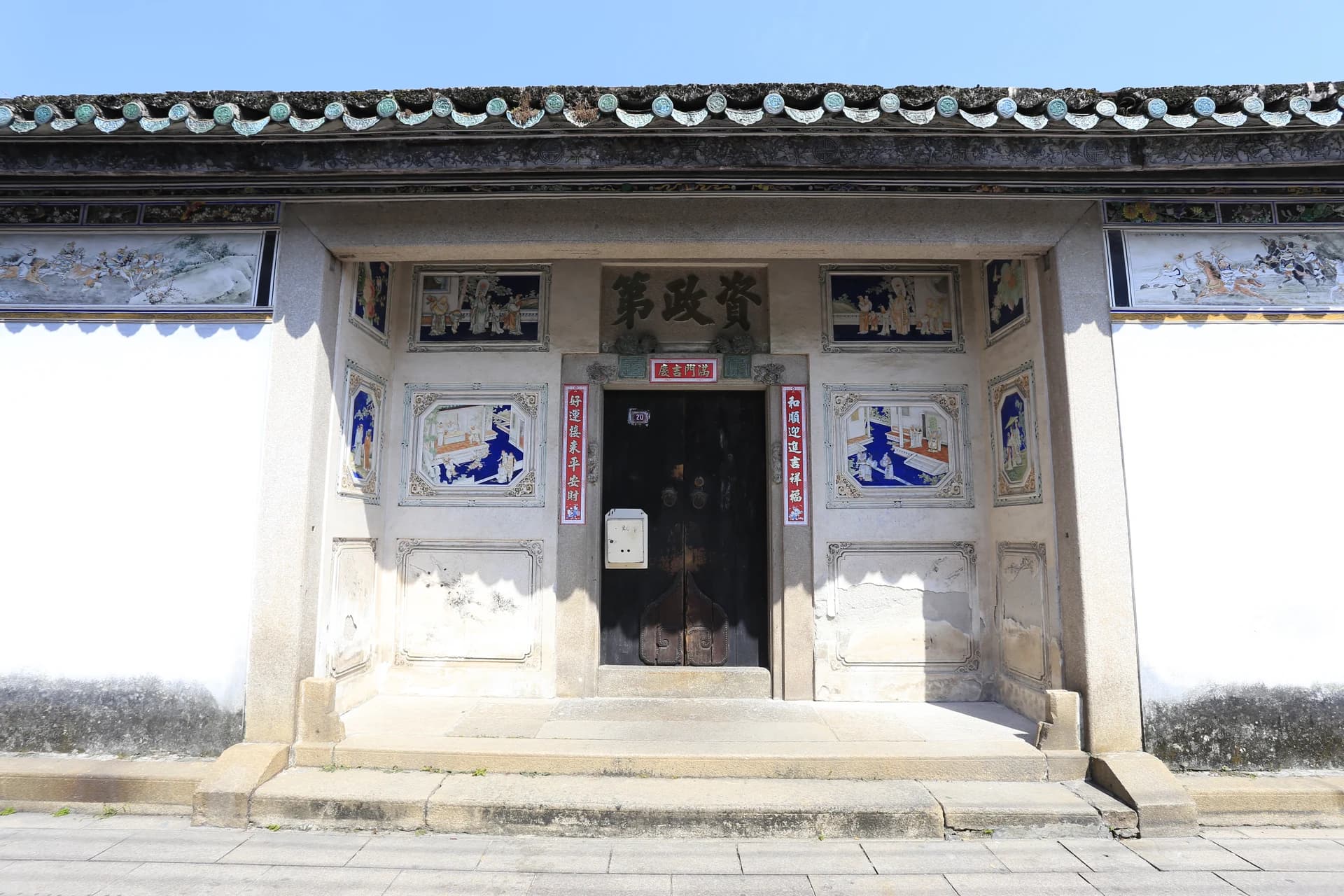
Photo: Zhangzhugang · Source · CC BY-SA 4.0
For an optional seated cultural stop, the Zaiyang Teahouse tea-and-opera experience on Trip.com currently pairs a short performance with one serving of Fenghuang Dancong tea and simple refreshments. Verify the selected time, seating, minimum booking and cancellation terms. Reception may use a translation device instead of fluent spoken English, and the product is not a tea-making class, full meal or guided old-city walk.
Choose morning or late afternoon
Morning suits cooler, quieter lanes and an earlier temple visit. Pause over lunch or tea rather than forcing a continuous outdoor loop through the hottest hours.
Late afternoon gives the walk a natural progression toward Guangji Gate and the river. Keep the route shorter and treat bridge illumination or any performance as a separate live product; do not organize the day around an undated light-show time.
Free streets, separate interiors
Paifang Street, side lanes and the public riverfront are free urban fabric. Guangji Bridge and managed monument interiors retain separate admission, booking, weekly-closure and identity-document rules. Chaozhou Kaiyuan Temple remains a living religious site, even where ordinary entry is free.
Before entering a paid or reserved interior, check its current notice and carry the original passport used for booking. There is no single proven foreign-passport workflow across all old-city monuments, and a city-wide foreign-card initiative does not guarantee every counter or form works the same way.
Getting to the walk
Use the Chaozhou Ancient City Visitor Service Centre as a bounded external-arrival target rather than the broad Ancient City centroid. It sits near Guangji Gate and the bridge's west-side ticket area; Paifang Street extends north from the core, so the route can be reversed when the river is your starting point.
AMap's 21 August 2026 model placed the visitor centre about 1.1 km / 15 minutes on foot from its Paifang Street anchor. Vehicle controls apply in the old city. Drivers should follow the current legal arrival and parking instructions rather than expecting door-to-door access inside the lanes.
Keep the day comfortable
Stone paving, heat and sudden rain make breathable clothing, water and shoes with grip more useful than an overfilled stop list. Plan one seated pause and keep the northern Xu Mansion extension optional. Current tenants, food stalls and workshops change; choose clean, busy food counters with clear pricing rather than relying on an old merchant list.
This route rewards attention: arches for the civic spine, lanes for lived texture, the temple for religious continuity, woodcarving for craft, and the river for the finish.