Chaozhou
Chaozhou (潮州, Cháozhōu) is one of southern China's most satisfying compact city breaks. Monumental arches lead into lived-in lanes, Chaozhou Kaiyuan Temple adds a quiet religious and architectural pause, gilded woodcarving rewards close looking, and meals naturally break up the walk. At the Han River, Guangji Bridge turns the city story into an ingenious fixed-and-floating structure.
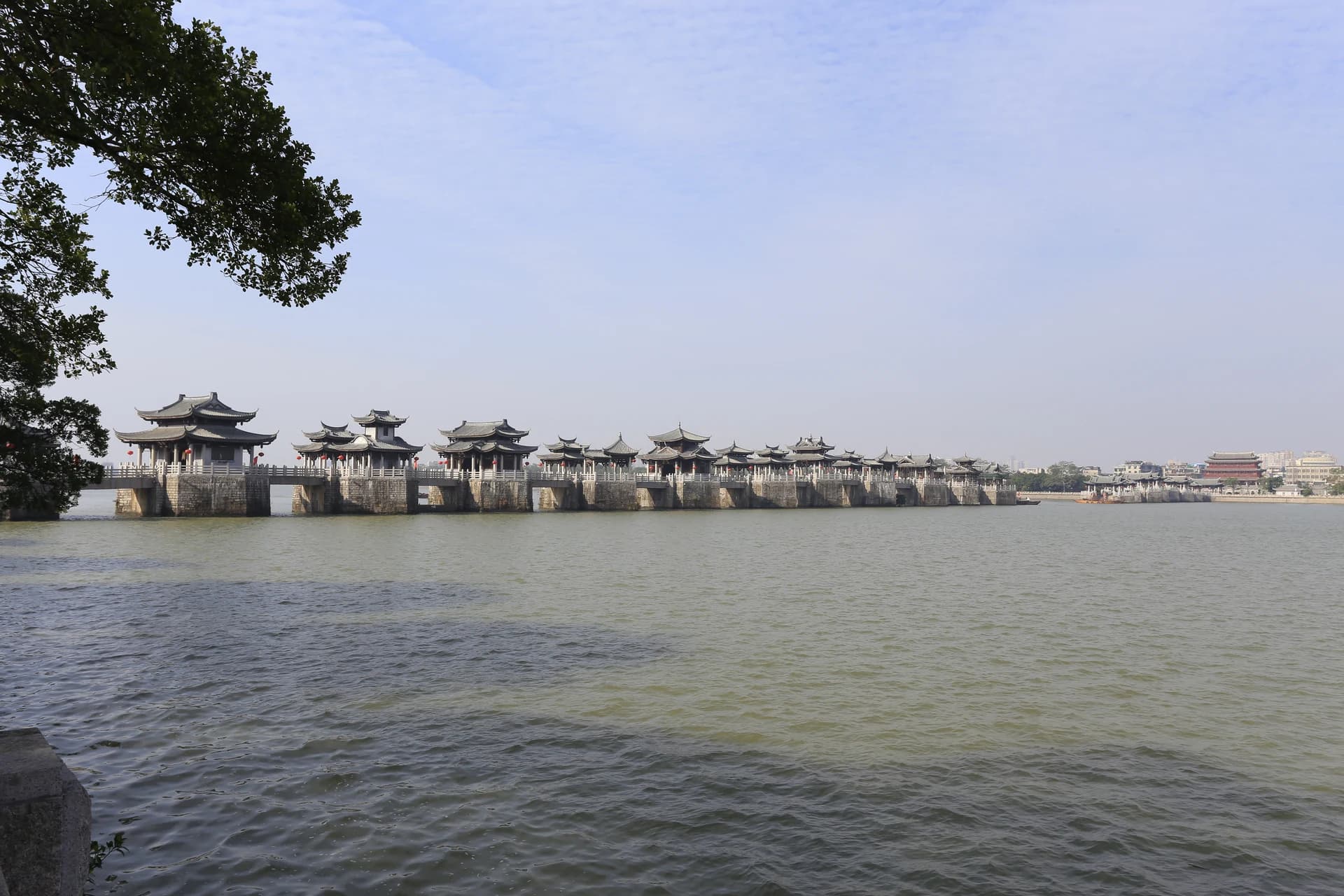
Photo: Zhangzhugang · Source · CC BY-SA 4.0
The strongest first trip uses the old-city edge as a base, protects time for food and gongfu tea, and treats the bridge as a flexible product whose floating connection can change with river and operating conditions.
Continue through Chaoshan
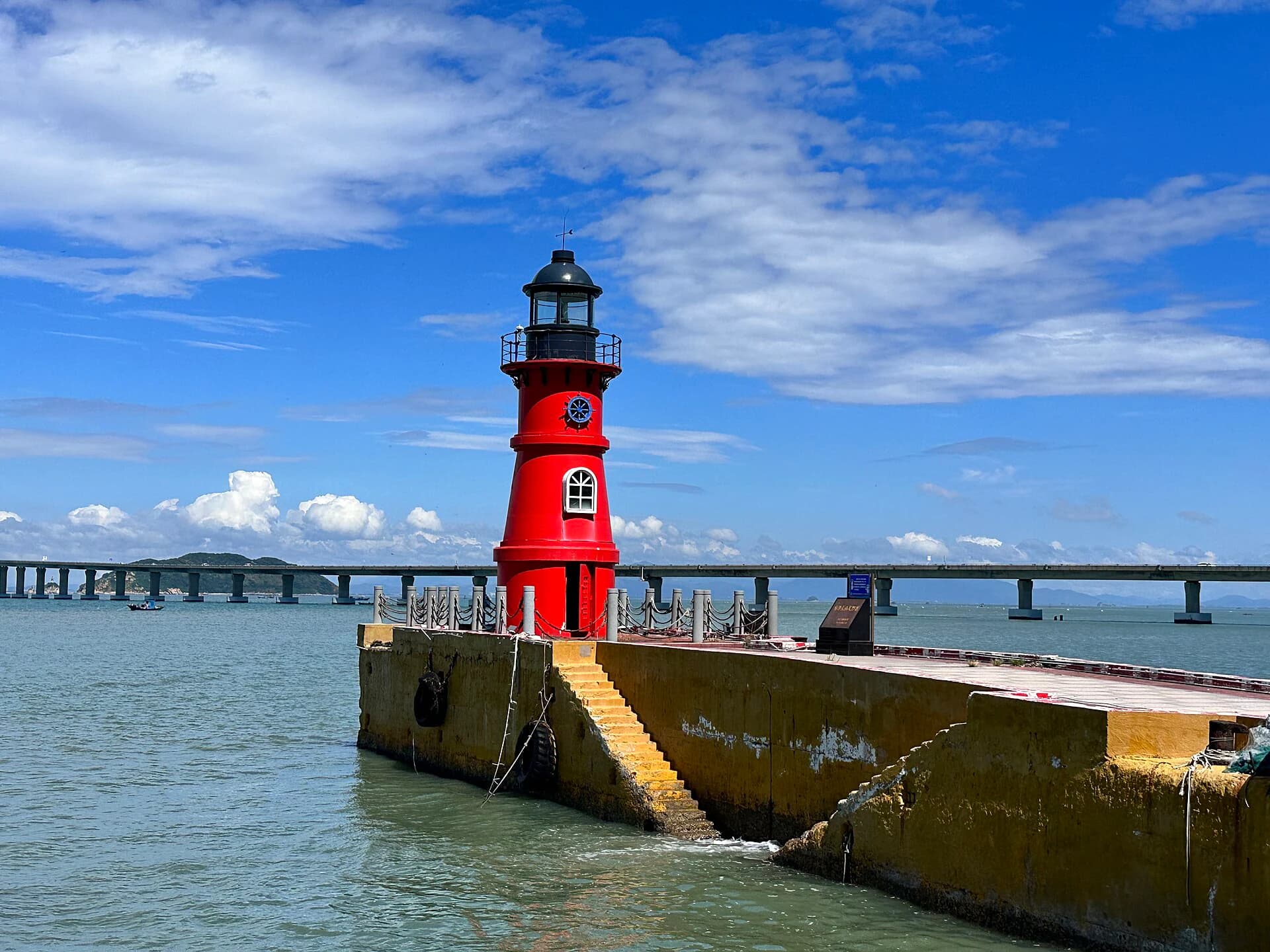
The published three-day corridor gives Chaozhou a full walking day before moving once to Shantou and reserving a separate road day for Nan'ao Island. Keep two nights in two bases; add a third night when arrival or departure consumes useful time.
Choose one, two or three days
| Trip shape | Best for | Useful sequence |
|---|---|---|
| One compact day | A short stop with architecture and food as equal priorities | Paifang Street → residential lanes → Chaozhou Kaiyuan Temple → one woodcarving stop → Guangji Gate and the river |
| Two days — recommended | A first visit without rushing meals or the bridge decision | Day 1 old-city depth; Day 2 Guangji Bridge plus Han Wengong Shrine if the crossing and shrine access work, or a west-bank museum/tea alternative |
| Three days / two nights | Slower craft, tea and repeat walks at different times of day | Keep the first two days, then deepen food and craft or add a separately planned excursion |
Do not automatically fill day three with Phoenix Mountain or Longhu Ancient Village. Both need a separate transport and operating plan. Chaozhou is already rewarding when the extra time goes into slower lanes, one proper tea session and meals with enough appetite between them.
Walk the old-city spine
The Chaozhou Ancient City and Paifang Street guide follows the useful daylight sequence: Paifang Street, side lanes, Chaozhou Kaiyuan Temple (潮州开元寺), the woodcarving at Jilue Huanggong Shrine, then Guangji Gate and the river. This is public urban fabric, not one admission-managed attraction; individual interiors and Guangji Bridge keep their own access rules.
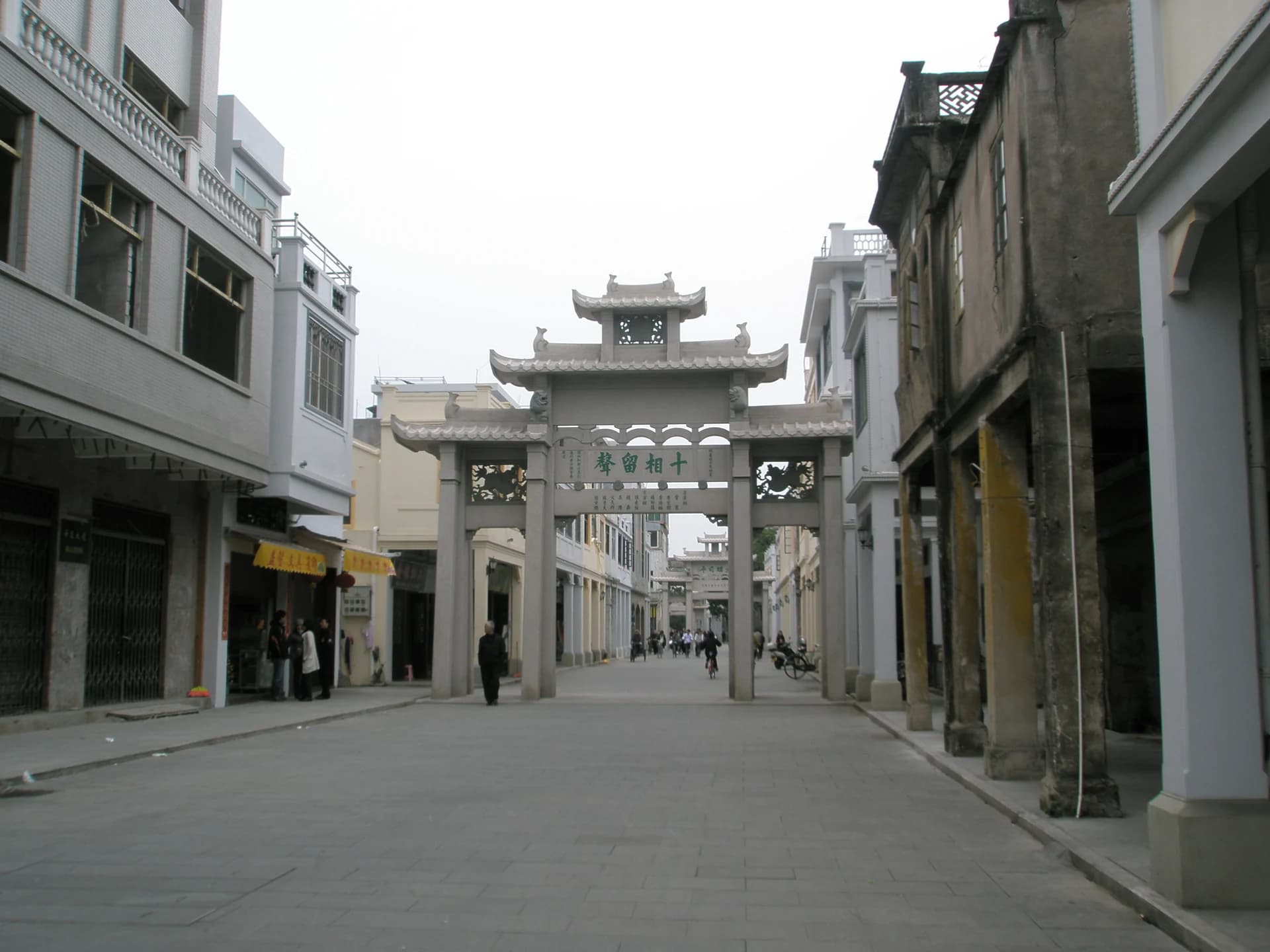
AMap's 21 August 2026 walking models put the Paifang Street anchor about 0.8 km / 12 minutes from Chaozhou Kaiyuan Temple, and the temple about 0.5 km / 7 minutes from Jilue Huanggong Shrine. Those estimates make a walk-first day realistic, while side lanes, meals and open interiors determine the actual time.
Kaiyuan Temple is an active religious place as well as a historic monument. Enter quietly, follow staff directions around worship spaces and do not treat a closed hall as an invitation to look for another entrance. It belongs in the old-city walk; it does not need a separate cross-city plan.
Build food and gongfu tea into the route
Chaozhou joined UNESCO's Creative Cities Network for gastronomy in 2023, but the best food day is not a checklist. Start with one warm breakfast, choose one proper lunch or dinner, add only one or two small snacks, then use dessert, seasoned fruit or gongfu tea as a seated reset. Beef noodles or hotpot, braised goose, rice-noodle rolls, fish dumplings, congee and sweet soups are useful categories; order for your actual appetite and ask the price before adding seafood or weight-based dishes.
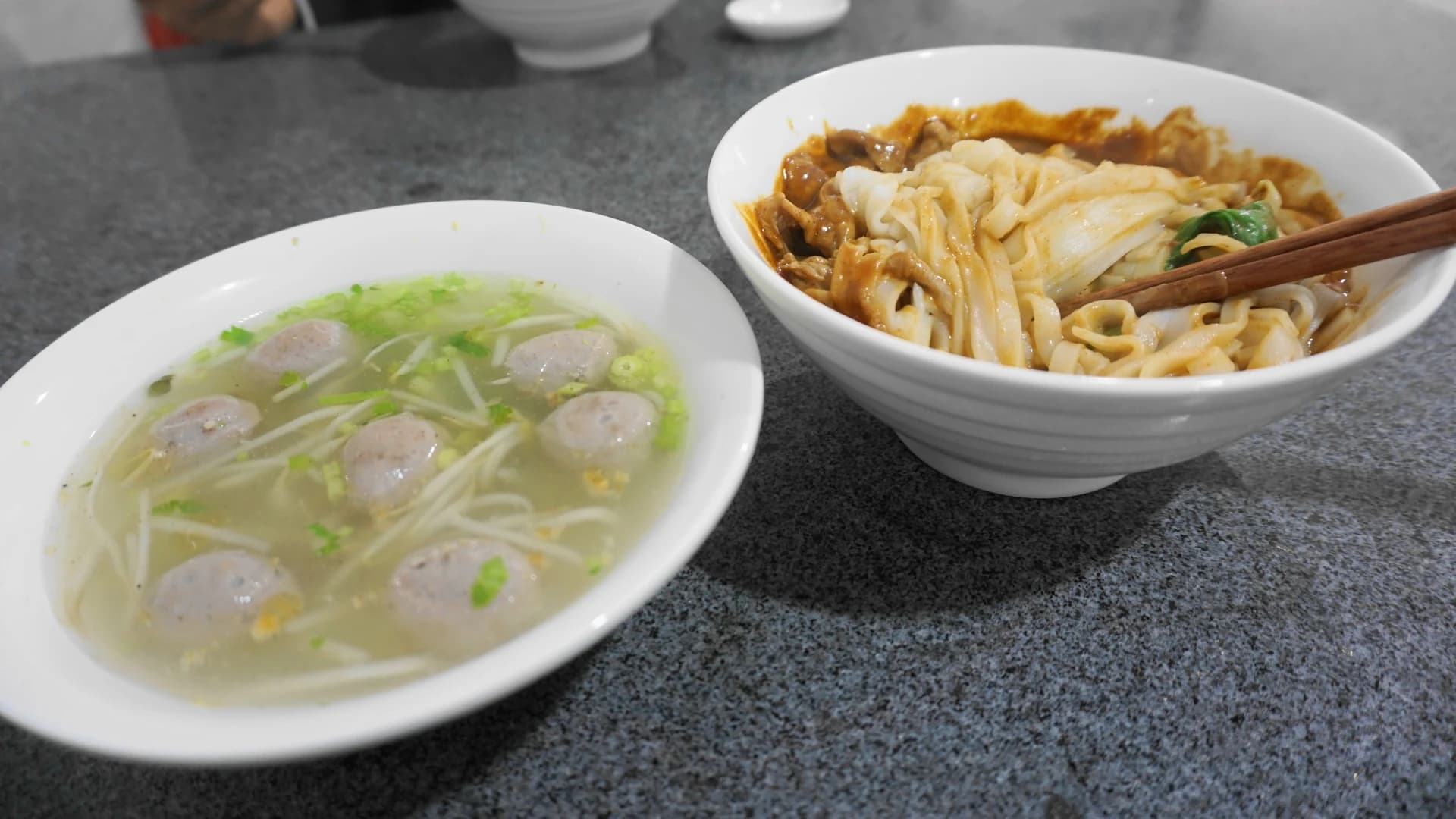
Photo: DragonSamYU · Source · CC BY-SA 4.0
For a compact seated introduction, the Zaiyang Teahouse tea-and-opera experience on Trip.com currently combines a short performance, one serving of Fenghuang Dancong tea and simple refreshments. Check the chosen session, seating and cancellation terms; reception may rely on a translation device rather than fluent spoken English, and this is not a full opera or tea-making class.
The craft layer is equally specific. At Jilue Huanggong Shrine, look for multilayer openwork and gilded Chaozhou woodcarving integrated into the building rather than treating every souvenir counter as a workshop.
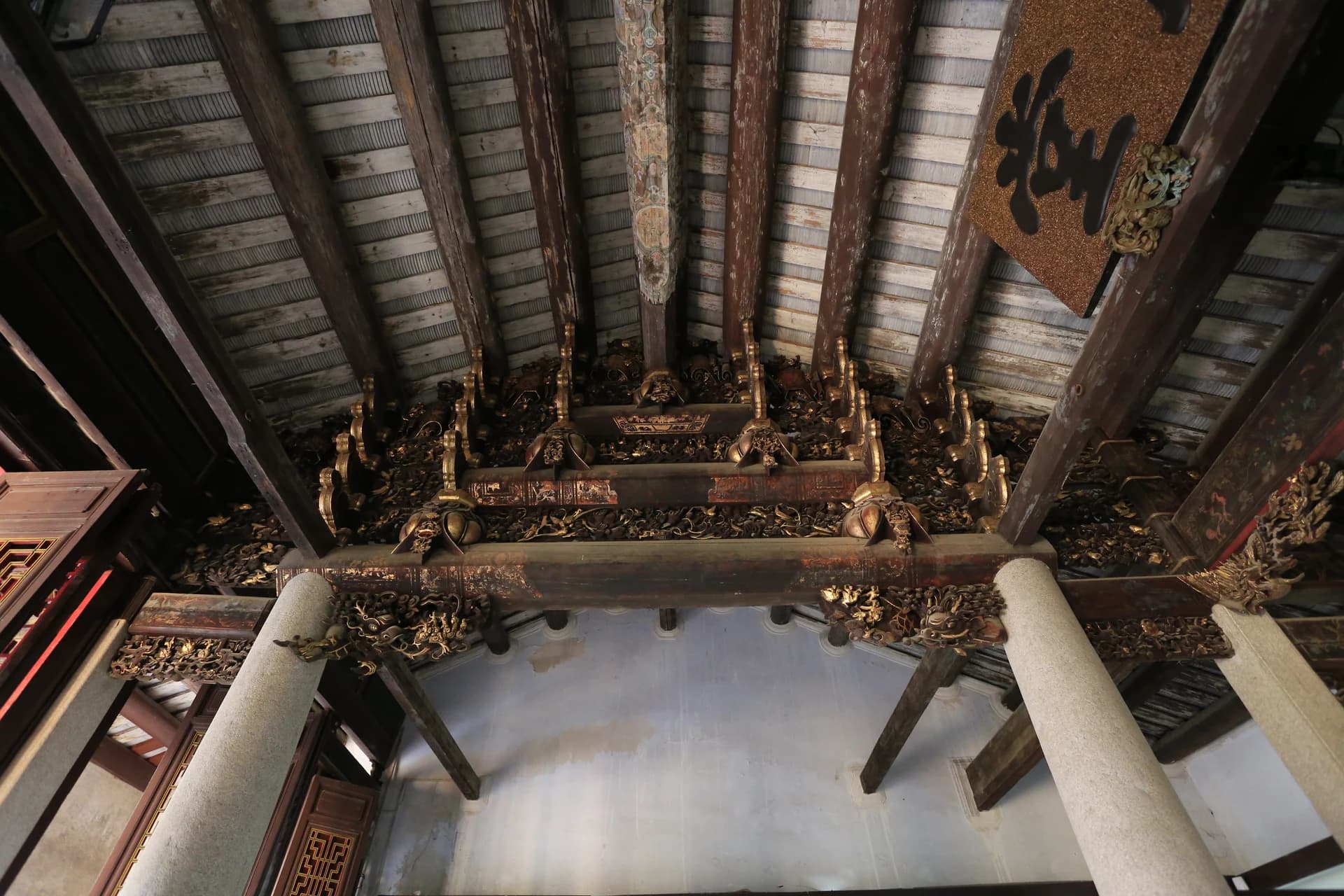
Photo: Zhangzhugang · Source · CC BY-SA 4.0
Choose the old-city base
Paifang Street or Guangji Gate edge — first choice
This is the useful base for a first visit: the main walk, food breaks and riverfront evening are close enough to repeat without another road transfer. Compare Chaozhou stays on Trip.com, then map-check the exact property against Paifang Street or Guangji Gate. Hotel marketing may use “Ancient City,” “Guangji Bridge” or “Chaoshan” for a much wider area.
Xima Road or West Lake side — quieter alternative
Choose this side when breakfast and a calmer edge matter more than being beside Guangji Gate. It remains a secondary base: check the real walking route, foreign-guest policy, luggage handling and late check-in on the exact room page.
Chaoshan Station, Chaozhou Station and the airport are arrival names, not sleeping-base recommendations. A station-area room saves little if both sightseeing days begin in the old city.
Arrive at the place on your ticket
Chaoshan Station (潮汕站) is the main high-speed-rail arrival for this trip and is south of the old city. It is not Chaozhou Station (潮州站). AMap's 21 August 2026 road model from Chaoshan Station to the Ancient City Visitor Service Centre was about 24 km / 51 minutes. This is a traffic snapshot, not a taxi price or rail timetable.
Jieyang Chaoshan International Airport is in Jieyang. The dated road model to the same old-city target was about 26 km / 57 minutes. Do not infer a fixed airport bus from the regional name; confirm the live transfer and save the Chinese old-city target before arrival.
The old city is best handled on foot after luggage is dropped. Vehicle controls and legal parking can change, so drivers should use current navigation and the current visitor-arrival instructions rather than aiming at the broad Ancient City map centroid.
Bridge, weather and live access
The Guangji Bridge guide separates a riverbank structural view from a paid bridge visit and a possible through-crossing. The 2026 ordinary-season notice gives a useful baseline, but the floating section has already had a maintenance interruption this year. Check the same-day connection, ticketing and intended exit side before building Han Wengong Shrine into the route.
Summer heat and sudden rain make a continuous midday march poor pacing. Use morning for lanes and temple courtyards, take a long food or tea pause, then reach the river later. River conditions, heavy rain and special events can change bridge access independently; a map line across the Han River does not prove that the crossing is operating.
Illustrated guides
The best Chaozhou plan is simple: sleep near the old city, walk in coherent blocks, leave room for one real meal and one tea pause, and let the live bridge state decide the east-bank extension.