Zhangye Giant Buddha Temple
Quick verdict: Zhangye Giant Buddha Temple (张掖大佛寺) is the city's best compact history stop and a strong counterweight to the Hexi Corridor's landscape days. Allow 60–90 minutes, or close to two hours if you read the exhibitions. The main draw is not a list of halls but the rare Western Xia main hall and its monumental indoor wood-frame clay reclining Buddha.
Put the main hall first
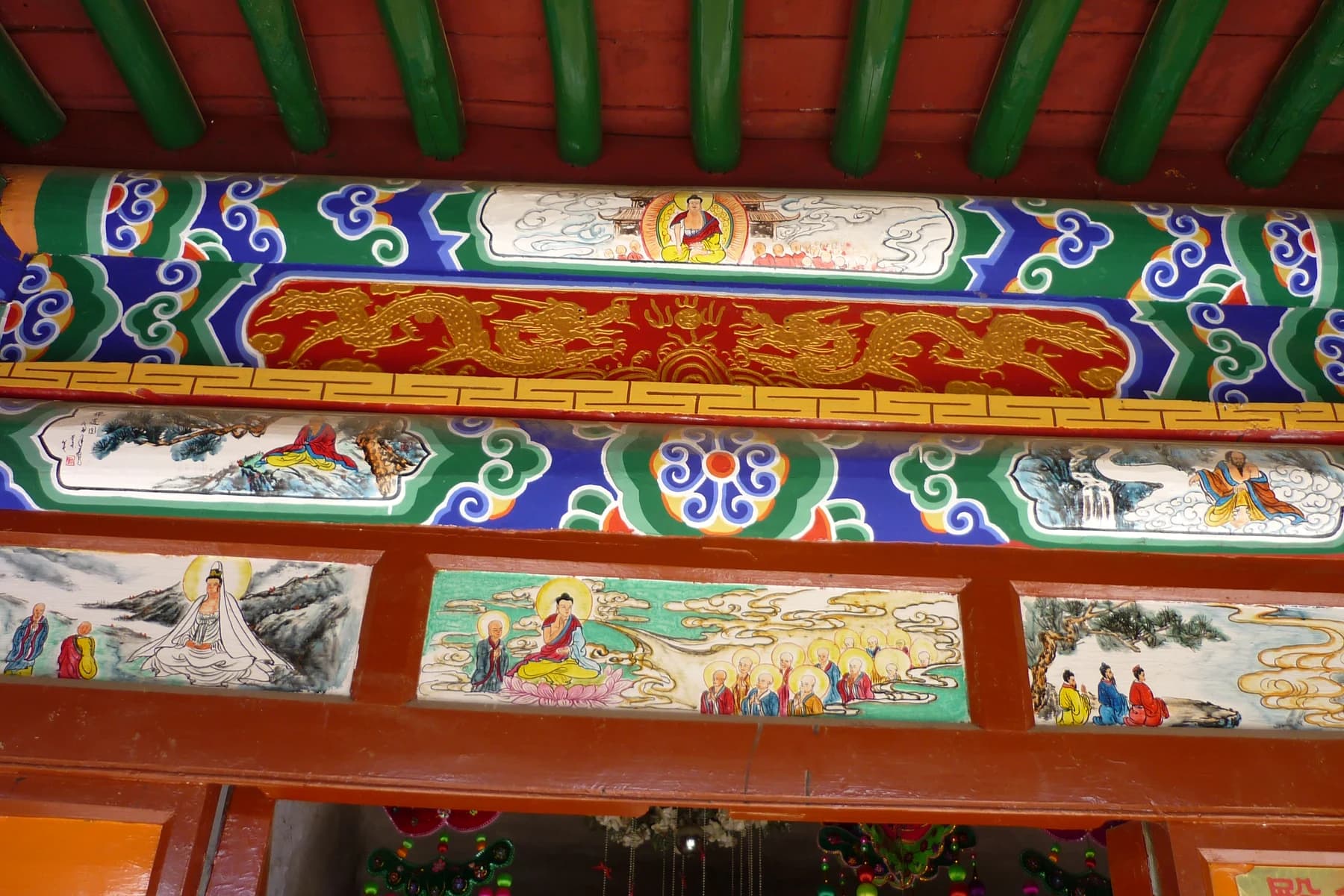
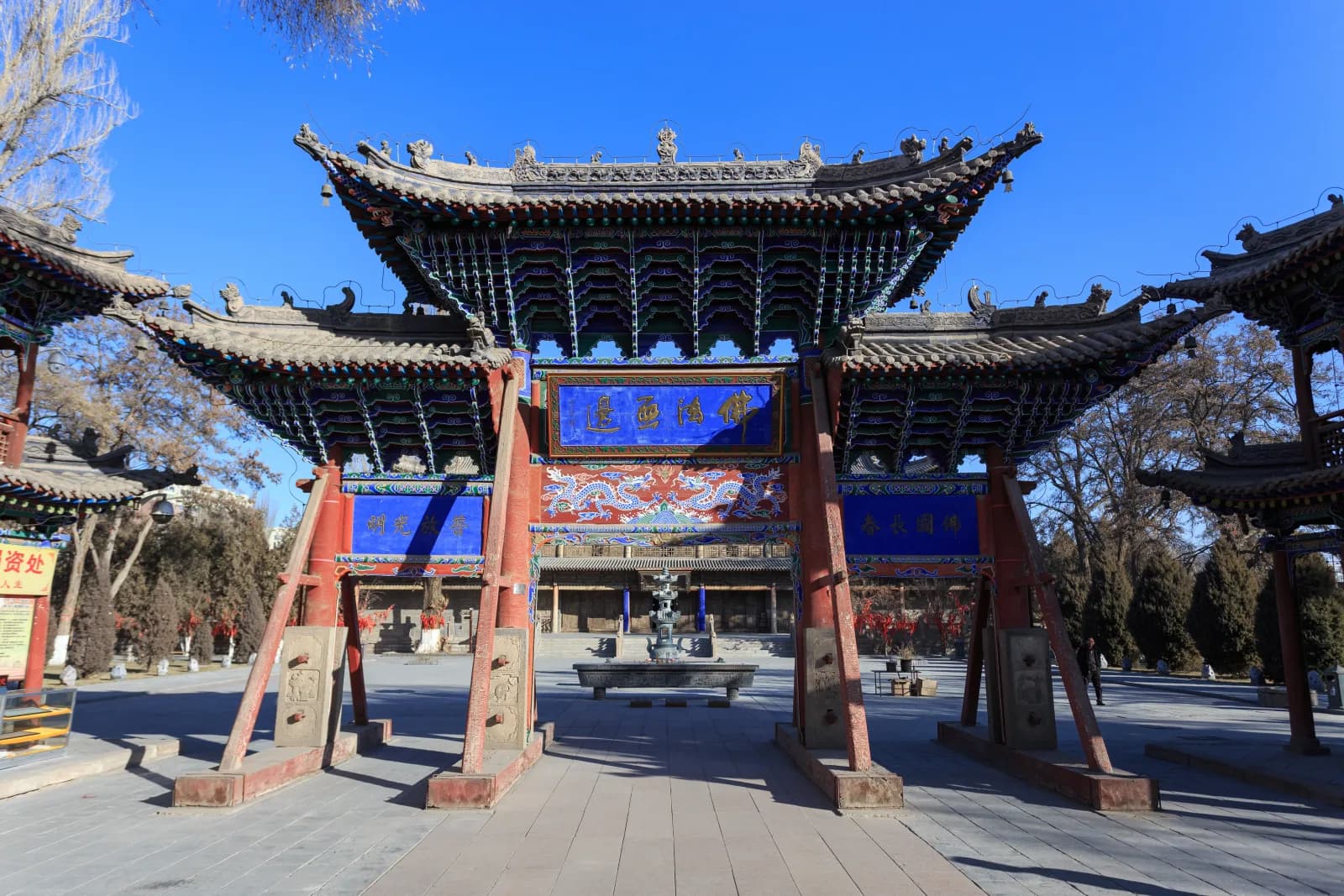
Walk the central axis to the Great Buddha Hall before tour groups build up. Pause outside to read the timber structure, then enter quietly and give your eyes time to adjust. The reclining image is so large that a rushed circuit turns it into a single photograph; look instead at the relationship between the Buddha, surrounding figures, painted surfaces and the hall that contains them.
Photography restrictions can differ between rooms and conservation periods. Follow the posted rule and staff direction rather than relying on an old visitor photo. Flash, tripods and close crowding are poor choices even where a phone is permitted.
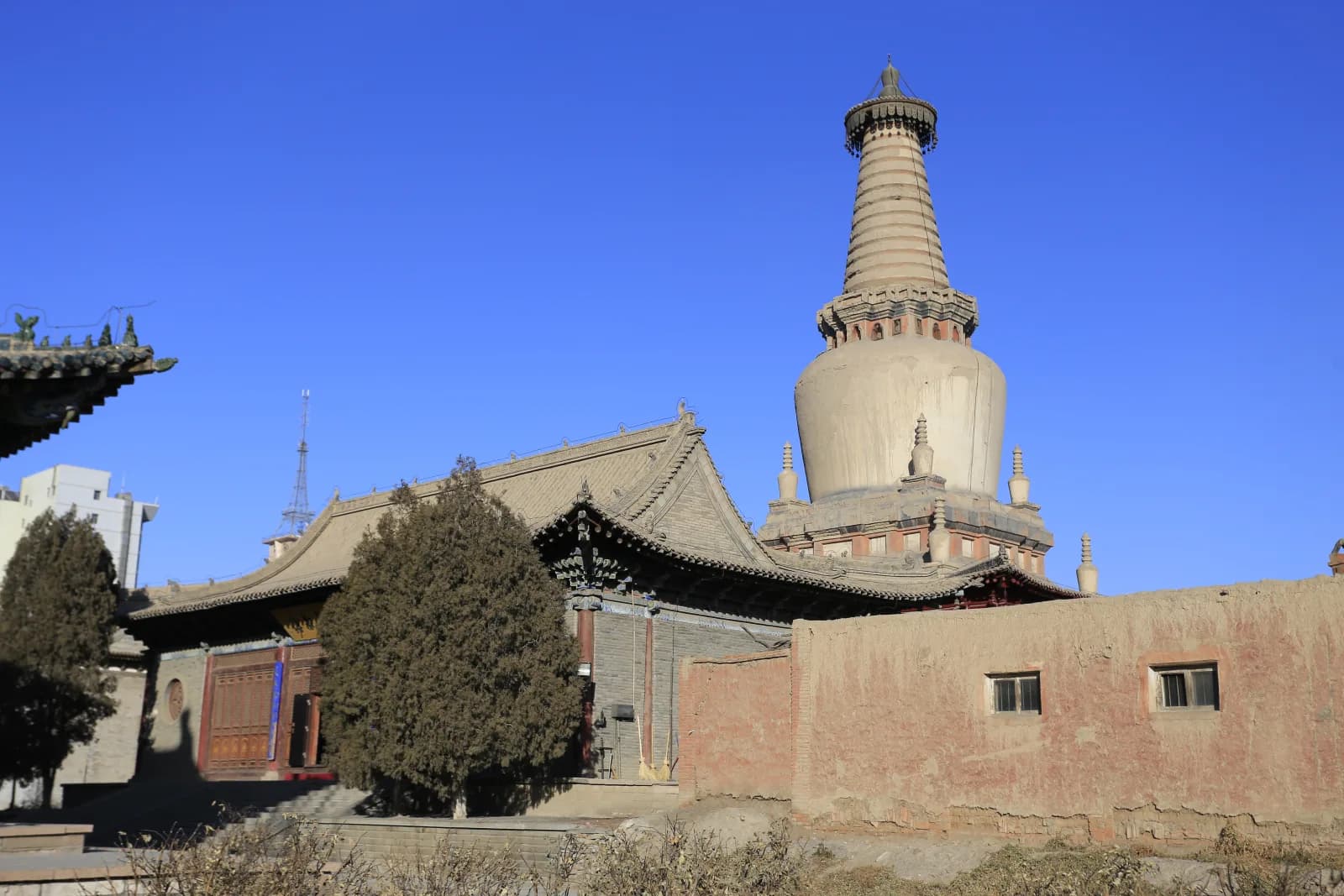
Continue through whichever exhibition rooms are open, then separate the later layers of the complex: the Ming-period Amitabha Thousand-Buddha earthen pagoda, the bell and drum towers, and the Qing-era Shanxi Guild Hall. Temporary closures may shorten that sequence.
Hours, admission and location
The Zhangye municipal tourism page, updated March 2, 2026, publishes 07:00–18:30, the address 28 Minzhu West Street, and telephone 0936-8233496. Treat that as a dated baseline: confirm the selected day's last admission, open halls and any conservation work before travel. An exact Trip.com attraction listing is available for advance purchase, but the municipal venue notice controls whether a room is accessible.
Bring the passport used for booking. The temple is in the old-city core and is much easier to reach than Zhangye's landscape attractions: a taxi can drop you near the pedestrian approach, and many central stays are within a manageable walk. Search the Chinese name 张掖大佛寺 to avoid confusion with other “Dafo” temples.
Comfort and access
Courtyards provide pauses, but thresholds and short flights of steps break up the route. Wheelchair users should ask at the entrance which halls have a step-free alternative; do not assume the historic interiors are fully accessible. Interior lighting is deliberately low. Keep food outside, carry water discreetly and use the entrance facilities before beginning the hall sequence.
This is a protected museum and religious environment, not a performance stop. Quiet clothing and an unhurried visit work better than squeezing it into the final minutes before closing.
Build the day around distance
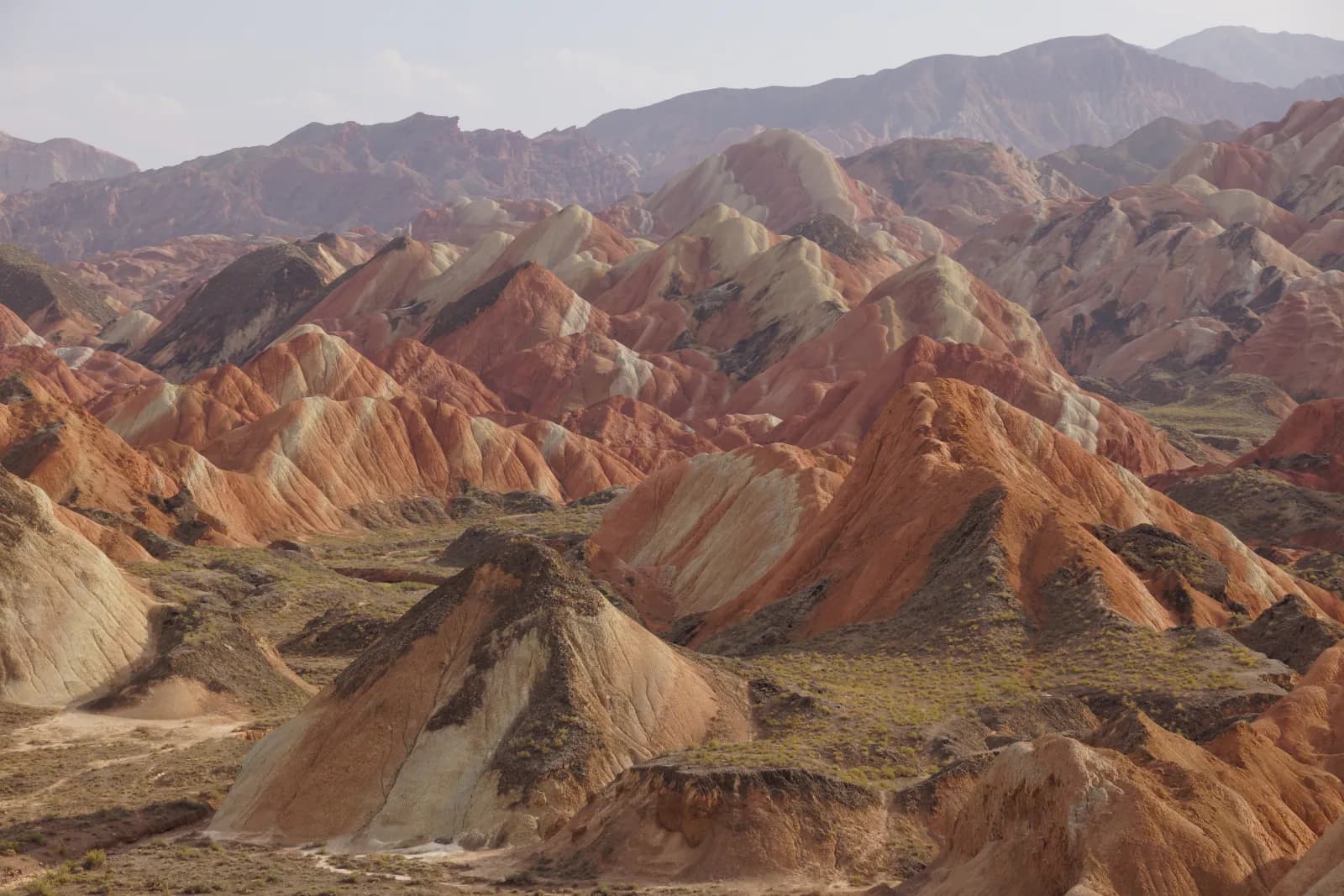
For a clear-weather day, visit the temple in the morning, eat in central Zhangye, then travel to Zhangye Colorful Danxia for afternoon light. This combination works only when the Danxia entrance and return ride are already settled. If the sky is poor, keep the day urban and spend longer here rather than forcing a muted landscape trip.
Do not combine it casually with Mati Temple Grottoes. Mati's mountain transfer and cliff stairs can consume most of a day; the Giant Buddha Temple is better used before a train, after another excursion, or as the cultural anchor of a city half-day. See the Zhangye guide for the wider plan.