Lanzhou
Lanzhou works as more than a transfer between flights and the Hexi Corridor. The city is compressed between dry hills and the Yellow River, and its most useful first visit has two distinct jobs: establish Gansu's long archaeological story at the provincial museum, then read the modern river city on foot around Zhongshan Bridge and Baita Hill.
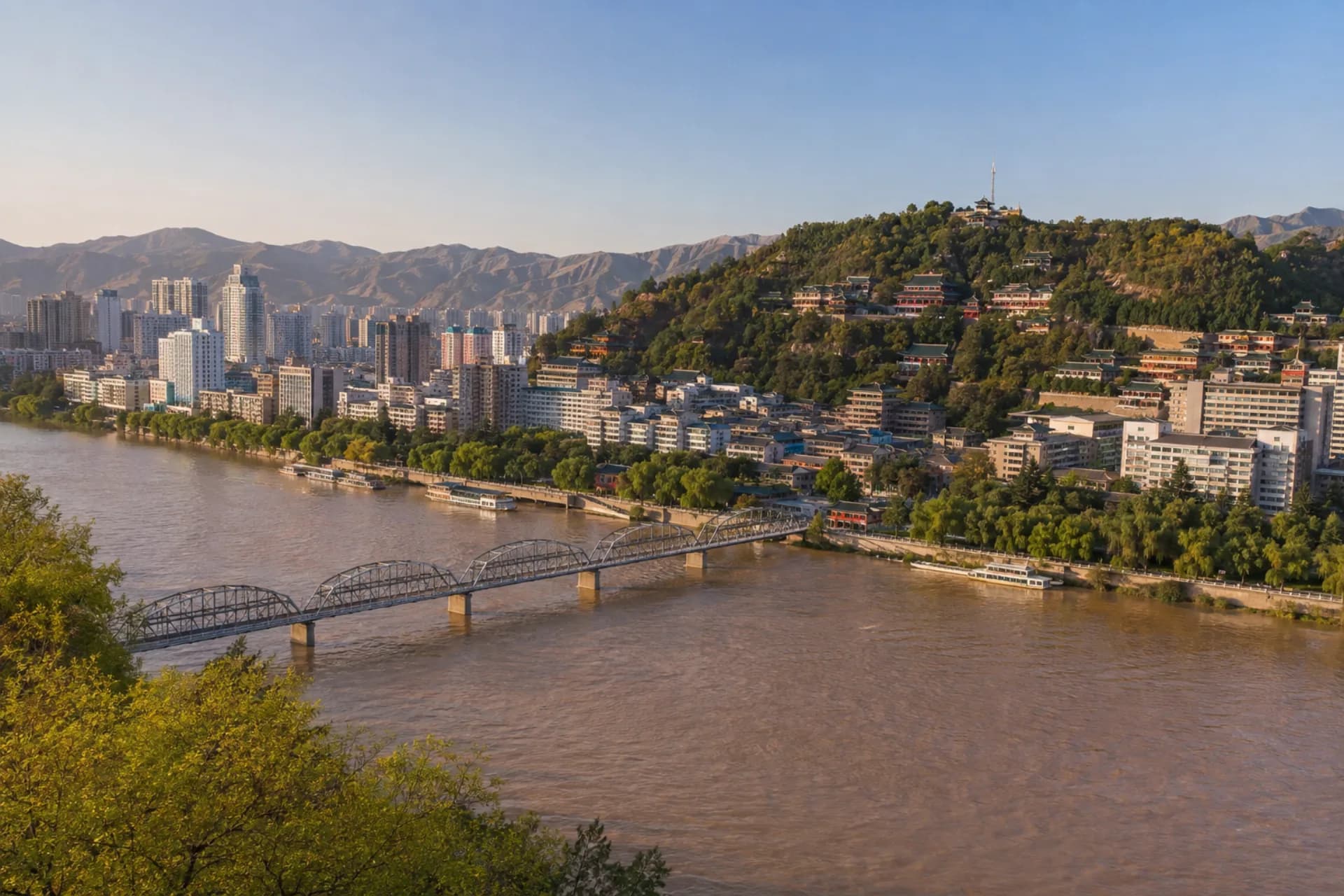
This illustrative view supports geographic orientation; current bridge, boat and park operation may differ.
How many days
One full day is enough for the Gansu Provincial Museum and the central Yellow River–Baita Hill walk. Two days let you slow the museum visit, eat without crossing the city for a famous shop, and add one second cultural venue or a verified outer landscape. A late arrival and early westbound train are a transfer, not a Lanzhou day.
A complete two-day structure
Day 1: museum, food and the river
Reserve the provincial museum first and give it a focused morning or early-afternoon block. Afterward, eat near the museum or Xiguan rather than joining a long social-media queue. Begin the river route at the western end only when daylight and energy allow, then move east toward Zhongshan Bridge. Cross once and climb Baita Hill only if the live gate, weather and remaining daylight are suitable.
Day 2: choose one second chapter
Choose an urban culture day around Lanzhou Museum, the Dunhuang Art Museum or another currently open institution, or select one outer landscape such as Water-Mo Danxia with confirmed entry and return transport. Do not combine a remote geology trip, the museum and a night train merely because a two-day post lists them together.
The two planning anchors
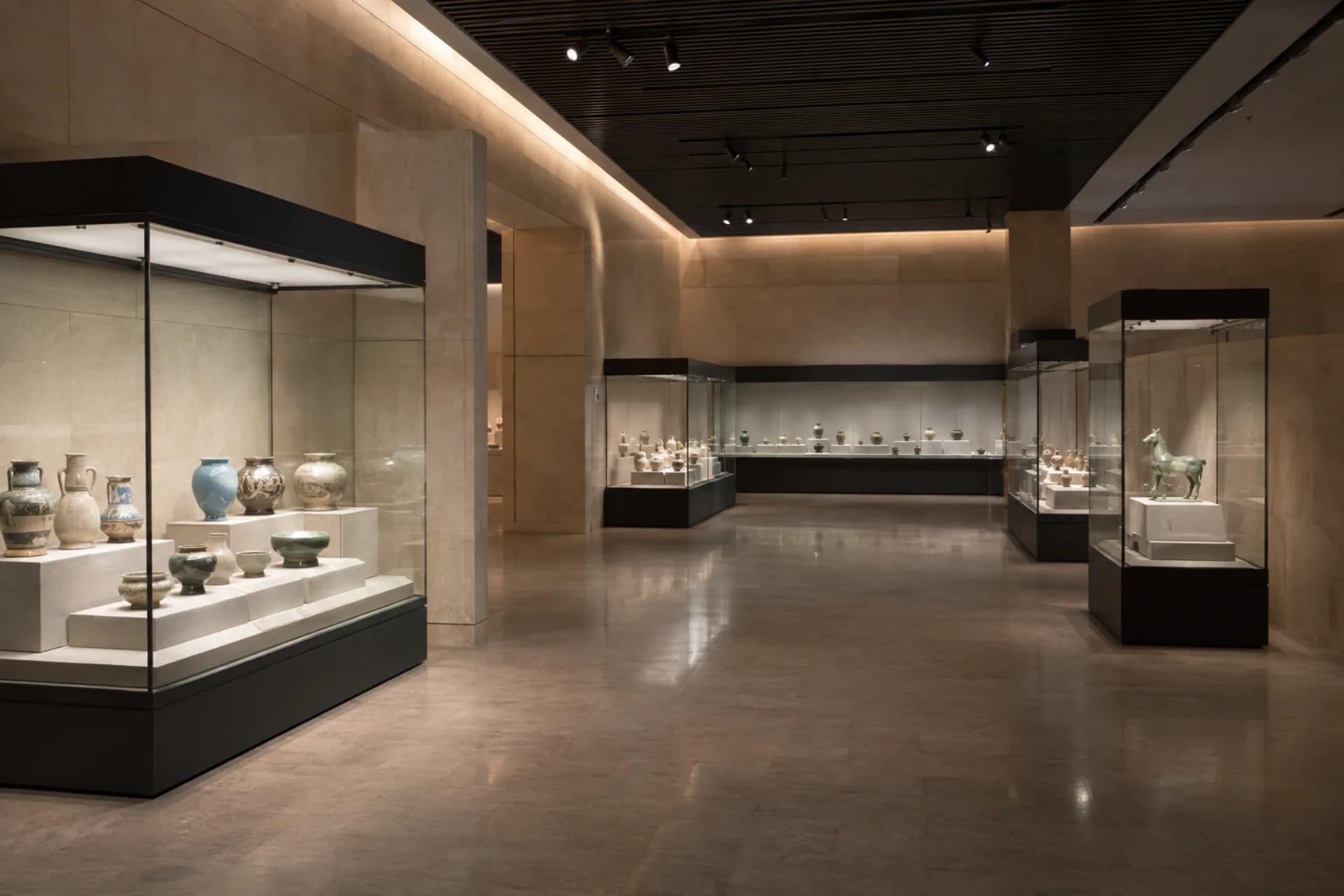
The museum and river corridor sit in different parts of the city. Treat them as two blocks connected by metro or taxi, then keep the riverside section linear. This avoids repeatedly crossing the river and climbing Baita Hill after an already long museum day.
Arrival and transport
Lanzhou West is the main high-speed rail node and is convenient for the provincial museum. Lanzhou Station serves other trains closer to the older center. Zhongchuan Airport is far outside the urban core; use the current airport rail or an authorized road transfer and protect the connection time.
Metro is the default between large city sectors. Along the river, walking is often faster than repeated short taxi rides when traffic is heavy. Boats, rafts and sightseeing products are optional and seasonal; verify the operator, boarding point, return point, life-jacket rules and weather before paying.
Where to stay
Stay near Lanzhou West for a one-night rail connection or near Xiguan/Zhangye Road for food, metro access and the central river. A room advertised as “Yellow River view” may still be far from the bridge section you intend to walk. Check the exact pin, street crossing and luggage access.
Food without a queue itinerary
Beef noodles are breakfast or a quick meal, not a single mandatory brand. Order by the shop's current system, confirm extras before paying and choose a busy nearby restaurant over a long cross-city detour. For hand-grabbed lamb, sweet fermented drinks and night-market snacks, confirm portion, price and ingredients; individual stalls and viral recommendations change quickly.
Continue through Gansu
Use Lanzhou as the eastern start of the one-way Gansu route. Continue to Zhangye, Jiayuguan and Dunhuang by confirmed rail inventory rather than returning to Lanzhou between every stop.
Compare Lanzhou hotels on Trip.com and check China train tickets.