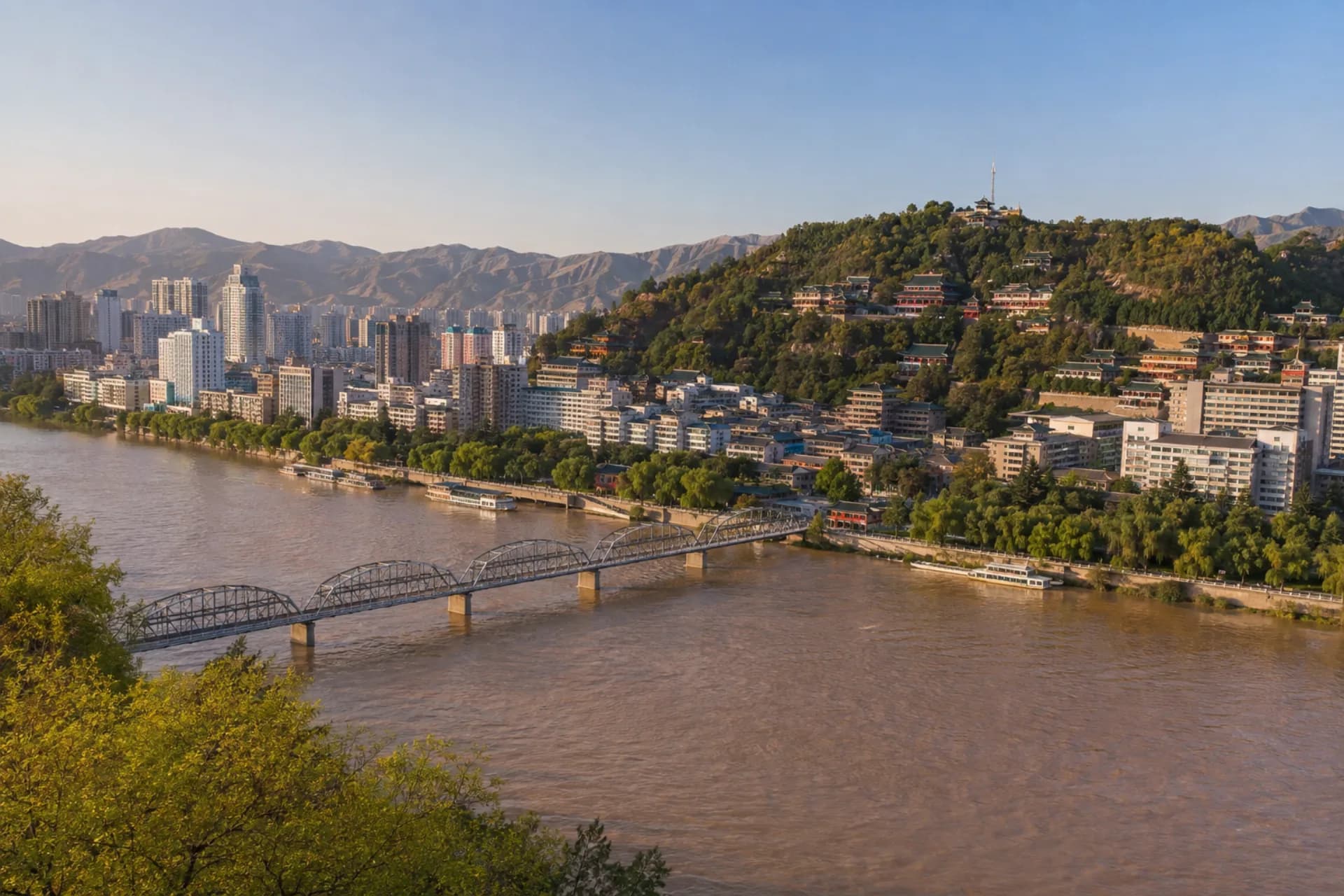
Gansu Provincial Museum
Gansu Provincial Museum is Lanzhou's best introduction to the province before travelling west through the Hexi Corridor. Painted pottery, frontier archaeology, Silk Roads exchange, Buddhist art and later regional history explain why Gansu was never just empty space between central China and Dunhuang.
The famous bronze galloping horse is a highlight, but a visit built around one object misses the stronger story: people, goods, beliefs and technologies repeatedly moved through this long corridor.
Reserve Through the Museum
Admission is free but requires a reservation. The official museum website currently lists:
- Open: Tuesday–Sunday, 09:00–17:00
- Reservations close: 16:00
- Last entry: 16:30
- Closed: Monday, except when a holiday notice says otherwise
Recent visitors in August and September 2026 reported slots opening about three days ahead, but release timing can change. Use the museum's current reservation panel, not a reseller's screenshot. Carry the original passport or identity document used for the booking and check the supported foreign-document route before arrival.
Do not pay for “priority entry.” A guide, lecture or temporary exhibition can be a separate service, but it cannot replace the museum's identity check and security queue. At busy summer and holiday periods, reserve as soon as your date appears and arrive early within the selected window.
Build a Focused Two- to Three-Hour Route
Trying to read every label is exhausting. Choose one main thread and one contrasting gallery.
Route A: Before a Hexi Corridor Trip
Prioritise the Silk Roads and frontier material. Look for evidence of travel rather than only luxury objects: horses, written or painted messages, imported forms and burial material all show how long-distance exchange depended on local communities and state infrastructure.
The Han-dynasty bronze galloping horse, excavated at Leitai in Wuwei, belongs in this context. See it as a work of casting, balance and horse culture—not merely the object popularly nicknamed “Horse Treading on a Flying Swallow.” The museum itself identifies the support as a flying bird; use its current label rather than repeating a souvenir caption.
Route B: Deep Time and Painted Pottery
Begin with prehistoric Gansu and compare vessel shapes, painted motifs and changing settlement life. This route gives more meaning to later movement through the corridor: the region had complex communities long before the historical Silk Roads.
Route C: A 90-Minute Essential Visit
Go first to the gallery containing the bronze horse, then select either painted pottery or Silk Roads archaeology. Add one temporary exhibition only if it clearly supports your chosen story. Signature pieces can be on loan, under conservation or temporarily moved, so check the live gallery list when you enter.
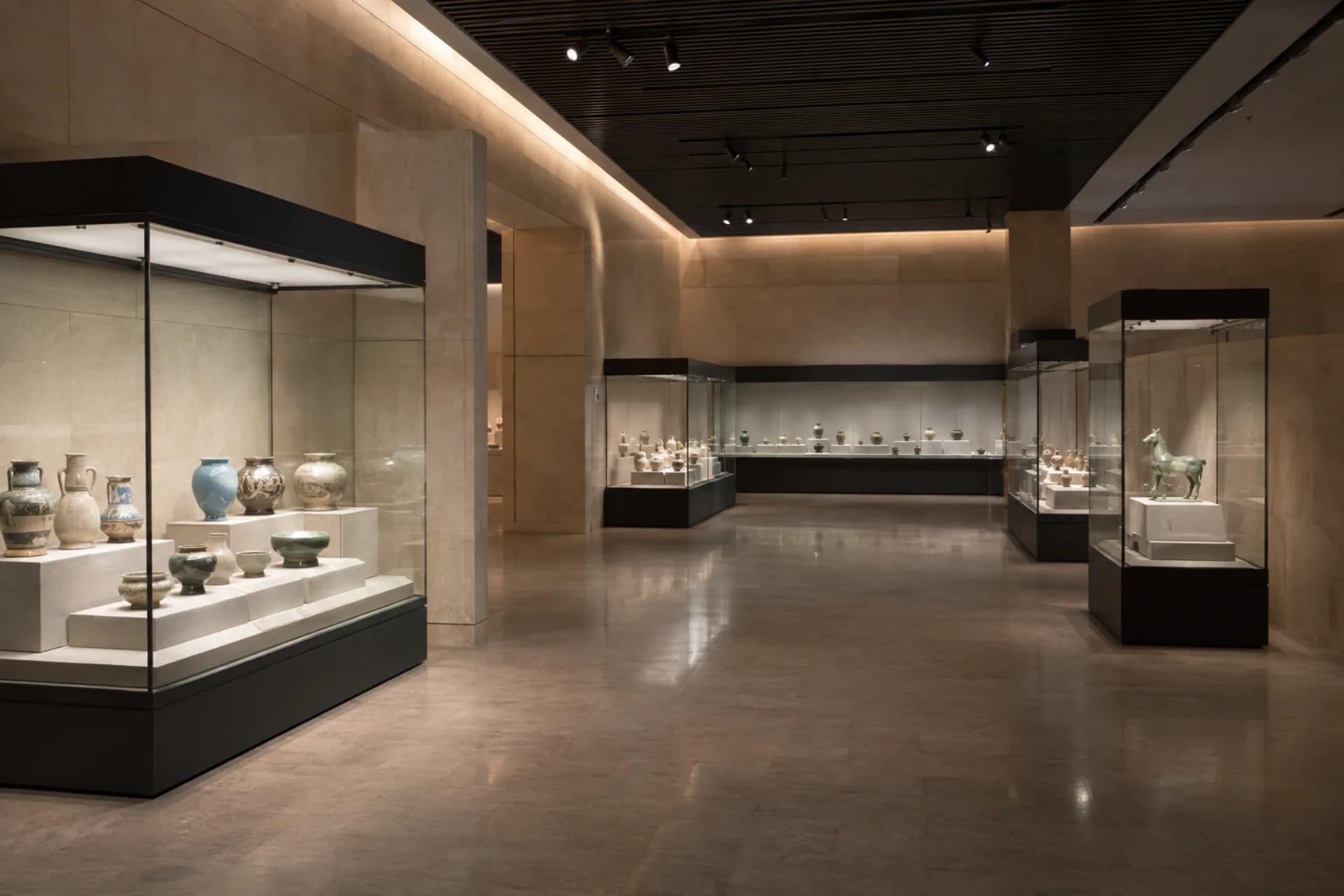
Arrival, Queues and Bags
Take Metro Line 1 to Xizhanshizi Station, Exit A and walk about 500 m east, following the museum's official directions. The verified Gansu Provincial Museum map pin is at No. 3 Xijin West Road.
Allow extra time for the outside queue, document check and security screening. Recent visitors report that arriving before opening does not create a paid fast lane. Storage exists but is finite; leave suitcases at your hotel or railway station rather than assuming a large bag will be accepted.
Photography, flash, tripods and temporary-exhibition rules vary by room. Follow the sign at each entrance. A reproduction, interactive display or shop copy should never be described as the original collection object.
Accessibility and Language
The modern museum building is much easier than an archaeological site, but lift access, wheelchairs, seating and assisted entry should still be confirmed through the museum for the visit date. Visitors who cannot stand in a long queue should ask staff about the current accessible entrance rather than following a social-media “shortcut.”
Use the official online guide where available. English coverage may be uneven, so translating a few key labels on your phone is more useful than rushing behind an unrelated tour group.
Pair It with the Yellow River
After a full museum visit, eat and rest before crossing the city. AMap's current model puts the museum about 3.1 km / 9 minutes by car from the Yellow River Mother Sculpture; the public-transit alternative adds substantial access walking. Continue to the Yellow River and Baita Hill walk only when you still have two or more hours of daylight.
A remote Danxia excursion belongs on another day. Let this museum provide the historical vocabulary for Gansu first; the later landscapes and ruins will make far more sense.