Sakya Monastery
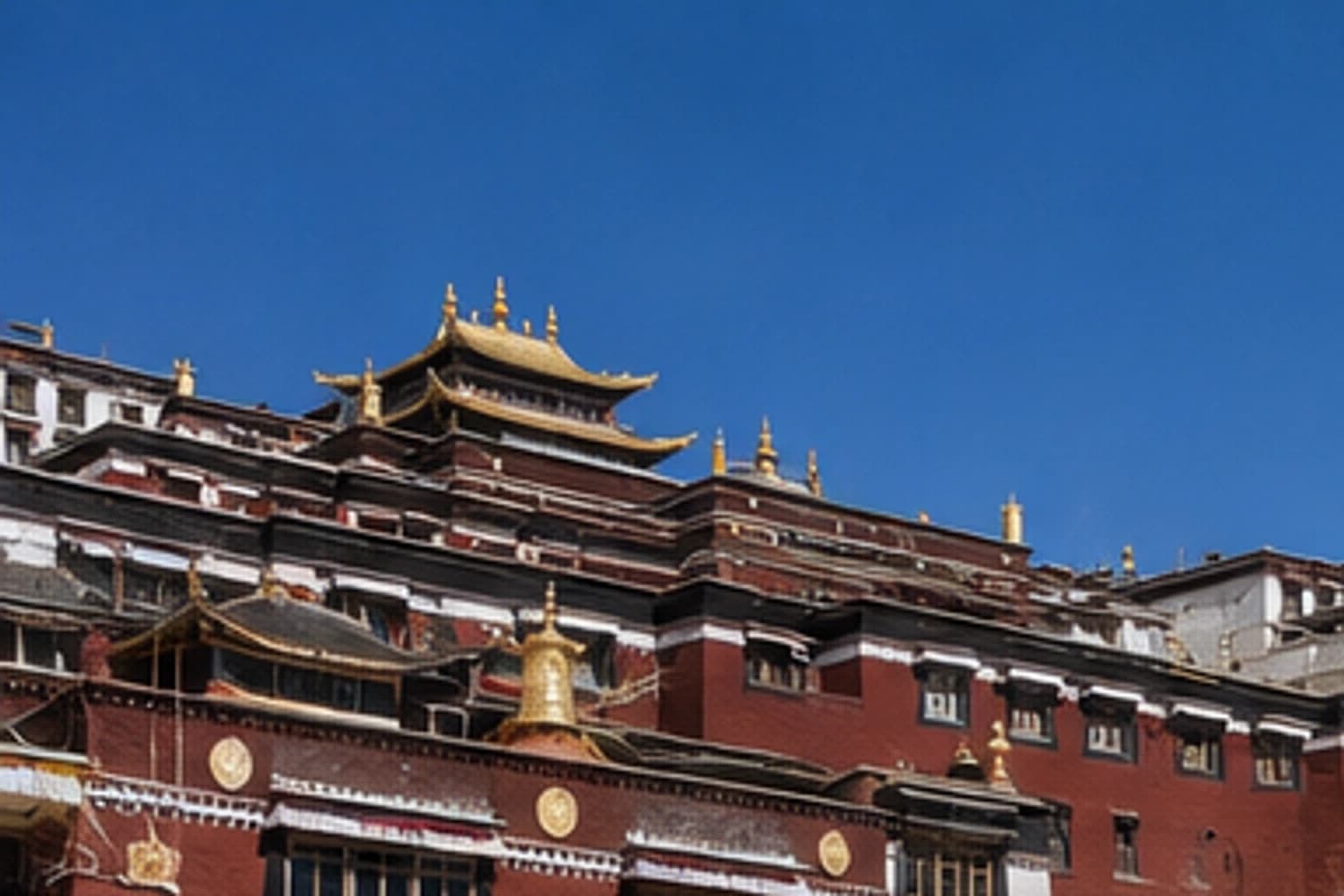
Sakya Monastery (萨迦寺) is the seat of the Sakya school of Tibetan Buddhism and one of the strongest art-and-text visits west of Shigatse. Its red, white and dark wall bands, fortress-like South Monastery, murals and monumental scripture storage create a very different experience from the Gelug monasteries on many standard itineraries.
The destination is compact; the journey is not. Allow a full day from Shigatse, with two to three hours in the main monastery and time for lunch and a modest town walk. Road conditions, checks and stops determine the actual transfer. Do not promise an evening return connection.
Go to the South Monastery first
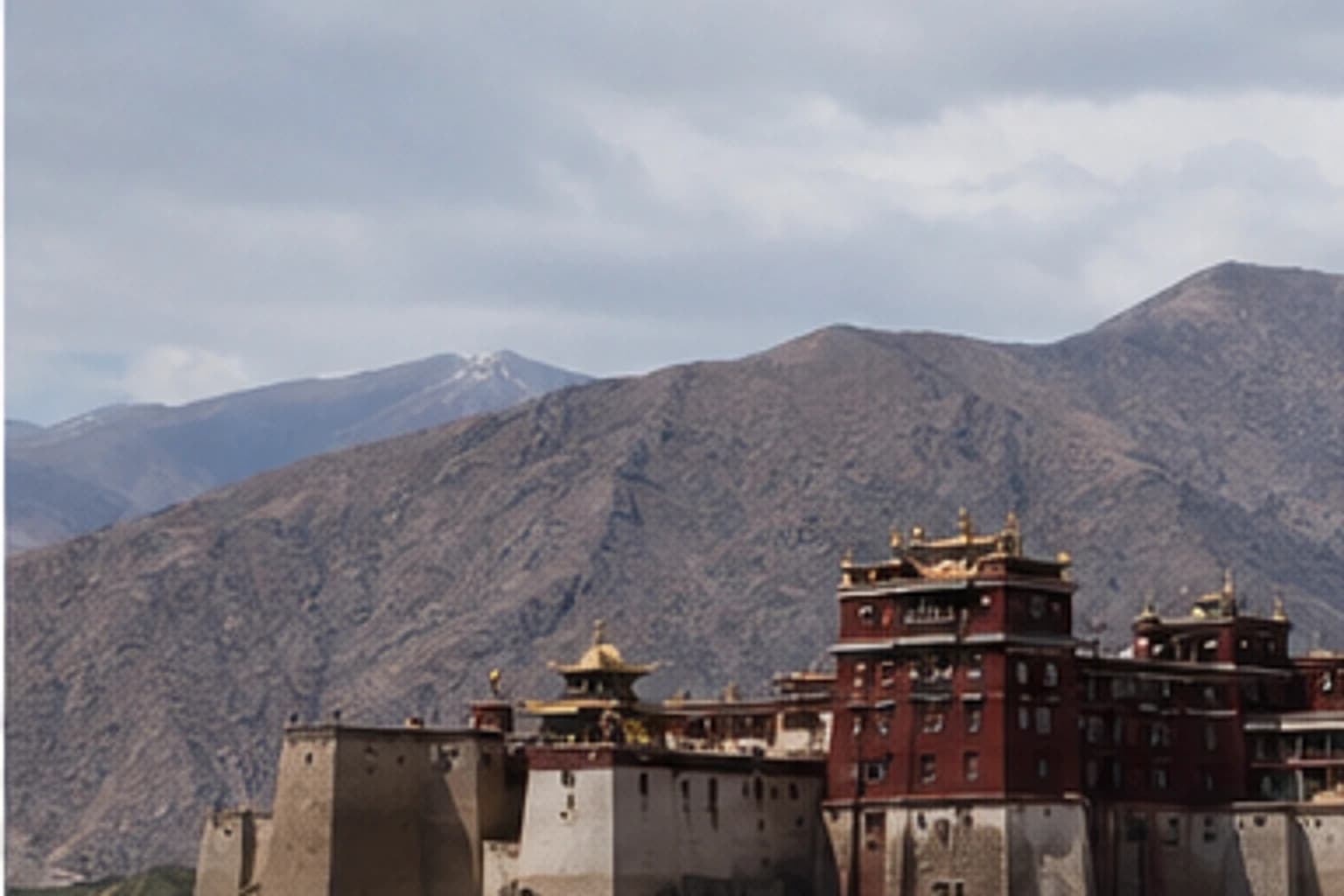
Map labels may show “Sakya Temple,” South Monastery and North Monastery. The principal surviving complex and visitor entrance are at the South Monastery. The older northern complex on the hillside survives largely as ruins and a restored or active area with access that can change. Do not spend the best opening hours searching the hillside before seeing the main site.
Inside the operating circuit, use this order:
- Outer walls and entrance court: read the defensive scale and the three-colour identity before entering the dark halls.
- Lhakhang Chenmo, the great assembly hall: let your eyes adjust. Look at columns, spatial scale and how ritual movement uses the room.
- Scripture wall: use a guide to understand the collection and conservation rather than repeating dramatic online numbers. The visible shelves are part of a living religious library, not a prop.
- Murals and chapels: ask which periods and subjects are currently accessible. Light is low and some areas close during ceremonies or conservation.
- Courtyard and exterior circuit: finish outside, then decide whether your energy and permission support a short town or northern-ruins extension.
Objects shown in a recent museum exhibition may be on loan, returned to storage or not part of the public circuit. Never plan the trip around one named artefact without confirmation.
Tickets, interpretation and paperwork
Open the exact Sakya Monastery listing on Trip.com to inspect dated admission. Confirm passport entry, guide inclusion, South Monastery access, opening interval, last admission and cancellation. Cached listings and visitor posts disagree on price and hours, so the monastery's day-of notice and your agency's confirmation control.
Interpretation is highly valuable. Arrange a qualified guide who can explain the Sakya school, the Yuan-period political and cultural context, the library and mural programme without turning every legend into fact. Confirm language, duration and total fee. If the only available explanation is in Chinese or Tibetan, prepare a short background text before travel.
Foreign visitors must have Sakya included in the Tibet itinerary arranged by a qualified agency. An attraction ticket or a bus seat is not independent-travel permission. Ask the agency to confirm passport, Tibet travel documentation, licensed guide and vehicle, and any route-specific checks. Carry originals.
A respectful old-town extension
After the monastery, walk only public streets around the centre and the Phagpa cultural square. Observe wall colours, household compounds and how the contemporary town relates to the monastery. “Ancient city” in tourism copy does not mean every lane is an open-air attraction.
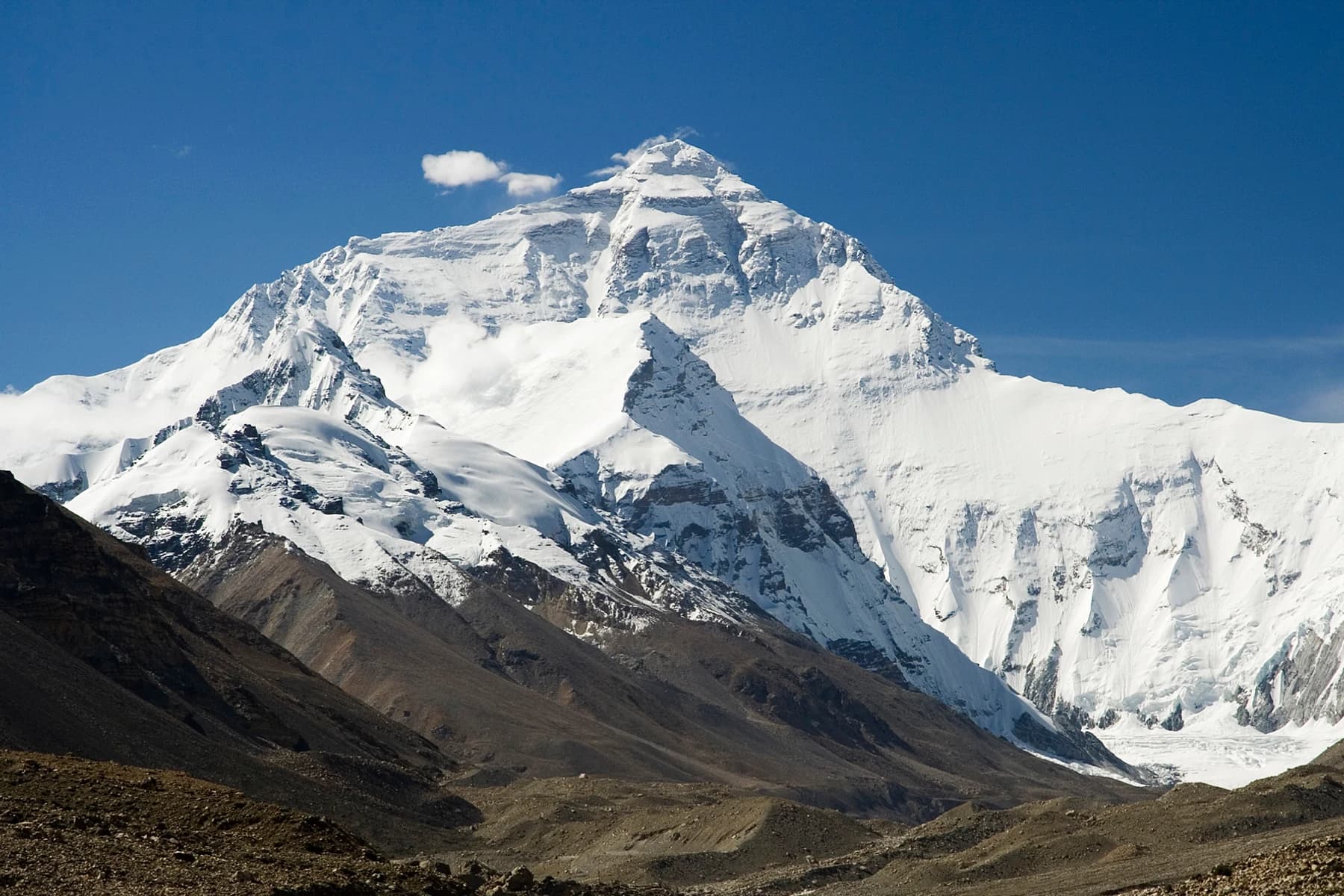
The North Monastery ruins can add landscape context if the route is open, your guide approves it and altitude permits. Do not enter unstable ruins, climb closed walls or treat monastic quarters as abandoned architecture. A distant mountain-view platform promoted online is never a guaranteed Everest view; weather, access and mountain identification require local confirmation.
Ask before photographing residents, monks, worshippers or private homes. Do not buy access from an unverified local intermediary. A religious event may reroute visitors, and participation always takes priority over your planned circuit.
Getting from Shigatse and back
A licensed private vehicle in the approved itinerary is the most reliable option. Public coaches to Sakya County are reported, and the bus station is near the monastery, but frequency and same-day return are uncertain. Do not use an old alternate-day timetable. Your agency should verify both outbound and return before departure; if the return cannot be guaranteed, use a contracted vehicle or approved overnight.
Pack lunch or confirm a town meal, water, sun protection and a warm layer. Sakya sits above Shigatse and the dark hall can feel cold even in sun. Walk slowly, avoid rushing stairs and tell the guide if altitude symptoms increase.
Do not combine Sakya with the Everest Base Camp route as an improvised detour. Border-region permits and road controls are separate, and the electronic border-pass situation in Shigatse can change quickly. Keep Tashilhunpo Monastery on a city half day before or after the Sakya road day.
Temple etiquette
Dress with shoulders and knees covered, remove hats where requested, move clockwise when signs and local practice indicate, and never step on thresholds. Do not touch scripture shelves, murals, columns or ritual objects. Assume no interior photography unless staff clearly permit it; no flash or added light. Keep voices low and give worshippers space.