Everest Base Camp Route from Shigatse
The north-side Everest trip is a regulated high-altitude road journey through checkpoints and large landscapes; the mountain view is one uncertain moment within it.
Local name: 珠峰大本营线路.
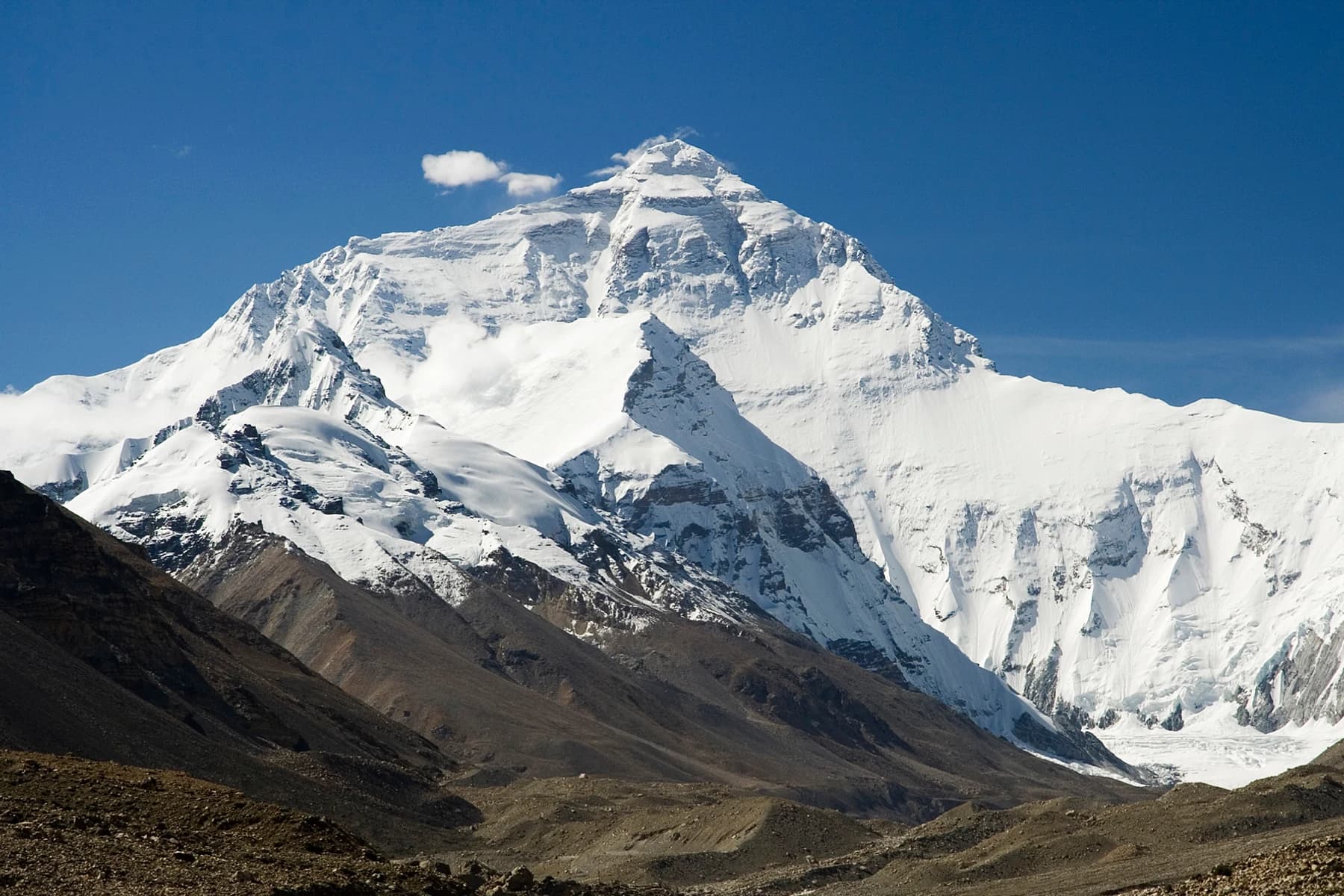
Photo: Luca Galuzzi · Source · CC BY-SA 2.5
How to visit
Use Shigatse as an acclimatized staging point, continue through the agency's approved Tingri route and checkpoints, and follow the current environmental bus or base-camp access. Preserve a weather and health exit.
This is not a single-day excursion from Lhasa. A responsible itinerary normally reaches Shigatse after acclimatisation, uses a long road day toward Tingri and the Everest area, and allows another substantial day for the return or onward approved route. Exact stops and overnight location belong in the licensed agency's confirmed plan.
Ask the agency to name every document needed for the route, who obtains it, the processing deadline and where originals will be checked. International visitors cannot treat a normal scenic ticket, hotel reservation or private car as permission to travel independently through the regulated border area.
Agree on the plan if access closes
Before leaving Shigatse, agree with the agency where you would stay or return if the mountain road closes, and which later visits would be removed if you choose to wait. Clear weather in a village does not establish that the upper road is open.
Treat a second attempt as a change to the whole itinerary, including the next night's accommodation and your departure from Tibet. Keeping a spare day can provide options, but it does not guarantee reopening or a mountain view. Do not leave that decision until you have already missed the return journey needed for a flight.
The route closed for snow and ice in April 2026 and reopened on 9 April after road clearance. The reopening notice still warned of icy mountain roads. That episode is the correct model: an official dated notice and the agency's operational confirmation outrank a generic annual opening description.
Agree what the operator provides if the environmental bus, upper road or accommodation is unavailable: a lower viewpoint, return to Tingri, alternative overnight or route cancellation. Get refund and rebooking terms in writing before departure.
What changes the experience
Long drives, basic facilities, cold, wind, poor sleep and cloud are normal constraints. Sunrise or star photography never outranks altitude symptoms or road orders.
Everest Base Camp on the north side is at very high altitude. Travellers should acclimatise progressively and discuss personal risks with a qualified clinician before the trip, especially with relevant heart, lung, blood or pregnancy concerns. Severe or worsening headache, confusion, loss of coordination, breathlessness at rest or other alarming symptoms require urgent action through the guide and local medical system—not social-media advice.
Eat and drink regularly, avoid overexertion and keep medication in the cabin. A portable oxygen bottle may be part of the operator's equipment, but it is not a licence to remain high while symptoms worsen. The safe plan always includes the ability to descend.
What the visit is actually like
The landscape unfolds through passes, checkpoints and long road sections before the final managed transfer. At the visitor area, follow the guide's timing for Rongbuk Monastery, the permitted monument or viewpoint and the environmental bus. Access names and endpoints can change, so do not promise a particular “base-camp tent” or walking distance from an older itinerary.
Facilities are basic and power, heating, toilets, food and mobile service may be limited. Confirm the night's lodging, bedding, private or shared facilities and meal plan. Keep a headlamp, warm layers, water and power bank accessible.
Cloud can hide Everest for the entire stay. Sunrise, sunset and stars depend on weather and should never be sold as guaranteed inclusions. Photograph only from permitted areas and do not launch a drone without explicit current permission.
Tickets and access
International visitors need the licensed Tibet arrangement plus all current border-area and Everest permissions. Book no independent transport or accommodation that conflicts with the approved itinerary. Background reference; obtain current operating confirmation from your agency.
The 2026 scenic notice resumed normal charging from 16 March and published a dated sightseeing-bus schedule, illustrating how price and departures change by season. Your agency must verify the current ticket, bus, passport and permit checks for the actual date rather than copying that seasonal table.
Fit it into the trip
Return to the Shigatse guide and pair it with Tashilhunpo Monastery or Sakya Monastery and Ancient City only when transport and energy keep the day coherent.
Keep Tashilhunpo for the acclimatisation or return side of the itinerary, not after an exhausting overnight drive. The Everest route succeeds when the road, health margin and regulated access are the plan; the mountain view remains an extraordinary but uncontrollable reward.