Yarlung Tsangpo Grand Canyon
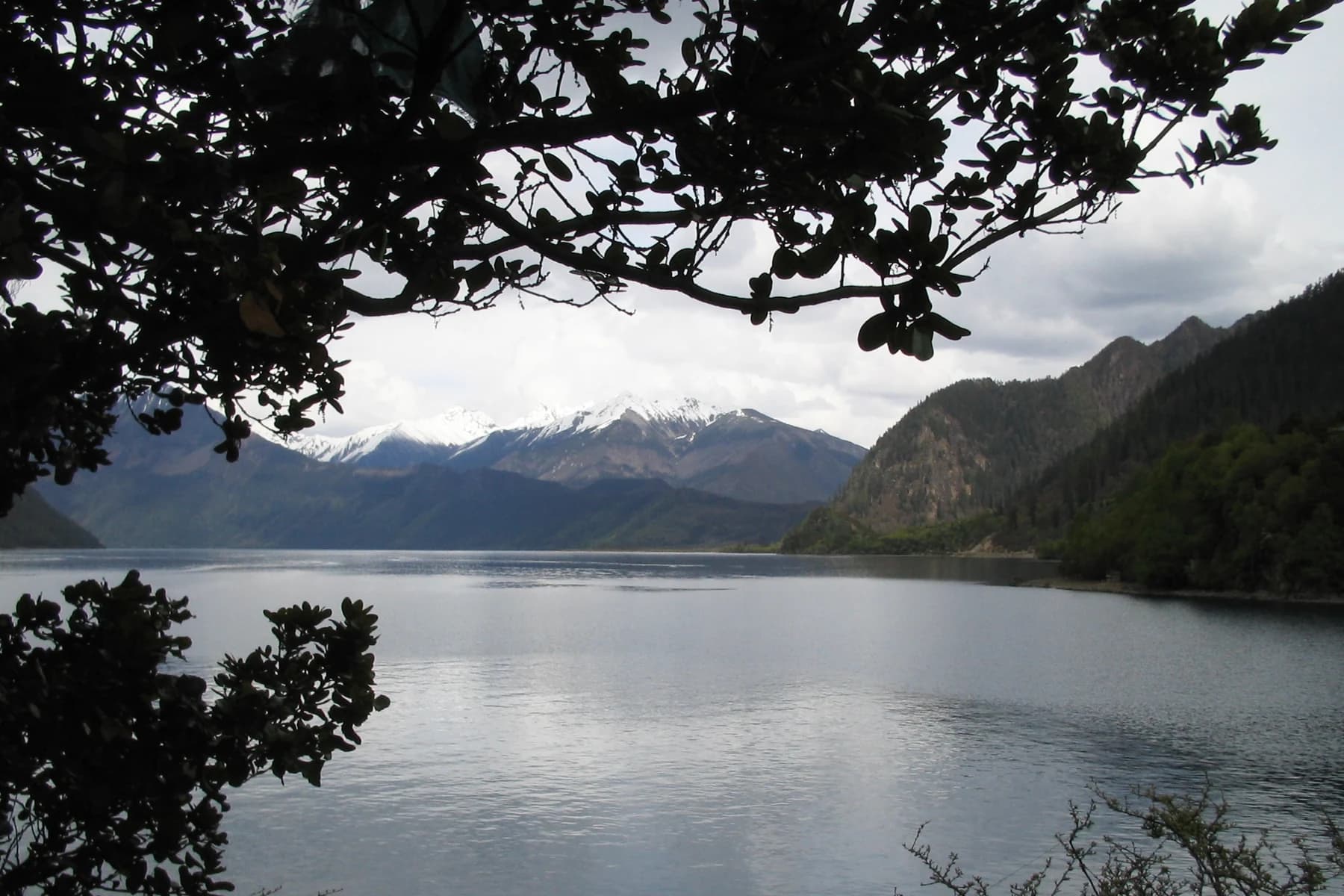
The managed Yarlung Tsangpo Grand Canyon (雅鲁藏布大峡谷) visit shows only an accessible section of a vast river system. It works best when your goal is a structured river-and-valley day. If your only goal is a sunset photograph of Namcha Barwa, a timed bus loop may feel restrictive and an approved Suosong overnight may fit better.
Allow a long day from Nyingchi. The transfer to Pai, ticketing, scenic vehicle and stops consume more time than the map suggests. The canyon remains worthwhile in cloud only if river scale, geology and settlement landscape matter to you.
Choose one of two realistic products
South-bank managed circuit: arrive at the Pai visitor centre and follow the operating sightseeing-vehicle loop. Current stops commonly interpret the canyon entrance, old settlement or tree stories, a Namcha Barwa viewpoint and a river-level experience. Names and order change. This option is simplest for a day trip but gives limited control over how long you wait at each viewpoint.
Approved Suosong overnight: use the agency's licensed vehicle and confirmed village lodging to gain an evening and morning weather window. This is not a loophole around admission or route controls. Confirm which scenic admission, vehicle or village-access fee applies and whether the property accepts international guests under your itinerary.
Boat, balloon, photography, north-bank and south-bank products are not interchangeable. Reject any listing that says “Grand Canyon package” without naming bank, transport and return point.
Tickets and current rules
Open the exact Yarlung Zangbo Grand Canyon listing on Trip.com to compare selected-date inventory. Confirm base admission, mandatory sightseeing vehicle, named bank, pickup in Nyingchi or Pai, passport and permit handling, meal, final return and weather cancellation.
The current operator and Tibet tourism notices control. Normal ticketing resumed on March 16, 2026 after the winter promotion, and the April preferential-policy notice explicitly separates first-gate admission from sightseeing vehicles and experience products. Treat every discount as category-specific; a waived gate ticket does not make the shuttle free.
Foreign visitors must have their Tibet route and documents managed by a qualified agency. Buying an attraction ticket alone does not authorize independent transport or an itinerary change. Ensure Pai, the canyon route and any Suosong overnight are named in the approved plan.
Make the bus loop meaningful
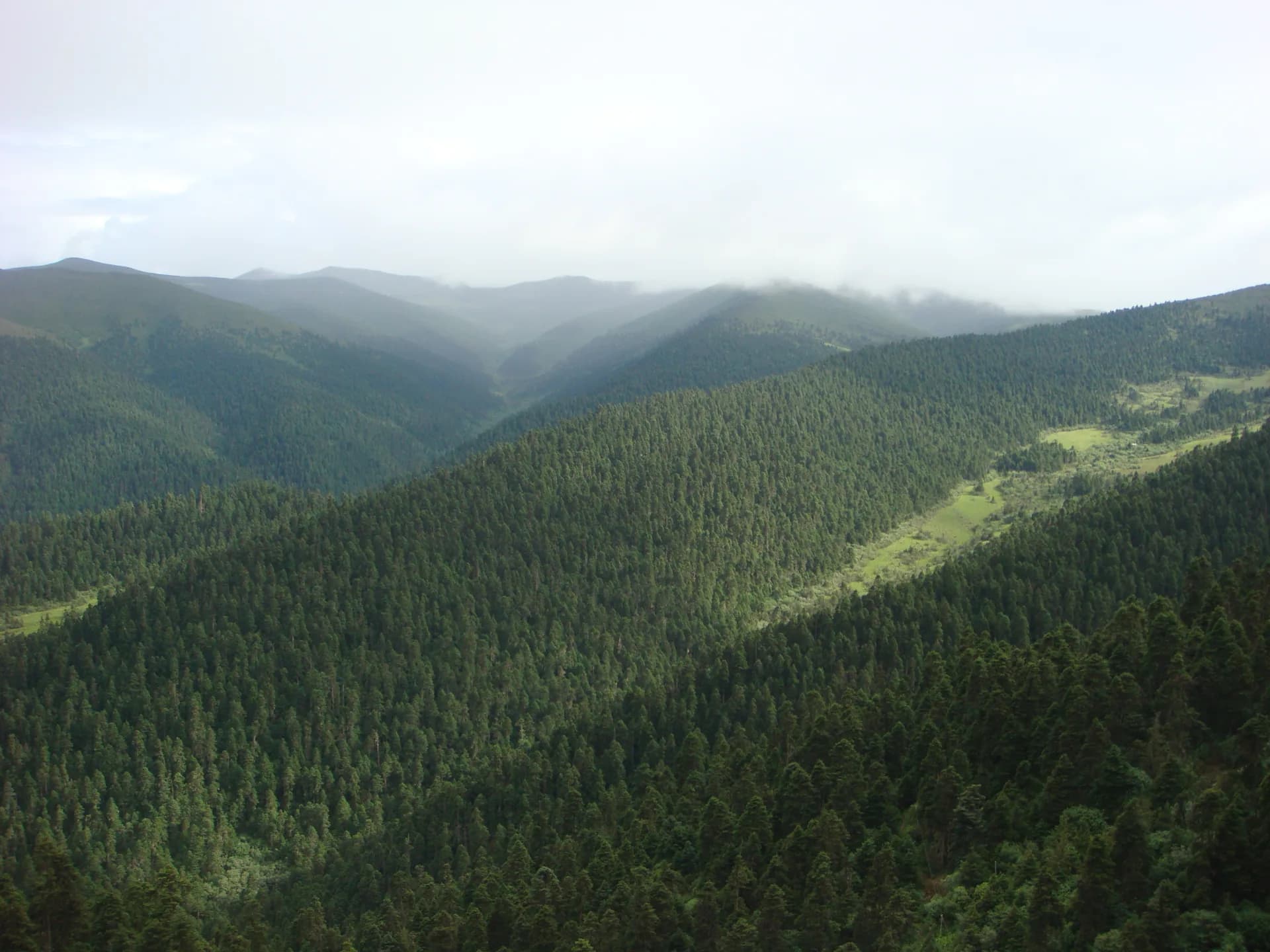
At the first high viewpoint, orient yourself to river direction and the enclosing ridges. At later cultural stops, separate local tradition from recent visitor infrastructure. At the mountain viewpoint, give the cloud a fixed time budget instead of letting one uncertain summit erase the whole day. At the river-level stop, stay inside barriers: water, loose rock and steep edges are more serious than the platform suggests.
Recent visitors disagree sharply about value. Some found the four-stop south loop commercial and repetitive; others valued the river access and managed route. The difference often comes from expectations. Buy it for canyon interpretation and a safe structured circuit, not as a contract to see a clear peak.
Weather, altitude and comfort
Rain can obscure Namcha Barwa, muddy the river, close viewpoints and slow the approach road. Cloud is not a refund condition unless your selected product says so. Carry rain protection, sun protection, water and a warm layer; valley heat and exposed wind can occur on the same day.
The route is lower than Tibet's highest passes but still at altitude. Walk slowly and tell your guide when symptoms increase. Do not follow unsafe social-media advice based on a single oxygen-saturation number; symptoms and professional assessment matter.
To maximise mountain chances, use a flexible two-night Nyingchi plan and choose the better-weather day. Do not force the canyon and Lulang–Sejila into one circuit. Suosong sunrise, the south-bank bus and a Lulang pasture are three different products, not a one-day checklist.
Respect checkpoints and villages
Carry passport and permits exactly as instructed. Do not photograph checkpoints, security facilities or controlled infrastructure. In villages, ask before photographing residents, homes, religious activity or livestock. Stay on public or designated paths and do not treat accommodation courtyards as open viewpoints.