Basum Tso
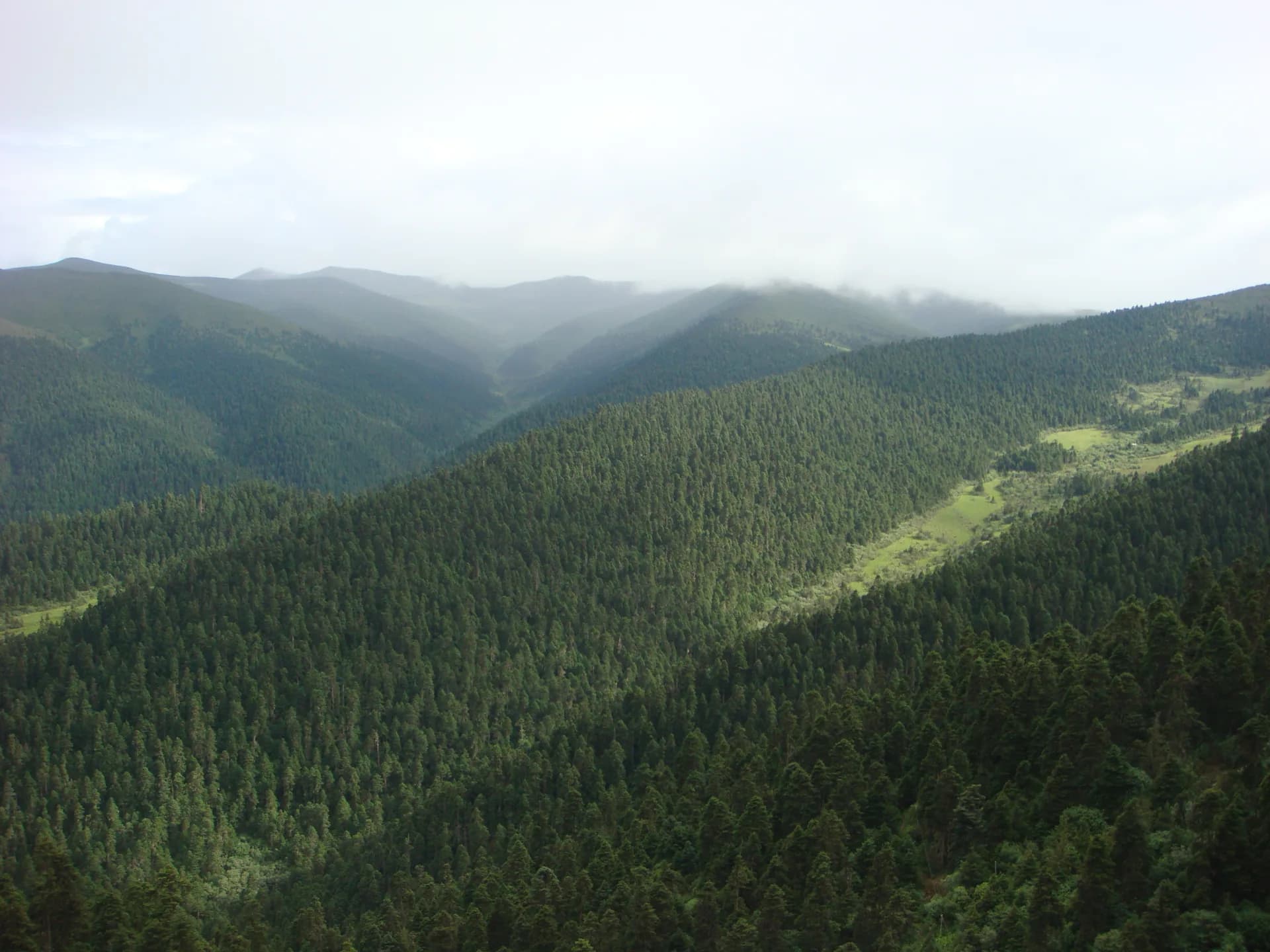
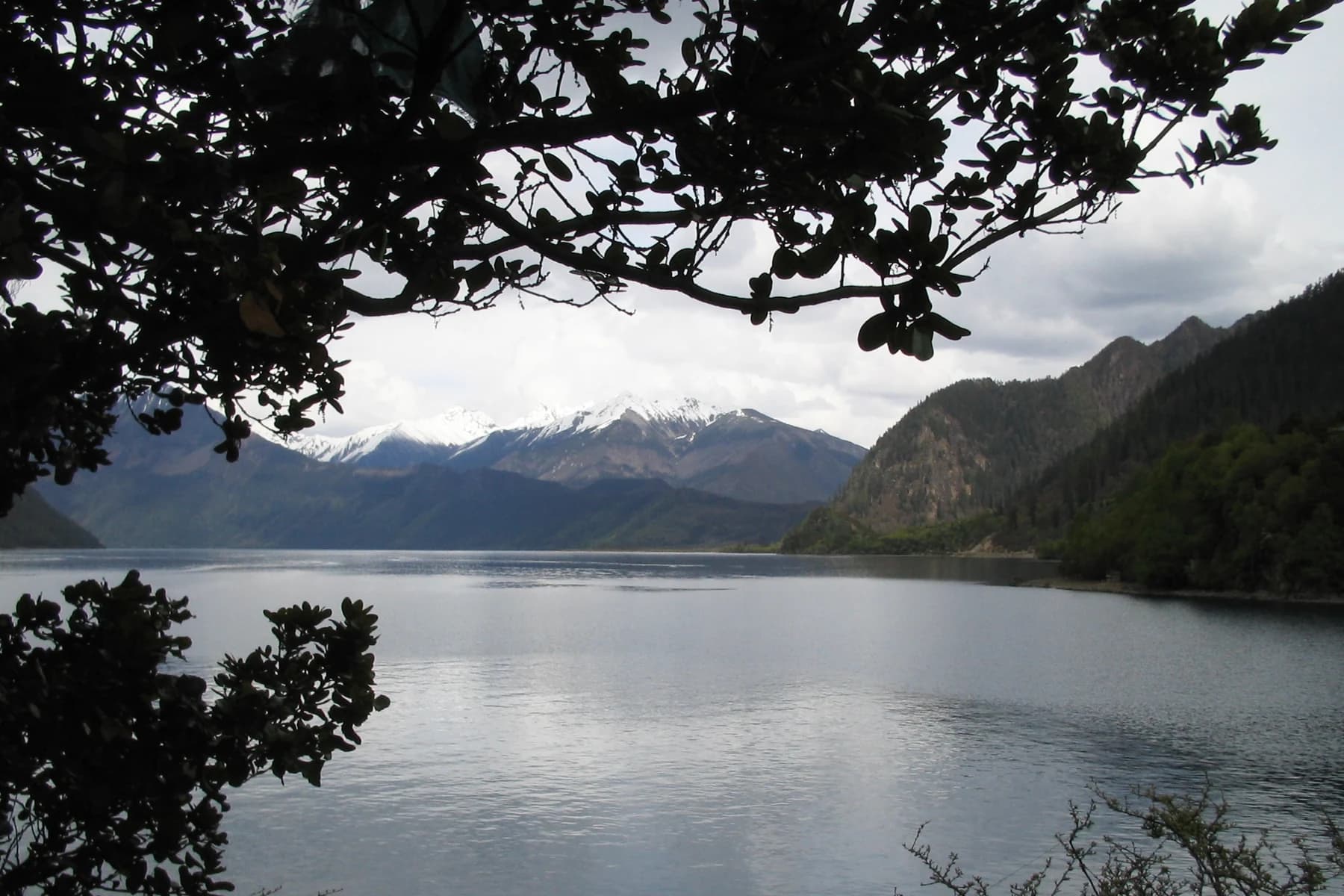
Basum Tso is the most contained Nyingchi nature day, combining a turquoise lake, forested slopes, island temple and optional deeper-valley extensions.
Local name: 巴松措.
How to visit
Use the managed shuttle to the main lake and island area, then choose whether a currently permitted village or valley extension justifies more driving. Keep the core lake route complete before adding remote stops.
Treat the scenic entrance, shuttle system, island access and any village extension as separate parts of the day. Your Tibet agency should state which are in the approved itinerary and price. A hotel near the lake does not automatically include scenic admission or vehicle access.
Give the lake and island their own visit
Use the island and Tsodzong Monastery (措宗寺) as the main walking stop, following the currently open access route. Spend time looking back across the water as well as at the buildings; this is a lake visit and a religious site, so enter only the spaces open to visitors.
If available on your route, add Dachela Viewpoint (达切拉观景台) for a different perspective on the lake. Ask the guide where the vehicle will meet you afterward before starting the walk. The order can follow the day's transport rather than forcing a return across the scenic area.
At the island temple, dress and behave respectfully, keep voices low and follow all photography restrictions. Incense, blessings and offerings are religious practices, not required ticket inclusions. Do not photograph worshippers at close range without permission or treat the island as a costume backdrop.
Allow two to three hours for the core lake, island and one viewpoint once inside, plus external and internal transport. Shorter stops often spend more time on vehicles than beside the water. A lakefront overnight can add quieter light, but the agency must still confirm where you may stay and how luggage moves through the scenic system.
Decide separately about Xincuo
Xincuo (新措) adds another road approach and a substantial walking outing. It is not simply a further stop on the island walk. If the lake and temple are your priority, complete those and return without adding the extension. If you want Xincuo, have the agency allocate the transport, walking time and return explicitly; do not squeeze it into the time left before a long drive to Lhasa.
Ask about road condition, vehicle type, walking distance, permitted endpoint, food, toilets and emergency communication. Facilities become more limited away from the core. Weather or road controls can cancel the extension while the main Basum Tso area remains open.
Villages around the lake are lived-in communities. Use authorised accommodation and paths, ask before entering homes or photographing residents, and do not fly a drone without explicit current permission. A paid transfer does not buy unrestricted access to private land.
What changes the experience
Lake color and mountain reflection depend on light, wind and cloud. The core can feel commercial in peak season; a remote extension changes road time and services.
Rain can make paths slippery and cloud can hide mountain reflections. Sun and ultraviolet exposure remain strong at altitude even when the air feels cool. Carry water, sun protection, a warm rainproof layer and shoes with grip. Do not approach the water beyond signed barriers for a reflection photograph.
Nyingchi is lower than Lhasa or the Everest route, but Basum Tso is still a high-altitude outing. Acclimatisation needs differ. If symptoms worsen, tell the guide and seek professional assessment; oxygen sold or carried for comfort does not replace medical care or descent when clinically necessary.
Tickets and access
Your licensed Tibet agency must confirm the site on the approved itinerary, current ticket and shuttle, passport and permit checks, and any extension authorization. Background reference; obtain current operating confirmation from your agency.
A 2026 regional report confirms ongoing tourism at the lake, including international visitors, but does not replace the operator's dated access notice. Carry the original passport and permits specified by the agency, and do not accept an independent driver who proposes to bypass the managed entrance.
Fit it into the trip
Return to the Nyingchi guide and pair it with Yarlung Tsangpo Grand Canyon or Lulang–Sejila–Namcha Barwa Route only when transport and energy keep the day coherent.