Shanxi Museum
Shanxi Museum (山西博物院) is Taiyuan's best introduction to a province where early states, northern frontiers, Buddhist art and timber architecture overlap. It is also large enough to produce gallery fatigue. The productive question is not “Can I finish it?” but “Which historical thread will improve the rest of my Shanxi trip?”
Reserve 2.5–4 hours for the main building. Two hours works only with firm priorities; a full half day suits archaeology and art enthusiasts. Recent visitors advise starting on the upper exhibition floors rather than spending your attention on temporary or lower-priority displays at ground level.
Build a route around your onward journey
Collect the current floor plan and confirm which permanent galleries are open. Exhibition names, loans and temporary closures can change. A strong first-visit sequence is:
- Cradle of Civilization: establish the Yellow River setting and prehistoric material. Spend time with pottery form and use rather than reading every case label.
- Traces of Xia and Shang: look for the transition from regional archaeology to bronze-age political and ritual systems.
- Jin Hegemony: make this the anchor. Bronzes and excavated objects explain the state that gave Shanxi its abbreviation, “Jin,” and make later sites around the province more legible.
- Ethnic Melting Pot: follow exchange across the northern frontier. This is especially useful before Datong, Pingcheng or Northern Dynasties sites.
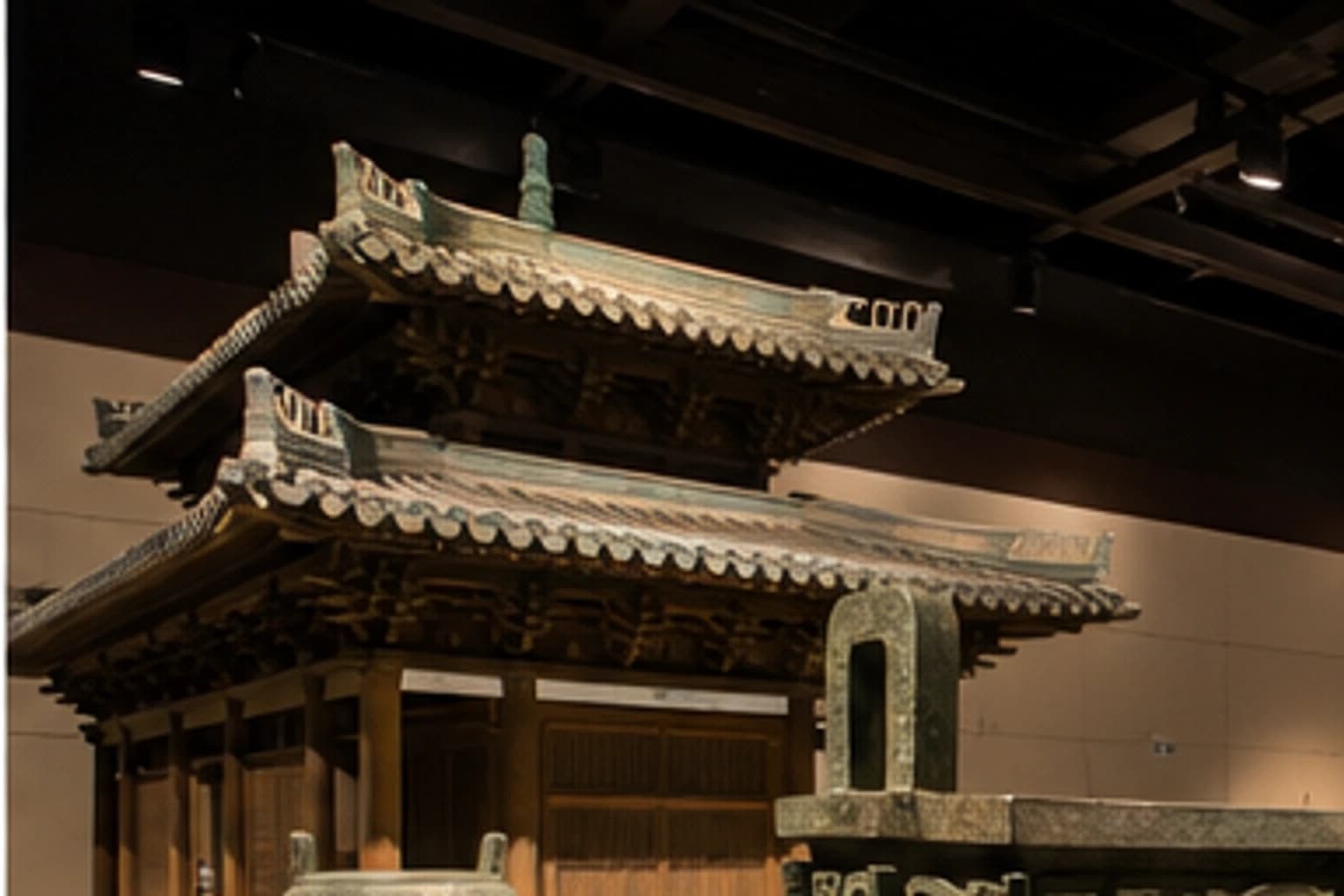
- Buddhist Remains: prioritize this before Yungang, Wutai or temple travel. Compare portable sculpture with cave and architectural contexts you will see later.
- Add architecture, opera, ceramics, calligraphy or painting according to your route, not because the floor plan implies they are compulsory.
If an important object is absent, do not assume you missed it. Major pieces can be loaned, conserved or rotated. Ask gallery staff, then continue with the historical sequence rather than hunting online photographs.
Reservation is the real first step
Basic admission is free, but free does not mean walk-in. Under the reservation process announced for June 2026, inventory is released at 20:00 three days before the visit date, with a same-day release at 08:00. Policies can change, so use the museum's official WeChat service or current official notice rather than a third-party “reservation agent.” The museum has specifically warned against unofficial paid ticket, booking and guide bundles.
Register with the document you will carry. A foreign passport may not fit every mini-program field; if online entry fails, contact the museum before travel and ask for the current passport workflow. Carry the original passport, reservation confirmation and any required entry QR. Names and document numbers must match.
The standard pattern is Tuesday–Sunday operation and Monday closure except selected public holidays, but extended summer hours and holiday changes are common. Confirm the visit date, entry window, final admission, open galleries and baggage rule on the official channel. Do not build a tight train connection around a cached search result.
Interpretation without overload
English coverage varies by gallery. Download a translation tool or use the official audio option if available, but keep your phone dim around light-sensitive objects. A guide is most valuable when it connects the Jin state, northern peoples and Buddhist art; a generic “top ten treasures” sprint often removes the regional story.
For families, give each person one object type to find—animal-shaped bronzes, roof forms, musicians or trade-route motifs. For specialists, photograph labels only where permitted and record gallery names, since similar objects may come from very different archaeological sites.
Food and drinks stay outside exhibition rooms. Large luggage may be refused or require storage; arrive with a small bag and leave time for security. Seating is limited at peak periods, so schedule a short break before Buddhist art rather than after exhaustion begins.
When to go and what crowds change
The first session and late weekday afternoon are usually calmer than weekend mid-morning, but school groups can change the pattern. Arrive before your timed slot, complete security and start upstairs. If a famous case is blocked, move one gallery forward and return; standing behind a tour group wastes more time than a loop.
Low light protects objects, and flash is prohibited. Follow case-specific photography signs. Do not press phones against glass or cross barriers for reflections. The museum's value is contextual: give yourself enough distance to see how a display is arranged, not only a close-up image.
Pairing the museum inside Taiyuan
Shanxi Museum is west of the city centre. The Northern Qi Mural Museum is farther east, so the pair requires a planned cross-city transfer and two separate entry arrangements. It can work for committed museum visitors if both slots are secured, but it is not a walkable museum district.
For a lower-risk day, combine Shanxi Museum with Fen River Park, a city dinner or a smaller nearby cultural stop. Keep Jinci for its own half day: the southwest journey, park approach and historic core deserve more than the remainder after a large museum.
Before leaving, revisit the Jin Hegemony or Buddhist gallery that best matches your next destination. Ten focused minutes of review is more useful than forcing one final floor.