Jinci Temple
Jinci (晋祠) is not one temple hall. It is a layered ritual landscape of springs, bridges, old trees, sculpture and buildings accumulated over many dynasties. The decisive planning detail is that Jinci Park and Jinci Museum are not the same visit: you first cross the landscaped public park, then enter the ticketed historic complex. A rushed visitor can spend too long outside and arrive at the important halls already tired.
Allow three to four hours from the park entrance, or longer with a guide, plus transport from central Taiyuan. Go early if you want room to study the Hall of the Holy Mother and Fish Pond Flying Bridge. Recent visitors repeatedly describe the main axis as a bottleneck after tour groups arrive.
Follow this route through the core
Use the current gate map, because works and crowd controls can change small sections. This sequence keeps the architectural story readable:
- Jinci Park approach: walk directly toward the museum entrance unless the park itself is one of your priorities. Photograph the gate and note where your return bus or car will collect you.
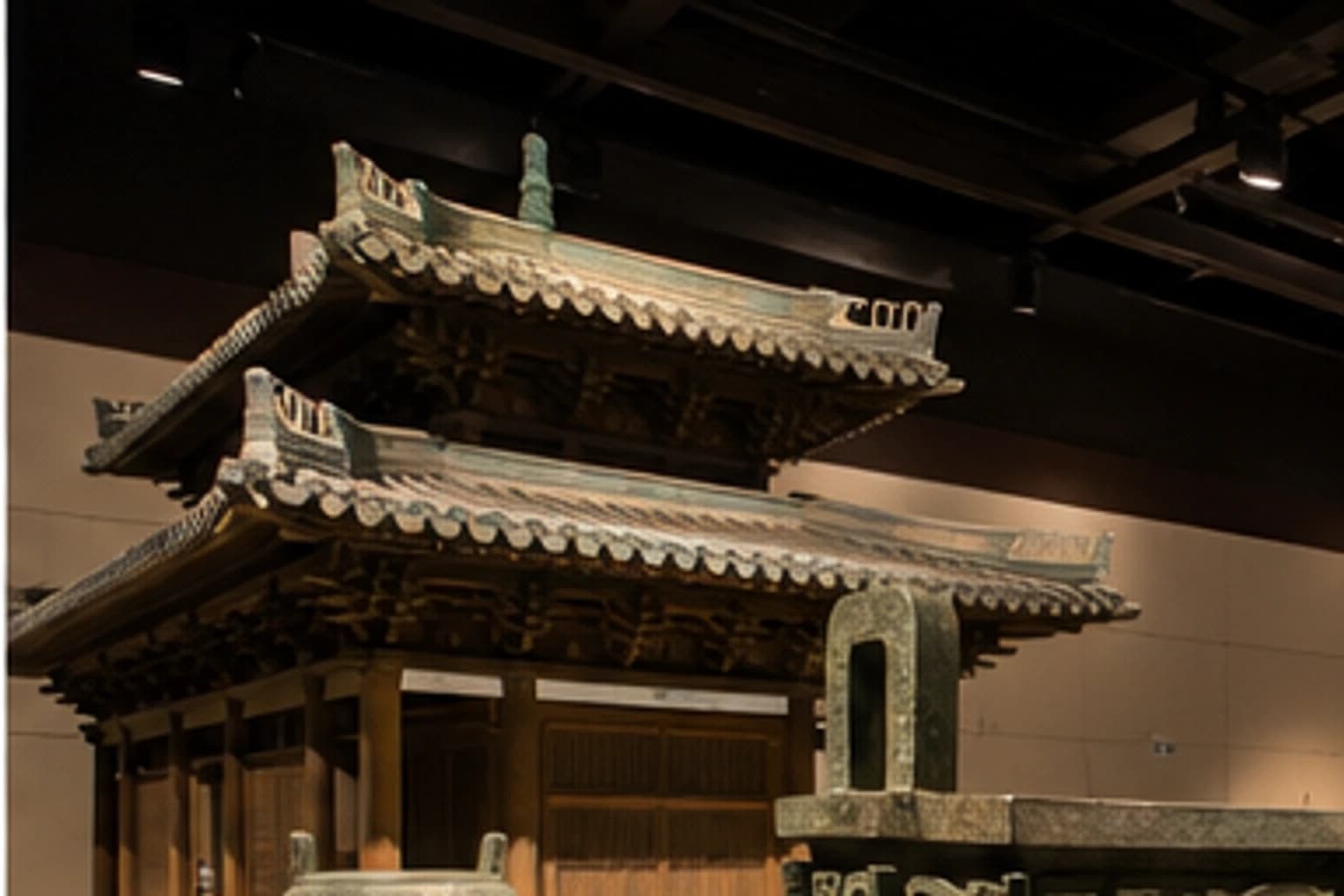
- Water Mirror Stage and Golden Figures Terrace: use these as orientation points before the central ritual group. The iron figures and stage introduce the site's ceremonial life better than an isolated photo stop.
- Offering Hall, Fish Pond Flying Bridge and Hall of the Holy Mother: slow down here. The three structures form the spatial climax, and the bridge makes sense only when read as part of the water-and-hall composition.
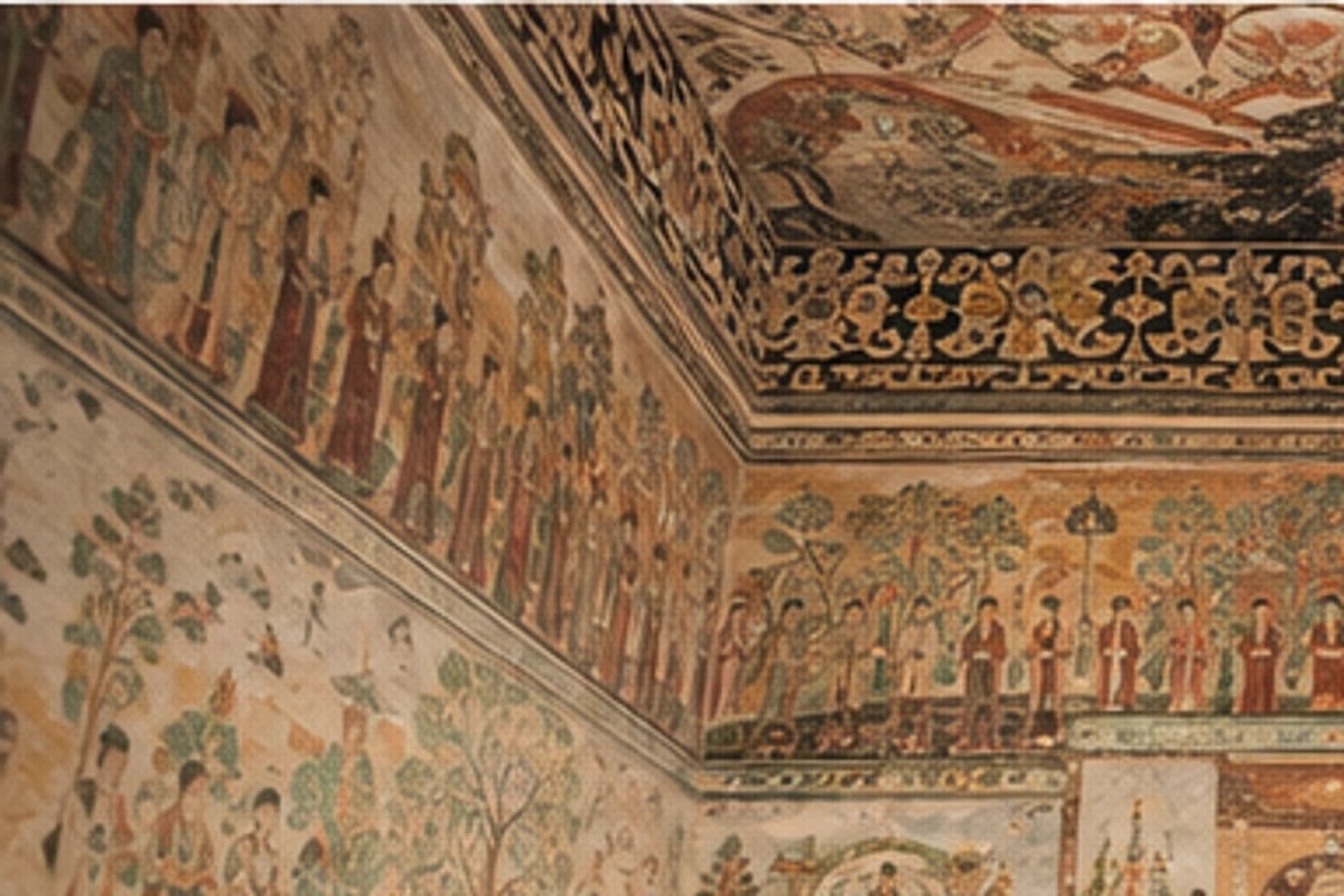
- Painted attendants in the Holy Mother Hall: look at posture, age and expression rather than trying to photograph in a dark interior. Access and photography rules can tighten without notice.
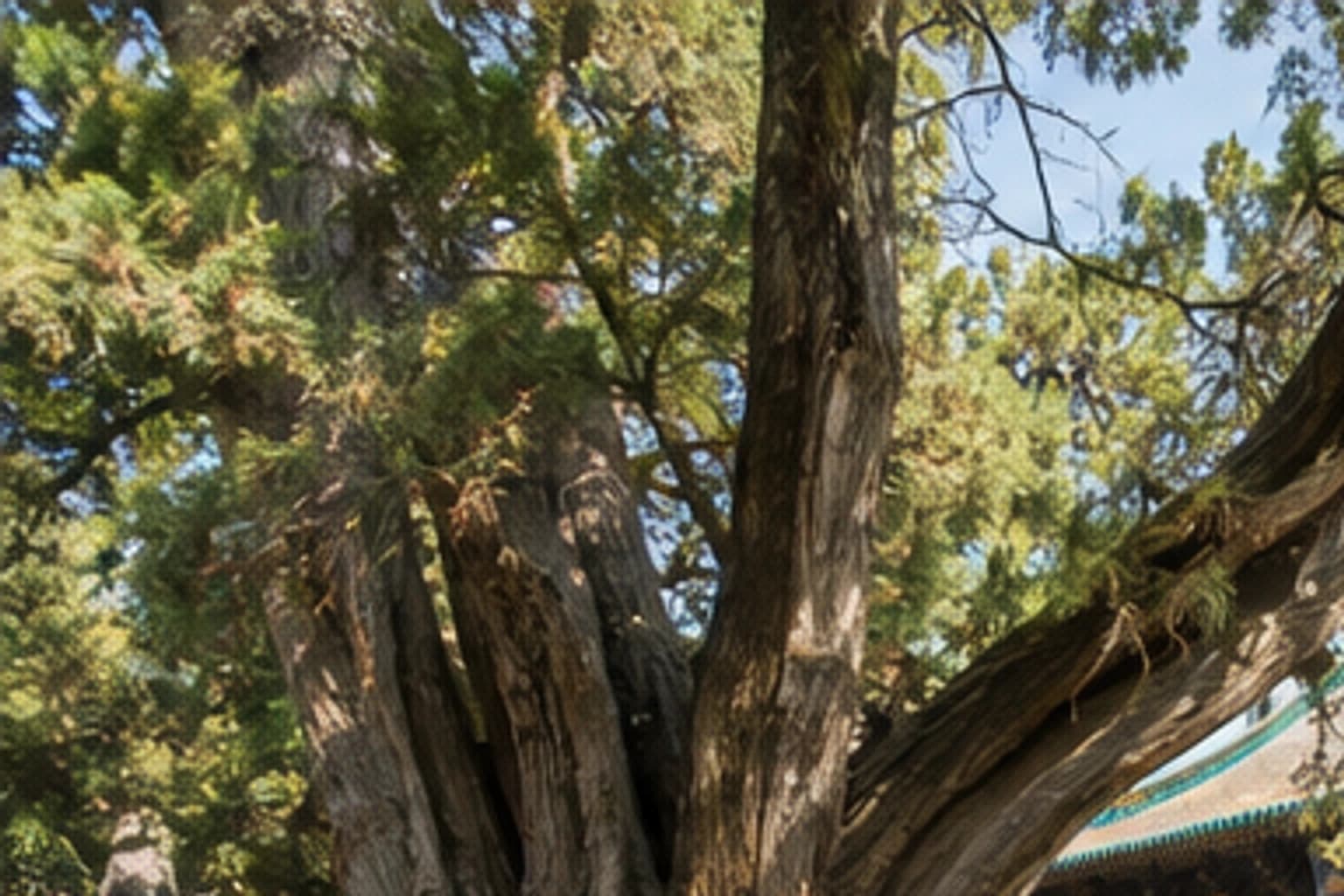
- Never-Aging Spring and old cypress: finish the central sequence through water management and the living landscape. Water level and flow vary, so do not expect an online photograph to reproduce the day you visit.
- Add the Tang Shuyu Temple, Tang stele or pagoda courtyards only if energy and closing time allow. These side branches reward interpretation but create substantial backtracking.
Jinci's famous labels can be confusing. The usual “Three Treasures” refer to the Offering Hall, Fish Pond Flying Bridge and Hall of the Holy Mother; the “Three Wonders” generally connect the ancient cypress, Never-Aging Spring and Song-period painted sculpture. Use the labels as a memory aid, not a checklist that replaces looking.
Tickets, gate and current hours
Open the exact Jinci Museum listing on Trip.com to compare dated admission. Before payment, confirm that the product is for the museum's historic core, not transport, a guide, a combined scenic-area product or an unrelated performance. Check passport or QR entry, ticket collection, last admission and cancellation.
The current Jinci notice should control your day. From April 1, 2026, the published visitor window is 08:30–17:30 with ticket sales and entry ending at 17:00, but seasonal schedules and holiday extensions can supersede it. Recheck the current Jinci announcement the night before.
If an app displays “Jinci Scenic Area,” inspect the Chinese name and address. The free park, museum admission, Tianlongshan transport and Jinyang Ancient City attractions are separate decisions even when a platform bundles them.
A guide earns its value here
Jinci contains numerous branches, stelae and rebuilt structures; signage alone does not always explain which fabric is early and which is later restoration. Recent visitors consistently report that a knowledgeable guide prevents them from missing important details. Use the official desk or a licensed guide and agree on language, duration, group size, exact route and total price before starting.
For a self-guided visit, download a plan before arrival and read a short introduction to Tang Shuyu, the Song-period Holy Mother Hall and the spring system. Scan codes only from official labels. Ignore anyone outside the entrance selling a “fast lane,” unofficial free entry or guaranteed access to closed halls.
Transport from Taiyuan
Jinci lies southwest of central Taiyuan; it is not a casual metro stop. A licensed taxi or ride-hail is simplest for two people, but pin the active Jinci Museum visitor entrance, not only “Jinci.” Save the Chinese name 晋祠博物馆 and a screenshot of your return pickup point.
Bus numbers 308, 804 and 856 commonly appear in visitor reports, and route 79 is often used from the south-station side. Routes, stops and last departures can change. Verify the same-day route in a live map, photograph the return stop on arrival, and leave enough daylight to recover from a missed bus. At closing time, walk back toward the main transport area before requesting a car; drivers may not enter every park road.
Jinci and the Northern Qi Mural Museum sit on different sides of Taiyuan, so combining them creates a long cross-city transfer. A cleaner heritage day pairs Jinci with Jinyang Ancient City Archaeology Museum or Taiyuan Ancient County nearby, subject to their own bookings. Put the Shanxi Museum on a separate city day.
Comfort, access and respectful viewing
Expect long paved approaches, stone thresholds, uneven courtyards and some steps. Ask staff for the lowest-step open route if mobility is limited; not every historic hall is barrier-free. Carry water and sun protection, but keep food and drinks outside protected interiors. Taiyuan can be hot and stormy in summer and sharply cold in winter; stone paths may become slippery.
Photography permission varies by hall. Never use flash around painted sculpture or murals, do not lean on railings, and do not touch trees, carvings or architectural surfaces. Quiet observation will reveal more here than trying to reproduce every famous frame.